Overview: What the ONE PIECE Shinkansen Actually Is
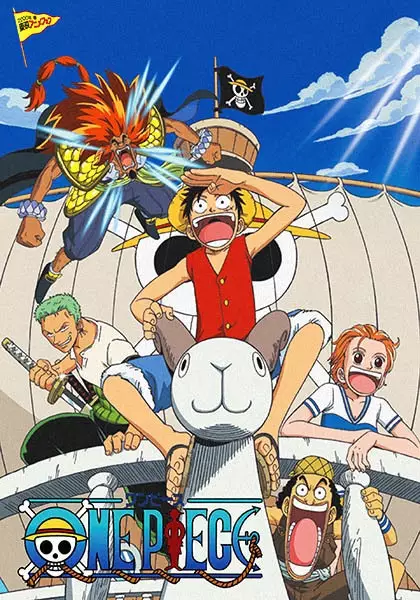
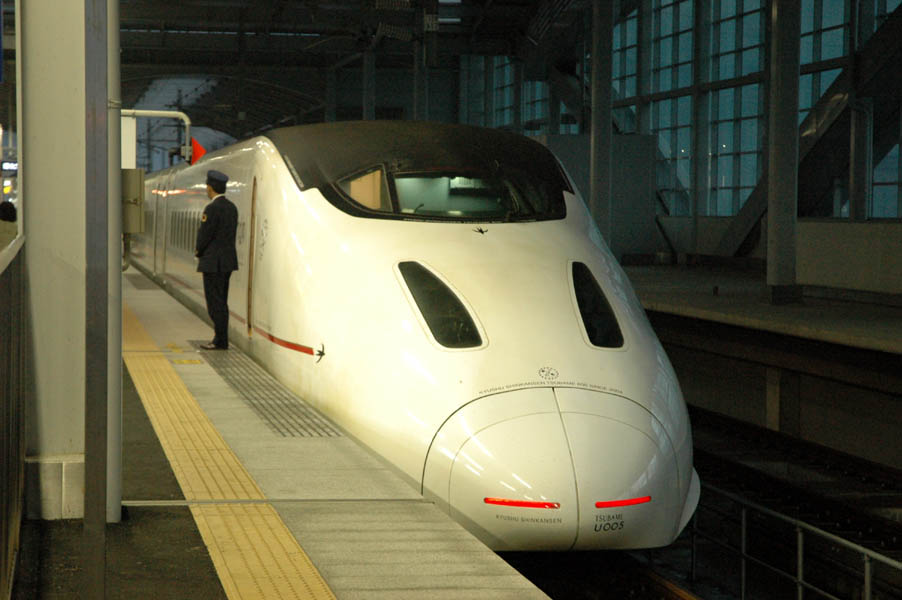
JR West runs the ONE PIECE 新幹線 (Shinkansen, bullet train (lit. 'new trunk line')) on the Sanyo Shinkansen line, the stretch of high-speed track linking Shin-Osaka and Hakata. It is, first and foremost, a real working train: same rails, same schedule discipline, same business travelers with laptops open before the doors have finished closing. What sets it apart is the skin — Straw Hat Pirates livery on the exterior, character art worked into the interior — and the fact that none of it happened without sign-off from Eiichiro Oda and the franchise's licensors. This isn't a wrap job some regional marketing team improvised over a weekend. It's an officially licensed collaboration between JR West, Oda, and ONE PIECE's rights holders, which is why the design holds up to close inspection instead of looking like a decal job rushed out the door.



Three Trains, One Jolly Roger
Here's a detail that gets flattened in casual mentions: this isn't one train with Luffy on one car and Chopper on another. It's three separate trainsets, each with its own livery, rolled out one at a time across 2025.
- Setouchi Blue — the first of the three, debuted April 12, 2025
- Tony Tony Chopper — pink-and-light-blue livery, debuted May 28, 2025
- Monkey D. Luffy — beige-and-red livery, debuted July 2, 2025
Any of the three might show up on a given Shin-Osaka to Hakata run. There's no public rotation schedule that I've found, so you take what the timetable gives you.
From Press Release to Platform
The paper trail is clean on this one. JR West announced the project via press release on November 27, 2024, ahead of a spring 2025 launch. If you've seen older references floating around suggesting a much earlier origin, treat those with suspicion — the confirmed announcement is late 2024, with Setouchi Blue entering service that following April.
Inside the Cars: Theming and Photo Spots
What's actually inside is where reporting gets fuzzier, and it's worth flagging clearly. Fan accounts and enthusiast blogs describe seat covers printed with character art, wall graphics, door-side signage featuring the crew, themed route maps, and hand straps decorated with character illustrations — plus zoned seating areas, custom character headrests, decorative partitions built as deliberate photo spots, and small info signs tying design motifs back to locations from the 漫画 (manga, comic / manga). None of that is directly confirmed by JR West in the material available, so treat it as credible fan reporting rather than settled fact. What's consistent across every source is the intent: keep the spirit of Oda's 1997 manga visible on board without compromising the train's day job.
Sound Effects and Announcements on Board
One thing that is confirmed: on certain rides, JR West plays exclusive ONE PIECE-themed sound effects and announcements. These aren't a constant feature — they're seasonal, or tied to specific routes and services, so don't assume every departure comes with a soundtrack. If you're chasing the full audio experience, ask at a JR West sales point before booking, since the extras aren't guaranteed trip to trip.
Tickets, Reservations, and the Japan Rail Pass
Booking works like any other Shinkansen seat. You can buy through JR West sales points, JR West's online reservation systems, a travel agency, or a JR ticket office, and standard reserved-seating rules apply — reserve ahead if you have your heart set on a particular themed car rather than whatever happens to be coupled to your train that day.



- JR West sales points and ticket offices
- JR West's online reservation platforms
- Travel agencies handling Japan rail bookings
And yes, the Japan Rail Pass covers it. Because the ONE PIECE Shinkansen runs on Sanyo Shinkansen tracks between Shin-Osaka and Hakata, pass holders are fine — provided you steer clear of Nozomi and Mizuho services, which sit outside standard pass coverage regardless of what's painted on the outside. Book onto a covered service class and the pass works exactly as it would on an undecorated train.
The Route: Shin-Osaka to Hakata Along the Sanyo Line
The route itself has its own numbers worth knowing. Shin-Osaka to Hakata by way of the Sanyo Shinkansen covers roughly 553.7 kilometers, cutting across the Kansai region and on through Chugoku before dropping into Kyushu at the Fukuoka end. That's not a short hop — it's most of the western spine of Honshu — and whatever you make of themed trains generally, that's a proper stretch of track to be doing it on, tunnels and coastline and all the lumpy geography in between.
Spotting the Train at Hakata Station and Beyond
Hakata Station is the obvious place to go looking for it. It's a major hub in Fukuoka serving both the Sanyo and Kyushu Shinkansen lines, which means heavy platform traffic — and, per one widely circulated photo on the social platform Threads from mid-May 2026, at least one of the character-liveried trainsets sitting at a platform there. I'd treat that single image as a snapshot of a moment rather than proof the train parks there on any fixed schedule. Fan reports since the trains entered service also describe queues forming for photos and commemorative goods at stations along the line; I haven't seen that independently verified, but it tracks with how ONE PIECE fans tend to behave anywhere else in Japan. If you want a decent shot without planning your whole itinerary around it, Hakata and Shin-Osaka — the two endpoints — are your best bets, since that's where the trainsets sit between runs.
One Year In: The Anniversary
The project passed its first anniversary in April 2026, and JR West marked it with video highlights on social media — passengers on board, the special decorations, and the trains' signature exterior art all getting a moment in the sun. A year of daily service without the theming turning into a maintenance headache is, in its own quiet way, the real achievement here. Themed trains are easy to launch and hard to keep running well. This one's still on the rails.
A Few Words Worth Knowing Before You Ride
If you're building your Japanese around trips like this one, the vocabulary is mercifully practical. Shinkansen just means bullet train, or more literally new trunk line. 切符 (Kippu, ticket) is your ticket, 席 (seki, seat) your seat, and 自由席 (jiyuseki, unreserved seat) versus 指定席 (shiteiseki, reserved seat) is the difference between unreserved and reserved seating — worth sorting out before you find yourself standing the length of Kansai because you guessed wrong. None of it requires kanji memorization to use on the day. Romaji and a bit of confidence at the ticket window get you most of the way there.