
Shigeru Miyamoto and the quiet idea behind the DS and Wii
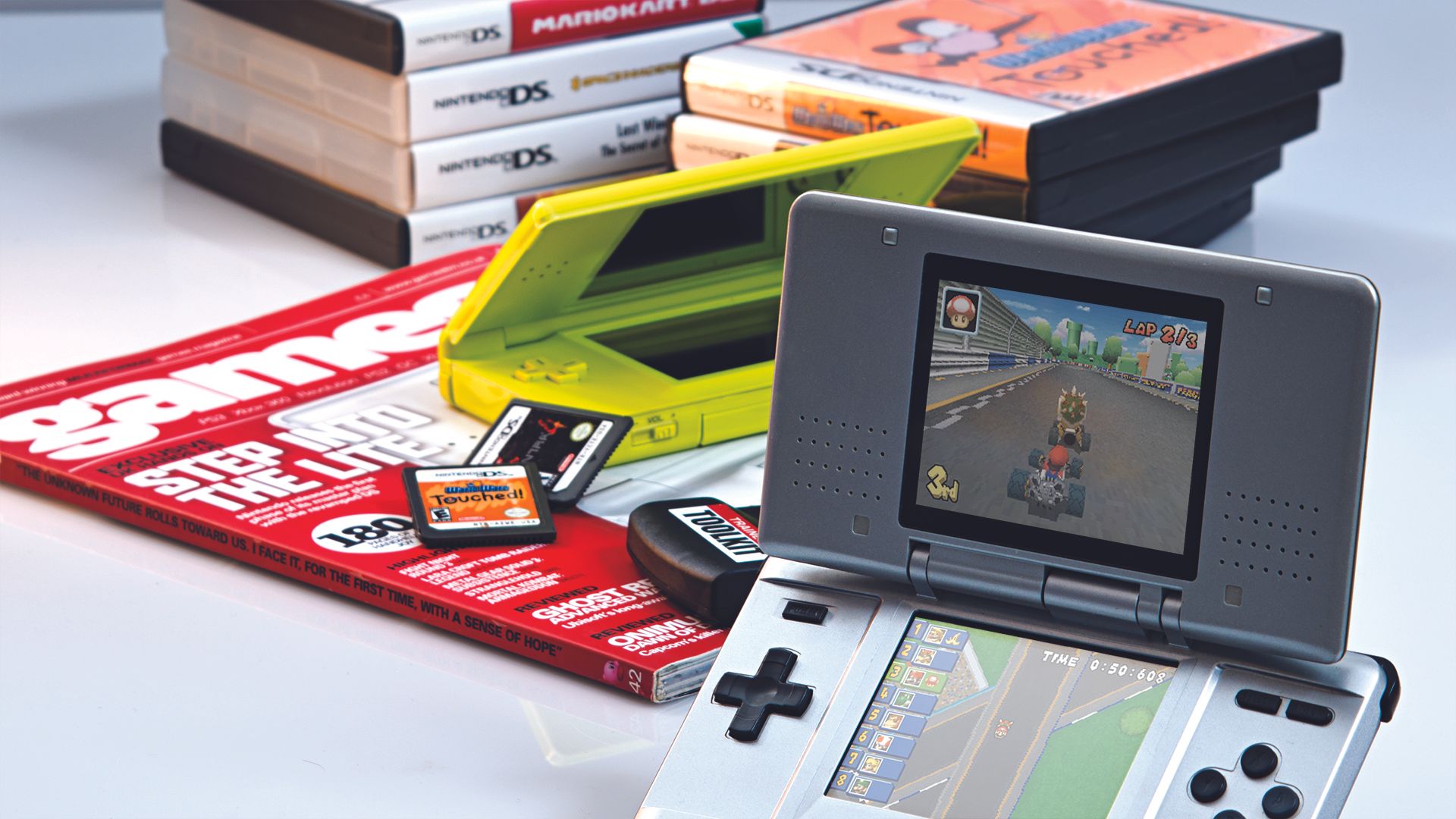
Shigeru Miyamoto has spent decades being treated like Nintendo’s creative face. Mario, Zelda, Donkey Kong, you know the list. But in a recent remark, he framed the DS and Wii in a way that cuts through the usual nostalgia: these systems were meant to make gaming feel normal, not niche.
![Dragon Ball Z: Kakarot [Master Edition]](https://s.pacn.ws/1/p/1eh/dragon-ball-z-kakarot-master-edition-908785.1.jpg?v=t8ja8t&width=400)

That sounds obvious now. It wasn’t obvious in the early 2000s. Back then, games still carried a strong hobbyist label in many markets, especially outside Japan. Nintendo’s answer wasn’t to shout louder. It was to widen the doorway. The DS launched in 2004, the Wii in 2006, and both machines were built around a simple cultural move: don’t ask people to become “real gamers” first. Let them just play. See what I mean?
Satoru Iwata and Nintendo’s mainstreaming strategy
What many overlook is that the DS and Wii didn’t appear by accident, and they weren’t only Miyamoto projects. Satoru Iwata, who became Nintendo president in 2002, helped shape the company’s direction at a strategic level. He came from programming, from HAL Laboratory, and he understood something practical about people and products. If the barrier is too high, many people simply walk away.
That’s the reason Nintendo focused on accessibility. The DS had two screens, a stylus, a microphone, and later touch-based software that felt immediate. The Wii had motion controls that looked almost self-explanatory in a shop or living room. You didn’t need to master a complex controller layout on day one. You could pick it up, wave it, tap it, and start. That lowered the social barrier too, not just the technical one.
Hand on heart, this is where Nintendo’s design philosophy becomes culturally interesting. In Japan, companies often think carefully about how a product fits everyday behaviour, from commuter routines to family life. The DS and Wii fit that pattern. They were portable, social, and easy to explain. A parent could understand them. A grandparent could understand them. That matters more than people sometimes admit.
Normalising the gamer identity, one household at a time
Here's the thing: Miyamoto’s comparison is telling because it sounds almost too plain. He said Nintendo did not want “book readers” and “non-book readers.” That analogy works. We don’t usually split society into readers and non-readers as if one group is somehow the standard and the other is a hobby club. Nintendo wanted the same logic for games. Not gamers and non-gamers. Just people who play games, and people who might play games later.
That was a major shift in language. It changed how people talked about themselves. For a long time, “gamer” implied dedication, time, and sometimes gatekeeping. Nintendo’s DS and Wii softened that. They made game ownership feel ordinary. You bought a DS for New Super Mario Bros. or Nintendogs. You bought a Wii for Wii Sports, then maybe Wii Fit. The machine sat in the living room, not hidden away in a bedroom. That’s a cultural detail, and a very important one.
Quick detour: the software mattered just as much as the hardware. Nintendogs launched in 2005 and became a phenomenon by letting players care for a virtual pet with minimal friction. Brain Age, designed by Dr. Ryuta Kawashima and released in 2005, leaned into daily use and self-improvement. Wii Sports arrived with the Wii in 2006 and showed the console to millions of people who had never touched a gamepad. These were not just games. They were social proof.
Why this worked so well in Japan and beyond
Compared with back home, the Japanese market had a useful advantage: handheld gaming already had strong roots. The Game Boy had trained a generation to accept portable play as normal. The DS built on that habit with better screens, a stylus, and software that appealed beyond traditional action-game fans. The PSP was a serious competitor, of course, but Nintendo pushed a broader family-friendly model. It worked because it felt less like an invitation to a subculture and more like an everyday object.
For the Wii, the living room mattered. In many homes, it became the console people showed guests. They’d say, “Try this,” and the box did the rest. The system sold more than 100 million units worldwide, which is worth mentioning because sales figures don’t lie, even when marketing does its best to be charming. The DS passed 150 million units globally. Those numbers tell you the strategy wasn’t a side experiment. It was the plan.
And yes, there was risk. Nintendo could have alienated its core fans by making the hardware feel too simple. But the company paired simplicity with familiar icons: Mario, Zelda, Metroid, Animal Crossing. That balance kept the brand anchored. My tip: if you want to understand Nintendo’s history, look at how it keeps its oldest characters while changing who feels invited to use them. That trick is harder than it looks. It really is.
Why Miyamoto’s comment still matters
Oh, almost forgot: this isn’t only a business story. It’s also a story about cultural permission. The DS and Wii told millions of people that games were not reserved for specialists. They could fit into family life, commuting, exercise, and quick breaks between other things. That may sound small. It wasn’t. Once a medium becomes normal, everything around it changes, from retail displays to conversation at school or work.
Miyamoto’s remark, with Iwata’s strategy in the background, gives us a cleaner way to read Nintendo’s history. The company wasn’t just chasing sales. It was reshaping the category. That’s the story, anyway. And it helps explain why the DS and Wii still feel like turning points, not just successful products.
Frequently Asked Questions
Why were the DS and Wii so important?
They made games feel easy to approach, which brought in people who would not normally buy a console.
What was Satoru Iwata’s role?
He helped steer Nintendo towards broader audiences and practical product design from a leadership position.
Did Miyamoto design both systems?
No. He was part of Nintendo’s creative leadership, but the DS and Wii were company-wide strategic efforts.


