If you like Japanese game goods that feel useful instead of just decorative, this one’s worth a look. It also gives Japanese learners a nice excuse to notice how fandom products often borrow words from daily life, like 布 (nuno, cloth) or 花 (hana, flower), and turn them into something collectible.
Rune Factory merchandise with a soft, scented twist
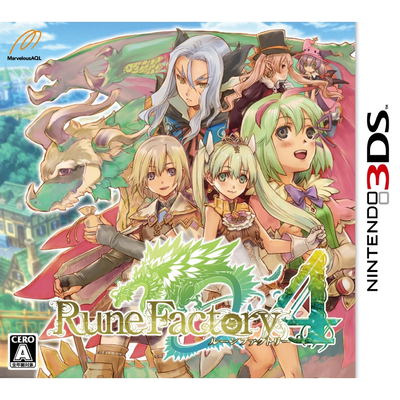
Rune Factory merchandise usually sits in that sweet spot between practical and cute, and this new line keeps that balance. The headline items are a ぬいぐるみ (nuigurumi, stuffed toy; plush) pouch and a flower diffuser, both tied to the gentle, farm-inspired mood that fans associate with the series. If you know bokujou monogatari, the original farming-sim family of games, the atmosphere’ll feel instantly familiar, just with a little more fantasy and battle energy mixed in.

The release comes from a franchise that started as a spin-off and slowly built its own identity. Rune Factory first appeared in 2006 on Nintendo DS, and over time it moved from being “the action version of Harvest Moon” to a series people now recognise for its own cast, towns, and seasonal rhythm. That matters here, because merchandise like this only works when the world has a strong visual personality. Personally, that’s what makes these goods more than just souvenirs.
Bokujou monogatari and Rune Factory, side by side
Before I forget: bokujou monogatari is still the foundation for a lot of what fans love about this corner of Japanese game culture. The series began in 1996, and its name in romaji is still useful for learners, because it shows up in conversations, shop listings, and fan posts all the time. It literally connects to “farm story”, which is a neat reminder that Japanese game titles often describe the mood very directly.
That brings us to Rune Factory, which took that farming comfort and layered on swords, magic, and dungeon crawling. The result is a series that feels cosy without becoming sleepy. For example, you can water crops in the morning, then fight monsters in the afternoon, and the merchandise now reflects that same blend of softness and adventure. Classic Japan, isn’t it?

Why fans react so strongly to this kind of merch
Japanese game goods are rarely random. They usually draw from character colours, iconography, or a specific in-game object, so a plush pouch is never just a pouch. It becomes a small piece of the world you can carry around, and that makes it especially appealing to collectors who like items with a clear story attached. On a related note, this is also why fragrance goods do so well in Japan, since scent is often used to create an atmosphere rather than just mask a room.
My tip: if you’re learning Japanese, pay attention to product naming. Words like nuigurumi, pouch, and diffuser show how katakana-heavy retail language can be, even in a Japanese brand context. You’ll see the same pattern in convenience store goods, character cafes, and pop-up shops. Wait, there’s more.
Nuigurumi pouch and flower diffuser: the products themselves
Let me show you why these two items stand out. The nuigurumi pouch taps into the long Japanese love for soft goods that look cute but still do a job, whether that means holding small accessories, earbuds, or cosmetics. In Japan, pouches are practically a category of self-expression, and character goods make them even more personal. The charm is that they feel playful, but not childish.
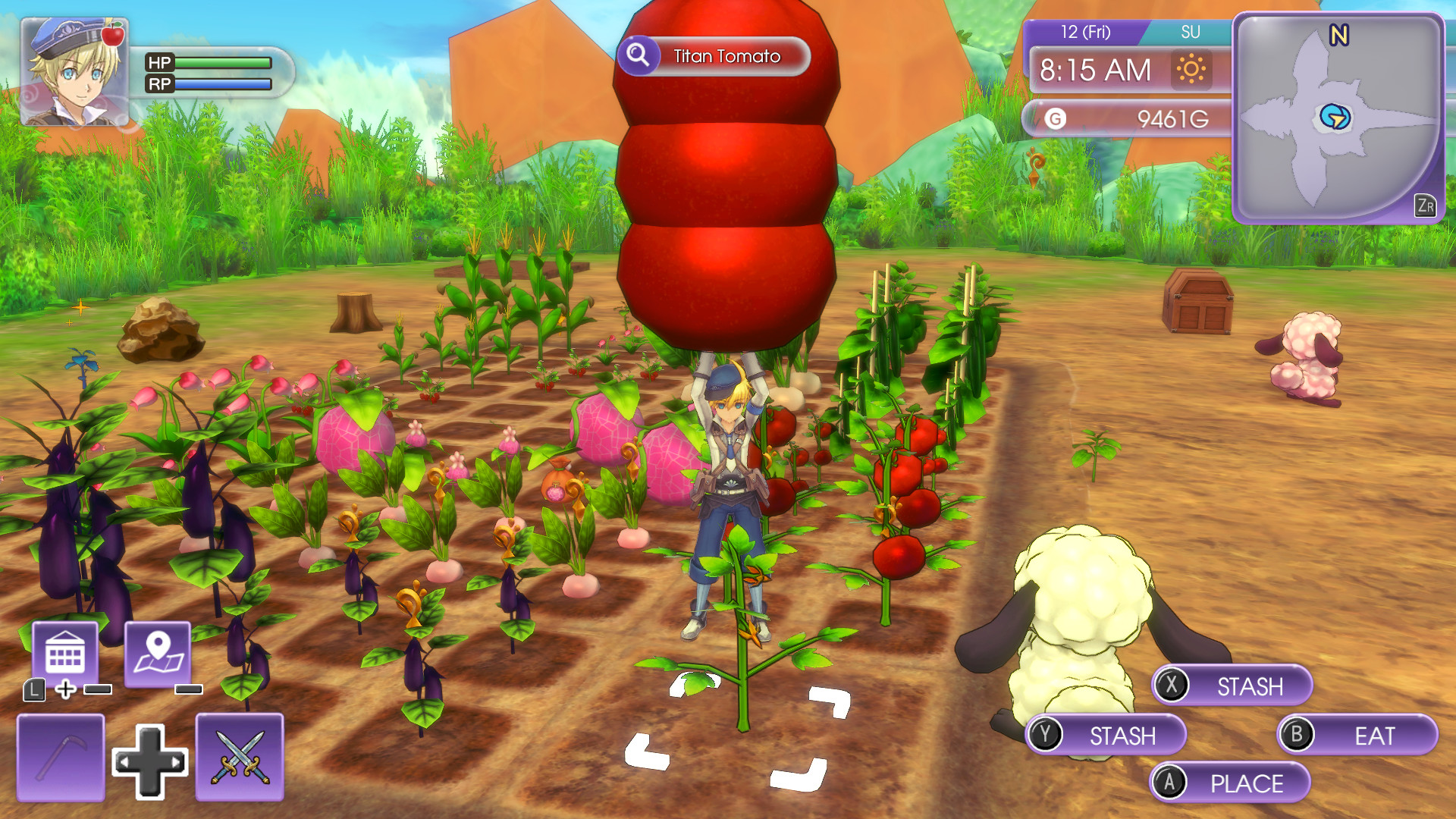
And it gets better: the flower diffuser brings a completely different kind of comfort. Instead of leaning only on visual cuteness, it adds a scent-based experience, which fits the slower side of farm-life fantasy. In Japanese interiors, fragrance goods are common in small apartments and on desks, because they can change the mood without taking up much space. Basically: one item you can carry, one item you can smell, and both carry the Rune Factory vibe.
No joke: this pairing feels very Japanese in the best sense. A plush pouch is functional, a diffuser is atmospheric, and together they turn fandom into daily life. That’s a big part of why Japan’s merch culture stays so strong, especially around game series with a loyal fanbase. Convinced yet?
What this says about Japan game merchandise culture
The first time I went to Japan, I was struck by how often character goods were designed to fit real routines. Not just keychains and figures, but pouches, towels, stationery, and fragrance items that you can actually use. Rune Factory sits neatly in that tradition, because its world already feels domestic in the broadest sense, even with monsters and spells in the mix.

For Japanese learners, this is a good reminder that popular culture vocabulary often travels with objects. Words like 家具 (kagu) for furniture, 香り (kaori, scent; fragrance) for scent, and hana for flower show up everywhere once you start noticing them. For example, a flower diffuser is easy to understand even with basic language skills, and that little win helps when you’re reading Japanese product announcements or browsing official store pages. Highly recommended: train your eye on the nouns first.
What I especially like is that this release doesn’t try too hard to be flashy. It feels calm, seasonal, and very usable, which suits Rune Factory better than a loud, overdesigned collab ever would. If you enjoy Japan’s mixture of practicality and cute design, this is my absolute hidden gem! Personally...
Before you go, remember that merch news like this often gives useful clues about a franchise’s current visibility. When a series gets new lifestyle goods, it usually means the brand still has a healthy fan base and enough recognition to support retail items beyond games alone. That’s useful context if you follow Japanese game culture, or if you just like seeing how a fantasy series settles into real-world shelves.
In pictures


Frequently Asked Questions
What is Rune Factory?
It is a Japanese game series that combines farming, town life, and action RPG combat.
How is it connected to bokujou monogatari?
It began as a spin-off idea rooted in the farming-sim tradition that bokujou monogatari helped define.
Why do Japanese fans like goods like pouches and diffusers?
They are practical, easy to display, and they let fans bring a favourite series into everyday life.