
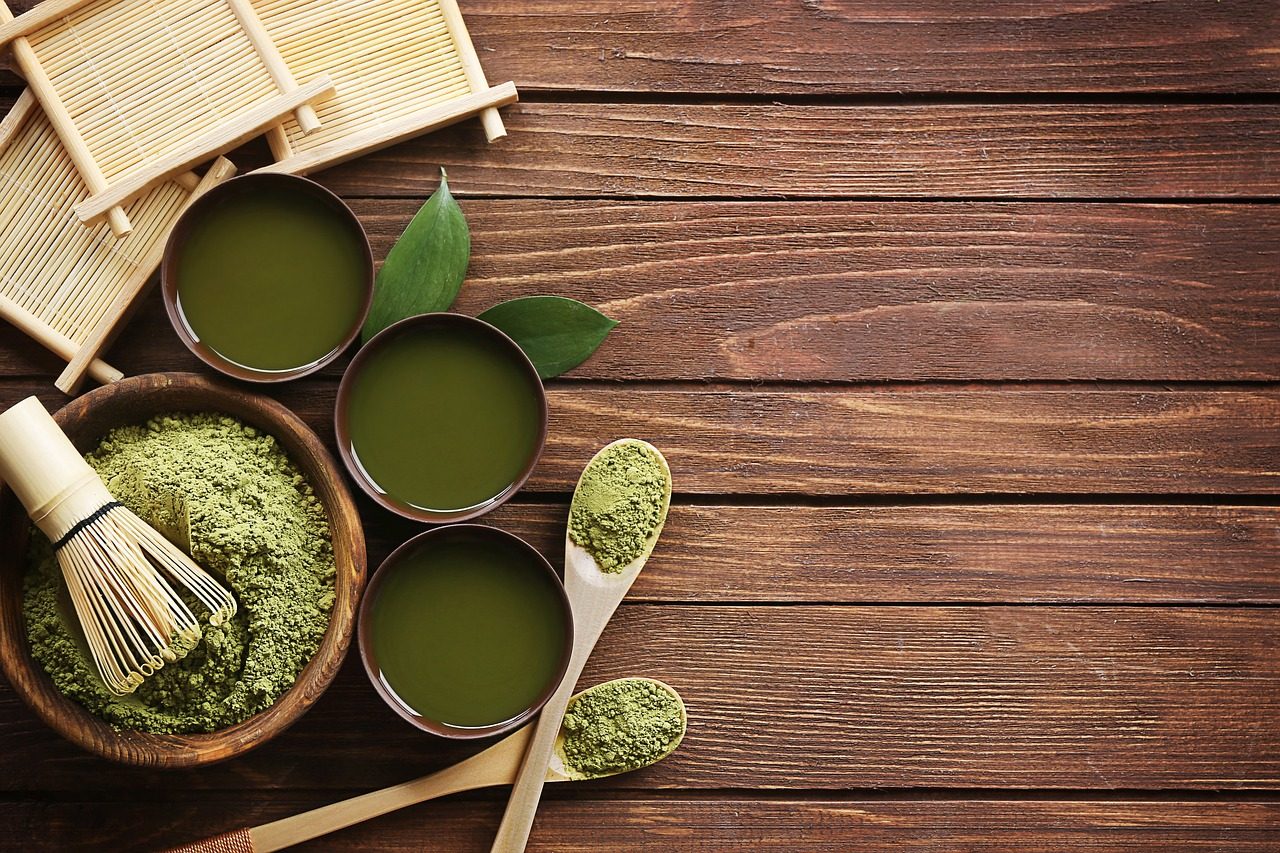
This is a small product change, but it says a lot about how Japanese cafe culture keeps evolving. For Japan fans and language learners, it’s also a useful example of how 抹茶 (matcha, powdered green tea), bar-style service, and imported cafe culture can meet in one cup.
Segafredo matcha is now being sold in selected stores in Japan, and the setup is closer to an espresso counter than a standard tea service. That’s the key point. The drink is made with a CUZEN MATCHA machine, which grinds tea leaves fresh at the counter, right before serving.
No surprise, then, because Segafredo already works in a bar-style cafe format. The new matcha service fits that rhythm well. You order, the drink is prepared in front of you, and the finished cup is handed over quickly. It’s a neat example of how Japanese and Italian cafe habits can meet in one product. Not bad, right?
What Segafredo is doing with matcha in Japan
The important detail is that this isn’t ordinary powdered matcha mixed ahead of time. The tea is ground fresh with the CUZEN MATCHA machine, so the drink is prepared just before you drink it. That matters for aroma, colour, and texture. Freshly ground matcha usually keeps a brighter green tone and a cleaner finish than tea that’s been sitting around after mixing.
By the way, if you’re learning Japanese, matcha is written 抹茶 and pronounced matcha. The word itself is common, but the service style here is what makes the story interesting. Segafredo is borrowing the speed and presentation of espresso service, then applying it to a Japanese tea drink. My tip: notice how often Japanese cafe language borrows from global bar culture, then gives it a local twist. Personally...
Why the CUZEN MATCHA machine matters
A good example of the setup is the CUZEN MATCHA machine itself. Instead of using pre-blended powder, the machine grinds tea leaves on demand. That gives Segafredo a more made-to-order image, which is important in a cafe setting where customers can watch the preparation.
Fresh grinding changes the drink
The best part is that the drink isn’t sitting in a shaker or jug before service. It’s made after you order it. That usually helps with freshness, and it also makes the process feel more premium, which is exactly the kind of detail cafe chains use to justify a special menu item. If you’ve ever watched a barista pull an espresso shot, you already understand the appeal. The tea version uses a similar sense of timing and theatre.
Quick detour: this also gives Japan language learners a nice vocabulary contrast. Espresso is usually written エスプレッソ, while cafe-style tea drinks are often described with words like fresh, made to order, and served at the counter. These are useful terms to recognise on menus, especially in Tokyo and other major cities where international cafe menus are common. Sounds good, right?
Italian bar culture meets Japanese matcha
Picture this: a Segafredo cafe in Japan, a machine grinding tea on demand, and a drink that looks more like a specialty beverage than a traditional tea service. That combination explains why this launch is getting attention. Segafredo is an Italian-origin brand, so the matcha menu item isn’t trying to be a tea house product. It’s trying to be a cafe product, with matcha as the main ingredient.
I still remember how often Japanese cafes use format as much as flavour to sell a drink. Here, the format is clear. Fast counter service, visible preparation, and a product that feels fresh. For customers, that makes the difference between a generic matcha drink and something that feels thoughtfully built. It also shows how Japanese food and drink businesses often adapt global ideas instead of copying them as-is.
Before I forget, this kind of setup is useful to watch if you’re learning how Japanese cafe menus are written. Terms like arata ni tachi, or more simply, words meaning fresh and prepared on the spot, often appear in promotional copy. You may also see service language that stresses order, speed, and craftsmanship. That combination is part of the appeal. See what I mean?
Where you can buy it and why it matters
Segafredo is selling this matcha drink only in selected stores in Japan, so it’s not a nationwide standard menu item. That limited rollout matters. It suggests a test case, not a permanent mass-market drink. Chains often start this way when they want to see how customers react before expanding to more locations.
For Japan watchers, this is a small but useful sign of where cafe culture is going. Matcha is no longer limited to 和菓子 (wagashi, traditional Japanese sweets) shops, tea rooms, or traditional tourist menus. It’s now appearing in coffee chains, with product design that borrows from espresso service. That shift is practical, not flashy. It gives customers something familiar in a format they already know how to order.
Highly recommended: pay attention to these small menu experiments if you’re studying Japanese life through food. They tell you how brands think, how customers order, and how traditional ingredients keep moving into new settings. If you’re in Japan and spot this drink, try it with that in mind. You’re not just tasting matcha, you’re seeing how cafe culture is being reworked in real time. Personally...
Frequently Asked Questions
What makes this matcha different from regular matcha drinks?
It is ground fresh with a machine before serving, rather than being mixed from standard powder in advance.
Where is Segafredo selling it?
It is being offered only in selected stores in Japan, not across the full chain.
Why is this interesting for Japan fans?
It shows how Japanese matcha and Italian cafe culture can meet in a modern, bar-style format.


