
It’s a neat little bridge between Japanese tea culture and regional sweets, and the timing matters too, because this is a limited-run event. If you like trying seasonal food before it disappears, this one deserves a spot on your list.
Hilo Hawaiian Donut x ITSUTSU 抹茶 (matcha, powdered green tea) sounds like a straight-up snack crossover, but it’s more interesting than that. This limited pop-up brings together Hilo Hawaiian Donut, known for its fluffy malasada-style treats, and ITSUTSU MATCHA, a matcha-focused brand with a strong eye on Japanese tea culture. The result is a dessert moment that feels playful, but still grounded in real regional ingredients.
For Japanese learners, this is also a nice reminder that food vocabulary in Japan often tells a story. Words like 一番茶 (ichibancha, first flush tea), matcha, and pop-up sale turn up everywhere in menus and event posts. Once you start spotting them, reading Japanese food news gets a lot easier. Sounds good, right?
ITSUTSU MATCHA and the appeal of Yame ichibancha
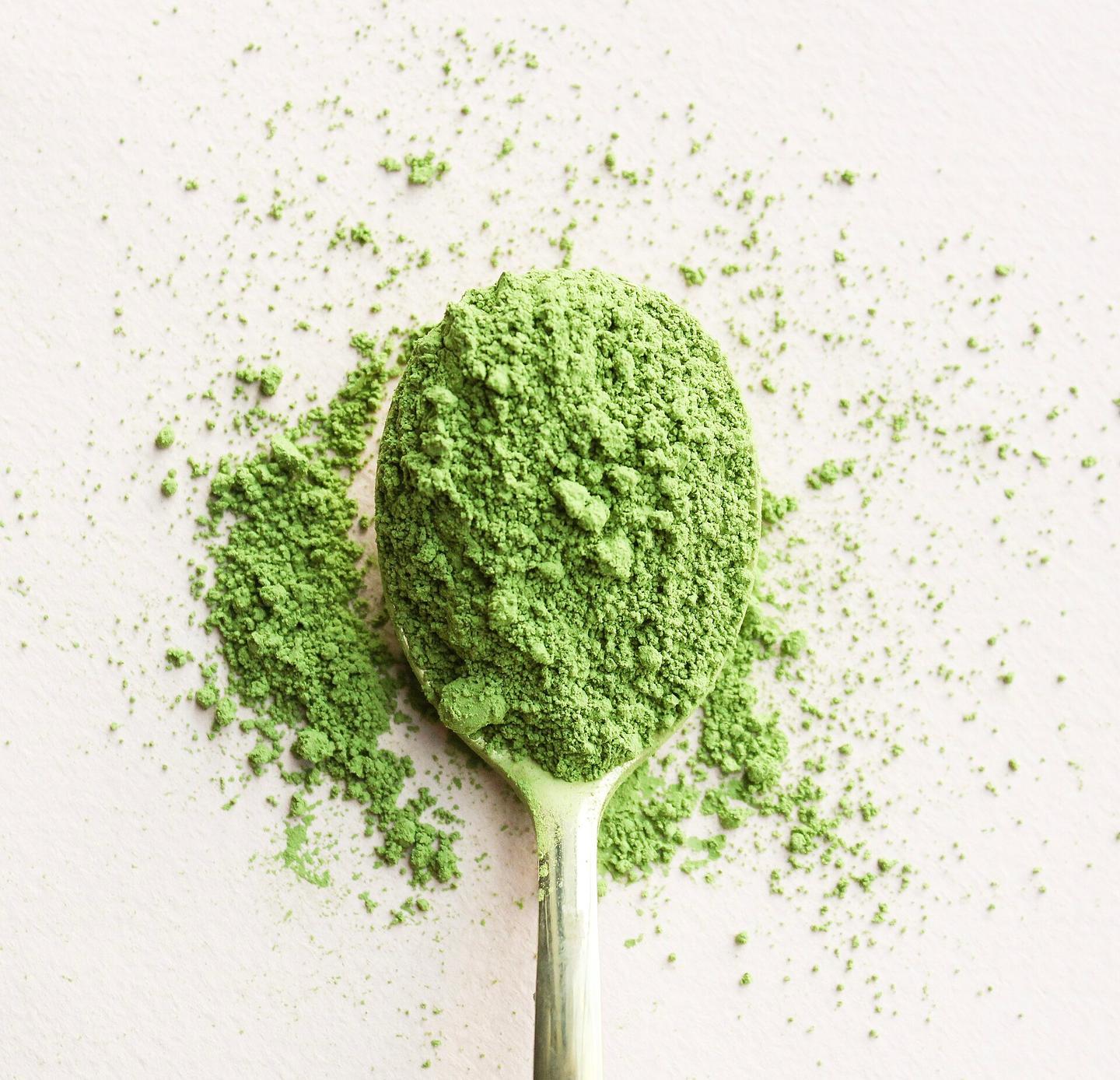
Why does this collab matter? Because the tea side isn’t just there for colour, it’s built around Yame-Ichibancha, a first-flush green tea from Yame in Fukuoka Prefecture. First flush tea, or ichibancha, is picked in spring, and it’s prized for its fresh aroma and clean, layered bitterness. That seasonal feel fits the dessert perfectly.
Yame is already one of Japan’s best-known tea regions, especially for 玉露 (gyokuro, premium shaded green tea), but its 煎茶 (sencha) and ichibancha deserve attention too. When a brand like ITSUTSU MATCHA highlights a regional tea instead of generic matcha powder, it gives the drink or dessert more character. My tip: if you see Yame tea on a menu, try it before the flavour gets buried under syrup or whipped cream. Wait, there’s more.
What matcha fans should notice
Unlike what we’re used to with everyday convenience-store sweets, this kind of collaboration usually puts origin front and centre. The tea isn’t just a topping, it’s part of the concept. That means a slightly more astringent, grown-up taste, and that’s exactly what balances a sweet malasada-style dough. Classic Japan, isn’t it?
For learners, this is a useful phrase to remember: 茶の味 (cha no aji) means tea flavour, while 紅茶 (kocha) means black tea and matcha means powdered green tea. You’ll see these words constantly in seasonal campaigns, café signs, and event pages. Once you know them, browsing Japanese food content feels much less intimidating. Sounds good, right?
Hilo Hawaiian Donut brings the malasada connection
Take Hilo Hawaiian Donut, for instance. The brand leans into Hawaiian-style malasadas, which are basically sugar-dusted yeast donuts, soft inside and crisp outside when freshly fried. That texture is the whole point. Compared to back home, where many donuts sit around and soften, a fresh malasada has more of a live-from-the-kitchen energy.
That matters in a tea collaboration, because the donut needs enough structure to stand up to matcha cream or tea glaze. If it’s too heavy, the pairing feels dull. If it’s too light, the tea overwhelms it. Here’s the deal: the best versions keep a little chew, a little air, and just enough sweetness to let the matcha speak.
And it gets better: this is exactly the kind of dessert Japanese pop-up culture does well. Japan loves limited-time sweets, regional tie-ins, and short seasonal runs. You’ll see that in station kiosks, department store basements, and mall event corners all the time. No joke: the clock is part of the appeal.
Why this pairing works so well
The sharpness of matcha cuts through fried dough, while the donut’s sugar softens the tea’s edge. That push and pull is why green tea and sweets are such a classic combination in Japan. If you’ve ever had wagashi with sencha, the logic will feel familiar, just a little more modern and snacky.
By the way: if you’re studying Japanese, the word for collaboration is korabo, short for collaboration, and you’ll hear it everywhere in food, fashion, and game marketing. This event is a textbook korabo, with both sides bringing something recognisable to the table. Wild, isn’t it?
Befriended by the calendar: the limited pop-up sale
Here’s the deal: the event is a befristeter pop-up verkauf, which means you can’t treat it like a permanent café menu. Limited-time sales create urgency, and Japanese shoppers know that feeling well. If something is only available for a few days or weeks, people move fast, especially when it involves tea from a respected region and a popular donut brand.
Seasonal pop-ups also fit the rhythm of Japanese shopping culture. Department stores, mall event spaces, and local food halls often rotate vendors, so the lineup changes constantly. For fans on the ground, that keeps things exciting. For learners, it’s a good excuse to read event announcements, practise kanji for dates, and get used to words like kikan gentei, which means limited period.
Let’s be honest: that limited-window energy is half the fun. You’re not just buying dessert, you’re catching a moment. And if you miss it, you’ll probably see photos online and promise yourself you’ll be faster next time. Insider tip: Japanese event pages often list starting dates, ending dates, and sales times in very small print, so double-check before you go. Sounds good, right?
What I especially like is how this collab doesn’t try too hard to be flashy. It relies on two things Japan does very well, regional pride and seasonal sweets. That’s a strong combo, and it makes the whole release feel rooted, not random. My verdict:
If you’re in Japan and you spot Hilo Hawaiian Donut x ITSUTSU MATCHA, treat it like a short-lived food event worth detouring for. The Yame ichibancha angle gives it depth, the malasada side gives it comfort, and the pop-up format gives it urgency. For Japan fans, that’s a pretty satisfying trio.
For more updates like this, check out more Japan news on jpnerd.com.
Frequently Asked Questions
What is Hilo Hawaiian Donut x ITSUTSU MATCHA?
It is a limited collaboration between a Hawaiian-style donut brand and a matcha-focused brand, featuring Japanese green tea flavours.
What makes Yame ichibancha special?
Yame ichibancha is an early spring tea from Fukuoka Prefecture, known for its fresh taste and clean aroma.
Is the sale permanent?
No, it is a limited-time pop-up sale, so availability depends on the event period.


