What I especially like is how SEGA keeps these updates compact but packed, so you get new reveals, franchise momentum, and a quick pulse check on where the company is heading next. Wild, isn’t it?
![Dragon Ball Z: Kakarot [Master Edition]](https://s.pacn.ws/1/p/1eh/dragon-ball-z-kakarot-master-edition-908785.1.jpg?v=t8ja8t&width=400)


SEGA Checkpoint July 2026 lands like a neat little akihabara haul, small at first glance, then suddenly packed with stuff you want to inspect twice. For Japan fans, that mix matters, because SEGA’s always sat right at the crossroads of arcade culture, home consoles, and the modern anime-game scene. Trust me on this one: when SEGA drops a monthly update, it usually says as much about the company’s wider strategy as it does about the individual games.
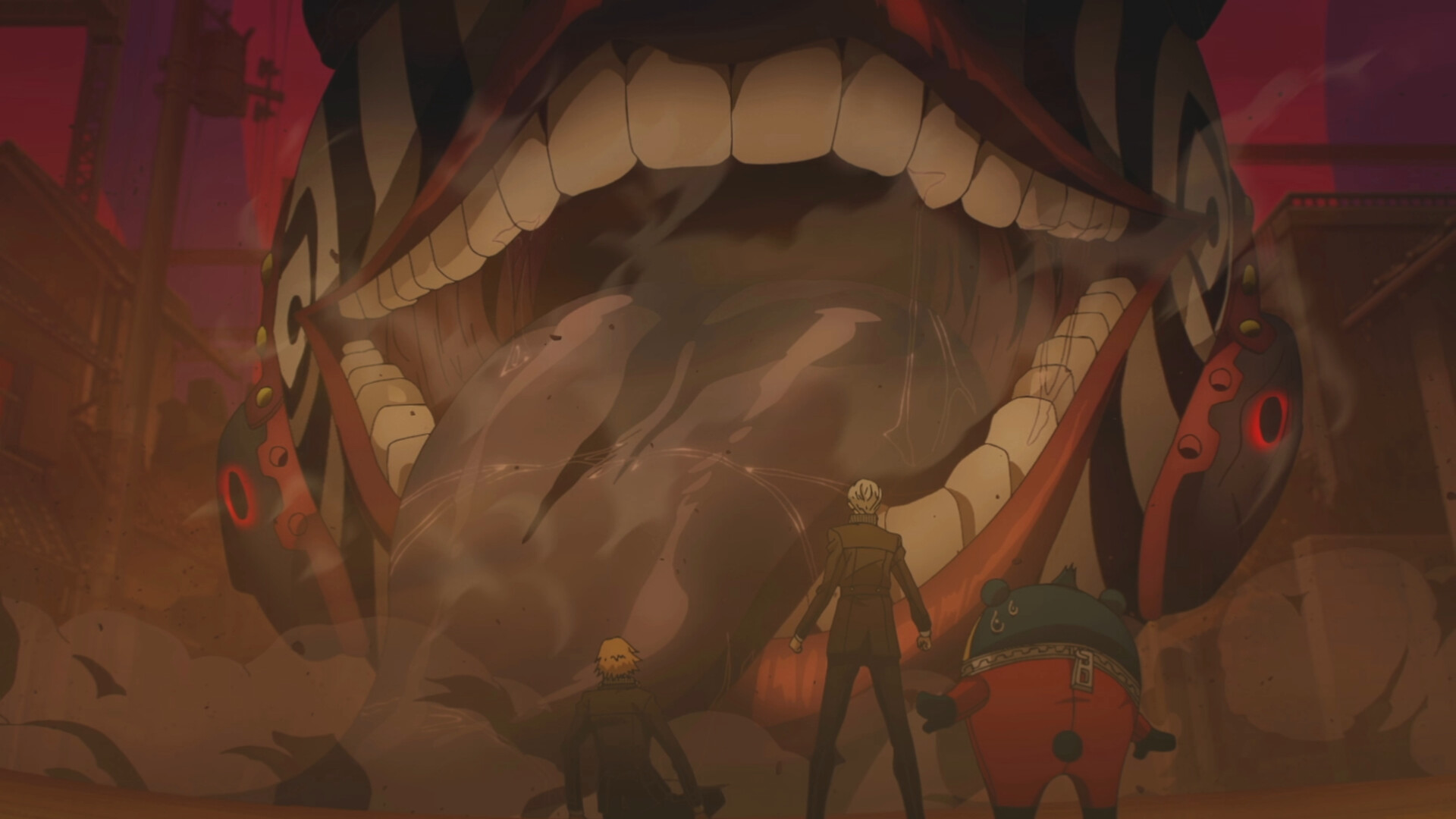
SEGA Checkpoint July 2026: the monthly pulse for Japan gaming fans
SEGA’s July 2026 Checkpoint works as a roundup, not just a trailer reel. That means the company can bundle several announcements into one update, keep the pacing brisk, and still give each project a proper spotlight. Compared with back home, where some publishers stretch news across separate posts and livestreams, this style feels very Japanese, tidy, efficient, and just a little bit ceremonial.
Here’s the catch: monthly updates like this aren’t only for hype. They help SEGA frame its brands around a wider fan ecosystem, from Persona players to action-RPG crowds and people who still remember the glow of classic arcade cabinets. If you’re learning Japanese, this is also a handy reminder of how gaming news often uses short, punchy language, like 新作 (shinsaku, new work; new release) for new work, 告知 (kokuchi, announcement; notice) for announcement, and 販売 (hanbai, sale; selling) for release or sale. See what I mean?
And it gets better: SEGA’s branding in these updates tends to lean into a mix of nostalgia and forward motion. That balance is very Japan-coded, especially for a company that has spent decades moving between the arcade, the Dreamcast legacy, and today’s global RPG spotlight. Convinced yet?

Persona 4 Revival gets a Chie Sizzle update
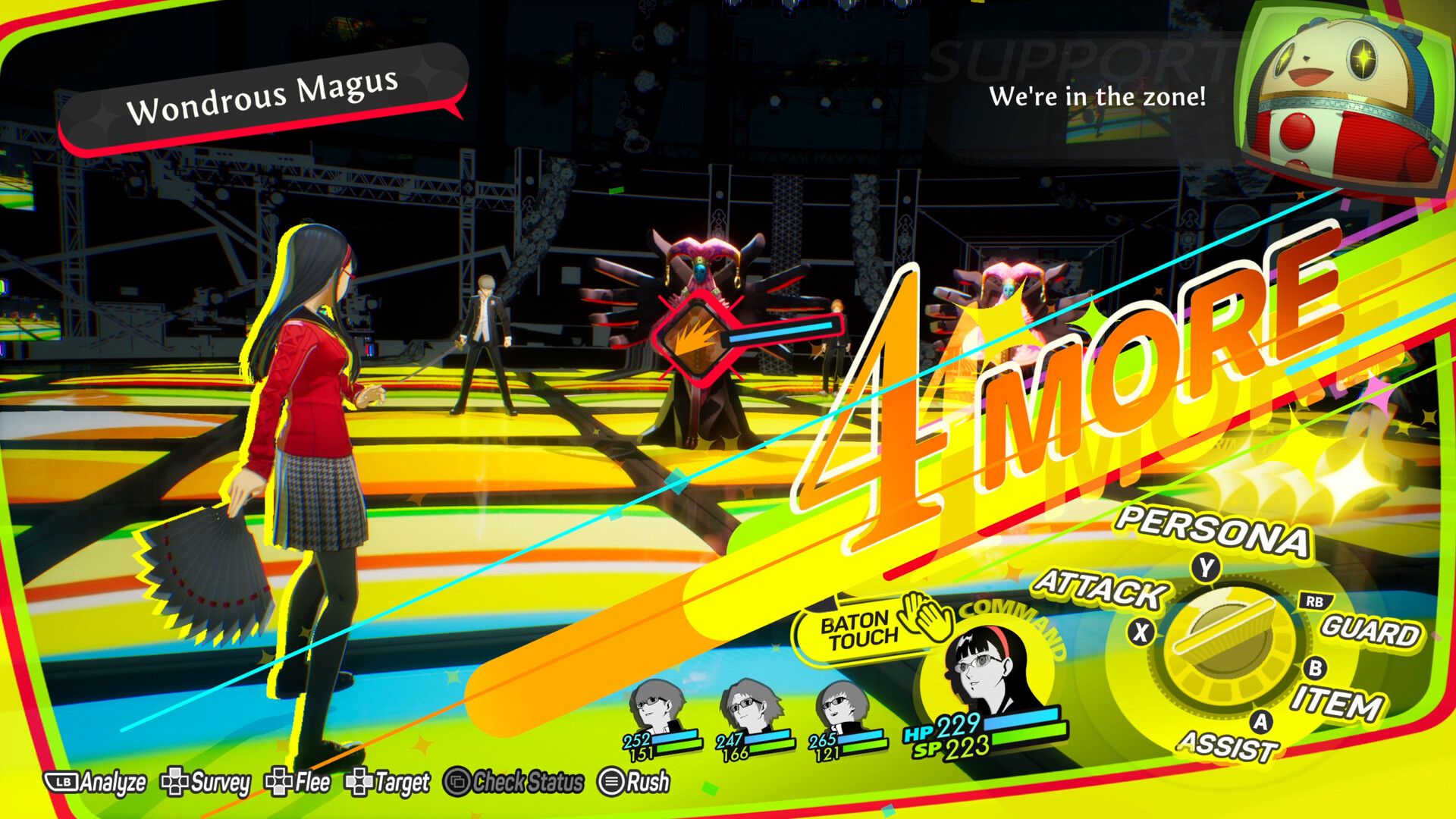
Guess what? The biggest draw for many readers is Persona 4 Revival, and this month’s update gives Chie Satonaka the attention she deserves. The phrase Chie Sizzle is exactly the sort of fan-facing tease that works so well for Persona, because Chie’s always been one of the series’ most energetic characters, equal parts goofy charm and brute-force confidence.
For example, Chie’s appeal has been clear since Persona 4 first arrived on PlayStation 2 in 2008. She isn’t the quiet, brooding type, and that’s the point. Her love of kung fu movies, her food obsession, and her loud, fearless personality made her a fan favourite in Inaba, and she stayed popular through Persona 4 Golden on PlayStation Vita in 2012 and later ports. Sounds weird, but it’s true: a character who can sell both comedy and combat is gold for this kind of revival campaign.
Why Chie still matters in 2026
Unlike what we’re used to with some remakes, Persona 4 Revival doesn’t need to reinvent Chie from scratch, it needs to make her feel alive again for a new hardware era. That means better animation, sharper timing in battle, and enough personality in the visuals that her trademark energy comes through instantly. My tip: if you want to understand why Persona remains such a huge name in Japan and abroad, watch how SEGA and Atlus handle one supporting cast member in promo material. That tells you a lot.
Seriously though: Chie’s role also helps anchor the game’s broader tone. Persona has always mixed school life, supernatural mystery, and social links with a very specific Japanese setting, small-town streets, rainy afternoons, bicycle commutes, and after-school hangs that feel grounded even when shadows and dungeons enter the picture. That’s a big reason Japan learners keep circling back to Persona, because the dialogue often reflects real everyday speech patterns, from casual 大丈夫 (daijoubu, okay; fine; no problem) to more polite lines depending on the scene. Personally... that mix of slice-of-life and fantasy is what keeps the series so replayable.

Multiple announcements make the July update worth watching
Besides Persona 4 Revival, SEGA packed this Checkpoint with several announcements, and that matters more than people sometimes think. A single update can move community conversation in a way three separate posts won’t, because fans connect the dots faster. No joke: when a publisher stacks reveals in one place, it creates momentum, and momentum sells attention.
By the way: this is also where SEGA’s event structure feels very different from a standard Western press release. The company can tease, confirm, and reframe all at once, while giving players a clear content lane to follow. For example, one announcement might speak to old-school SEGA loyalists, another to RPG fans, and another to people who just like seeing where Japanese game branding is headed next. That cross-pollination is the good stuff.
From a Japan perspective, this kind of update also reflects how media ecosystems work around the big gaming hubs. Tokyo remains the obvious centre, but the influence spills out across streaming, anime fandom, and fan communities worldwide. If you read enough Japanese game news, you’ll start noticing the rhythm, first the teaser, then the character spot, then the fan discussion wave. Wild, isn’t it?
Why this SEGA roundup hits harder than a normal news drop
What makes the July 2026 SEGA Checkpoint stand out is not just the amount of news, it’s the framing. SEGA knows that Persona 4 Revival will pull eyes, but it also uses that headline energy to shine a light on the rest of its pipeline. That’s smart publishing, and it keeps the update from feeling like a one-game commercial.
Compared with back home, where big franchise news can sometimes feel over-edited or too corporate, this roundup has a more fan-readable rhythm. You can feel the overlap between nostalgia, product strategy, and character love. If you’re a Japan enthusiast, that’s the sweet spot, because it shows how game companies in Japan talk to fans without losing the personality of the brand. See what I mean?
What I especially like is how this month gives both veteran players and newer learners something to grab onto. Veterans get the franchise signal, while learners get useful real-world context for how Japanese game marketing packages information. Kokuchi, 紹介 (shoukai, introduction; spotlight), and 日本風 (nihon fuu, Japanese-style) presentation styles all show up here in spirit, even if the English coverage smooths them out. Convinced yet?
Basically: if you care about SEGA, Persona, or Japan’s wider gaming culture, July 2026 is one of those months worth bookmarking. The Persona 4 Revival spotlight alone would be enough to start discussion, but the extra announcements make the update feel like a proper checkpoint, not just a teaser dump. And honestly, that’s what makes it fun to follow.
In pictures

Frequently Asked Questions
What is SEGA Checkpoint?
It is SEGA's monthly news roundup, used to share game updates, reveals, and franchise spotlights.
Why is Persona 4 Revival getting so much attention?
Because Persona 4 is a major fan favourite, and the revival update brings fresh life to a very popular game and cast.
Is this useful for Japanese learners?
Yes, because game news often uses everyday vocabulary, character-focused wording, and cultural references that are easy to connect with real Japanese media.