

If you’ve been following Bleach for years, you already know the franchise doesn’t do subtle. But this new opener has something better than subtlety: intent. It wants you to feel the scale of the Thousand-Year Blood War, then immediately understand which part of that war you’re stepping into.



BLEACH has dropped a new non-credit opening for the 千年 (Sennen, thousand years) 決戦 (kessen, decisive battle; final battle)-篇 (hen, arc; chapter; part): Kakan-hen arc, and that matters more than it might sound at first glance. A non-credit opening is, in theory, just the clean version without text overlays. In practice, it’s the production saying, “No distractions, look at the craft.” And here, that confidence is doing a lot of heavy lifting.
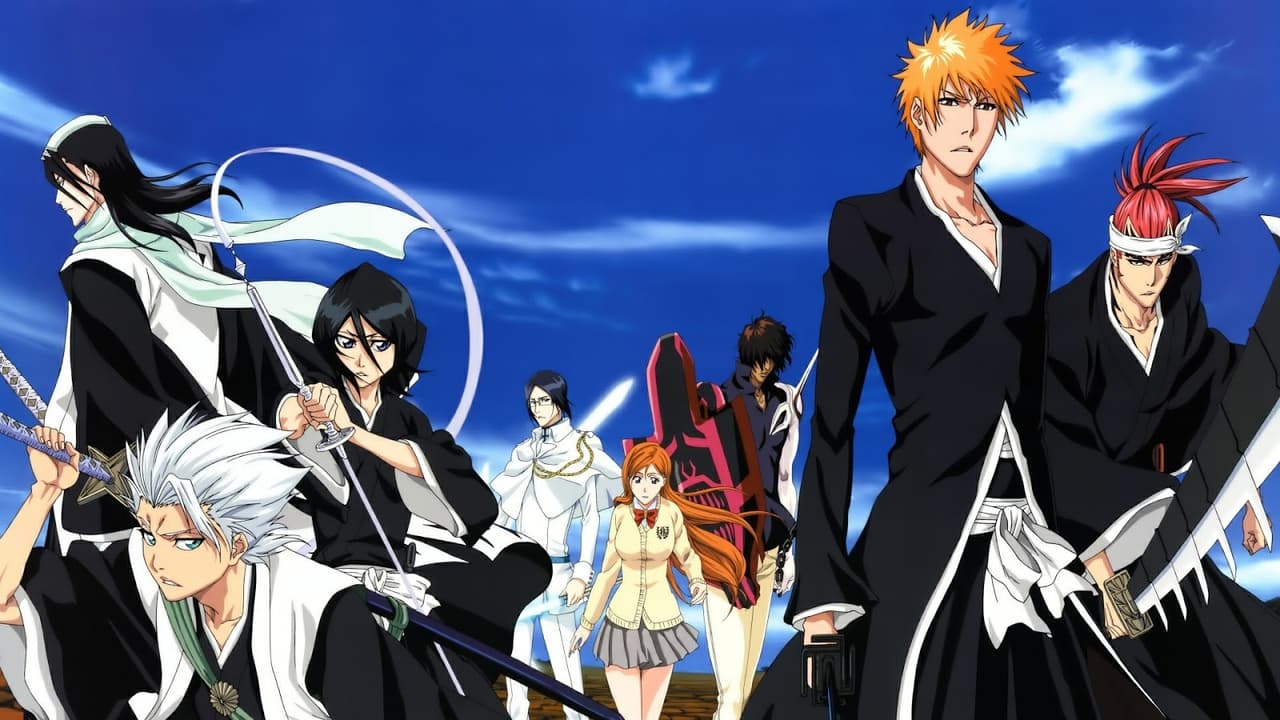
The new opening arrives as part of the TV anime Bleach: Sennen Kessen-hen, the long-awaited adaptation of the final manga arc by Tite Kubo, animated by Pierrot. If you’ve been tracking anime production over the last few years, you’ll know this isn’t just another seasonal upload. It’s a promotional object, a mood piece, and an arc marker all at once. That’s the interesting part. It’s not selling the whole series in general terms, it’s selling a very specific chapter of the story.
BLEACH and the logic of the non-credit opening
Here’s the thing: non-credit openings are one of the cleanest ways to judge how much faith a studio has in its own visual identity. Strip out the names, the staff credits, the legal clutter, and what’s left is the raw rhythm of the sequence. If the cuts still land, the composition still reads, and the timing still breathes, then the opener wasn’t depending on typography to feel finished. That’s the test.
In the case of BLEACH, that test matters even more because the franchise has always understood presentation. The series built its reputation on sharp silhouettes, fashion-forward character design, and a soundtrack that knew when to swagger. This new opening continues that tradition, but with the heavier, more militarised atmosphere of the Thousand-Year Blood War era. The result feels less like a nostalgic callback and more like a polished statement of purpose. Simply brilliant.
Why this specific release stands out
Let me show you why this matters for fans and learners alike. Arc-specific openings are a very Japanese kind of signalling. The title itself, Sennen Kessen-hen: Kakan-hen, tells you this isn’t random branding, it’s organised storytelling. Sennen means thousand years, kessen means decisive battle, and hen is the familiar word for arc or chapter. If you’re studying Japanese, this is a neat example of how anime titles compress lore, structure, and marketing into a few 漢字 (kanji, Chinese characters).

Before I forget: the non-credit version also makes the visual direction easier to study. You can watch the shot progression without being pulled out by superimposed text, which is especially useful if you’re trying to figure out how anime openings build momentum. Look at the pacing, then the editing rhythm, then the way the key characters are framed. That’s where the production intent lives, not just in the obvious splashy moments.
Sennen Kessen-hen: Kakan-hen and what it signals
For context, Bleach: Sennen Kessen-hen first aired in 2022 as the anime adaptation of the final manga storyline. The anime was structured in parts, and Kakan-hen is one of those arc-specific instalments, continuing the final war against Yhwach and the Wandenreich. That’s not a small narrative beat, it’s the central conflict of the entire endgame. No wonder, because the production has to make every new visual release feel like an event rather than a routine update.
What I especially like is that the opener doesn’t try to pretend this is a fresh start. It knows the audience already carries history here, so it leans into escalation instead of exposition. That’s a smart move. Anime marketing too often explains itself to death, then acts surprised when the audience tunes out. BLEACH does the opposite, it assumes you’re already on board, and then it rewards that assumption with a cleaner, sharper presentation.
Japanese learning angle: useful arc vocabulary
If you’re learning Japanese, this is a good little vocabulary pocket to keep around. Arc becomes hen, battle becomes kessen, and blood becomes 血 (ketsu, blood). Put together, the title gives you a very anime-native naming style, where a story arc sounds like a military campaign. Classic Japan, isn’t it?

I still remember how often shonen titles rely on this kind of compressed phrasing. It’s efficient, dramatic, and oddly elegant. If you can read even a little Japanese, you start noticing how often media titles and episode names work like miniature code, one that tells fans where the story sits without wasting a single syllable. My tip: whenever you see a title like this, break it into parts. You’ll learn more than you expect.
What the official music video changes
Here’s where it gets interesting. A non-credit opening isn’t the same thing as a random clip upload, because it gives the sequence a second life as an official music video. That matters in a franchise like BLEACH, where songs and visuals are part of the brand memory. Fans don’t just remember fights, they remember how those fights were introduced, framed, and musically underlined.
For the viewer, that means the opener has to do two jobs. First, it has to function as a standalone piece of animation. Then it has to work as promotion for the current arc. If either side fails, the whole thing feels like packaging. Here, the balance is strong. The imagery carries weight, the song drives it forward, and the sequence respects the audience’s intelligence. I’ll take that over empty spectacle any day.
For learners, this is also a nice reminder that Japanese media often blurs categories we separate in English. Is it an opening? A promo? A music video? The answer is yes, and that flexibility is part of the industry’s charm. You’re not just watching a TV title sequence, you’re watching a carefully designed artefact of franchise management. That sounds dry, but the result can be deeply, genuinely satisfying when the craft is good.
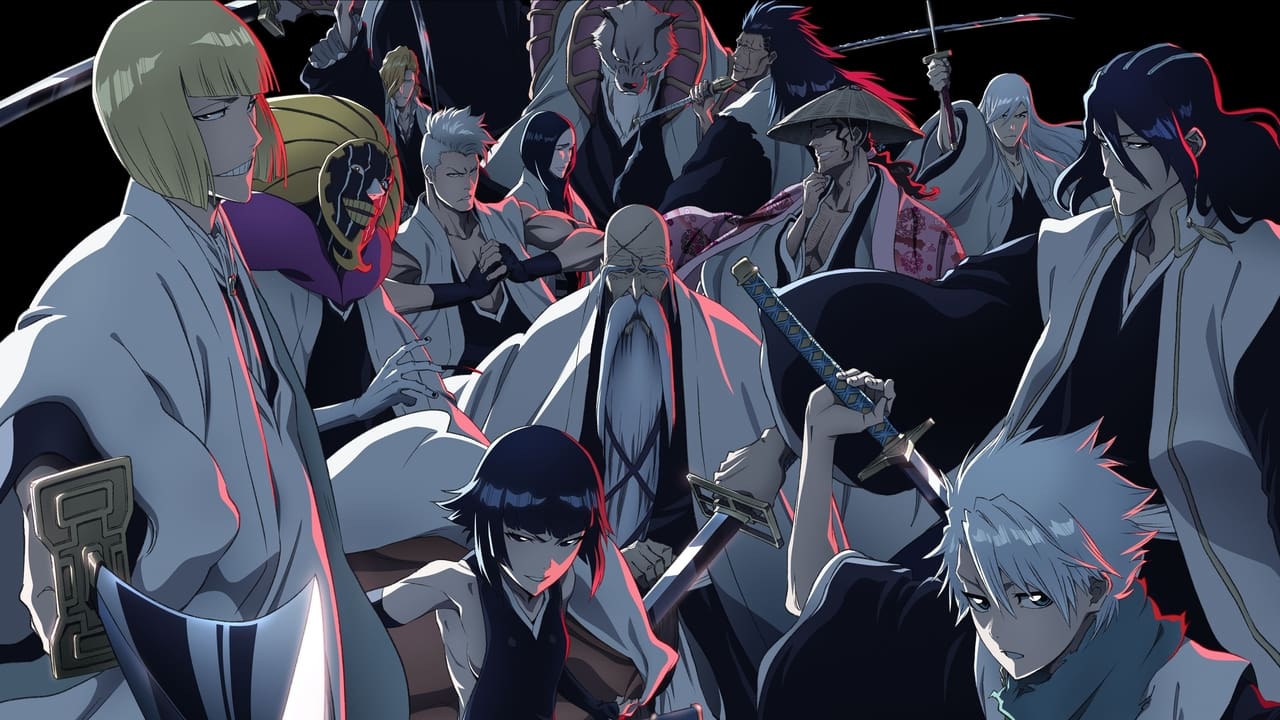
Why BLEACH still knows how to make an entrance
Unlike what we're used to from many long-running series, BLEACH doesn’t coast on legacy alone. It keeps finding ways to package the same property with enough precision that it feels current. That’s harder than it sounds. A franchise can survive on nostalgia for a while, sure, but eventually the audience notices when the production is phoning it in. BLEACH isn’t phoning it in here.
The new non-credit opening proves the staff understands the value of specificity. They’re not offering a vague “here’s more BLEACH” gesture. They’re saying, “Here’s Kakan-hen, here’s the tone, here’s the visual identity, and here’s the official music video version of that promise.” That level of focus is why the release lands. It’s not merely loud, it’s targeted. From my experience, that’s the difference between hype and control.
If you want the source material and the current anime era side by side, this is exactly the kind of release worth paying attention to. It’s a small thing on paper, a non-credit opening, but in practice it’s a compact lesson in how anime marketing, adaptation identity, and production polish can all reinforce each other. That’s the good stuff.
In pictures

Frequently Asked Questions
What is a non-credit opening?
It is the opening sequence without text overlays such as staff credits or titles, so you can watch the animation cleanly.
What is the Thousand-Year Blood War arc?
It is the final major story arc of BLEACH, adapted in the TV anime as a multi-part project.
Why do fans care about this release?
Because it shows how the current arc is being presented, and it gives the opening a second life as an official music video.

