Beppu on Kyushu has a long-standing reputation as Japan’s onsen hotspot, but Hyotan Onsen stands out because it feels like a proper bathhouse, not some generic spa with a token rock garden. That’s why it’s worth a closer look.
Ever wondered why some onsen feel memorable before you even step into the water? Hyotan Onsen in Beppu has that effect, and it starts with the fact that the bath uses 100 percent free-flowing natural spring water, or 掛け流し (kakenagashi, free-flowing, non-recirculating hot spring water) in romaji. No recycling, no half-measures, just hot spring water coming in and flowing out again.
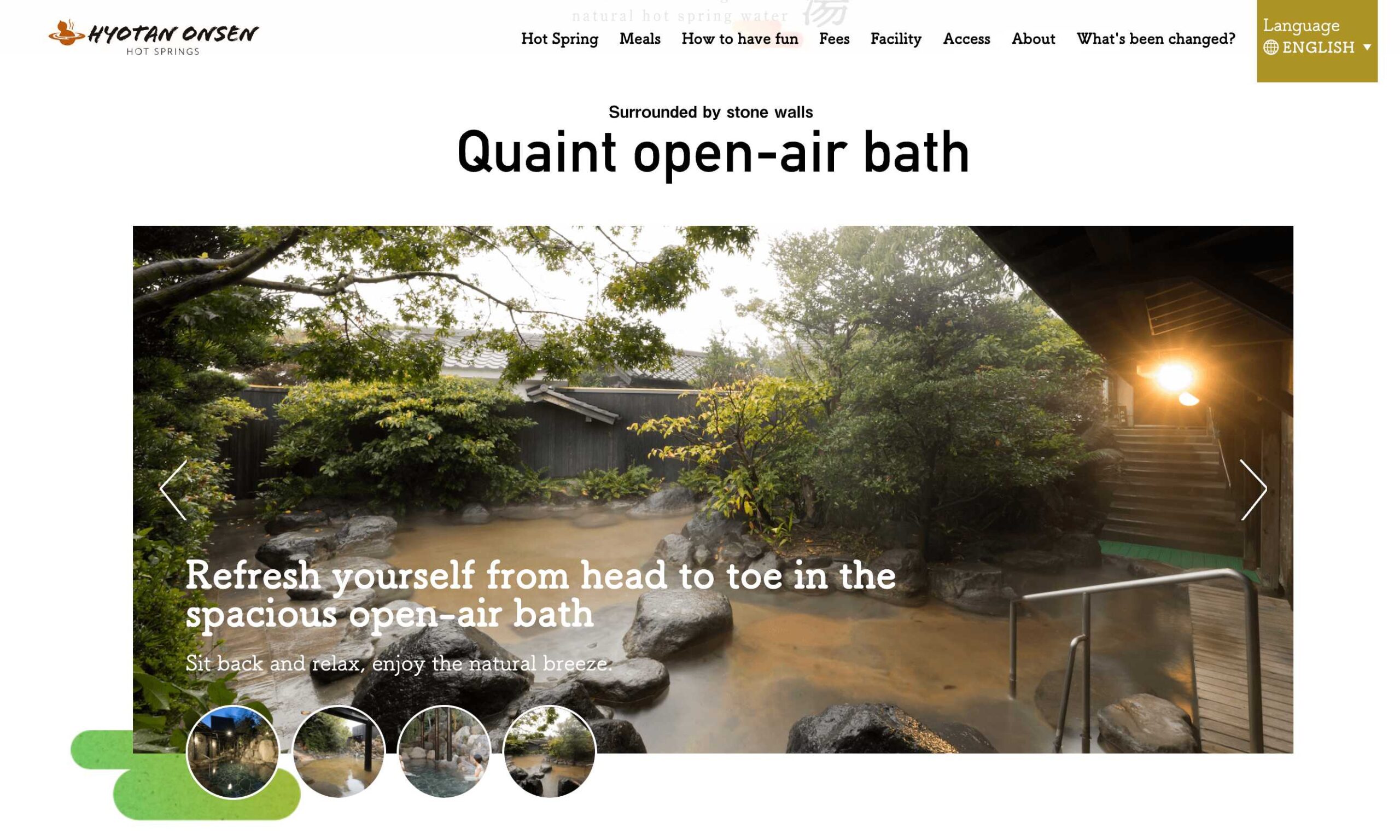
For Japan fans and language learners, that detail matters more than it sounds. Terms like onsen, 露天風呂 (rotenburo, open-air bath), and kakenagashi aren’t just travel words, they point to a whole bathing culture built around source quality, freshness, and respect for the water. No wonder, because when the water is this fresh, the experience feels far more alive.
Hyotan Onsen in Beppu and the appeal of kakenagashi
Beppu, on the eastern side of Kyushu, is one of Japan’s most famous hot spring cities. The city reportedly has around 2,000 hot spring sources and one of the highest volumes of thermal water in the country, which is wild, isn't it? That abundance is exactly why Beppu has become synonymous with onsen travel.
Hyotan Onsen fits neatly into that reputation, but it doesn't just rely on location. The bath is known for its kakenagashi system, meaning the water is continuously supplied from the source and sent away after use. Hand on heart: that’s the kind of setup many onsen lovers actively seek out, because it suggests cleaner, fresher bathing conditions and a stronger sense of place.
Unlike what we're used to at modern spas, where everything can feel polished to the point of being interchangeable, Hyotan Onsen keeps the focus on the bath itself. The result is less about luxury branding and more about a real Japanese bathhouse atmosphere. Personally, that's exactly what I want when I travel for onsen.
Why Beppu is Kyushu’s onsen hotspot
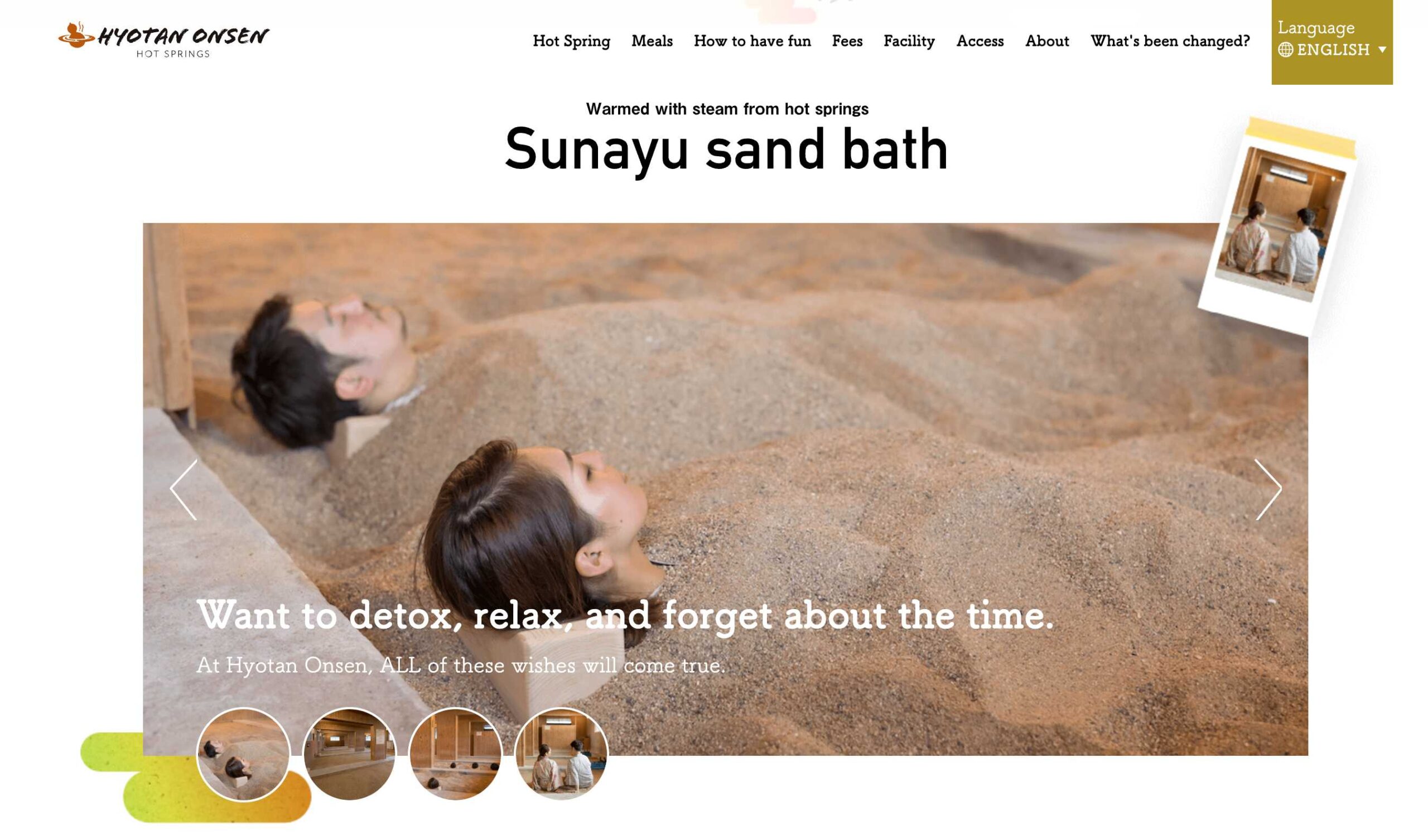
Let me show you why Beppu is such a heavyweight in onsen culture. The city is often grouped with nearby Yufuin and Kurokawa Onsen when people talk about Kyushu bathing trips, but Beppu has a different energy. It’s bigger, busier, and packed with bathing options, from public baths to steam baths and large-scale facilities.
Speaking of which, Beppu is famous not only for bathing, but also for the “hells” or 地獄 (jigoku, hell; hot spring "hell" sight), the hot spring viewing spots where visitors see dramatic pools and steaming vents rather than soak in them. That mix of spectacle and everyday bathing is classic Japan, isn't it? You can spend the morning sightseeing, then spend the afternoon actually entering the hot water yourself.
For learners, Beppu is also a handy place to pick up practical vocabulary. You’ll hear words like 入浴 (nyuyoku), meaning bathing, and 混浴 (konyoku), meaning mixed bathing, depending on the bath’s rules. If you read signs carefully, you’ll notice how much Japanese public bathing language is built around politeness, hygiene, and clear instructions. My tip: learn those labels before you go, and your visit gets much smoother.
A bathhouse, not a generic spa
Hyotan Onsen’s charm is that it feels traditional rather than packaged. The building itself, the bathing layout, and the emphasis on source water all point toward an old-school ryokan-style bathing culture, even if you’re just visiting for the day. That makes a real difference.
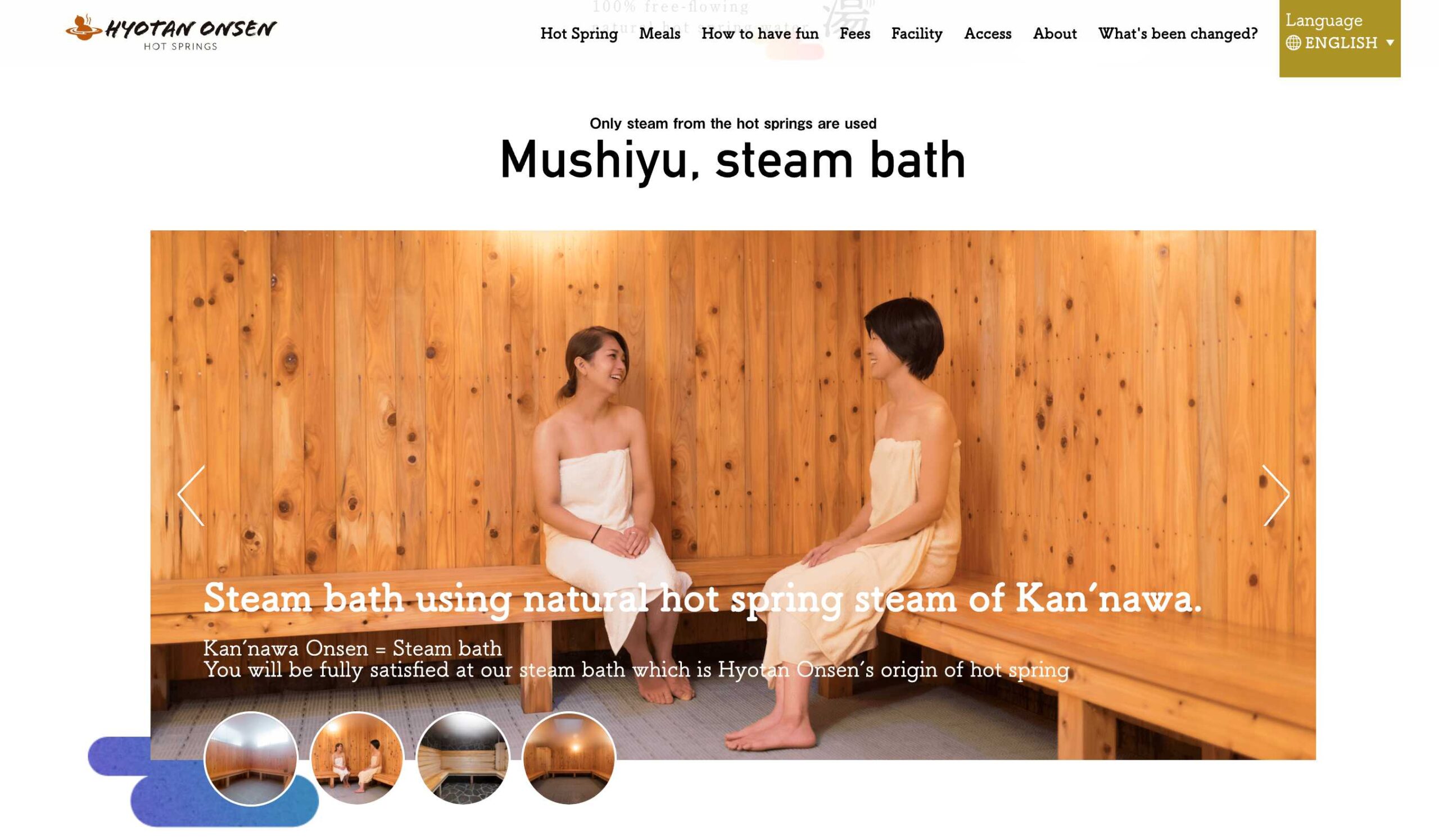



There’s a certain rhythm to places like this, shoes off, washing first, then easing into the water. No music trying too hard, no wellness buzzwords everywhere, just the bath, the steam, and the quiet rules that keep everything running smoothly. My verdict: that restraint is the point.
What to expect at Hyotan Onsen
Hyotan Onsen is known as a day-use bath, and that’s useful if you’re not staying overnight at a ryokan. In practical terms, that means you can fit it into a Beppu sightseeing route without turning the whole trip into a full resort stay. You get the onsen experience, then move on to the next stop.
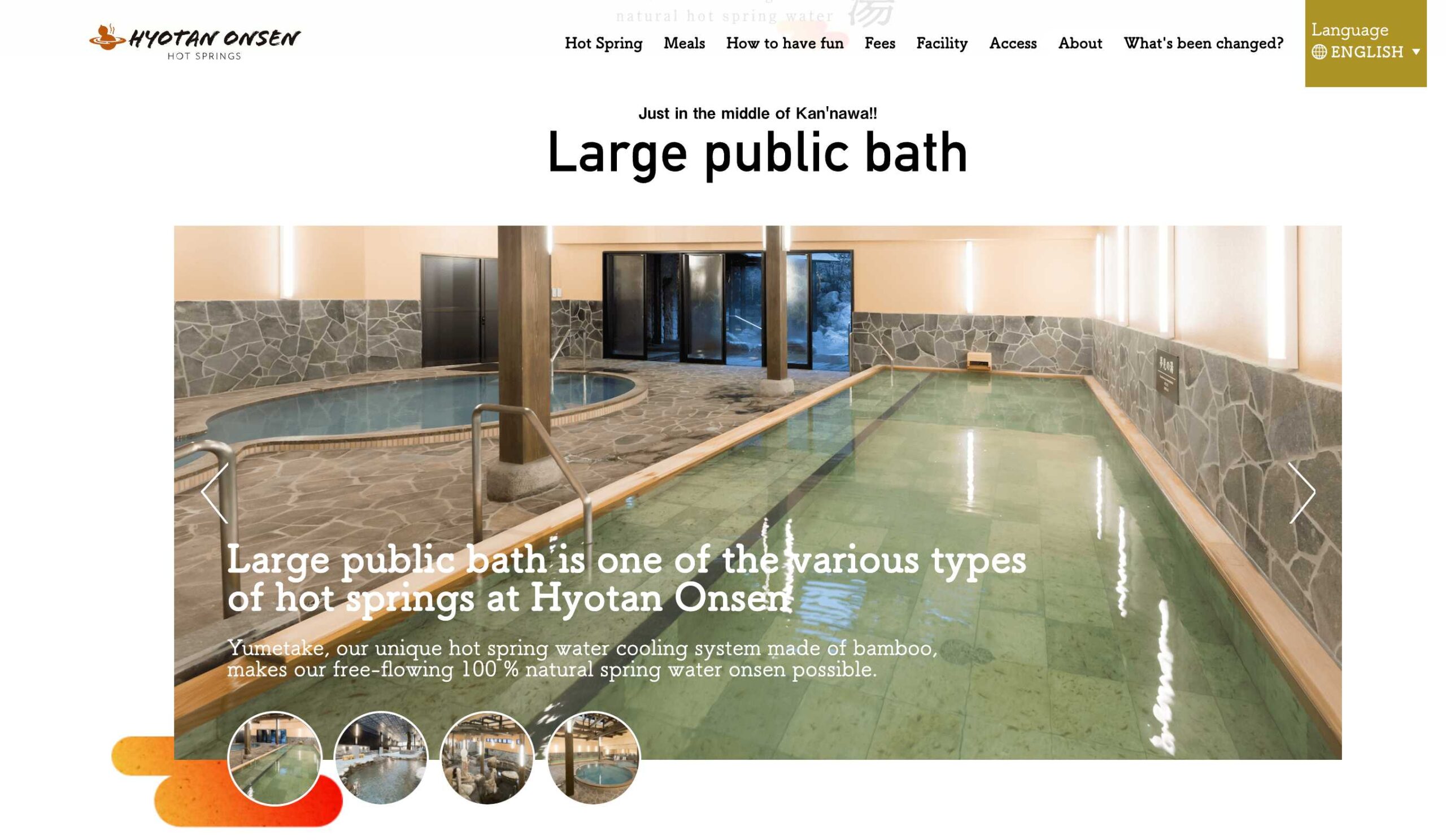
One thing I especially like is the sense of variety within a traditional setting. Beppu baths often offer different water temperatures, indoor and outdoor areas, and a mix of communal and private-feeling spaces. If you’ve never been to a Japanese bathhouse before, that structure can feel strict at first, but it’s also reassuring once you understand the flow.
For language learners, this is where romaji vocabulary starts to stick in a natural way. 足 (ashi) means leg, 水 (mizu) means water, and 湯 (yu, hot water; bath) means hot water or bath. You’ll see that same short, practical language everywhere in onsen towns, on signs, menus, and maps. See what I mean?
How to enjoy it like a local-minded visitor
It’s early morning in Kyoto. That’s the kind of quiet mood I think of when I picture a really good onsen visit, even if the actual location is Beppu. Arrive early, move slowly, and don't treat the bath like a checklist item. The best part is the pause.
What I especially like about Hyotan Onsen is how it rewards people who pay attention. Watch the steam, read the signs, notice how the building guides you from changing area to washing area to bath. If you’re learning Japanese, that kind of careful observation is gold, because it gives everyday words real context.
And if you’re comparing Beppu baths, remember this: Hyotan Onsen isn’t trying to be the flashiest place in town. It’s trying to be a proper bathing house with 100 percent natural source water, and it succeeds. Not bad, right?
But let's stick with the practical takeaway for now. If you’re heading to Kyushu and want one onsen stop that feels rooted in tradition, Hyotan Onsen in Beppu is a strong choice. It gives you the real hot spring experience, plus a small but memorable lesson in Japanese bathing culture.
Personally, I’d rather have that than an overdesigned spa any day. more Japan news on jpnerd.com
Frequently Asked Questions
What makes Hyotan Onsen different from a regular spa?
It uses 100 percent free-flowing natural spring water and keeps a traditional bathhouse atmosphere.
Why is Beppu so famous for hot springs?
Beppu has an unusually high number of hot spring sources and a long bathing culture on Kyushu.
Is Hyotan Onsen suitable for first-time onsen visitors?
Yes, day-use access and clear bathhouse routines make it approachable if you follow basic onsen etiquette.