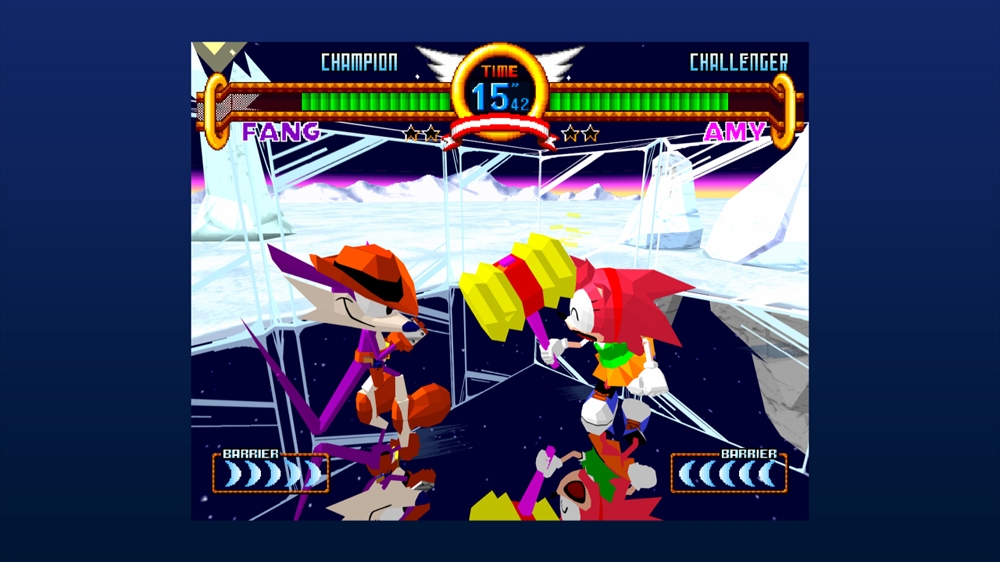
For Japan fans, there’s a fun little culture angle here too, because Sonic has been a major part of Sega’s identity since 1991, and that makes this more than a novelty drop. It’s a clean, playful crossover with real retro game energy, and I’m here for it.
![Dragon Ball Z: Kakarot [Master Edition]](https://s.pacn.ws/1/p/1eh/dragon-ball-z-kakarot-master-edition-908785.1.jpg?v=t8ja8t&width=400)


Did you know that Sonic the Hedgehog first raced onto the scene in 1991? Sega created him as a mascot that could stand shoulder to shoulder with Mario, and that rivalry became one of gaming’s most famous stories. Now Sonic’s back in a very different kind of arena, soap and deodorant, thanks to a new Dr. Squatch collaboration. Wild, isn't it?

This isn’t just a random logo slapped on a product. Dr. Squatch has built a brand around rugged, often humorous grooming products for men, and Sega brings instant pop-culture recognition. Put those together and you get a crossover that feels a bit cheeky, a bit nostalgic, and very easy to talk about. Speaking of which...
Sonic x Dr. Squatch: what the collaboration is
The partnership between Dr. Squatch and Sega centres on a Sonic-inspired deo and bar soap duo. That means the promotion is built around two everyday grooming staples, one for washing, one for deodorising, with Sonic style layered over the top. The brand angle’s clear, simple, and smart.
What matters here is the match between the character and the product. Sonic is fast, energetic, and bright blue, while Dr. Squatch leans into bold scents and a playful, almost camping-trip masculinity. The fit makes sense even before you smell anything. My tip: when a crossover works visually and conceptually, it tends to stick in people’s heads longer. Sounds good, right?

Why Sonic is a natural fit
Hand on heart: Sonic is one of the easiest video game mascots to turn into merchandise because his look is so clean. Blue spikes, red shoes, strong silhouette, instant recognition. Even someone who hasn’t played Sonic the Hedgehog can spot him from a distance.
That matters in marketing, especially for products that sit on a bathroom shelf or in a gym bag. Compared with back home, where character licensing can feel a little restrained, Japanese pop-culture branding often goes all in. Think of how often anime, games, and convenience stores cross paths in Japan, from limited-edition snacks to themed drinks. This Sonic duo plays in that same lane. See what I mean?
Dr. Squatch and Sega: brand crossover with real intent
Here’s the kicker: this kind of collaboration isn’t just about cute packaging, it’s about reaching two different audiences at once. Sega fans get a familiar character in a fresh context, while Dr. Squatch shoppers get a product that feels more collectible than ordinary. That overlap is where the money is.
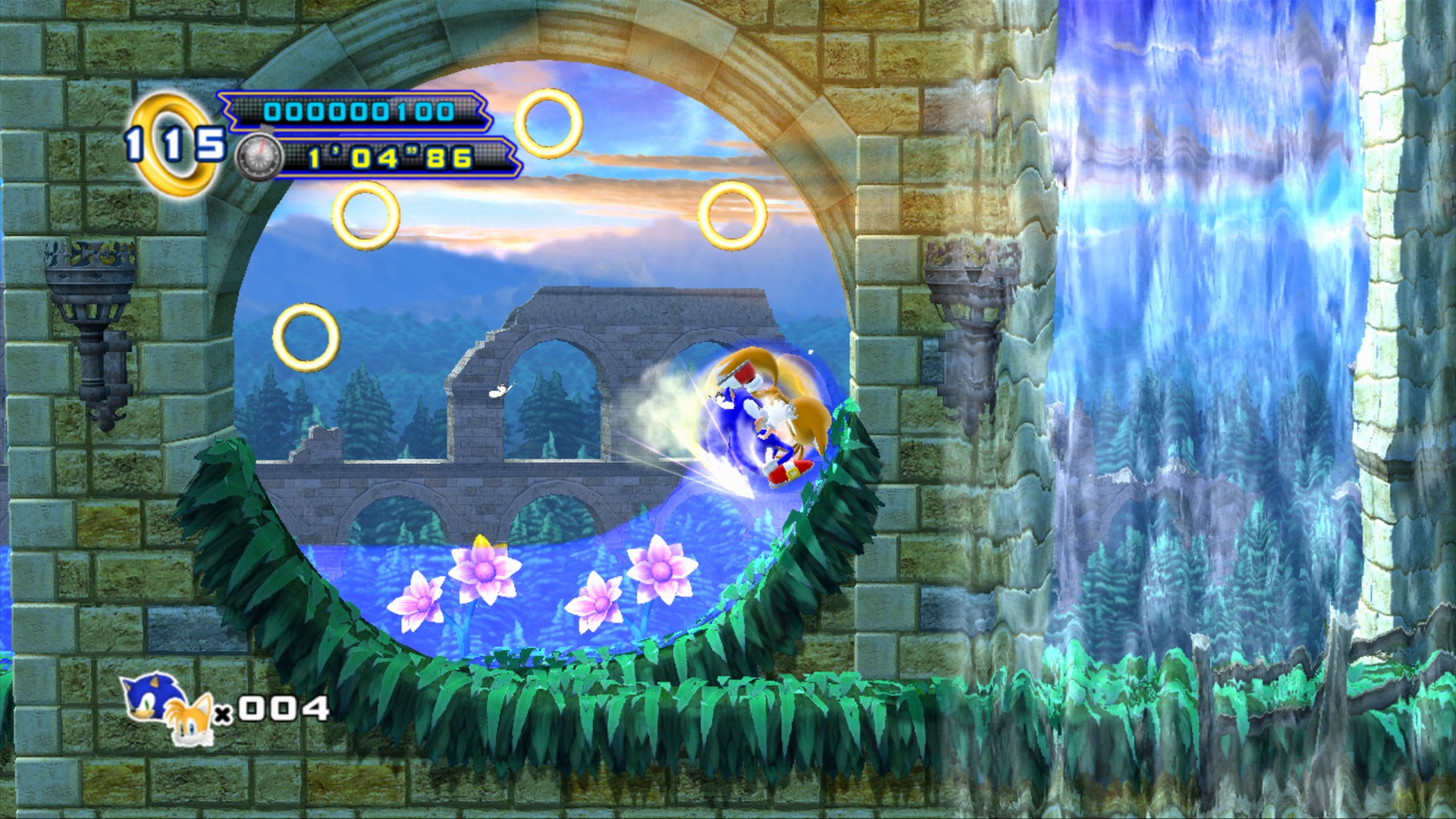
The American grooming brand has made a habit of turning everyday hygiene into a bit of entertainment. Sega, on the other hand, owns decades of gaming memory, from Sonic the Hedgehog in 1991 to later entries like Sonic Adventure in 1998 and the film-era revival in the 2020s. Put that history next to a bar of soap, and suddenly the item feels more like a fan object than a simple toiletry. Wait, there’s more.
Why these products work together
A great example: a deo-and-soap combo gives the collaboration a practical base. It’s not just a one-off novelty figure or a t-shirt that sits unworn in a closet. These are products people use every day, so the branding gets repeated exposure.
That’s a clever move, because repeated use means repeated memory. The scent, the box design, the Sonic name, all of it keeps the brand in circulation. And if you’re a Japanese learner, there’s a nice vocabulary angle too: words like 生活 (seikatsu, daily life) (daily life), 彼氏 (kareshi, boyfriend) (boyfriend), and 綺麗 (kirei, clean; beautiful) (clean) often show up in lifestyle marketing. This crossover sits right at that intersection of fashion, grooming, and fandom. Seriously though:
What Japan fans can take from this crossover
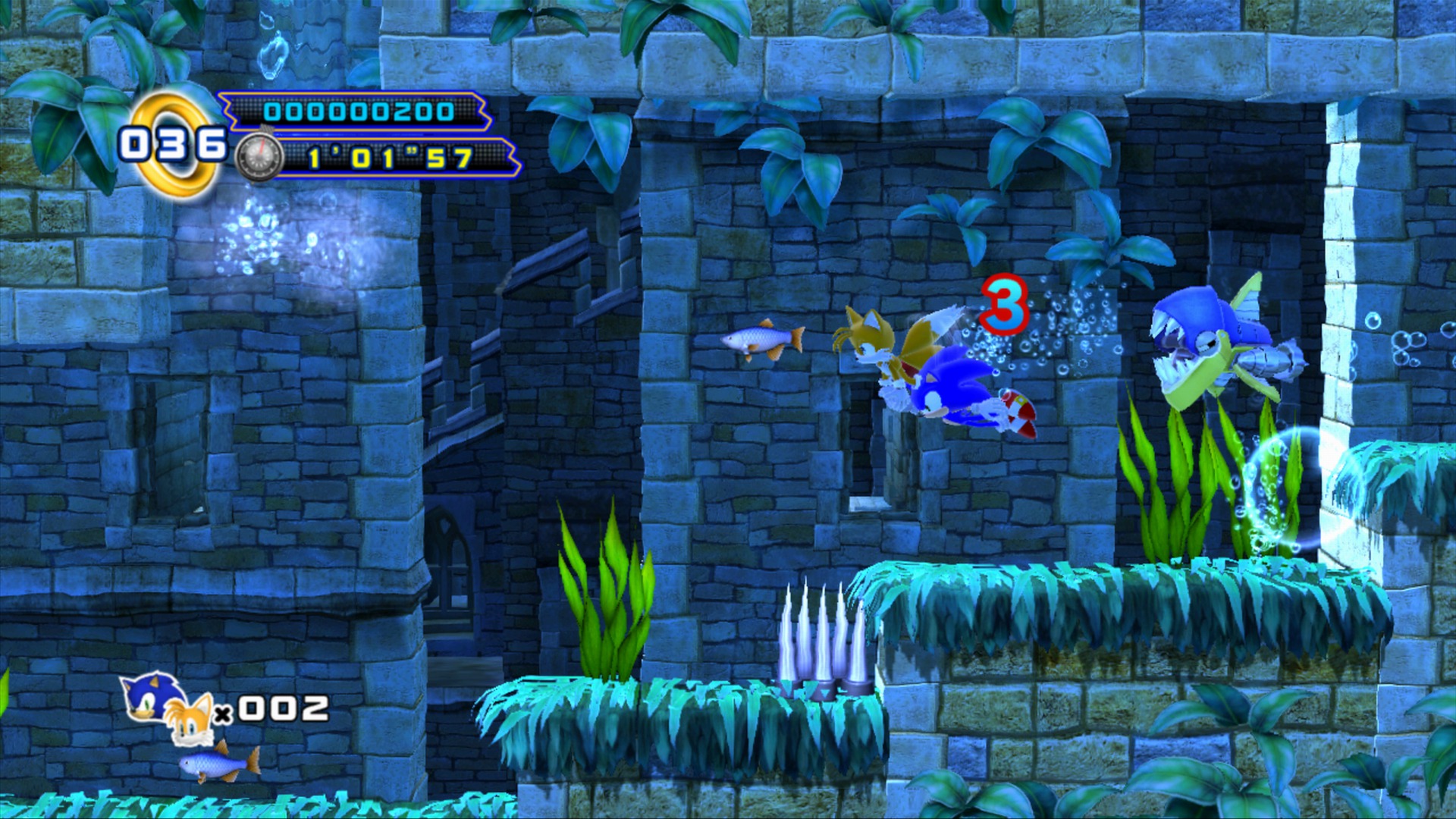
I still remember exactly how many Japanese brand collaborations first felt shocking to me, then normal, then strangely addictive. A character on a soda bottle, a game mascot on a train ticket, an anime face on face masks, Japan has long treated branding as something playful rather than stiff. That’s why a Sonic grooming drop doesn’t feel out of place at all.
For learners, this is also a neat reminder that Japanese pop culture is full of fast-moving, character-driven marketing. If you see terms like collab, limited edition, or キャンペーン (kampan, campaign; promotion) in Japanese ad copy, they usually signal urgency and fandom appeal. Insider tip: these words show up everywhere, from convenience-store promotions to theme cafe menus. This is my absolute hidden gem!
And there’s another layer. Sonic is a Sega icon, Sega is a Japanese company, and Japan still treats game characters as long-term cultural assets, not just old mascots. That’s why this kind of brand crossover can feel oddly natural, even when it’s attached to soap. It’s part nostalgia, part commerce, part pure fun. Sounds good, right?
For fans of Japan, this is exactly the sort of story that shows how global and local pop culture keep blending. A blue hedgehog from a Japanese game company ends up fronting a grooming duo in the United States, and the result still circles back to Japanese media history. That’s the beauty of modern fandom, and it’s a great reminder that Japanese pop culture travels well. more Japan news on jpnerd.com
In pictures

Frequently Asked Questions
What is the Sonic x Dr. Squatch collaboration?
It is a brand partnership between Sega and Dr. Squatch built around Sonic-inspired deodorant and bar soap.
Why is Sonic a good fit for this product line?
Sonic has a strong visual identity, broad recognition, and a fast, playful image that matches the brand’s tone.
Why would Japan fans care about this crossover?
Because it connects a famous Japanese game character with global lifestyle branding, which is a very familiar pattern in Japanese pop culture.