If you’ve ever wanted your drumming session to feel a bit more like a character event than a simple music game, this one’s worth a look. Let me show you why this collab is getting attention from both players and Japan fans.
![Dragon Ball Z: Kakarot [Master Edition]](https://s.pacn.ws/1/p/1eh/dragon-ball-z-kakarot-master-edition-908785.1.jpg?v=t8ja8t&width=400)


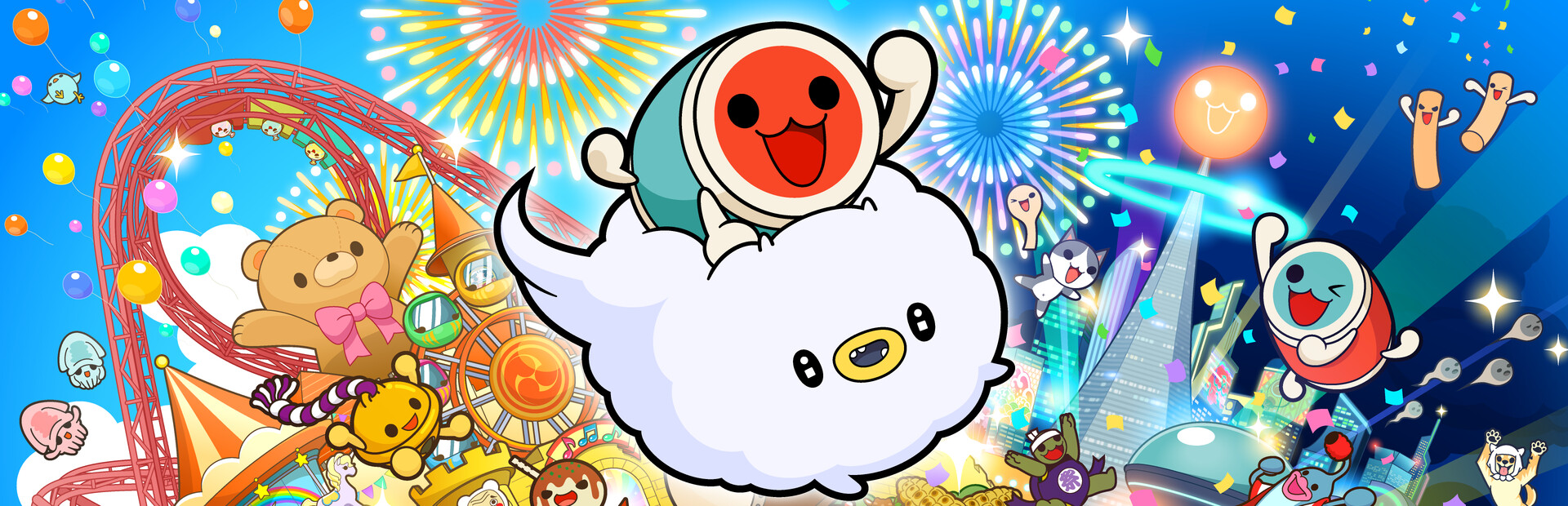
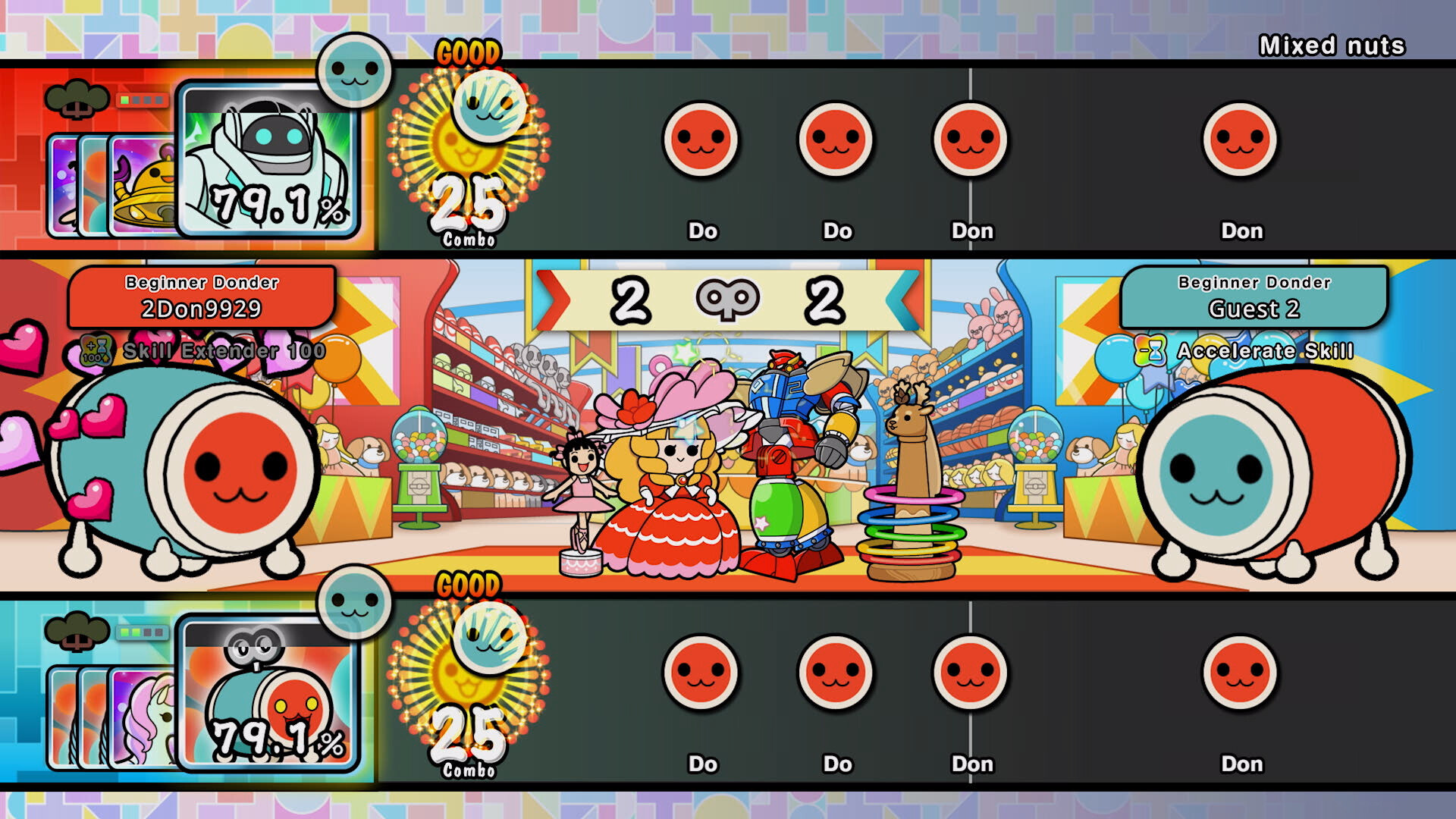
Taiko no Tatsujin is back in the news with a Chiikawa DLC collab, and honestly, this is the kind of announcement that feels tailor-made for Japan game fans. It brings together Bandai Namco Entertainment’s drum-hitting rhythm series, the wildly popular Chiikawa character brand, and a 25th anniversary song, so there’s more going on here than a standard add-on pack. Wild, isn’t it?
This isn’t just about cute faces pasted onto a song list. It’s a neat example of how Japanese games keep their fanbases warm with crossover content, anniversary music, and characters that already have strong cultural momentum. For Japanese learners, there’s a little bonus too: the announcement gives you a practical glimpse into how Japan handles media tie-ins, or コラボ (kollabo, collab; collaboration) in casual romaji-style discussion online.
Taiko no Tatsujin and Chiikawa join forces
The big headline is simple: Taiko no Tatsujin is getting Chiikawa content as DLC. Chiikawa, created by illustrator Nagano, exploded from web comic fame into a full-scale character brand, with plush toys, anime shorts, goods, and constant visibility across Japan. If you’ve been in a Don Quijote, Loft, or a major station mall recently, you’ve probably seen some version of these characters already.
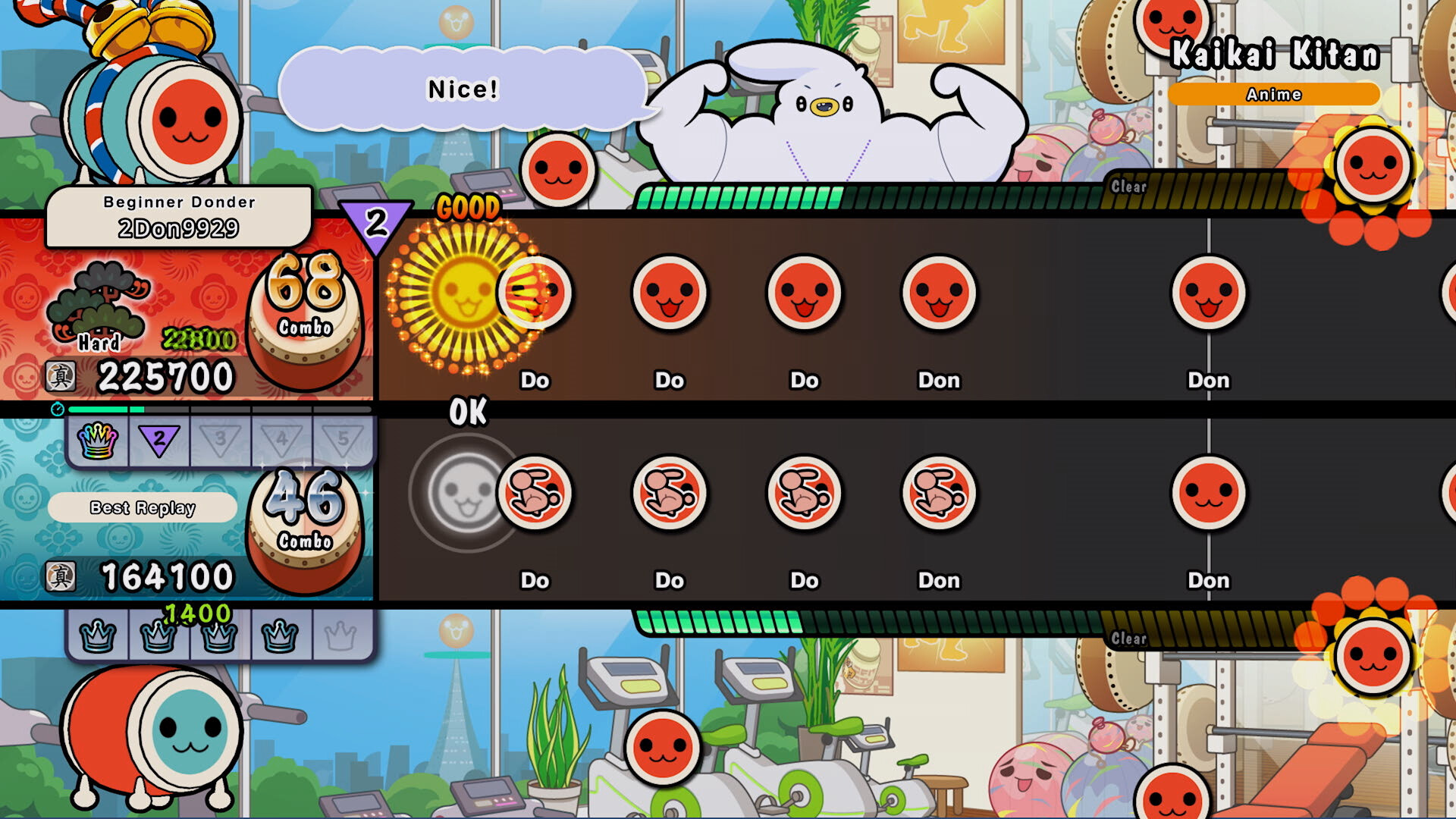
That matters, because Taiko no Tatsujin has always loved the cute-culture side of Japan. The game’s big round drums, bouncy sound effects, and cheerful mascots make it a natural home for crossover material. So when a Chiikawa collab appears, it doesn’t feel random at all. It feels like the series doing what it does best, pulling in something contemporary and instantly recognisable. Simply brilliant.
On a related note: Chiikawa’s appeal is partly in the contrast between its soft appearance and its weirdly anxious, sometimes awkward humour. That mix is very Japanese, in the sense that it balances 可愛い (kawaii, cute) visuals with a little social unease. If you’re learning Japanese, notice how character branding often leans on that emotional contrast, not just on cuteness alone. From my experience, that’s one of the most useful culture clues you can pick up.
What the DLC collab means for players
For players, DLC collabs are the easiest way for Taiko no Tatsujin to stay fresh without needing a whole new game every few months. A crossover pack can bring new visuals, themed songs, and enough reason for lapsed players to boot up the game again. Let’s be honest: rhythm games live and die by song rotation, so anything that feels timely can give them a real boost.
The Chiikawa tie-in also works as fanservice in the best sense of the word, meaning it gives existing fans exactly what they’d want, rather than trying to reinvent the formula. That’s a smart move for a series with a long history. Taiko no Tatsujin first appeared in arcades in 2001, and Bandai Namco has kept it relevant through console releases, arcade updates, mobile versions, and a steady stream of licensed music. It knows its audience.
A crossover that fits the game’s personality
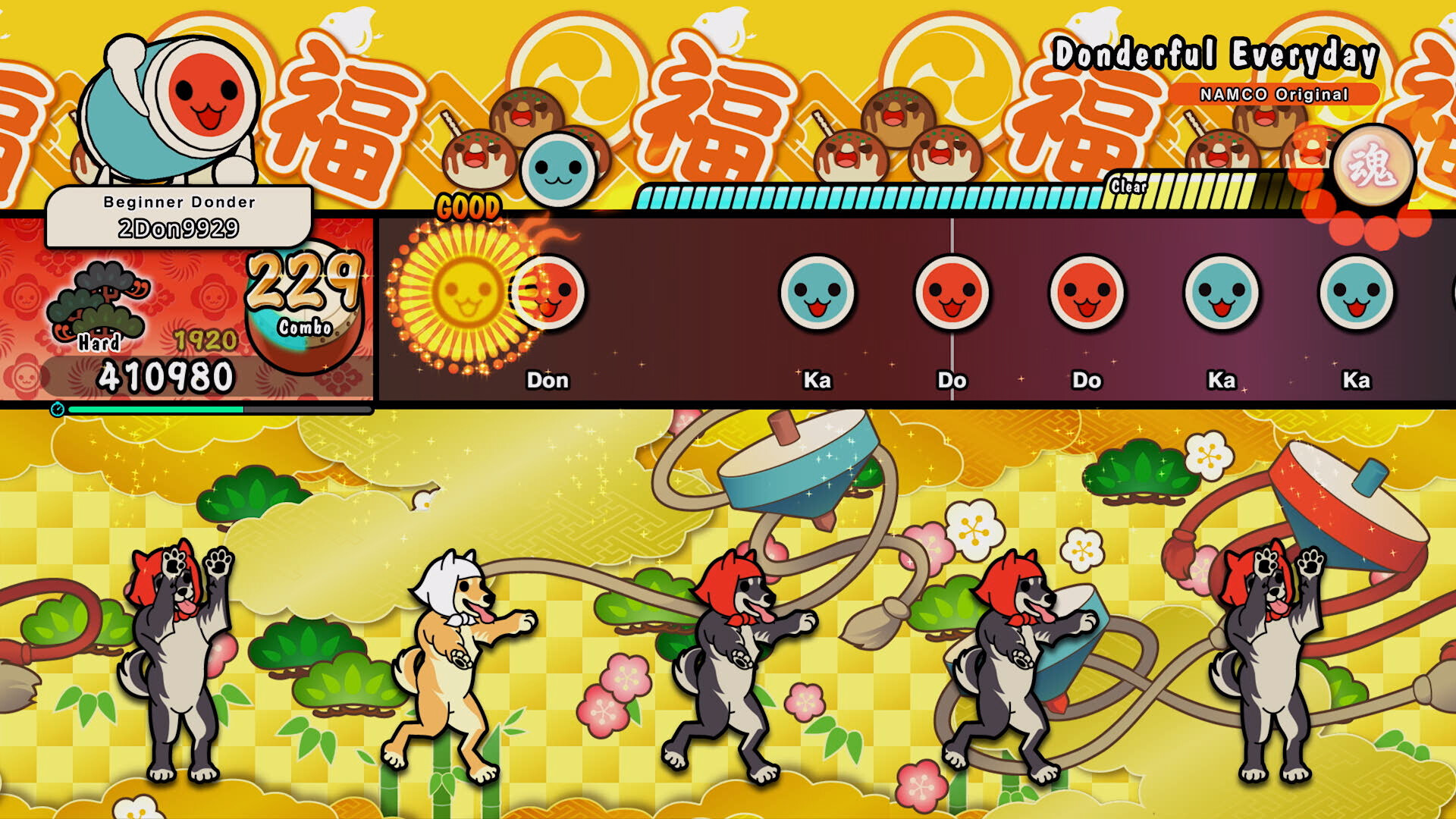
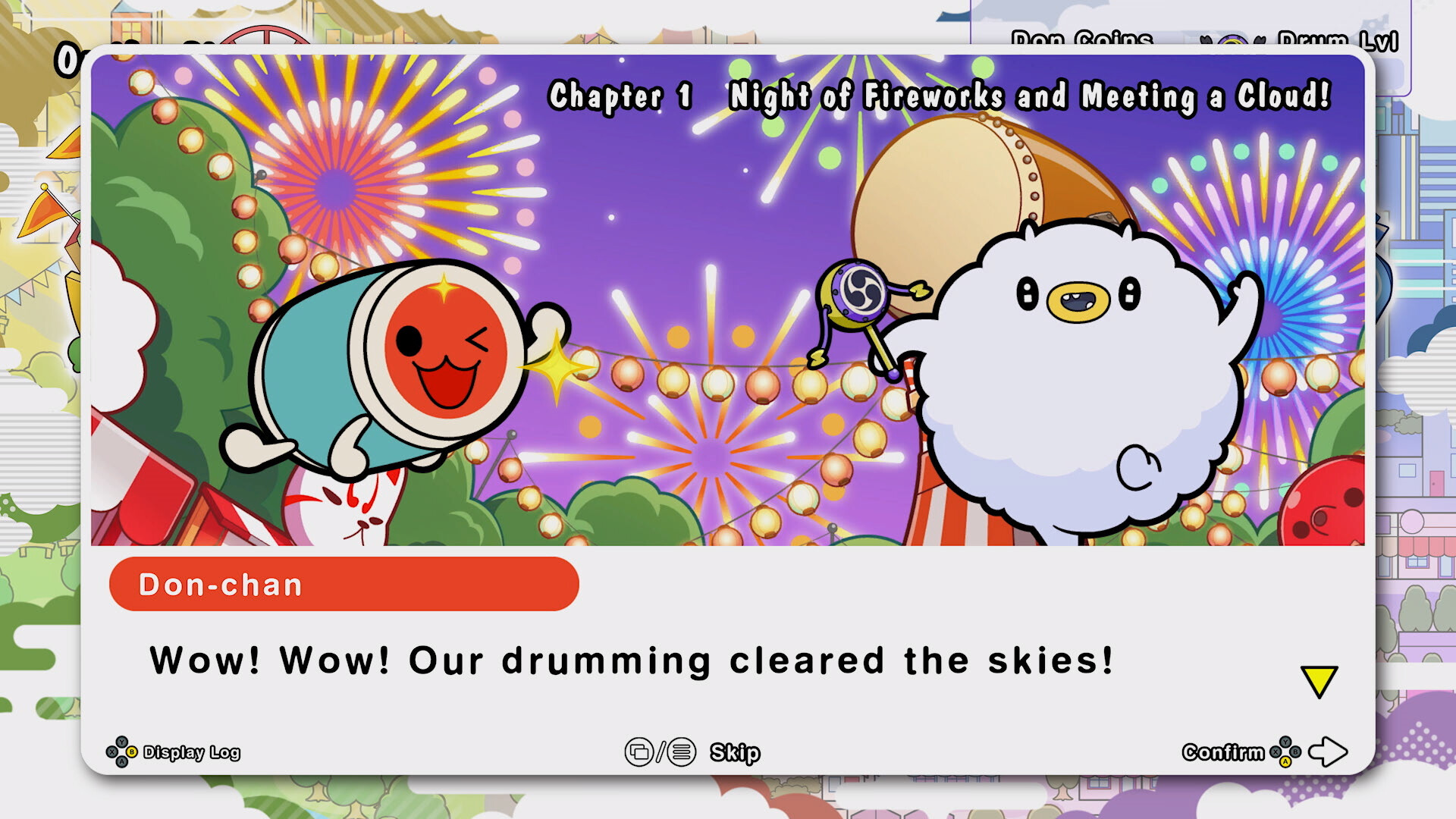
By the way: Taiko no Tatsujin has always had a strong merchandise and event culture around it, too. The game’s characters, Don-chan and Katsu-chan, already live in that same bright, friendly ecosystem as Chiikawa and friends, so the visual overlap is stronger than you might expect. For example, both brands rely on simple silhouettes, immediate recognisability, and an almost toy-like charm.
That makes this more than a licensing exercise. It’s a mood match. My tip: if you like Japanese character media, keep an eye on which brands cross over with rhythm games, because those partnerships often tell you which properties have really settled into everyday culture. Personally, I think that’s one of the best ways to understand what’s truly popular in Japan, not just what’s loudly advertised. Convinced yet?
The 25th anniversary song adds real weight
Before I forget: the 25th anniversary song gives this announcement a second layer. Anniversary tracks matter in Japanese game culture because they signal continuity, not just novelty. They tell players that a series has lasted long enough to celebrate its own history, and Taiko no Tatsujin absolutely earns that moment after two and a half decades of arcade noise, home releases, and endless festival energy.
Let me show you why that matters. In Japan, milestone songs are often treated like a small public event, especially when they arrive alongside crossover content. You’re not only buying DLC, you’re participating in a commemorative package. That makes the release feel more ceremonial, almost like a summer 祭り (matsuri, festival) where the familiar stalls return, but one of them has a new banner and a special menu item. Highly recommended: pay attention to that emotional framing, because Japanese entertainment companies do it very well.
On the flip side: anniversary content can sometimes feel like corporate housekeeping if it’s handled lazily. This one doesn’t seem to fall into that trap. Pairing a beloved modern character property with a milestone song gives the update a clear identity, and it helps both sides benefit. Chiikawa gets another stage, Taiko gets a timely refresh, and players get a reason to smile while keeping time with the beat.
Know that feeling when a game update feels less like an update and more like a small celebration? That’s the energy here. The rhythm-game format is perfect for it, because every clear hit already feels like a tiny cheer. From my experience, that’s why Taiko no Tatsujin stays so easy to recommend, even years after the first release.
Why Japan fans and language learners should care
If you’re learning Japanese, this collab is a nice reminder that pop culture vocabulary shows up everywhere, not just in textbooks. Words like kawaii, キャラ (kyara, character) for character, and kollabo in casual internet usage are part of the everyday media conversation. You’ll also see how Japanese announcements often blend product news with emotional framing, especially when a beloved character brand is involved.
The first time I went to Japan, I was struck by how often characters appeared in places that would seem purely practical elsewhere, like train stations, bank campaigns, or local tourism ads. Taiko no Tatsujin sits right in that same culture. It’s a game, yes, but it’s also a cheerful vessel for broader Japanese pop culture habits, where games, songs, mascots, and anniversaries all share the same stage. On a related note: that’s why collabs like this aren’t side notes in Japan, they’re part of the main event.
If you follow Japanese media, this DLC is worth watching even if you don’t play rhythm games every day. It shows how a 2001 arcade hit can still feel current when it embraces character culture with the right timing. And with Chiikawa in the mix, this update has the sort of adorable pull that Japan does so well. Simply brilliant.
In pictures
Frequently Asked Questions
What is the Chiikawa DLC collab in Taiko no Tatsujin?
It is a crossover add-on that brings Chiikawa-themed content into Taiko no Tatsujin as downloadable content.
Why is this collab getting attention?
It combines a popular character brand, a long-running rhythm game, and a 25th anniversary song, so fans see it as both a crossover and a celebration.
Do Japanese learners get anything out of following news like this?
Yes. It is a good way to pick up pop culture vocabulary, character branding language, and how Japanese announcements frame special releases.