For Japan fans, this ranking is more than a numbers list; it's a neat snapshot of what players in Japan are actually waiting for, talking about, and voting for week after week.
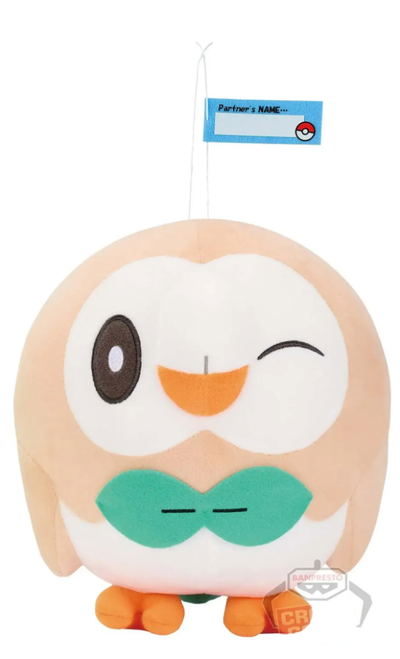

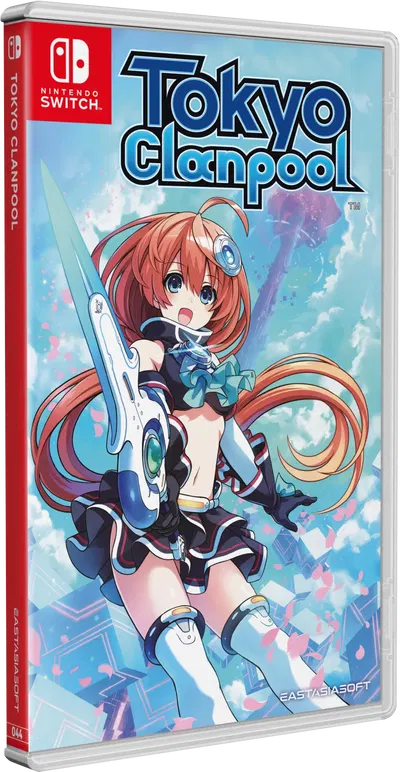
Famitsu Most Wanted Games, July 26, 2026
Famitsu's latest Most Wanted Games ranking, published on July 26, 2026, gives us another sharp look at the Japanese gaming mood. The headline is simple: Pokemon Winds and Waves holds first place, and Persona 4 Revival sits right behind it in second.
Compared with back home, this kind of weekly poll feels extra lively in Japan, because it tracks anticipation in real time, almost like a fan conversation with numbers attached. No wonder, because Famitsu has been running these wish-list style rankings for years, and people in Japan still treat them as a kind of industry temperature check. My tip: if you follow Japanese game culture, keep an eye on these charts, as they tell you a lot about hype before release. My verdict:
Pokemon Winds and Waves at number one
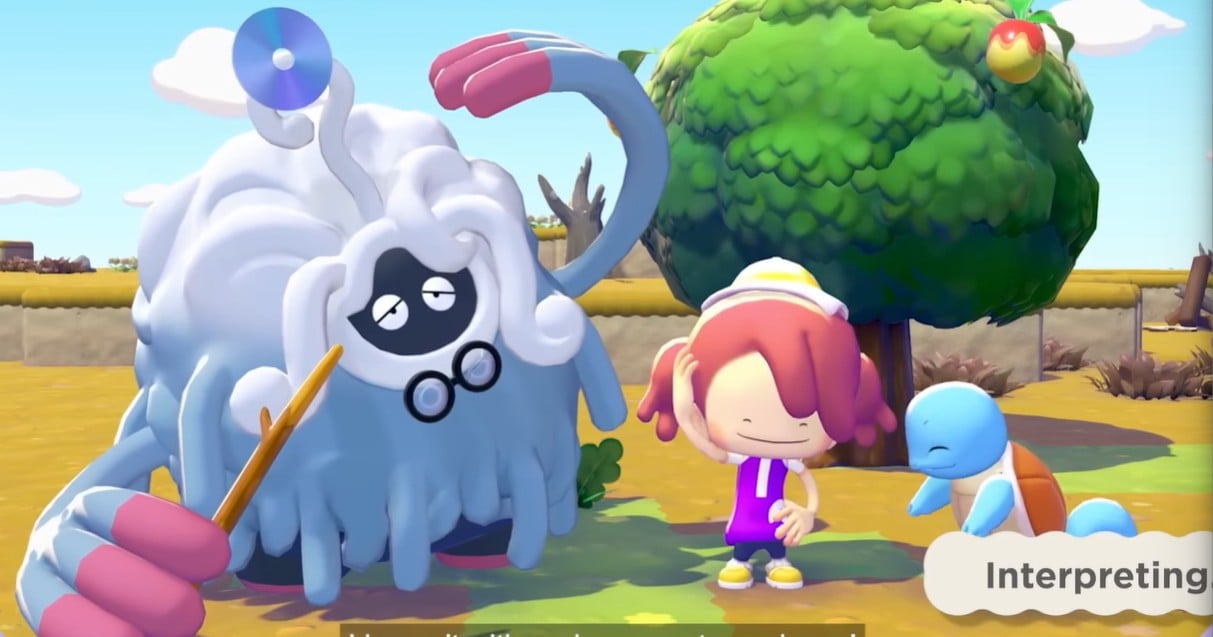
Guess what? Pokemon Winds and Waves is still leading the pack. That matters, because Pokemon is one of those franchises that crosses age groups, from kids buying cards to adults who grew up on the Game Boy and Nintendo DS eras.
Take Pokemon, for instance. In Japan, the brand is everywhere, from convenience store tie-ins to station posters, and that broad visibility feeds the kind of long-tail excitement Famitsu captures so well. The title itself, Winds and Waves, also feels very Japan-friendly in tone, with imagery that suits seasonal language and a softer, more poetic vibe than a pure action title would. Wild, isn't it? But that's not all.
Why this matters for learners
If you're learning Japanese, Pokemon rankings like this are a good excuse to notice how fans use words such as 人気 (ninki, popularity) for popularity, 期待 (kitai, expectation; anticipation) for expectations, and ランク (ranksu) for rank, all of which show up constantly in gaming talk. You don't need to memorise everything at once, but spotting these terms in context makes them stick faster. And it gets better: when a title stays at number one for weeks, you can watch how Japanese media phrases that momentum in natural, repeatable language. See what I mean?
Persona 4 Revival in second place
Persona 4 Revival landing at number two is just as interesting, maybe even more so for long-time JRPG fans. Persona 4 has been a landmark title since the original 2008 release, and any revival project carries a lot of emotional weight, because people aren't just waiting for a game, they're waiting for a memory to be reworked.
Quick detour: the Persona series has always been strong in Japan thanks to its school setting, social links, and everyday rhythm, which make it feel very grounded even when the supernatural story kicks in. That mix is part of why Persona fans in Japan often talk about 生活感 (seikatsu kan, sense of daily life), a sense of daily life, alongside flashy combat and stylish presentation. If you love Japanese culture, that balance between the ordinary and the dramatic is one of the series' biggest charms. My verdict:
Persona 4 Revival also shows how remakes and revivals aren't just nostalgia products in Japan, they're active cultural events. Fans compare voice acting, music arrangements, visuals, and even the feel of school-year pacing. Imagine a narrow alley in Tokyo. One small change in a familiar storefront, and everyone notices. That's the energy around a beloved JRPG revival. Insider tip: if you read Japanese fan comments, watch for words like 直す (naosu, to fix; revise; remake) in the sense of remake or revise, and 良かった (yokatta, good; I'm glad) when fans approve of a reveal.
What the ranking says about Japan fan taste
Here’s the catch: this ranking isn't only about which games are hot right now, it also shows what kind of experiences Japanese players still value most. Big franchises with emotional history, strong art direction, and a clear identity tend to stay near the top, while brand-new names often need time to break through.
That brings us to the bigger picture. Pokemon and Persona both sit in that sweet spot where nostalgia meets current relevance, and that combination is powerful in Japan. A lot of fans want something they can discuss with friends, stream, and compare across generations, and these series fit that pattern perfectly. Compared with back home, where online noise can spread more unpredictably, Famitsu's list gives you a cleaner look at organised fan voting in Japan. No joke: rankings like this can be a shortcut to understanding what Japanese players are really excited about.
What I especially like is how these charts give learners a practical language entry point. You can read one article, learn a few gaming terms, and still get a real feel for the cultural rhythm around releases. For Japan fans, that's the sweet spot: news, language, and fandom all pulling in the same direction. But that's not all.
Frequently Asked Questions
What is Famitsu Most Wanted Games?
It is a recurring Japanese ranking based on reader votes for the games people are most excited to play.
Why is Pokemon Winds and Waves important in this ranking?
It is holding first place, which shows extremely strong anticipation among Japanese voters.
Why does Persona 4 Revival matter to Japan fans?
It connects nostalgia, JRPG history, and the continued popularity of story-driven games in Japan.