
Overview
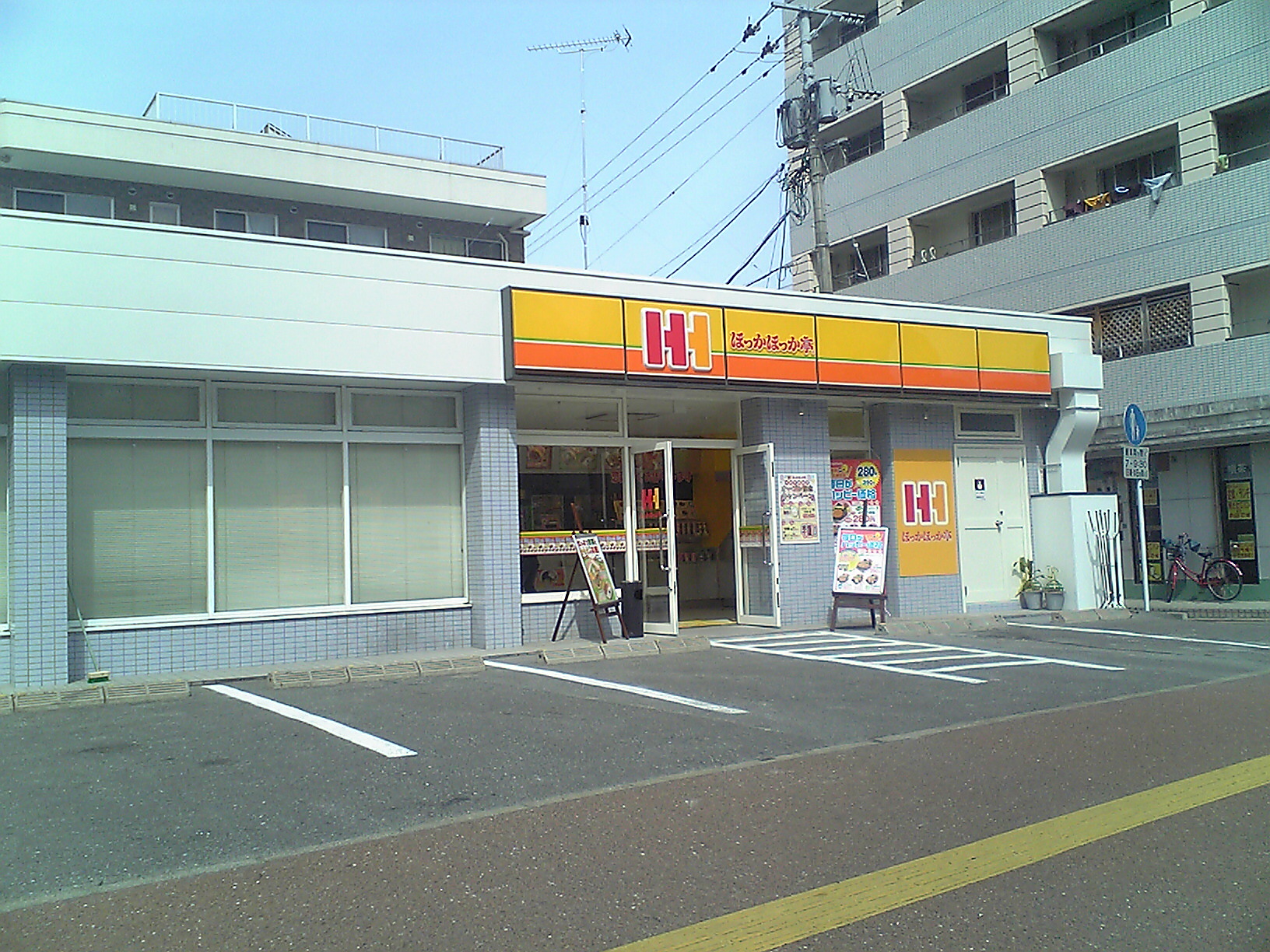
Hokkahokka Tei is a familiar name in Japanese takeout. The chain is known for practical, everyday 弁当 (bento, boxed meal) that fits real routines, not just special occasions. That matters because Japanese bentos are built around balance, speed, and portability, and Hokkahokka Tei has kept that idea accessible for a wide audience.
One recent example is the One-Hand Bento concept. It was developed as a takeout format designed to be eaten with one hand while moving, which makes it especially useful in busy city settings. The idea also shows how a classic bento chain can adapt without losing its core identity. For readers searching for hokkahokka tei news, this is a good example of a traditional brand updating its service in a practical way.
If you are new to Japanese takeout culture, a few terms help. Bento means a boxed meal. 予約 (yoyaku, reservation; pre-order) means a reservation or pre-order, and it often matters when a seasonal or limited item is involved. To go means takeout in the broad sense, but in Japan the packaging and portion design are just as important as the food itself. おもてなし (omotenashi, wholehearted hospitality), the idea of attentive hospitality, is also part of the experience, because a well-made bento should be easy to carry, easy to eat, and neatly presented.
For readers looking up hokkahokka tei japanisch lernen or hokkahokka tei kanji, the chain name itself is useful vocabulary. The brand is written in Japanese script, but the important learning point is how common food words appear in everyday signage, menus, and ordering systems. A visit to a bento chain is a small but practical way to build that recognition.
What the chain is known for
Hokkahokka Tei is a long-running Japanese bento chain known for affordable, home-style meals. That combination is important. It does not aim to be formal dining. It focuses on reliable food that people can pick up on the way home, during lunch breaks, or when they need a quick meal with familiar flavors.
The chain’s strength is consistency. A bento shop has to manage rice, main dishes, side items, and sauces in a way that travels well. That is why the brand has remained relevant. It gives you a full meal in a format that is easy to carry, easy to open, and usually easy on the budget. For anyone comparing Japanese bento chains, this practical positioning is what defines the brand.
In Japan, this kind of food is part of daily life. You see it near stations, in neighborhoods, and in commercial areas where people want something quick but substantial. That is also why a guide to the chain is useful: it is not only about one menu item, but about understanding how a modern bento brand works in everyday Japan.
The renewed One-Hand Bento concept
The One-Hand Bento concept was introduced in Osaka as a takeout format built for eating with one hand while on the go. The first location opened at the Abeno Harukas Kintetsu Main Store. That makes it a useful case study in how Japanese takeout can be redesigned for convenience without becoming messy or casual in a sloppy sense.
The menu concept uses sixteen-grain rice, or 十六穀米 (juurokkokumai, sixteen-grain rice), together with main dishes such as white fish fry, chicken nanban, eggplant miso, and wagyu. The food is arranged in sandwich-like layers so the rice and main dish can be eaten together with one hand. It is explicitly not built around 唐揚げ (karaage, Japanese fried chicken), 卵焼き (tamagoyaki, rolled omelet), or おにぎり (onigiri, rice ball) as the main structure. The point is composition: each bite is meant to stay balanced even while you are walking.
The packaging is part of the design. The layout uses layered portions, fixed containers, separated sauces and side dishes, and a vertical arrangement to reduce spilling. This is where the product moves beyond novelty. A bento can look simple, but the internal structure is doing a lot of work. If you want to understand why this format succeeded, look at the container as carefully as the food itself.
The idea also connects to practical urban eating. When a meal is designed for standing, walking, or quick breaks, it must hold together cleanly. That is exactly what this format tries to solve. For readers following hokkahokka tei news, this is one of the most relevant examples of how a chain can update a classic takeout model.
Why the Expo mattered
The One-Hand Bento was tested at an Expo and sold more than 220,000 portions there. That number matters because it shows the concept was not only a store experiment. It had enough demand to prove the format could work at scale in a high-traffic environment.
In practical terms, the Expo gave the chain a large audience with varied needs: visitors moving between exhibits, people eating quickly, and customers looking for food that was easy to carry. A product like this fits that setting well. The combination of neat packaging, portable structure, and straightforward flavors is exactly what makes a bento format useful in crowded public spaces.
After that success, the concept did not fade away. It developed into a more permanent business line, with a store at Abeno Harukas Kintetsu Main Store and a limited-time stand at JR Shin-Osaka Station. That tells you the brand saw repeatable demand, not just one-time curiosity.

If you want a broader context for these kinds of takeout innovations, you may also want to read about One-Hand-Bento startet in Osaka: Neues Takeout-Konzept im Abeno Harukas Kintetsu Main Store and BENTO by hokkahokkatei: Osaka testet das One-Hand-Bento.
Where to experience Hokkahokka Tei in Japan
If you want to experience Hokkahokka Tei in Japan, look first at urban shopping centers, station areas, and neighborhood takeout locations. The chain’s value is in convenience, so the best places to find it are places where people are already moving through daily routines. The Abeno Harukas Kintetsu Main Store in Osaka is especially relevant for the One-Hand Bento concept.
The limited-time stand at JR Shin-Osaka Station also shows how the brand connects to travel. Station-adjacent food works differently from sit-down dining. It must be quick to buy, easy to carry, and safe to eat later if needed. That is why Hokkahokka Tei fits the station context so well.
For travelers, the best approach is simple. Check nearby stations, department stores, and shopping complexes. If you are specifically looking for the One-Hand Bento, focus on Osaka, where the concept has been introduced and tested. If you are interested in the broader chain, look for the familiar bento format in areas with steady foot traffic. That is where the brand’s logic is clearest.
Because this is a takeout chain, timing matters too. Lunch and early evening are the most practical windows. A place may offer a fuller selection during busy meal times, while limited items can sell through quickly. A modest amount of planning goes a long way. If you want to try a signature item, a yoyaku or pre-order may be useful when the outlet supports it.
How to read the menu like a local
Japanese bento menus are easier to read once you know the structure. Start with the main dish, then check the rice, side dishes, and sauces. In a chain like Hokkahokka Tei, the balance of the meal is the real point. The menu is designed to answer a practical question: what will still taste good after being packed and carried?
The One-Hand Bento makes that logic even clearer. The layered format is not just visual. It is there to keep the meal stable and to allow you to eat main dish and rice together. That is why the packaging, ingredients, and structure all matter at once.
If you are learning Japanese food vocabulary, this is a good category to study. Words like bento, to go, yoyaku, and omotenashi appear often in menus, store signs, and service explanations. You do not need to memorize everything at once. Start with the items you actually order, and the rest becomes easier over time.
Frequently Asked Questions
What is Hokkahokka Tei known for?
Hokkahokka Tei is known for affordable, home-style bento and takeout meals. It focuses on practical food for everyday use.
What is the One-Hand Bento concept?
It is a takeout bento designed to be eaten with one hand while moving. The meal uses layered packaging and a vertical layout to reduce spilling.
Where can you try the One-Hand Bento in Japan?
The concept was introduced in Osaka, with a first location at the Abeno Harukas Kintetsu Main Store and a limited-time stand at JR Shin-Osaka Station.
What kinds of ingredients are used in the One-Hand Bento?
It uses sixteen-grain rice with main dishes such as white fish fry, chicken nanban, eggplant miso, and wagyu.
Is Hokkahokka Tei useful for hokkahokka tei japanisch lernen?
Yes. The chain is a practical place to learn common Japanese food vocabulary such as bento, yoyaku, and omotenashi in a real menu context.
Sources
- Watch Impress news report on Hokkahokka Tei One-Hand Bento: https://www.watch.impress.co.jp/docs/news/2100882.html
- JP Nerd article: One-Hand-Bento startet in Osaka: Neues Takeout-Konzept im Abeno Harukas Kintetsu Main Store: https://jpnerd.com/de/japan-news-de/1541-one-hand-bento-startet-in-osaka-neues-takeout-konzept-im-de
- JP Nerd article: BENTO by hokkahokkatei: Osaka testet das One-Hand-Bento: https://jpnerd.com/de/japan-news-de/2744-bento-by-hokkahokkatei-osaka-testet-das-one-hand-bento-de
