

Witch Hat Atelier’s quietly become one of the most talked-about fantasy anime and manga titles online, and a lot of that buzz circles back to Qifrey. Compared with back home, where power rankings often get loud fast, this feels more like a slow-burn conversation, and that’s what makes it fun.

It’s early morning in Kyoto, coffee in hand, and I keep seeing the same kind of discussion pop up: is Qifrey the new fantasy king, and has Gojo from Jujutsu Kaisen finally met his match in the fandom’s imagination? That sounds a bit dramatic, sure, but fandom debates often are. Here’s the thing: this isn’t really about who wins in a fight, it’s about who commands attention, style, and that instant “I need to know more” reaction.
Witch Hat Atelier and why Qifrey stands out
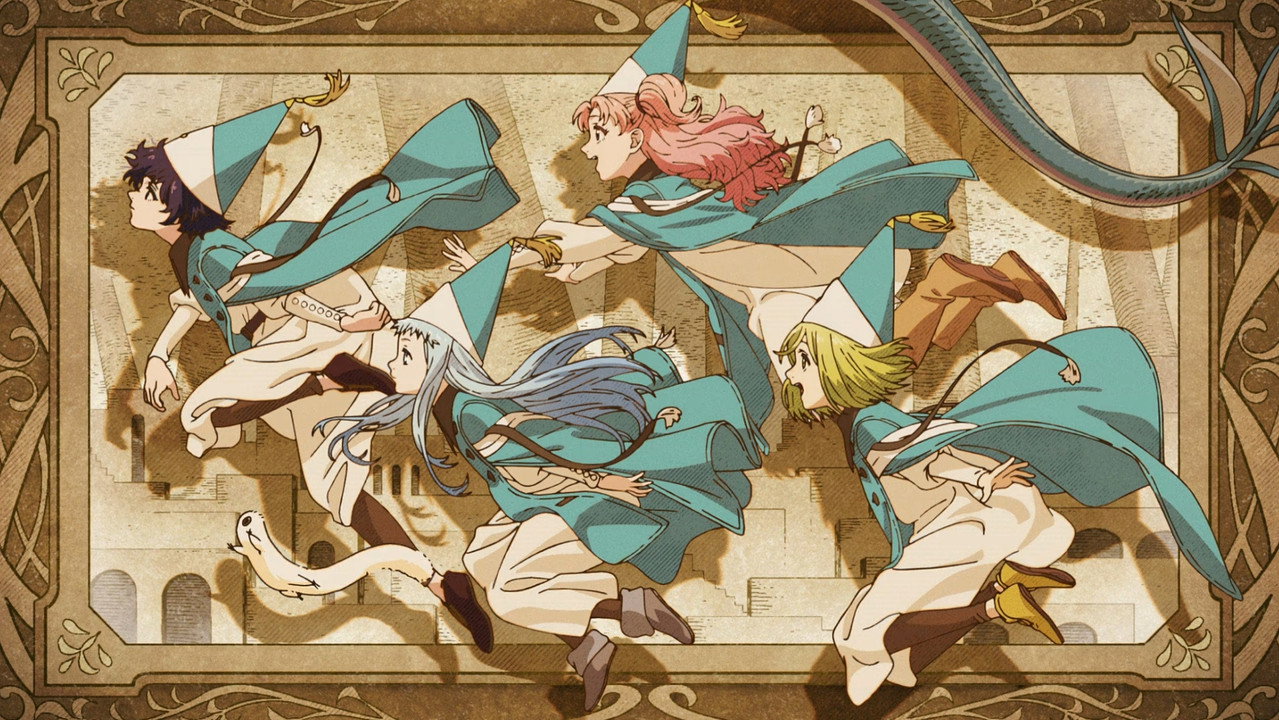
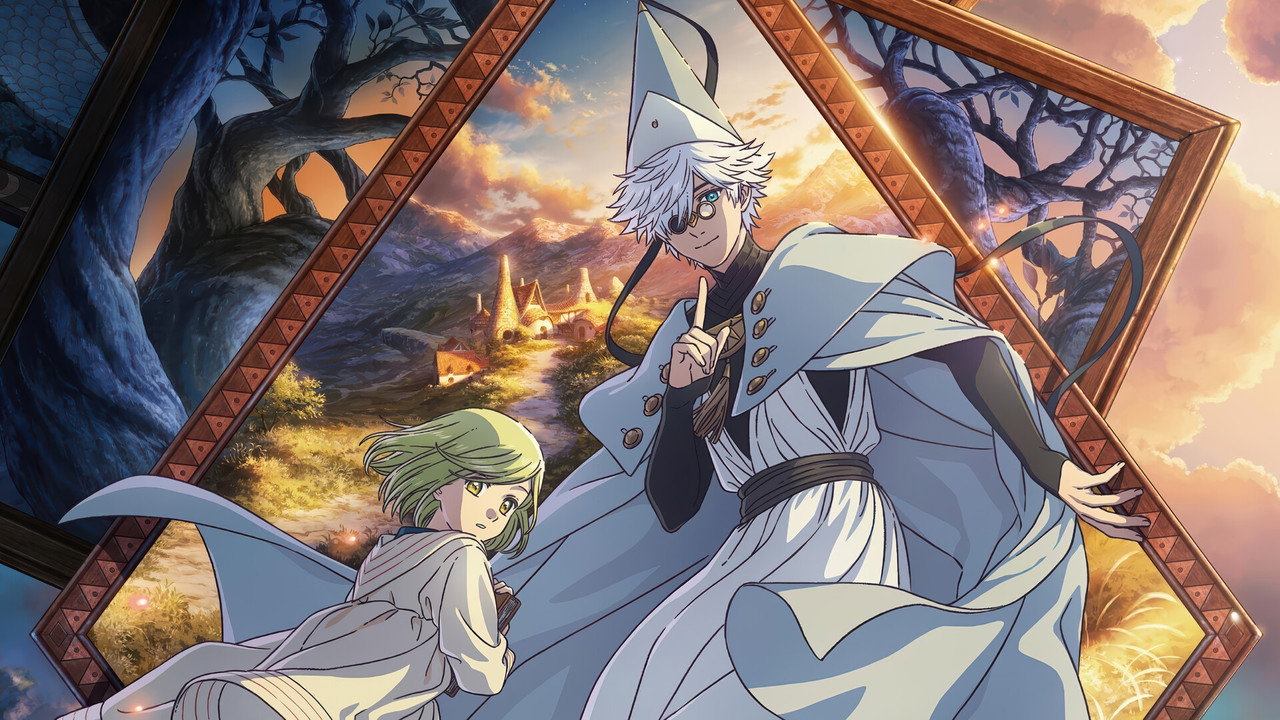
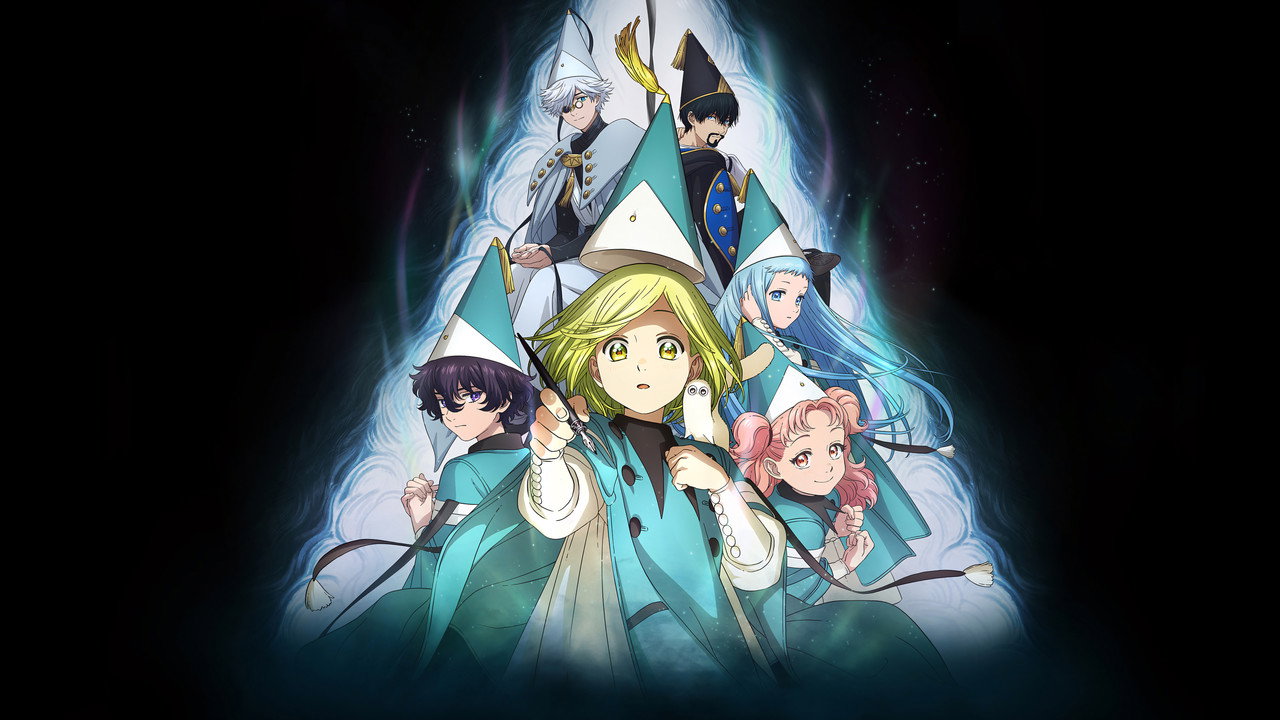
Witch Hat Atelier, by Kamome Shirahama, began serialisation in 2016 in Monthly Morning Two, and it already had a strong reputation before any anime hype machine entered the chat. The story follows Coco, a girl who learns magic through carefully drawn rune-based systems, while Qifrey serves as her teacher, guide, and a very suspiciously competent adult in a world where magic feels handmade rather than flashy. Sounds weird, but it’s true.
What I especially like is how Qifrey doesn’t need constant scene-stealing to feel important. He’s got that calm, elegant presence that fans often latch on to, the kind that makes you want to rewind a panel just to stare at the linework again. My tip: if you’re learning Japanese, pay attention to the vocabulary around magic and craft here, because words like 魔法 (mahou, magic), 術 (jutsu, technique; art), and 手書き (tegaki, handwritten; hand-drawn) style details make the world feel grounded in a very Japanese way.
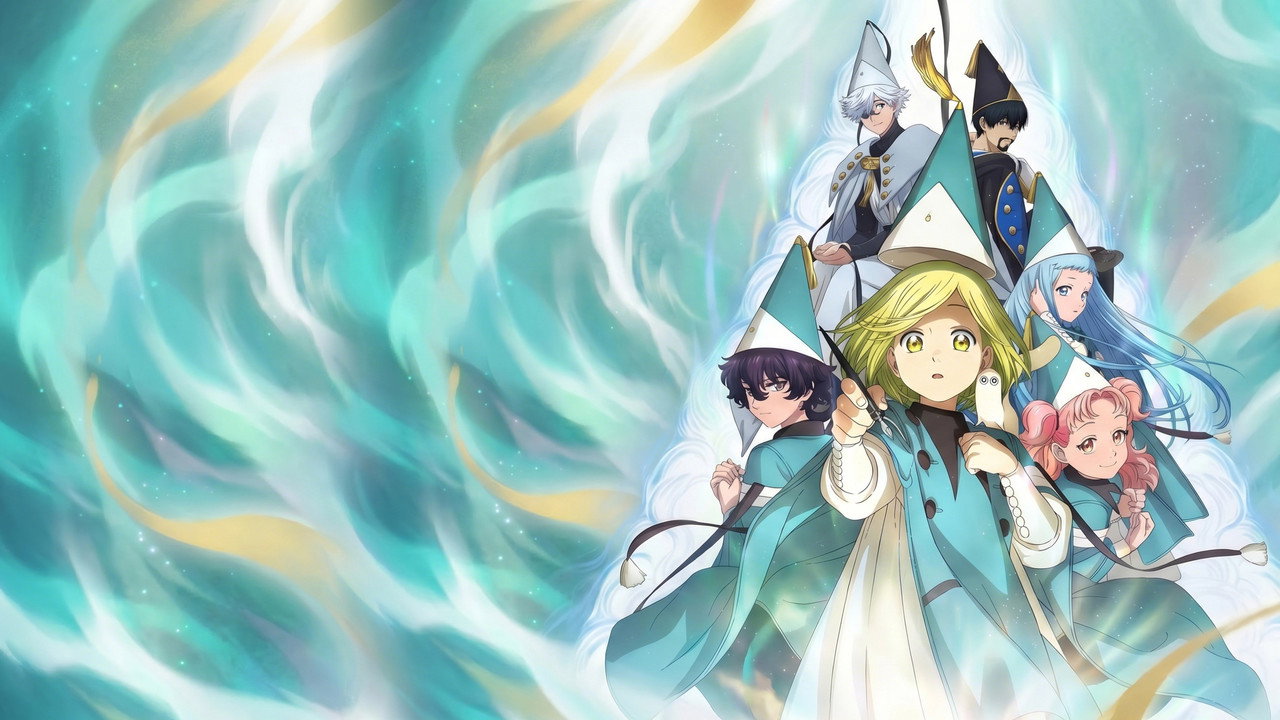
Before I forget, this series also benefits from its visual language. Shirahama’s art uses delicate hats, sleeves, ink lines, and ritual gestures, and that gives Qifrey a kind of visual authority that feels very different from the louder, more explosive mentor figures in battle anime. From my experience, that’s exactly why people keep comparing him to Gojo, even when the two characters are built for different genres.
Qifrey vs Gojo: fantasy anime fans love a matchup
Let’s be honest: Gojo is still Gojo. Since Jujutsu Kaisen exploded globally after the TV anime from Mappa launched in 2020, he’s become one of the most recognisable faces in modern anime, full stop. White hair, blindfold, absurd strength, deadpan confidence, and a very strong internet meme footprint, he basically checks every box for a fandom favourite.
That brings us to Qifrey, who wins in a much quieter way. He doesn’t need the same level of spectacle because Witch Hat Atelier is built on wonder, mystery, and craftsmanship, not constant power escalation. Gojo feels like a thunderclap, Qifrey feels like a carefully lit lantern in a workshop, and that contrast is exactly why the comparison is so sticky. My verdict: fans aren’t really asking which character is stronger, they’re asking which one feels like the new face of fantasy anime style.
Why the comparison keeps spreading
Ever wondered why online debates latch on to certain characters so fast? It’s usually because they’re easy to recognise and easy to project onto. Gojo became the shortcut for modern anime charisma, while Qifrey is now getting tagged as the possible successor for the fantasy side of that conversation, especially among readers who want a more refined, less noisy kind of cool.
Basically, the “new king” idea is less a coronation and more a fandom shorthand. Qifrey’s got the coat, the aura, the competence, and the mystery, and that’s plenty for people to start drawing comparisons. Classic Japan, isn’t it? A single character can carry a whole mood, and suddenly everyone’s debating aesthetics like it was a national sport. Sounds good, right?
What Witch Hat Atelier means for fantasy anime right now
Here’s the thing: fantasy anime has been looking for fresh energy that isn’t just 異世界 (isekai, another world) reincarnation loops or oversized power systems. Witch Hat Atelier offers a different route, one rooted in drawing, patience, rules, and the beauty of learning. That makes it appealing not only to anime fans, but also to Japanese learners who want series-specific vocabulary and a slower, more readable pace.
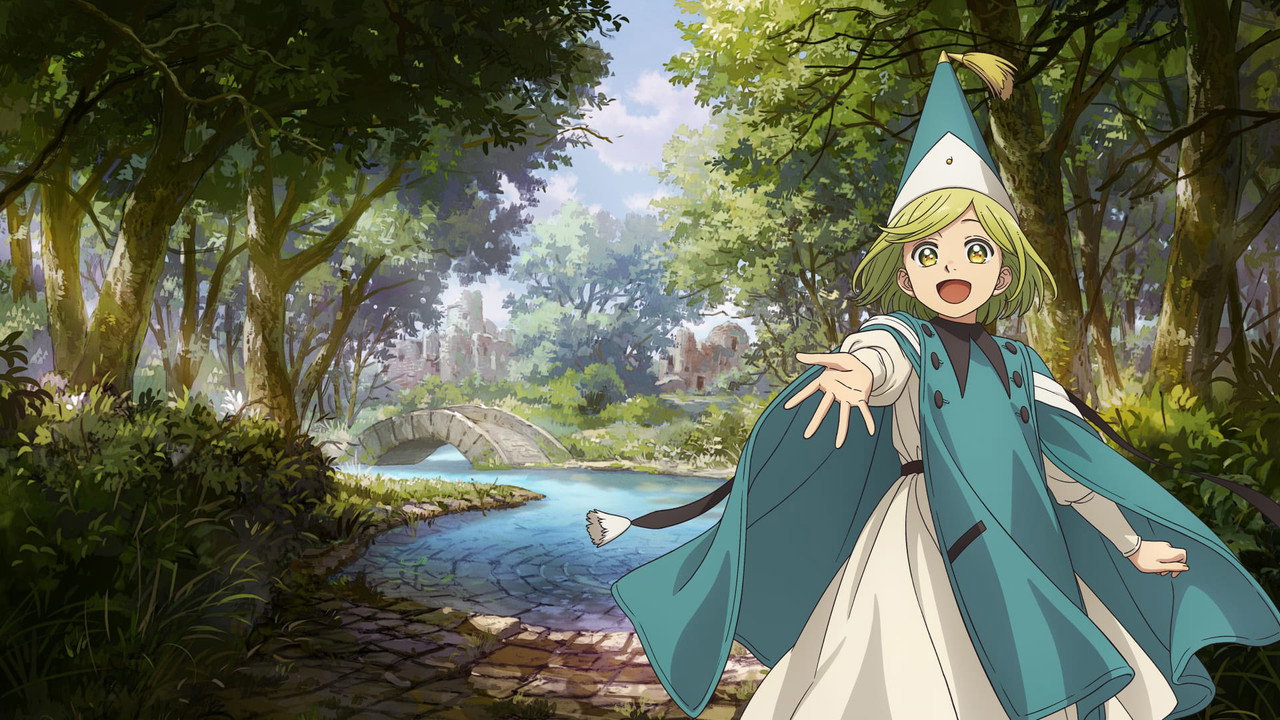
If you study Japanese, this is the sort of title where context helps a lot. Terms tied to tools, fabrics, ink, light, and ritual all matter, and that can make reading feel rewarding instead of exhausting. Compared with back home, where fantasy often defaults to speed and noise, Witch Hat Atelier feels like a workshop lesson in storytelling, and Qifrey is the teacher everybody remembers.
Oh, and I nearly forgot: the anime adaptation has been highly anticipated precisely because the manga already has that polished, almost timeless identity. Whether or not Qifrey truly becomes the next fantasy king, the fact that people are even asking the question says a lot. It means Witch Hat Atelier has crossed from “good manga” territory into “mainstream anime meta” territory, and that’s simply brilliant. From my experience, that’s where fandom culture gets really interesting.
If you want more Japan pop-culture updates and learning-friendly reads, check out more Japan news on jpnerd.com.
In pictures
Frequently Asked Questions
Who is Qifrey?
Qifrey is a major character in Witch Hat Atelier. He acts as a mentor figure and is central to the story's magical world.
Why do fans compare Qifrey to Gojo?
Both characters have strong visual presence and a lot of fandom appeal. The comparison is more about charisma and popularity than direct story similarities.
Is Witch Hat Atelier a good pick for Japanese learners?
Yes. Its detailed world and craft-based vocabulary can be rewarding for learners who like reading with context.

