

For Japan fans and Japanese learners, this is also a neat chance to spot how modern anime buzz travels, from studios to social media, and how a title can carry old folktale energy into a shiny pop-culture frame.



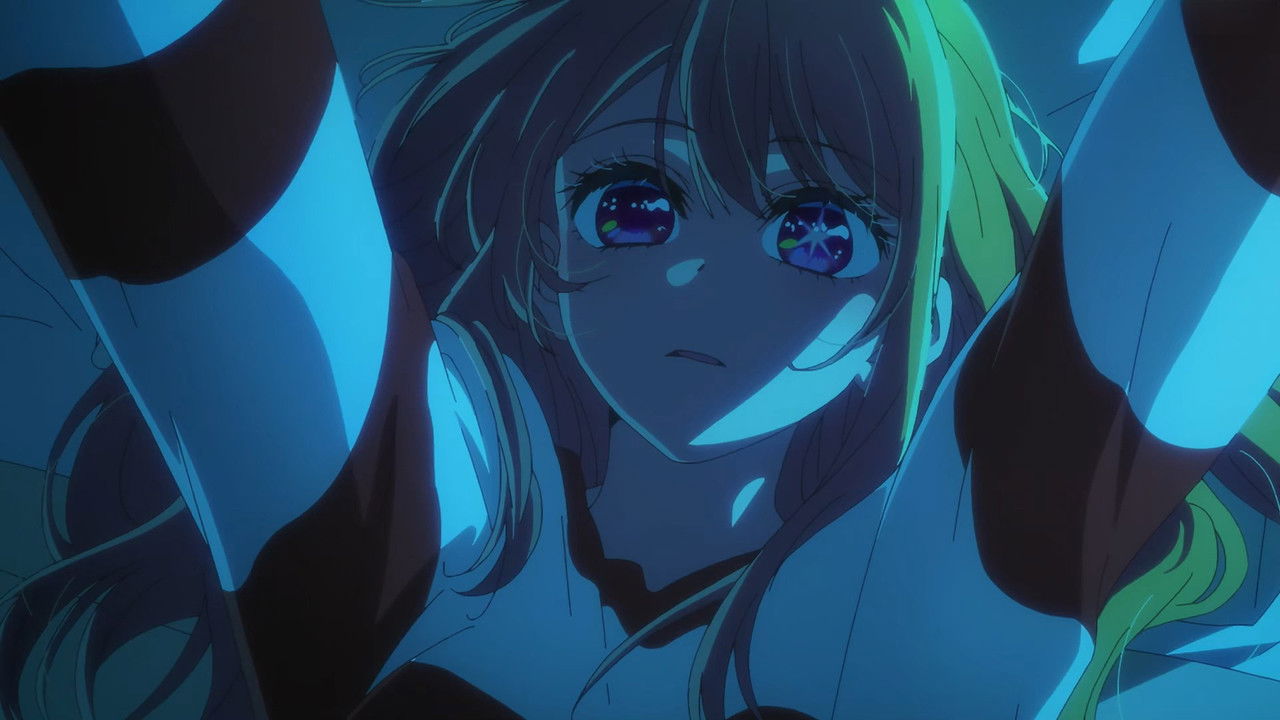
Super Kaguya-姫 (hime, princess)! is the kind of anime crossover that feels playful on the surface, then gets more interesting the longer you look at it. The project brings together Super Kaguya-hime!, Oshi no Ko, director Yamashita Shingo, and Twin Engine, so this is not just fan service, it's a very deliberate piece of anime branding.

Guess what? That mix of a classic Japanese tale and a modern idol-drama hit is exactly the sort of thing Japan does well. And if you like following anime news, this one has a lot to unpack.
Super Kaguya-hime! and Oshi no Ko, a crossover with real style
The headline idea is simple: pair a title that sounds like a fresh spin on the moon-princess legend with the glossy, emotionally loaded world of Oshi no Ko. That alone gives the project instant contrast. One side leans into old Japanese storytelling, the other into the current era of entertainment, fandom, and image-making.
Speaking of which... this is exactly why the crossover lands so well. Kaguya-hime is one of the best-known figures in Japanese literature and folklore, from Taketori monogatari, while Oshi no Ko is built around the machinery of modern celebrity culture. Put those together and you get a concept that feels both old and very now. Not bad, right?
What I especially like is how this kind of project speaks to anime fans outside Japan too. Even if you don't know every detail, you can still feel the tension between tradition and pop excess. See what I mean?

Why the title matters
The name Super Kaguya-hime! is smart because it sounds familiar, but not dusty. The word kaguya-hime immediately signals a Japanese cultural touchstone, while super gives it a bold, playful edge. For language learners, that's a nice reminder that Japanese media titles often remix old reference points instead of replacing them.
That brings us to a practical tip for learners: when you see a title like this, try to identify the base word first, then the modifier. In romaji, kaguya and hime are easy to spot, and hime means princess. Handy little vocabulary, and it sticks because the context is strong. Personally...
Yamashita Shingo and Twin Engine add weight to the project
Let's be honest: a crossover like this only works if the people behind it know exactly what they're doing. Yamashita Shingo is a major name here, and his involvement tells you the project isn't being handled casually. He has built a reputation for sharp visual direction and stylish presentation, which is exactly what a concept like this needs.
While we're at it: Twin Engine is another big signal. The company was launched in 2014 and has become a known name in anime production and planning. When you see Twin Engine attached to a project, you expect strong coordination, clear visual identity, and a polished rollout. This isn't a random web promo, it's a proper industry-backed move.
Pro tip: if you follow anime announcements in Japanese, pay attention to the production committee names. They often tell you more than the headline does. In this case, the team combination alone makes the crossover feel like a real event, not just a quick gag. Highly recommended:

What Yamashita Shingo tends to bring
Yamashita Shingo's name is linked with work that usually feels dynamic and clean, with a strong sense of rhythm. That matters for a project crossing over with Oshi no Ko, because that series relies heavily on mood, visual timing, and sharp emotional shifts. A director with a strong visual instinct can make that contrast work instead of turning it into a mess.
For Japan fans, this is the fun part of following staff credits. Sometimes a name on a poster tells you more than the trailer does. You start spotting patterns, and suddenly anime news becomes a lot more rewarding. But that's not all.
Why Japanese learners should pay attention to this kind of anime news
It's early morning in Kyoto. You open your phone, and instead of a grammar drill, you see an anime announcement packed with cultural references. That's actually a great learning moment, because titles like kaguya-hime sit right at the intersection of language and culture.
Fun fact: Japanese media is full of these hybrids. A modern project can borrow from folktales, idol culture, workplace language, or even historical periods, and still feel current. If you're learning Japanese, that means every news item can double as vocabulary practice, especially when you read titles aloud in romaji and try to match them with the cultural background.

Hand on heart: I think this is one of the best ways to stay motivated. Grammar books are useful, sure, but a crossover like this gives you context, memory hooks, and a reason to care. When you can connect hime, oshi, and production names like Twin Engine, you're not just memorising words, you're reading the media landscape. See what I mean?
And if you want more Japan pop-culture context, this is the sort of story that fits right in with larger anime industry trends, where a strong title, a known staff member, and a clear brand identity can carry a project a long way. My tip: keep a small notebook of recurring words and names, because they show up again and again. That makes future announcements easier to read, and a lot more fun.
Unlike what we're used to... this isn't just about whether a show is good or bad. It's about how Japanese entertainment packages its ideas, and how much meaning can be packed into a single crossover headline. Super Kaguya-hime! and Oshi no Ko make a surprisingly sharp pair, and the team behind them gives the idea real credibility. Personally...
If you follow anime, keep an eye on projects like this, because they often become the bridge between old stories and new fandoms. And for learners, that bridge is pure gold. You get culture, language, and industry context in one place. Not bad, right?
In pictures
Frequently Asked Questions
What is Super Kaguya-hime!
It is a title that references the classic Kaguya-hime story and is being presented in a modern anime crossover context.
Why is Oshi no Ko relevant here?
Oshi no Ko adds a contemporary entertainment and idol-world angle, which creates a strong contrast with the Kaguya-hime theme.
Who is involved in the project?
The key names highlighted are Yamashita Shingo and Twin Engine, both of which add industry weight to the announcement.

