

The clip was published on the official YouTube channel, and it gives the current arc a sharper, more dramatic identity. For Japanese learners, it’s also a neat reminder that anime titles often carry extra meaning in kanji, even when the romaji sounds simple at first glance.


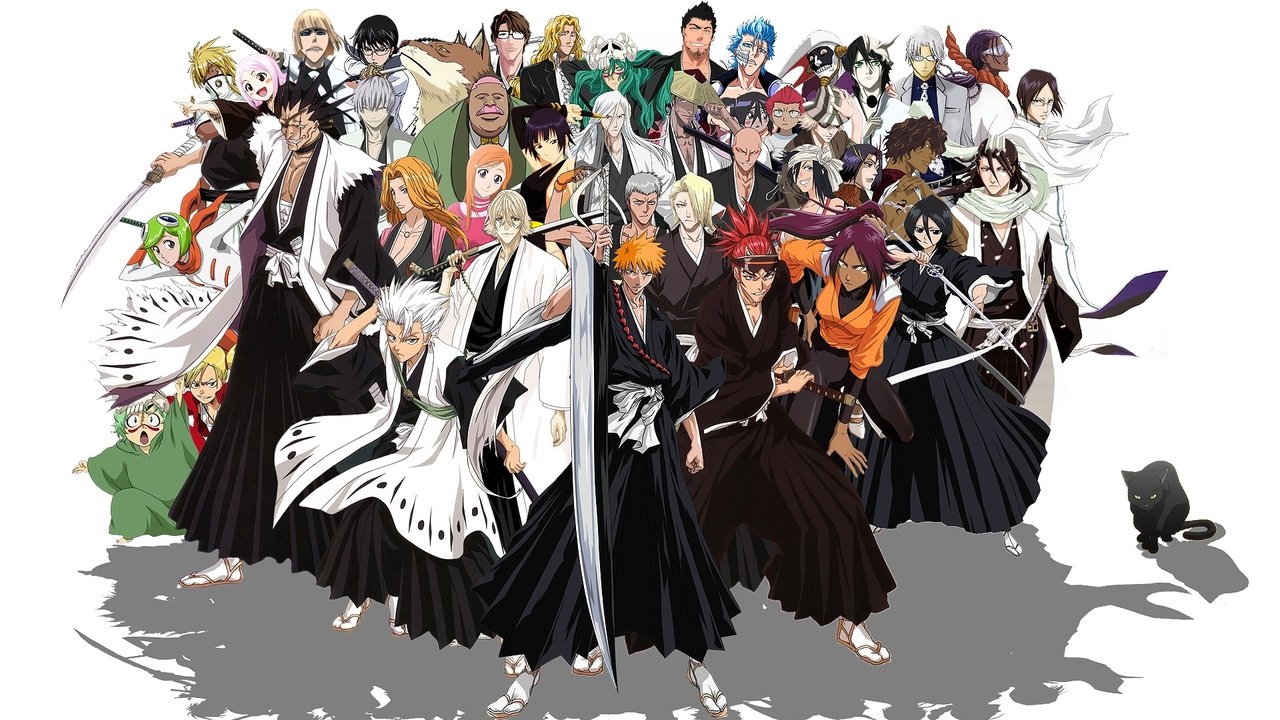
BLEACH and the new non-credit opening for Sennen Kessen-hen: Kashin Tan
BLEACH has never been shy about making an entrance, and this new non-credit opening for Sennen Kessen-hen: Kashin Tan keeps that tradition alive. The video is officially out on the franchise's YouTube channel, which matters more than it might seem, because official uploads usually give fans the clearest look at the intended visuals and music timing. No credit roll, no clutter, just the opening itself.

Plot twist: a short anime opening can say a lot about where a story is heading. This one does exactly that, using fast cuts, strong contrasts, and a darker tone to match the arc title. That’s why fans of BLEACH are paying attention not only to the song and animation, but also to the way the imagery reflects the mood of the Thousand-Year Blood War continuation. Sounds good, right?
For Japanese learners, the title is a nice little language lesson too. 千年 (Sennen, thousand years) 決戦篇 (決戦 (kessen)-篇 (hen, arc; part), decisive battle arc) means something like “Thousand-Year Blood War arc”, while kashin points to ruin, chaos, or a kind of downfall depending on context. Even if you only know a few Japanese words, BLEACH titles are a reminder that kanji titles often pack extra atmosphere. Classic Japan, isn’t it?
What the official YouTube release tells us
Here’s the thing: when an anime puts out a non-credit opening on its official channel, it’s not just recycling content. It’s a statement. The production team is giving the opening its own spotlight, and for a series as big as BLEACH, that can help keep the seasonal buzz alive between episode drops.

Unlike what we’re used to with quick fan edits or low-quality reposts, the official video keeps the colours crisp and the motion sharp. You can actually read the scene transitions properly, which makes a big difference when the opening is packed with symbolic cuts and character shots. To be fair, BLEACH openings have always relied on style as much as pure information, so the official version feels like the right place to watch it.
What I especially like is how the release frames the arc as a serious event, not just another weekly episode cycle. Anime fans know this pattern well, but it still works: a strong opening can reset the audience's mood in seconds. Seriously though, that kind of visual branding is one reason long-running franchises stay relevant for years.
BLEACH, Shueisha, and the power of an arc-specific release
Basically, BLEACH is a franchise that understands timing. The original manga by Tite Kubo ran in Shonen Jump from 2001 to 2016, and the anime brand has carried that legacy through multiple eras. The current adaptation of the final arc, BLEACH: Sennen Kessen-hen, has been one of the biggest anime comebacks of recent years, and the naming of each part gives the production a clear identity.

The Kashin Tan label makes this release feel even more targeted. Instead of treating the opening as generic promotional material, the team ties it directly to the arc's emotional temperature. That helps casual viewers, but it also rewards fans who follow the story closely. Imagine a narrow alley in Tokyo. The mood shifts, the lights change, and suddenly every small detail feels important. That’s the kind of atmosphere this opening is aiming for.
While we're at it, official music-and-visual news like this is also good for Japanese learners who want exposure to real franchise language. Words like kessen and hen show up again and again in anime titles, game updates, and event branding. If you spot them early, you'll start recognising how Japanese media packages story arcs and sequels. Not bad, right?
Why this BLEACH opening matters for fans and learners
Let’s be honest: a lot of anime marketing feels disposable. This isn’t one of those cases. A non-credit opening from the official channel gives fans a polished, rewatchable version of the opening, and that matters for a series with such a huge visual identity. BLEACH has always been one of those titles where the opening sequence can become part of the fandom memory, not just a technical intro.

My tip: if you're studying Japanese, watch openings like this with the romaji title in mind and then compare it to the kanji later. It’s a simple habit, but it trains your eye to notice how meaning gets layered into names. For example, kashin can suggest collapse or disaster, which fits a darker BLEACH arc far better than a plain English title would. That’s a neat way to connect anime hype with actual language learning, and it doesn’t feel like homework.
For fans, the official release also keeps the discussion focused on the same version of the video. That makes reactions easier to compare, whether you’re reading comments on YouTube or checking anime news roundups. Personal opinion? I always trust the official drop more than a random repost, because the timing, quality, and framing are all intact. Simply, it’s better this way.
If you want to keep up with more Japanese pop culture and language-friendly news, check out more Japan news on jpnerd.com.
In pictures

Frequently Asked Questions
What is a non-credit opening?
It is the opening animation without the ending credits layered over it, so viewers can watch the visuals more clearly.
Why do official anime channels release these videos?
They help promote the series, keep fans engaged, and present the opening exactly as the production team intended.
Is this useful for Japanese learners?
Yes. Anime titles, arc names, and recurring terms are a practical way to build vocabulary and recognise common patterns.

