
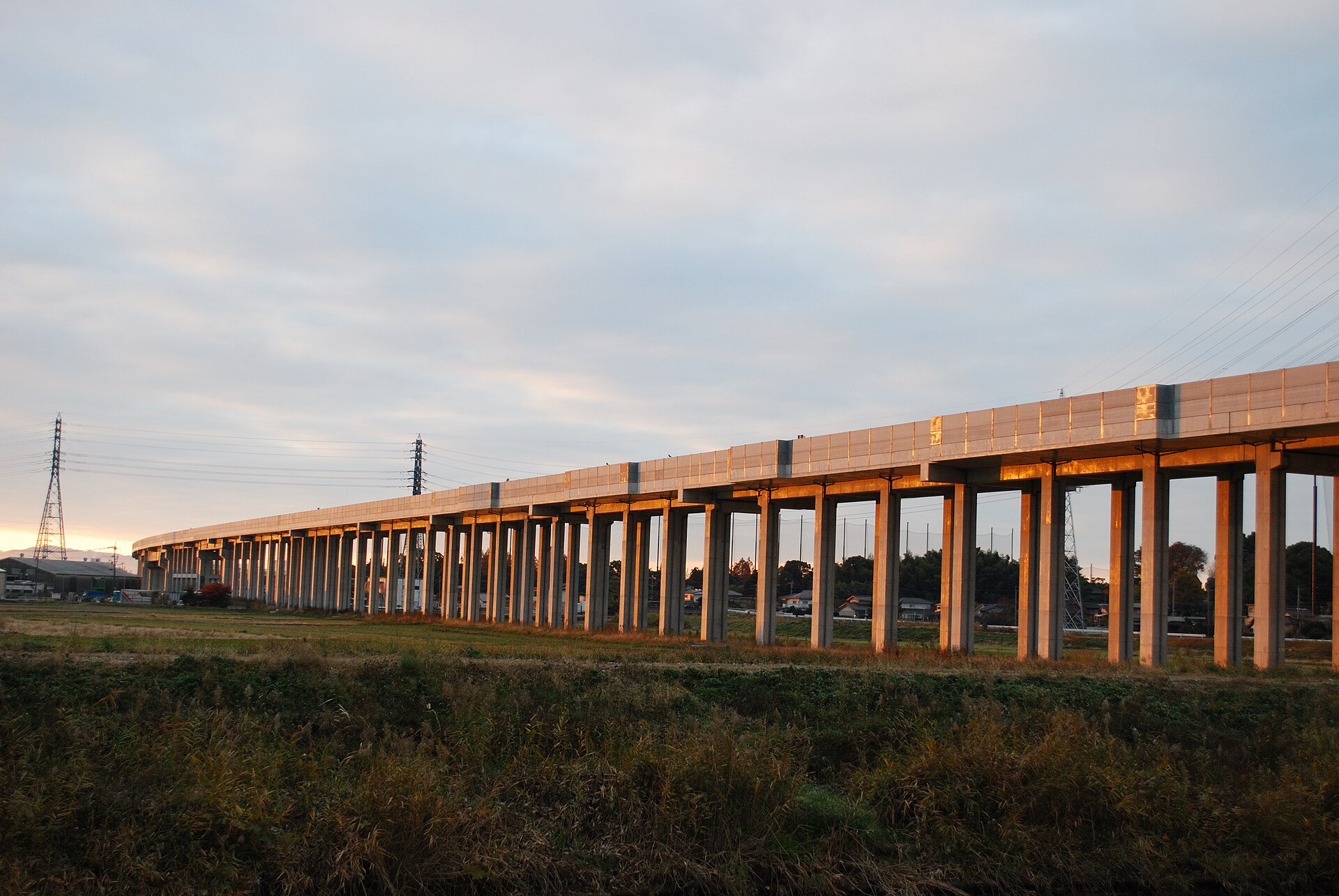
Overview
The Kyushu Shinkansen is one of those rail lines that feels practical before it feels glamorous, which is exactly why it matters. Operated by JR Kyushu, it runs about 256.8 to 257 kilometers between Hakata in Fukuoka and Kagoshima-Chuo in Kagoshima, and the fastest services cover that distance in around 1 hour and 20 minutes, depending on the train. Maximum speeds reach about 260 km/h. That is the spine of the thing. Everything else hangs off it.
The line opened in full between Hakata and Kagoshima-Chuo on 2011-03-12, and March 12, 2026 marked its 15th anniversary. A recently rediscovered JR Kyushu commercial, shared again online, captures the line in a quiet register: calm pacing, everyday scenes, and the sort of nostalgic imagery that makes you think of the last train home rather than some glossy rail fantasy. The phrase Relieved to be able to head home fits that mood well. No drama. Just movement, and the slight loosening in the shoulders that comes when a long day finally has a clean ending.
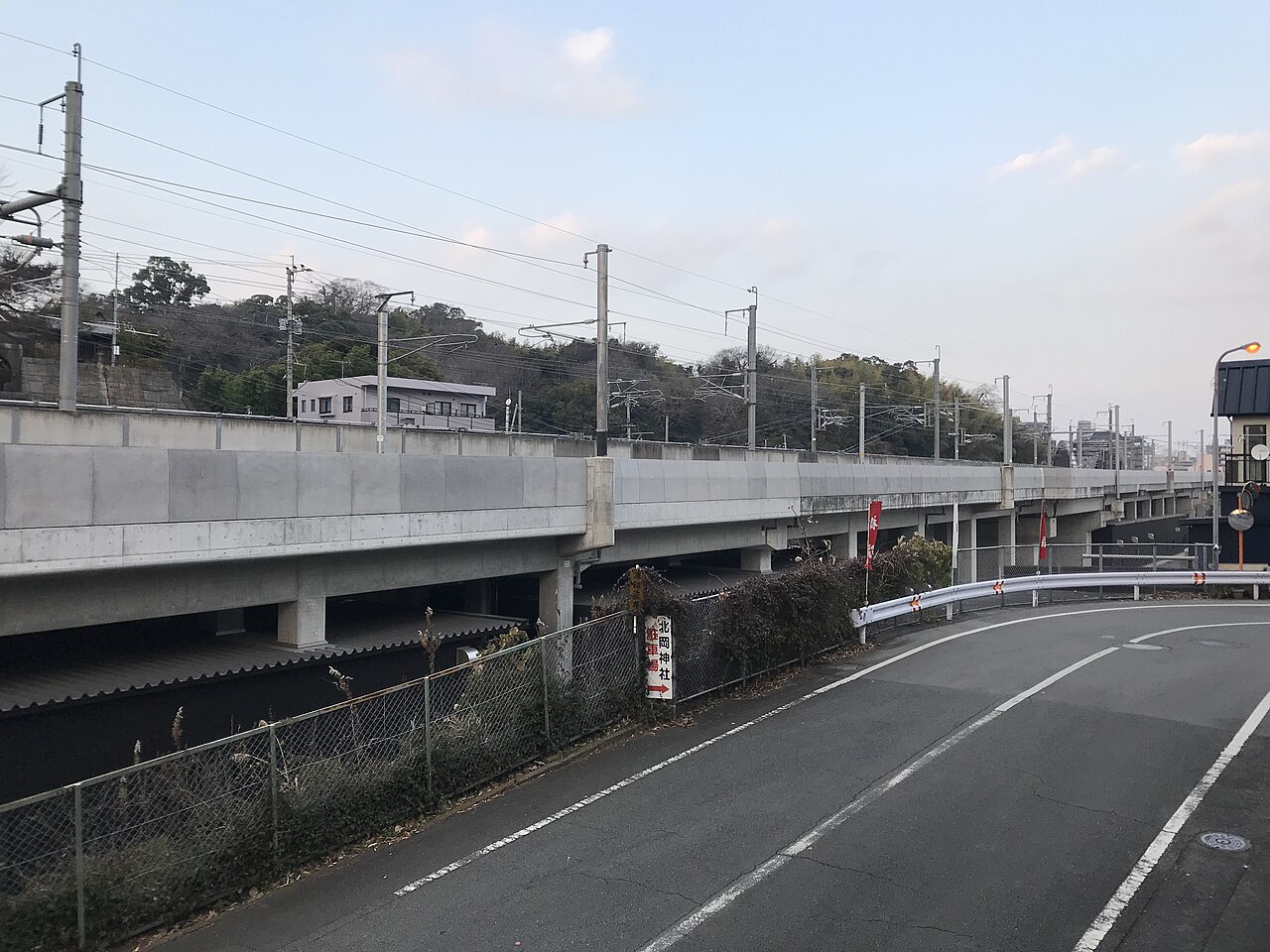
The line itself, and why people use it
For most passengers, the appeal is simple: the Kyushu Shinkansen makes a long southbound or northbound trip across Kyushu feel manageable. Hakata is the gateway in Fukuoka, Kagoshima-Chuo the southern terminus, and the service pattern is built around regular intercity use rather than novelty. If you are planning time in either city, the line is the obvious rail backbone. If you are crossing between them, it is the fast backbone. These are different things. Both matter.
The main services are Mizuho, Sakura, and Tsubame. Mizuho is the fastest of the set, Sakura sits in the middle in both speed and stopping pattern, and Tsubame serves more local-style needs on the line. In practical terms, that gives travelers a range of choices: the quickest run when time is tight, or a more measured ride when your schedule has a little air in it. Use the train that fits the day, not the one that flatters your ego.
For visitors who like to read the rails as they go, the line is also a useful place to notice Japanese rail habits in motion. A 予約 (yoyaku, reservation; booking), meaning a reservation, is the system that often shapes how people board and sit on long-distance services. Station signs, platform order, and the habit of lining up neatly are part of the texture of place here. So is oshare? No, wrong field. The more relevant concept is おもてなし (omotenashi, Japanese-style hospitality; attentive service), the careful, service-minded hospitality that shows up in small, ordinary ways: clear guidance, disciplined timing, and a sense that the system is built to reduce friction. That is the good stuff.
What changed after the 2026 disruption
There is a practical reason this line has stayed in the public eye. After the magnitude-7.1 Kumamoto earthquake of July 28, 2026, the Kyushu Shinkansen experienced disruption, then returned to regular service. Full-line operations resumed on September 18, 2026, with remaining speed restrictions near Shin-Yatsushiro. If you are reading this for travel planning, the lesson is straightforward: check current JR Kyushu announcements, station displays, and official information for delays, cancellations, replacement transport, or refunds. Rail operations can be resilient and still be uneven at the edges. That is normal. It is also worth verifying before you move.
There was also an unverified report circulating that the line was back in regular operation earlier, but the confirmed record is the JR Kyushu restoration timeline above. When in doubt, trust the operator and the station board, not a half-remembered post that sounded plausible after three coffees.
If you want background on the service recovery side of the story, see also Kyushu Shinkansen wieder im Regelbetrieb: Verkehrs-Update. It is the sort of update that saves people from standing on a platform with increasing confidence and decreasing information.
The commercial, and why it still lands
The rediscovered commercial works because it does not try too hard. JR Kyushu was responsible for the advertising, but what survives in memory is the tone: ordinary scenes, gentle motion, a slightly wistful sense of return. That kind of campaign ages well because it respects the actual use of the line. People are not always heading out for spectacle. Sometimes they are simply going home after a work trip, a family visit, or a day that has run long. The ad understands that. Us dorks can call it atmosphere; the rest of the world calls it good communication.
For rail enthusiasts and casual viewers alike, the appeal is partly visual and partly emotional. Shinkansen travel is often presented as speed and technology, but this one reminds you that the body is the point: being carried, being relieved, being back within reach of familiar streets. A line can be modern and still feel personal. That is not a contradiction. It is the whole trick.
How to experience it in Japan
If you want to ride the Kyushu Shinkansen, start in Hakata or Kagoshima-Chuo and choose a service that matches your schedule. Tickets and seat reservations are handled through the usual JR systems, and the line is easy to fold into a broader Kyushu route. You might pair it with time in Fukuoka, Kagoshima, or the stops in between, depending on how much of the island you want to thread together. Keep an eye on platform information, especially during periods of recovery work or timetable adjustments. The rail network is precise, but precision still needs checking.
For learners and train-watchers, the line is also a nice place to encounter practical rail vocabulary in context. Hakata and Kagoshima-Chuo are the anchors; Mizuho, Sakura, and Tsubame are the service names you will actually see; yoyaku tells you how seating works; omotenashi tells you why the experience feels so orderly. Not every useful Japanese term belongs in a phrasebook. Some belong on a departure board.
And yes, this is one of those rail experiences where the journey is the point and the point is the journey, but only because the journey is doing real work. It shortens distance. It reconnects cities. It lets you head home without making a ceremony of it. More soon.
Frequently Asked Questions
What cities does the Kyushu Shinkansen connect?
It connects Hakata in Fukuoka with Kagoshima-Chuo in Kagoshima.
How long is the Kyushu Shinkansen line?
The line is about 256.8 to 257 kilometers long.
How fast does it run?
Its maximum speed is about 260 km/h, and the fastest services take around 1 hour and 20 minutes between Hakata and Kagoshima-Chuo.
Which trains operate on the line?
The main services are Mizuho, Sakura, and Tsubame.
What should travelers check after service disruptions?
Travelers should check official JR Kyushu information and station displays for delays, cancellations, replacement transport, and refunds.

