
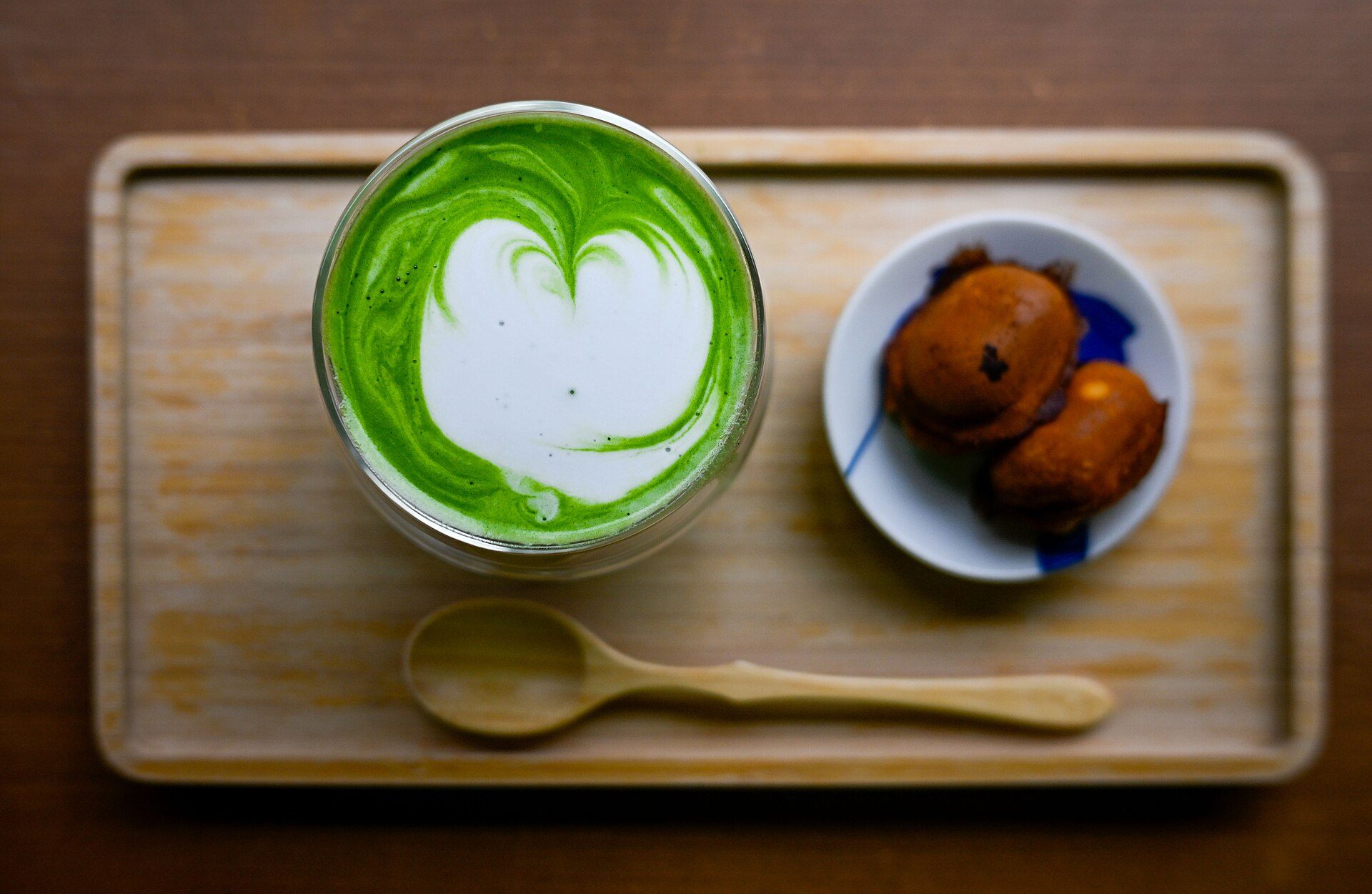
What I especially like is how clearly this project is built around product identity, Bulgari’s polished dessert style on one side and Ajiro 抹茶 (matcha, powdered green tea)’s tea know-how on the other. It feels intentional, not random, and that matters.
Bulgari Dolci x Ajiro Matcha: a luxury collab with real focus
Guess what? Bulgari Dolci and Ajiro Matcha are joining forces for a July gift box, and the pairing makes a lot of sense. Bulgari Dolci brings the world of Italian luxury desserts, while Ajiro Matcha adds the deep, earthy character of Japanese matcha. That contrast is the hook, but the real appeal is how neatly the two brands fit together.
Compared with back home, where seasonal sweets collaborations can sometimes feel a bit messy, this one sounds tightly edited. The brand names are front and centre, the product is a gift box, and the timing is clearly tied to July. For Japan fans, that seasonal release style feels very familiar, because Japan loves limited runs, short windows, and carefully framed presentation.
By the way, if you're learning Japanese, this is a nice example of how food culture shapes language. Words like お土産 (omiyage, souvenir; gift) for gift, 夏 (natsu) for summer, and matcha for powdered green tea come up constantly in everyday life, menus, and seasonal campaigns. You don't need to be fluent to spot the pattern, and honestly, that pattern tells you a lot about how Japanese brands think.
What Bulgari Dolci and Ajiro Matcha bring to the table
Fun fact: Bulgari Dolci is part of the Bulgari luxury universe, so the name already carries a strong visual identity. When a high-end brand like this enters the sweets space, the packaging usually matters almost as much as the taste. That's especially true in Japan, where a gift box is rarely just a box; it’s part of the experience.
Ajiro Matcha is the Japanese side of the story, and this is where the collab gets interesting. Matcha has moved well beyond standard tea culture; it now shows up in pastries, chocolates, soft serve, and premium gifts. But premium matcha still has to taste balanced, slightly bitter, and aromatic, or the whole thing falls flat.
Why this pairing works
Trust me on this one: luxury and matcha can be a very strong match when the execution is clean. Bulgari Dolci can handle the elegance, the visual polish, and the giftable feel. Ajiro Matcha can supply the Japanese flavour identity, which gives the box real cultural weight instead of just a trendy green colour.
Here's the thing: this kind of collaboration is strongest when neither side feels diluted. If the matcha tastes too sweet, tea fans notice. If the luxury side looks too plain, the premium audience loses interest. So the sweet spot is a box that feels expensive, seasonal, and distinctly Japanese at the same time. Convinced yet?
July gift box release and why timing matters
Let's be honest: July is a smart month for a Japan-themed gift box. Summer gifting in Japan often leans into lighter flavours, cooler presentation, and a sense of seasonal freshness. A boxed dessert set with matcha can work especially well if it feels refined rather than heavy.
And it gets better: the July timing also makes the box feel limited, which is a big part of Japanese product culture. Limited-time items create urgency, and they also make the product feel collectible. If you follow Japanese department store sweets, convenience store seasonal drops, or hotel patisserie releases, you know how powerful that can be.
On a related note, this is the kind of release that Japan enthusiasts tend to love because it sits at the intersection of food, design, and seasonal culture. A July gift box isn't just a dessert item, it’s a small piece of summer branding. Personally, I think that is what makes it memorable. But that's not all.
Japanese learning angle: useful words around the collab
Basically, if you want to talk about this collab in Japanese, a few words will take you far. Omiyage means souvenir or gift, and it is one of the most useful words for travellers and food lovers. Matcha is already international, but you'll also see 和菓子 (wagashi) for Japanese confectionery and 特別 (tokubetsu) for special or limited items.
Here's a quick learning angle you can actually use. If you say, “Kono omiyage wa tokubetsu desu,” you're saying, “This gift is special.” If you want to describe the matcha flavour, “matcha no 香り (kaori, aroma; scent)” means the aroma of matcha, and that phrase shows up often in product copy. My tip: learn these short combinations, because they make Japanese menus and press releases much easier to read.
This is my absolute hidden gem! Reading seasonal product announcements is a great way to learn practical Japanese without forcing it. You pick up words tied to holidays, packaging, taste, and presentation, which is exactly the kind of vocabulary Japan fans use all the time. Simply brilliant.
Frequently Asked Questions
What is the Bulgari Dolci and Ajiro Matcha release?
It is a July gift box collaboration that combines Bulgari Dolci sweets with Ajiro Matcha tea themes.
Why is this collaboration interesting?
It brings together luxury branding and Japanese matcha in a clear, product-focused release.
Is this a good topic for Japanese learners?
Yes, because it includes useful vocabulary around gifts, seasonal products, and tea culture.


