And yes, this is exactly the kind of crossover Japan fans love, because it mixes idol-level fandom energy, design thinking and game culture in one place. Let me show you why this island is getting attention.
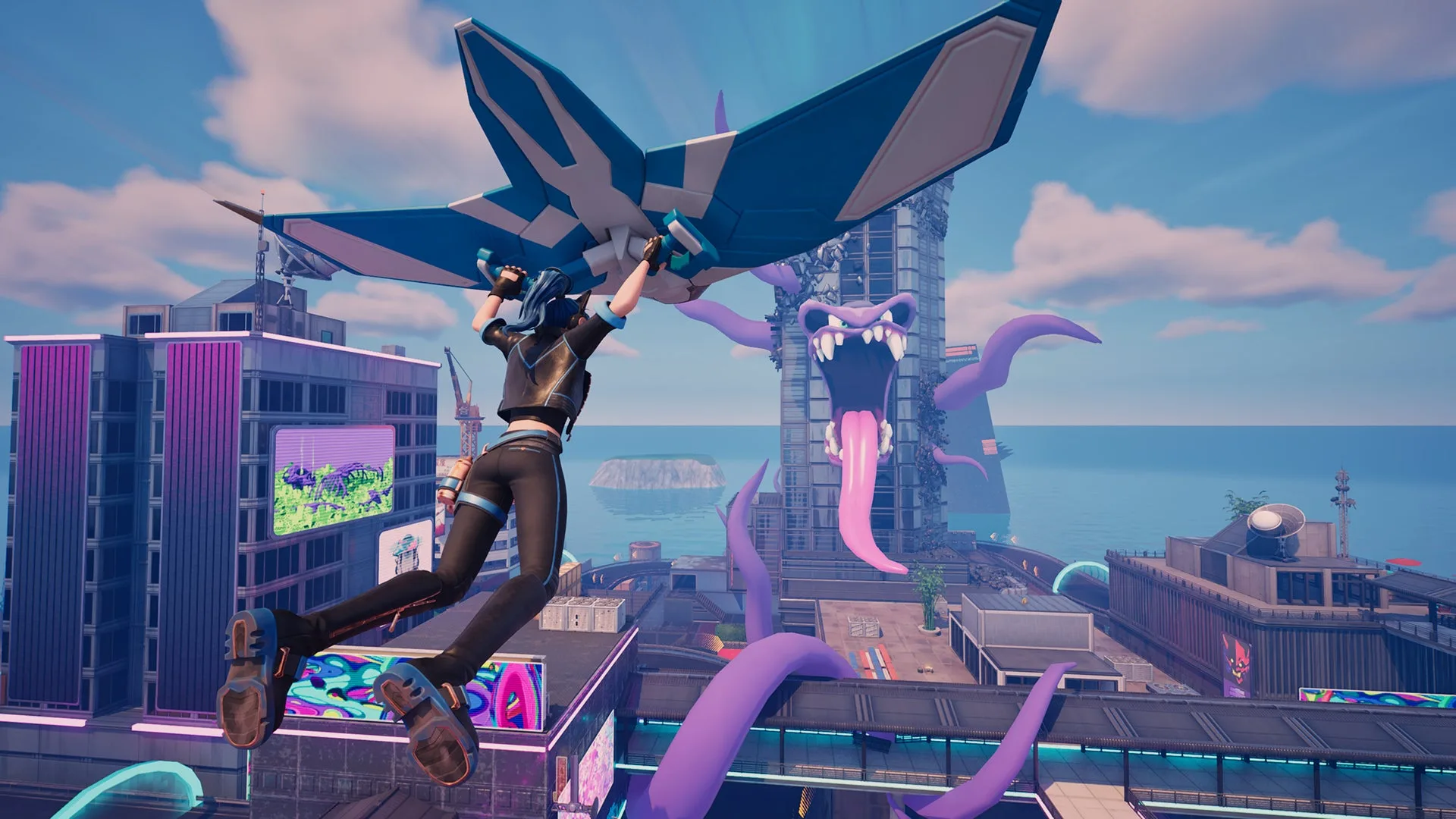
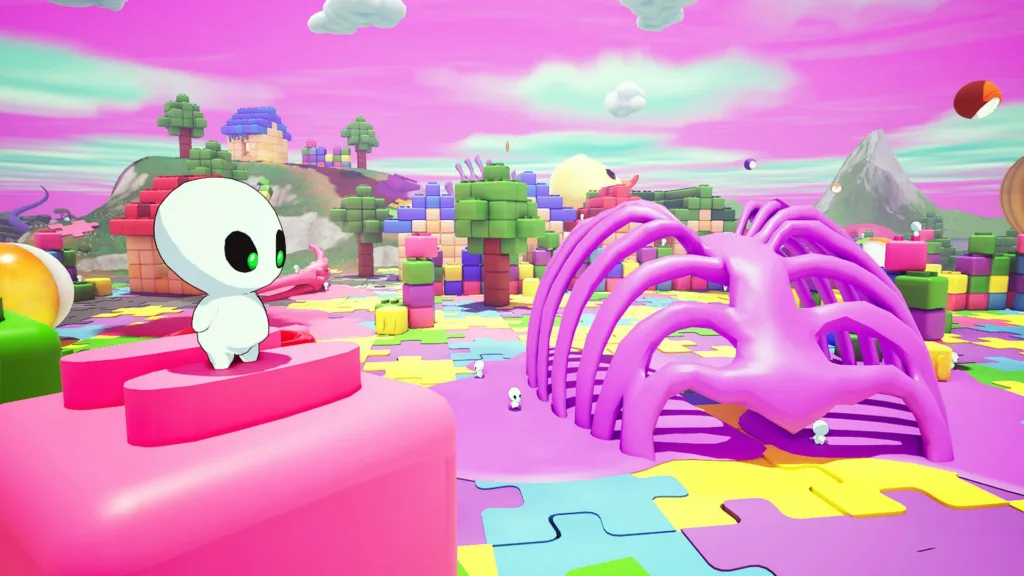
Picture this: a rock bassist, a battle royale platform and an island built like a playable art piece. That’s the basic idea behind Melty Island, the Fortnite map connected to Ryota of ONE OK ROCK, and it’s a lot more thoughtful than a quick celebrity promo.
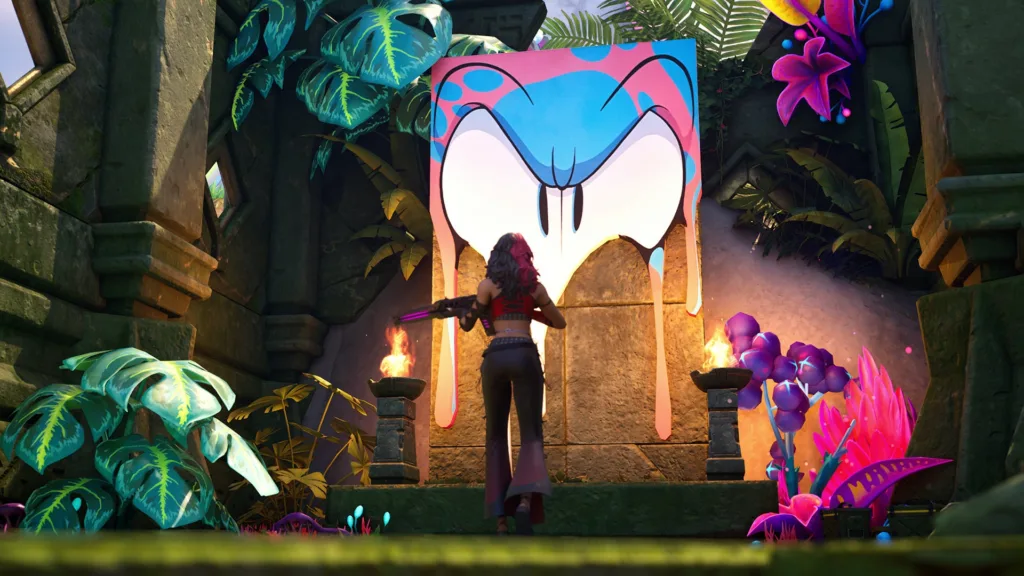
The project isn’t just about dropping a famous name into a game. The reason is simple: the map has a clear creative framework, and that framework comes from STUDIO KONBINI, with creative direction by Junji Kumahara. That detail matters, because it explains why Melty Island feels like a curated experience rather than a random branded world. Not bad, right?
Ryota, ONE OK ROCK, and a different kind of fan project
Unlike what we're used to from standard music tie-ins, Melty Island feels built for exploration. Ryota’s name gives the project instant recognition, of course, but the real draw is how the island turns his artistic side into something playable. If you follow Japanese music culture, you’ll know ONE OK ROCK fans often care about image, design and mood just as much as the songs themselves.
That brings us to the larger context. Japanese artists often build strong visual worlds around their work, from album covers to live stages and merchandise. Melty Island fits that mindset. It doesn't just say, “Here’s a map.” It says, “Here’s a space with a personality.” Convinced yet?
For Japanese learners, this is a nice reminder that creative projects often use words like 作品 (sakuhin) for a work, 設計 (sekkei) for design and 感性 (kansei) for sensibility, even when the final result is in English-speaking game culture. Knowing that kind of vocabulary helps you notice how Japanese creators think about their output, not just how they promote it. My tip: pay attention to that mindset whenever you read about Japanese pop culture projects.
Melty Island in Fortnite and the team behind it
Let me show you why the name STUDIO KONBINI is worth remembering. In Japan, creative studios like this often work across media, not just one lane. Here, that cross-media approach makes sense, because Fortnite maps can function like tiny digital exhibitions, with movement, visuals and pacing all working together.
Take Junji Kumahara, for instance. As creative director, he’s the person you’d expect to shape the overall mood, decide what each zone should feel like and keep the island from becoming a messy collage. That role is easy to underestimate, but it’s usually the difference between “cool idea” and “memorable experience.” Sounds weird, but it's true.
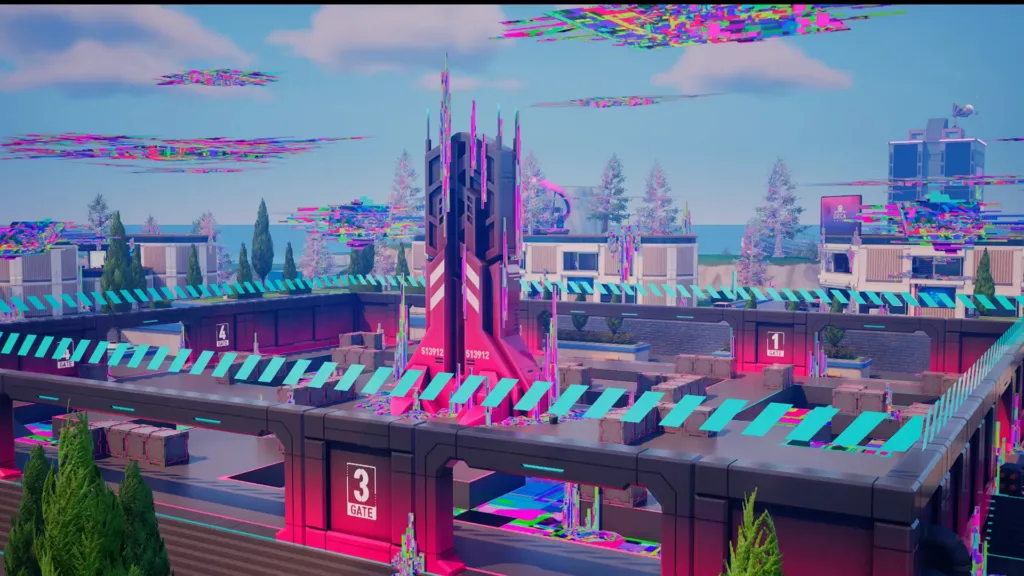
Oh, almost forgot: this is where the game side becomes especially important. Fortnite Creative maps live or die by structure, and Melty Island reportedly builds that structure around five distinct play areas. That number matters because it signals intention. Five areas means the map isn’t just a single arena, it’s a route, a rhythm, a set of moods. That’s the kind of planning that makes people stay longer.
Why five areas make the island stronger
Five zones give the creators room to vary pace, visuals and interaction. A map with too few spaces can feel flat fast, while too many can lose direction. Here, five is a neat middle ground, and it lets the island show off different ideas without exhausting the player.
The best part: each area can act like a chapter. One zone can be calm, another chaotic, another more artistic and so on. For fans of Japanese design culture, that kind of compartmentalised flow feels very familiar, almost like moving through rooms in a gallery or corners of a festival. Personally, I think that’s what makes the project interesting instead of merely trendy.
What Melty Island says about Japan fan culture and game design
Guess what? Projects like this tell us a lot about modern Japan fandom. They show how artists, studios and game spaces can overlap without feeling forced. A musician’s name can pull people in, but the creative execution keeps them there, and that’s where STUDIO KONBINI and Junji Kumahara really earn their place in the conversation.
On a related note: this also reflects how Japanese fans often engage with layered media. They don’t just consume a song, a map or a character, they read the mood, the references and the design language behind it. If you’re learning Japanese, that’s a helpful habit to build. When you see words like 世界観 (sekai kan, worldview) or クロスメディア (kurosu-media, cross-media), think about how the project builds a world, not just a product. My verdict: Melty Island sounds like one of those fan projects that understands the assignment.
What I especially like is the balance here. Ryota gives the project star power, but the map still has enough creative identity to stand on its own. That combination is rare, and it’s exactly why this Fortnite island deserves attention from both gamers and Japan watchers. And if you’re following Japanese entertainment trends, this is the sort of story that shows how flexible the scene has become. You’ll want to keep an eye on more projects like this.
In pictures
Frequently Asked Questions
What is Melty Island?
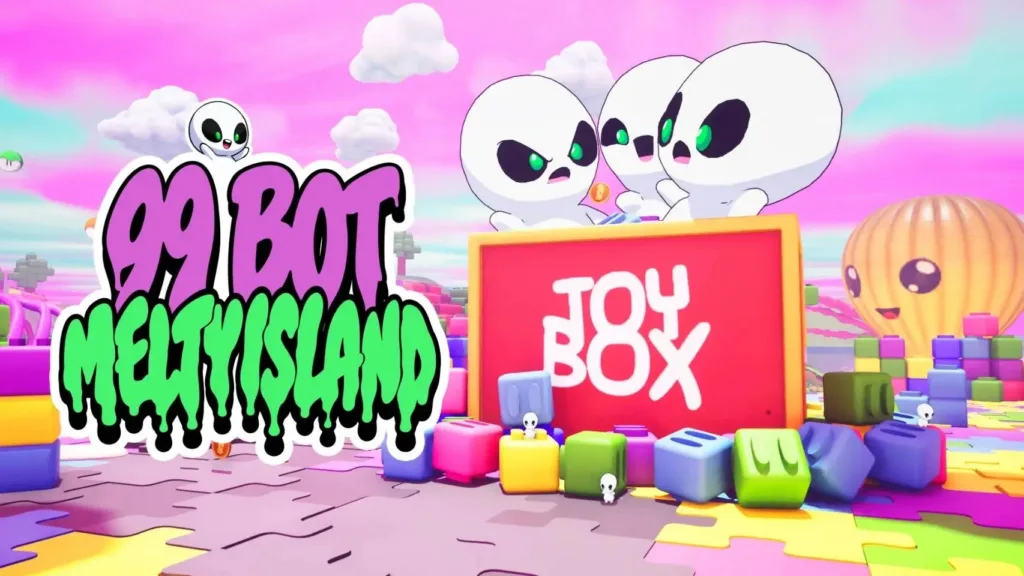
Melty Island is a Fortnite map connected to Ryota from ONE OK ROCK, created as a fan project with a strong visual and gameplay concept.
Who handled the creative direction?
Creative direction was handled by STUDIO KONBINI and Junji Kumahara.
How many play areas does the map have?
The map is built around five play areas, giving it a clearer structure and more variety.