
Hand on heart: once you start spotting natsu inside compound words, Japanese stops feeling random and starts feeling wonderfully patterned.
Know that feeling when a Japanese word suddenly clicks because you recognise one small part inside it? That’s exactly what happens with natsu, the Japanese word for summer. It appears in more than plain season talk, and once you start looking for it, you’ll see it popping up in words that are practical, cultural, and very Japanese.

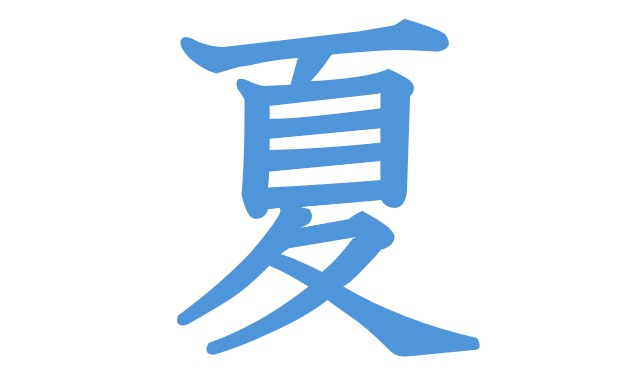
This is where Japanese learning gets fun. Natsu is written as the kanji 夏, and that character isn’t just about temperature, it carries the whole seasonal mood of Japan, from cicadas and fireworks to beach trips and sweaty train rides. Here are eight useful summer-related words built around natsu, plus the cultural angle that makes them worth remembering.
Natsu as a Word Building Block in Japanese
Trust me on this one: learning Japanese compounds is one of the fastest ways to grow your vocabulary. The reason is simple: Japanese loves building words out of smaller meaning units, and natsu is a perfect example because it can sit at the front or back of a compound and still keep its summer vibe.
Hand on heart, this is the kind of pattern Japanese learners should spot early. It helps with reading, it helps with guessing meanings, and it makes kanji feel less like isolated symbols and more like living pieces of language.
1. natsu
Let’s start with the obvious one. Natsu means summer, written as 夏, and it usually refers to the season from June to August in Japan, though the feeling of summer often starts earlier because of tsuyu, the rainy season, which hits much of the country in June and early July.
In daily speech, you’ll hear natsu in simple sentences like natsu ga suki, meaning you like summer, or natsu yasumi, meaning summer vacation. My tip: learn this one together with its kanji right away, because 夏 is a building block you’ll meet again and again. Convinced yet?

2. natsuyasumi
Picture this: schoolkids in Japan finally break free for the long summer holiday, and everyone starts talking about natsuyasumi. The word combines natsu and yasumi, meaning rest or holiday, and it usually refers to the school summer break, which lasts about six weeks in many areas.
By the way: this word is everywhere in anime, drama, and family conversations. It’s one of those terms that instantly tells you something about Japanese school culture, because summer break isn’t just downtime, it’s a whole season of homework, club activities, beach trips, and festival memories. My verdict: super useful.
3. natsumatsuri
Here’s the kicker: if you want one word that feels instantly “Japan in summer,” it’s natsumatsuri. A matsuri is a festival, and natsumatsuri usually means a summer festival with yatai food stalls, yukata, taiko drums, goldfish scooping, and fireworks.
These festivals are deeply tied to neighbourhood shrines and local traditions, and many towns in Japan hold them from July into August. Some of the most famous fireworks events, like the Sumida River Fireworks Festival in Tokyo, draw huge crowds and turn the riverside into a sea of summer energy. Not bad, right?
4. natsu-rasii
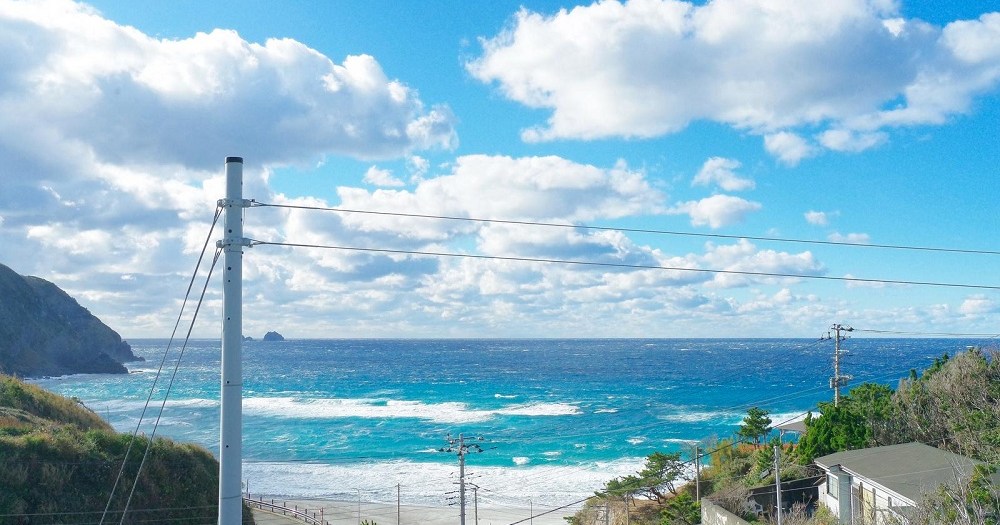
Did you know that Japanese has a neat way to describe something that feels exactly like summer? Natsu-rasii means summer-like or summery. You might hear it when the weather suddenly gets hot, when you see bright blue skies, or when someone says a scene has that perfect seasonal mood.
The suffix rasii is useful beyond this one example, because it can mean “typical of” or “resembling”. So natsu-rasii is a nice learner word with a grammar bonus built in. The best part: it’s short, natural, and easy to use in everyday conversation. See what I mean?
More Summer Words Built Around Natsu
Here’s the catch: not every useful summer word is about holidays and fireworks. Some of the best ones describe the uncomfortable, sticky side of Japanese summer, and if you’ve ever spent August in Tokyo, Osaka, or Nagoya, you already know why these words matter.
Japan’s summer is intense. Temperatures regularly climb above 35 C in many cities, humidity can feel brutal, and the air-conditioning battle is real on packed trains, in convenience stores, and even inside some older homes. That’s why vocabulary around heat and atmosphere is so handy for learners.
5. natsubate
Natsubate is one of the most practical words on this list. It means summer fatigue, that drained, sluggish feeling that hits when heat and humidity wear you down.
You’ll hear it in real life when people talk about losing their appetite, sleeping badly, or feeling low-energy in August. In Japanese, it’s a very familiar topic, especially because summer fatigue is taken seriously enough that people are often advised to hydrate, eat lighter meals, and keep their salt levels up. The reason is simple: Japanese summer can genuinely knock you sideways.
6. natsudori
Picture this: a seasonal menu, a limited-edition drink, or a bright piece of clothing advertised as natsudori. The word means summer-limited or summer-only, and it’s common in marketing, fashion, food, and event promotion.
This is especially useful if you like shopping in Japan, because seasonal labels are everywhere. Convenience stores, snack brands, and department stores love releasing summer versions of products, often with citrus flavours, cold desserts, or cooling packaging. On the flip side, that also means natsudori items disappear fast, so if you see one you like, don’t wait too long.

7. natsuge
What I especially like: natsuge is a bit more literary-feeling, and it refers to summer hair or a hairstyle that suits summer. You won’t hear it as often as natsuyasumi, but it still shows up in beauty talk, magazines, and style descriptions.
Japanese language learners often forget that season words can show up in fashion vocabulary too. In Japan, summer style has its own logic, because people are balancing heat, humidity, and appearance at the same time. Light fabrics, shorter cuts, and airy styling all fit the natsuge idea nicely. Highly recommended: keep an eye out for it in magazines or salon ads.
8. natsu no yoru
Let’s finish with a phrase rather than a single compound. Natsu no yoru means summer night, and it carries a very strong image in Japanese culture, from cicadas singing outside to fireworks blooming above the river.
This phrase matters because Japanese summer isn’t only about daytime heat. Nighttime is when many people actually enjoy the season, heading to festivals, walking by shrines, or cooling off with shaved ice and a breeze after sunset. If you want a sentence that feels lyrical and useful at the same time, this is a good one to remember. My tip: say it out loud, because it sounds lovely.
Why natsu Words Help Your Japanese
By the way: these eight words do more than pad your vocabulary list. They teach you how Japanese builds meaning through compounds, how kanji like 夏 can anchor a whole semantic field, and how seasonal life in Japan shapes everyday language.
If you want to sound more natural, try learning vocabulary in small clusters. Natsu, natsuyasumi, natsumatsuri, natsubate, and the rest make a neat family, and that family tells you a lot about Japanese life in summer. You get school holidays, festivals, weather, mood, shopping, and even style, all from one root. Convinced yet?
In pictures


Frequently Asked Questions
How do I remember natsu vocabulary faster?
Group the words by situation, such as holidays, festivals, weather, and style. That makes recall much easier than memorising them one by one.
Why is summer such a big topic in Japanese?
Japan’s summer is hot, humid, and full of seasonal events, so many everyday conversations naturally revolve around the weather, school breaks, and local festivals.
Should I learn the kanji for summer early?
Yes, because it appears in many common compounds. Learning it early helps you recognise patterns and guess meanings more quickly.


