
For Japan fans and Japanese learners, rankings like this are handy because they show what people in Japan are actually watching, talking about, and rewatching. But let’s stick with the numbers for now.



ABEMA anime ranking 2026: a clear winner at the top
Ever wondered why anime rankings from Japan matter so much? They’re a quick snapshot of what has staying power, not just what’s trending for one weekend. ABEMA's 2026 ranking puts Jujutsu Kaisen in first place, with Frieren: Beyond Journey's End in second, and that gives us a very sharp comparison right away.

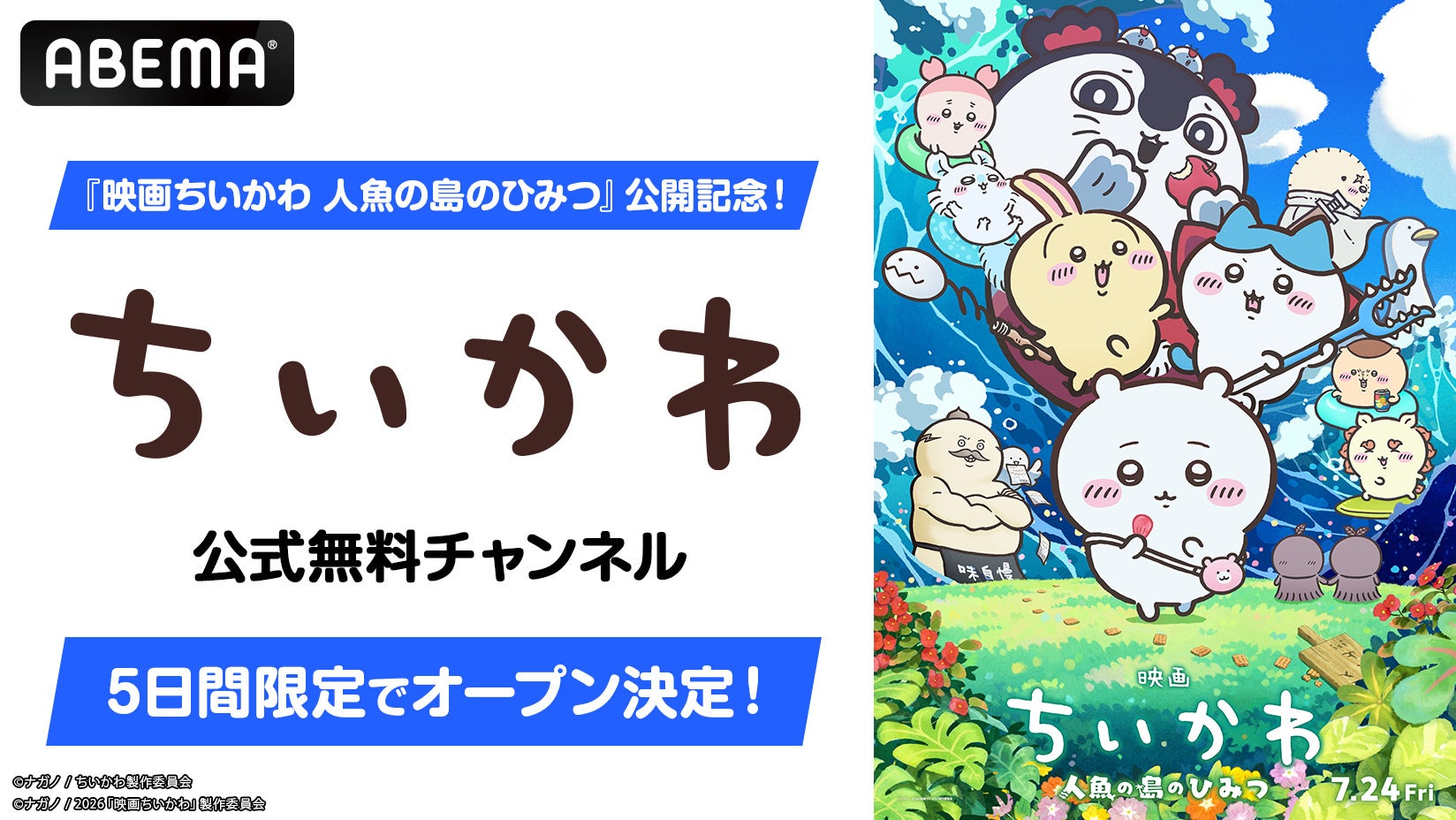
ABEMA released the ranking through a press announcement on PR Times, and the headline result is simple: Jujutsu Kaisen is the top anime title in this lineup. On the flip side, Frieren's second-place finish shows that slower, character-driven fantasy still has huge appeal in Japan. Not bad, right?
What most people don't know is that these kinds of rankings often reflect a mix of streaming reach, audience buzz, and repeat viewing habits. That makes them useful for learners too, because they hint at which titles are packed with vocabulary you'll actually hear in fan spaces, like 魔法 (mahou, magic), 結果 (kekka, result), 先輩 (senpai, senior; upperclassman), and 決戦 (kessen, decisive battle). Personally...

Why Jujutsu Kaisen took first place
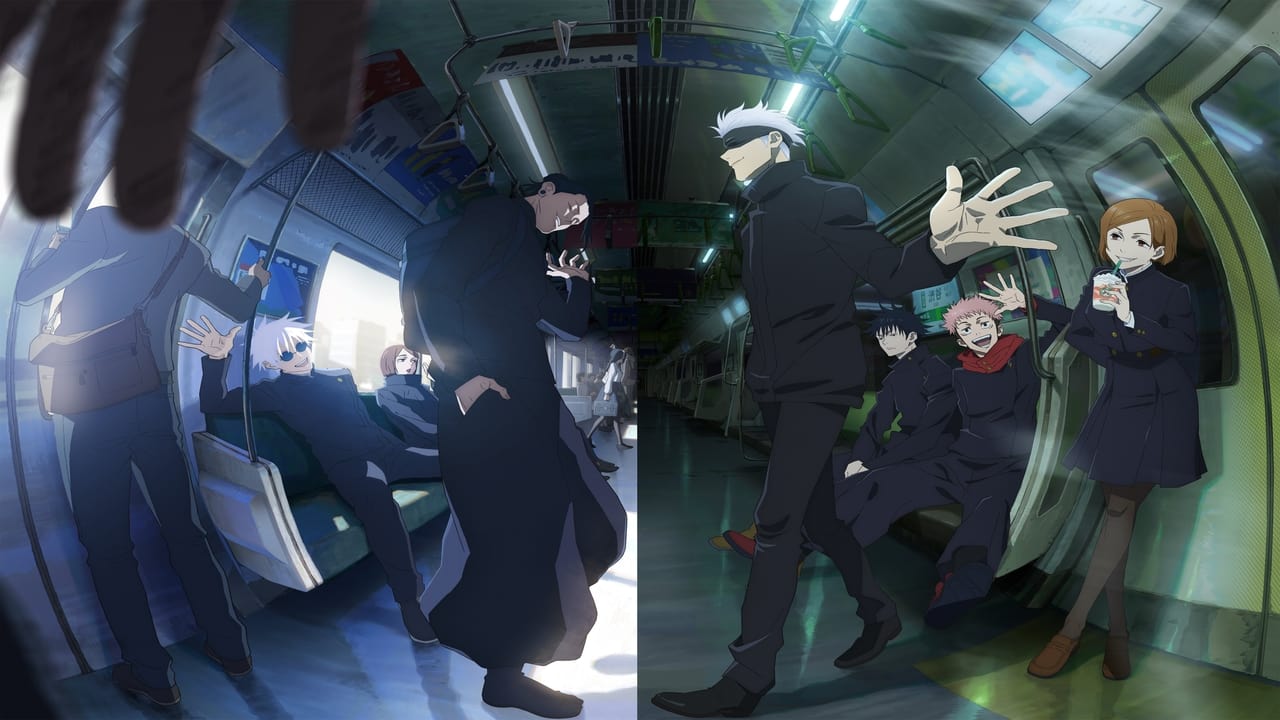
Take Jujutsu Kaisen, for instance. The anime has been one of Japan's biggest modern franchises since its TV debut in 2020, and the numbers behind it are easy to understand once you look at the bigger picture. The first season ran for 24 episodes, the second season aired in 2023, and the franchise kept moving through films, merch, collaborations, and huge online discussion.
That matters because Japan ranking culture rewards consistency. A title that keeps fans talking across seasons, specials, and movie releases has a better shot than a series that burns bright for a month and disappears. Jujutsu Kaisen does the opposite. It keeps coming back with momentum, and the fanbase responds.
Insider tip: if you're studying Japanese, Jujutsu Kaisen is also a practical watch because the dialogue includes school life terms, battle language, and emotional reactions that repeat a lot. You’ll hear やる (yaru, to do), 強い (tsuyoi, strong), 怖い (kowai, scary), and plenty of short, punchy lines that are easier to catch than in some historical dramas. My tip: use a subtitle pass first, then rewatch short scenes without subtitles. Convinced yet?

Frieren at number 2: why the calm fantasy still hits hard
On a related note, Frieren: Beyond Journey's End landing at number 2 is just as interesting as Jujutsu Kaisen taking first. The series, based on the manga by Kanehito Yamada and Tsukasa Abe, started its TV anime run in 2023 and quickly became a fan favourite for its quiet pacing, beautiful visuals, and emotional weight.
What I especially like is that Frieren doesn't chase noise. It wins with atmosphere. Its story about time, memory, and regret feels very Japanese in the best sense, because it often values pause and reflection over constant action. That makes it a great watch for learners who want to hear softer everyday language, polite phrasing, and emotional nuance that shows up in real conversations too.
Before I forget, Frieren also gives you useful cultural vocabulary around travel, seasons, meals, and memory. Words like 季節 (kisetsu, season), tabi, and omoide come up naturally in this kind of story, and they stick because the scenes are memorable. That's a big plus if you want anime that teaches language without feeling like a lesson. Personally...

What this ranking says about anime tastes in Japan
Plot twist: the gap between first and second place says as much as the winners themselves. Jujutsu Kaisen is a high-energy blockbuster with massive mainstream reach, while Frieren is a quieter prestige title that earned love through emotion and craft. Together, they show that Japanese viewers still reward both spectacle and restraint.
That brings us to a useful takeaway for Japan fans. If you follow anime rankings from ABEMA, Oricon, or Anime News Network, you'll notice that the best-performing shows are often the ones that create a strong cultural loop: anime, manga, social media, goods, events, repeat. That loop is exactly what makes a title feel unavoidable in Japan.
Imagine a narrow alley in Tokyo. A tiny poster for an anime can sit next to a convenience store ad, a collab cafe flyer, and a station banner, all for the same series. That's how these hits spread here, not just through one screen, but across daily life. For learners, that means the franchise name becomes part of your reading and listening environment, which is great practice. My verdict:
In pictures

Frequently Asked Questions
What did ABEMA rank as the number one anime in 2026?
ABEMA ranked Jujutsu Kaisen as number one in its 2026 anime ranking.
Which anime came in second?
Frieren: Beyond Journey's End took second place.
Why do Japanese anime rankings matter for learners?
They show which titles are actively discussed in Japan, so learners can focus on series with strong cultural relevance and useful everyday vocabulary.

