
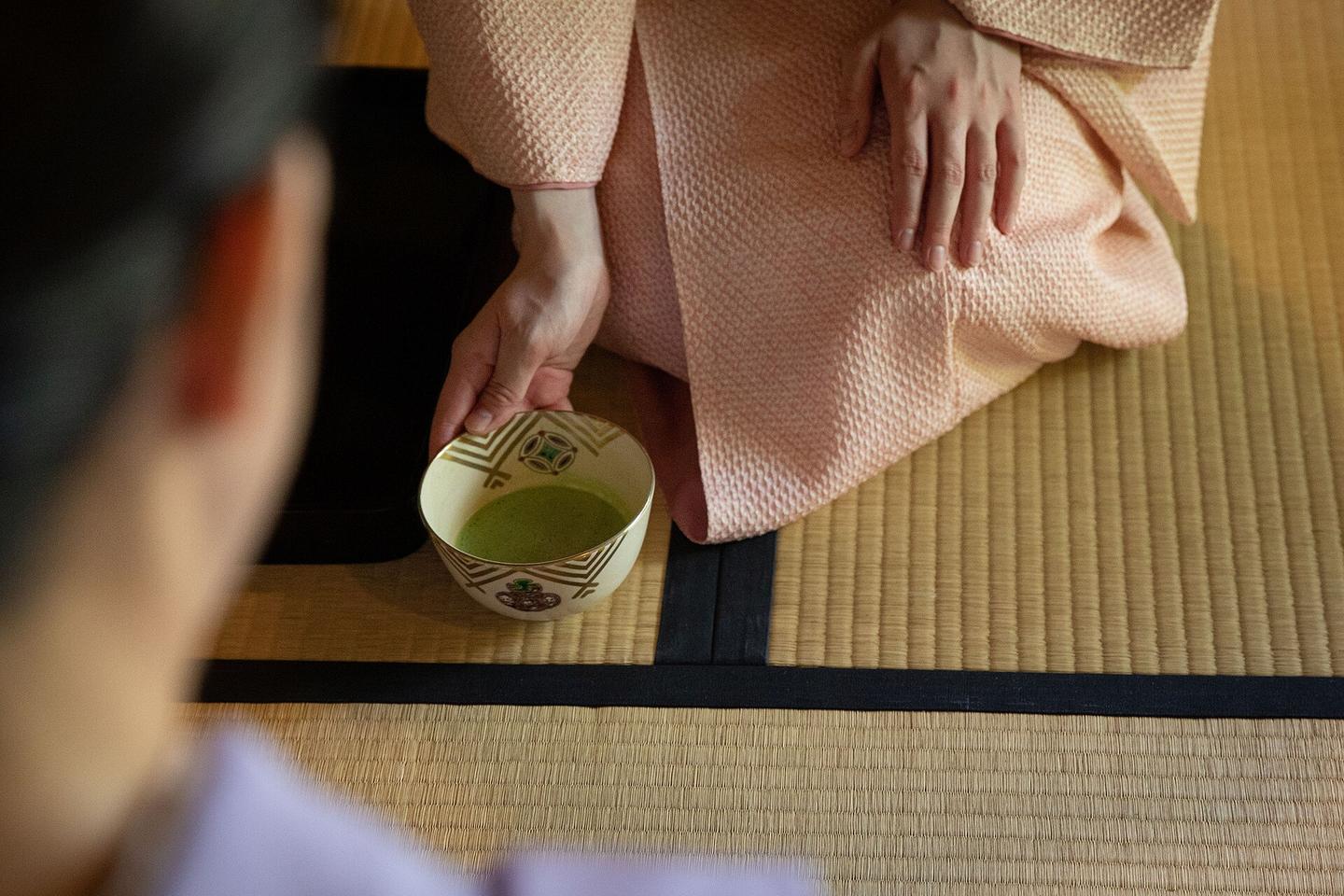
Picture this: a drink that used to be tied to tea rooms, temples, and patient ritual is now showing up in lattes, desserts, and fitness posts from Tokyo to New York. The reason is simple: hype moves fast, farming doesn't.
Matcha's global rise is rewriting Japan's tea economy
抹茶 (Matcha, powdered green tea) has become one of Japan's best-known exports, and the market has changed fast. Cafes, convenience stores, and specialty brands all want the same bright, finely milled green tea powder, but the supply chain behind it is much slower than the trend cycle.
What most people don't know is that matcha isn't just any green tea. It's made from 碾茶 (tencha, tea leaves used for matcha) leaves, shaded before harvest, then stone-ground into powder. That process takes time, careful handling, and farmers who can keep standards high, which is exactly where the strain begins. My tip: if you're learning Japanese, remember tencha, 被せ茶 (kabusecha, shade-grown tea), and 煎茶 (sencha, steeped green tea), because those words help you see how tea culture is organised, not just consumed. My verdict:
Why tea farmers in Japan are disappearing
Here's the kicker: Japan's tea farming population is ageing, and younger people aren't rushing in to replace them. In many rural areas, tea farms are small, family-run, and dependent on long hours, steep slopes, and machinery that's expensive to maintain. The National Census has shown Japan's farming workforce shrinking for years, and tea is caught in that wider demographic slide.
No joke: the matcha boom doesn't automatically save the farms that grow it. In fact, a hot market can make things worse if buyers want huge volumes, stable quality, and low prices all at once. Small growers can't always scale up, and some are pressured to switch from traditional tea cultivation to whatever pays fastest. See what I mean?
From artisanal tea fields to mass demand
Quick detour: the difference between a tea farmer and a brand story is enormous. A company can package matcha as healthy, elegant, and Instagram-ready, but the farmer still has to deal with weather, labour shortages, and crop management. That's where culture starts to break.
Hand on heart, I think this is one of the biggest tensions in Japanese food culture right now. Japan is famous for preserving craft, yet market logic keeps rewarding volume and speed. When those two forces collide, the rural landscape changes, and sometimes the people who built it quietly disappear from view. To be fair, not every tea farm is struggling equally, and some regions are adapting with direct sales, tourism, and premium branding. Still, the overall trend is hard to ignore.
Cuzen Matcha, World Matcha Inc., and the business of convenience
Guess what? Some of the strongest matcha growth comes not from tea ceremonies, but from tech and lifestyle branding. Cuzen Matcha, for example, has promoted a machine-based way to prepare fresh matcha at home or in offices, aiming to make the drink easier and more repeatable. World Matcha Inc. has also helped push matcha into a broader consumer space, where it can be sold as a modern daily habit instead of a niche ritual.
That sounds exciting, and in some ways it is. Convenience can bring new fans into Japanese tea culture, and that matters. But it also changes what buyers expect, because the product becomes a lifestyle item first and a farm product second. No wonder, because the strongest brands aren't selling leaves, they're selling a mood.
What this means for Japan's tea regions
Insider tip: if you ever visit tea areas like Shizuoka, Uji in Kyoto, or Kagoshima, don't just buy matcha and leave. Look for farm shops, local cooperatives, and small tea houses that explain how leaves are processed. You'll taste the difference, and you'll also understand how much labour sits behind a small tin of powder.
For Japan learners, this is a great vocabulary moment too. Words like 一生懸命 (isshokenmei, with utmost effort), 職人 (shokunin, craftsperson), and 農家 (nouka, farmer) carry real cultural weight. They point to effort, craft, and the people who keep local industries alive. Oh, almost forgot: when Japanese media talks about regional decline, you'll often hear phrases like kankei jinko or genkai shuraku, which help explain why rural tea farming is under such pressure. My verdict:
Can the matcha boom become a lifeline instead of a threat?
The big question is not whether matcha is popular. It clearly is. The real question is whether Japan can turn that popularity into sustainable support for tea farmers, instead of letting hype strip the industry bare.
My opinion? The answer has to involve higher farmgate prices, stronger local branding, and better support for young growers who want to stay in agriculture. If consumers keep chasing cheap matcha powders, the farms will keep shrinking. If they buy less, but buy better, the story could change. Personally, I think that's the only way the matcha boom stops being a warning sign and starts becoming a future worth protecting.
Frequently Asked Questions
Why is matcha so popular outside Japan?
Its colour, flavour, and association with health trends make it easy to market in drinks, sweets, and fitness culture.
Why are Japanese tea farmers under pressure?
An ageing workforce, labour shortages, and low-margin farming make it hard for many growers to keep going.
Do modern matcha brands help farmers?
Sometimes, but only if demand leads to fair prices and long-term support for producers.


