
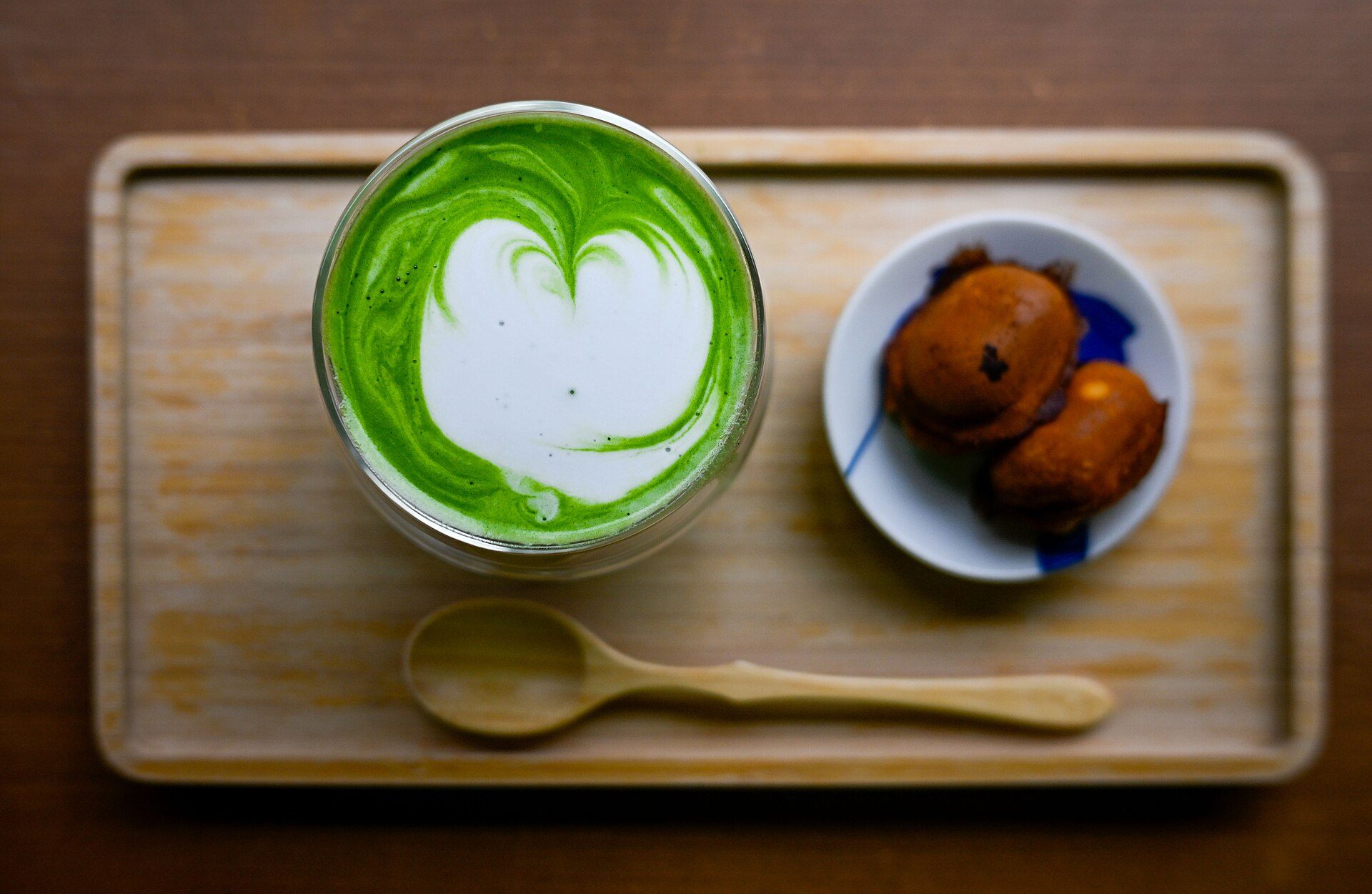
If you love Japan, or you’re learning Japanese, Uji is also a great place to notice how food, place names, and tradition all connect. You’ll hear words like 茶道 (chado, tea ceremony), おもてなし (omotenashi, Japanese hospitality), and 和菓子 (wagashi, traditional Japanese sweets) everywhere, and they make a lot more sense when you taste the real thing.
Uji is one of those places that feels made for a slow afternoon. It sits just south of Kyoto, and for 抹茶 (matcha, powdered green tea) fans, that’s a very good thing. The town is known for tea grown in the area, turned into sweets, drinks, and souvenirs that actually taste as good as they look.
Let’s be honest: if you’re in Kyoto and want more than temple photos, Uji gives you a proper food-and-culture day out. You get history, a scenic riverside town, and enough matcha desserts to make you forget about your train schedule for a while. Sounds good, right?
Why Uji matters for matcha lovers
Uji has been tied to tea culture for centuries, and that history is the reason the town still feels special today. Tea from this area has long been associated with high quality, and that reputation shows up in nearly every shop near the station and temple district. What many overlook is that Uji isn’t just a place to buy matcha, it’s a place to understand why Japan treats tea with so much respect.
The best part is that you can enjoy the town without being a tea expert. Even if you only know the word matcha, you’ll quickly notice the difference between supermarket powder and the bright, fragrant cups poured here. Compared with back home, the flavour is often richer, less sugary, and more layered.
My tip is to learn a few useful words before you go. Tea shops may use terms like 濃茶 (koicha) for thick tea, 薄茶 (usucha) for thin tea, and wagashi for traditional sweets. If you can say arigato and 抹茶をください (matcha o kudasai, matcha, please), you’ll already feel more confident when ordering. Convinced yet?
Byodo-in Omotesomando and the walk to the temple
Guess what? One of the nicest parts of an Uji visit is not just the temple itself, but the approach to it. Byodo-in Omotesomando is the street that leads towards Byodo-in, and it’s packed with tea shops, dessert counters, and small stores selling local souvenirs. It’s the kind of place where walking slowly is the whole point.
Byodo-in, a UNESCO World Heritage site, is famous for the Phoenix Hall, which appears on the 10 yen coin and dates back to 1053. The temple grounds close the loop on the food trip, because after all that snacking you’ll want something beautiful and calm. No wonder, since the walk from Uji Station to the temple is short, easy, and full of places to stop.
Unlike what we’re used to in many tourist areas, the shops here don’t feel random or loud. They often lean into a refined tea-house atmosphere, with wooden interiors, neat displays, and staff who clearly know their products. That reminds me: if a shop offers a tea tasting, take it. Even a small cup can teach you a lot about aroma and bitterness. Sounds good, right?
Matcha sweets in Uji: what to eat first
There’s no shortage of matcha sweets in Uji, but some treats stand out immediately. Soft-serve ice cream is the obvious star, usually bright green and creamy, with a flavour that ranges from mild to pleasantly bitter. You’ll also find parfaits, cakes, warabi mochi, jelly, and filled buns, all using matcha in different ways.
The best part is that the sweeter items often balance the tea’s bitterness instead of hiding it. A good matcha parfait might include red bean, mochi, and vanilla ice cream, so every spoonful changes a little. What I especially like is that the desserts don’t feel like gimmicks, they feel tied to the local ingredient. Highly recommended: try one cold item and one baked item, because the texture contrast makes the experience better.
Best snacks to look for
Insider tip: start with matcha soft-serve if it’s warm outside, then move on to a parfait or roll cake. If you want something more traditional, order a small set with wagashi and hot tea, because that gives you the cleanest flavour comparison. And it gets better: many shops sell takeaway portions, so you can snack while walking the lane without missing the atmosphere.
For Japanese learners, dessert menus in Uji are a nice reading exercise. Look for words like nama for fresh, yaki for baked, and anko for red bean paste. The signs are short, the visuals help, and you won’t feel lost for long. But that’s not all.
How to spend a food-focused day in Uji
A simple route works best here. Arrive at Uji Station, walk through Byodo-in Omotesomando, stop for matcha sweets, visit Byodo-in, then circle back for tea or a late snack near the river. The whole area is compact enough that you can do it without rushing, and that’s exactly why it’s memorable.
What most people don’t know is that Uji is especially nice in the early afternoon, when day-trippers haven’t all left yet, but the streets still feel relaxed. You can sit down with a dessert, look out towards the river, and enjoy the slower rhythm that Kyoto does so well. Plot twist: the best souvenir might not be a temple photo, but a tin of tea or a bag of sweets you’ll open later at home.
Compared with back home, this kind of travel feels more immersive because food is part of the place, not an extra activity. That’s why Uji works so well for Japan fans and language learners alike. You’re not just buying snacks, you’re tasting local history, one bite at a time. Convinced yet?
Frequently Asked Questions
Is Uji worth visiting for a half-day trip?
Yes. The station area, Byodo-in Omotesomando, and Byodo-in can all fit into a relaxed half-day visit.
What should I try first in Uji?
Start with matcha soft-serve or a matcha parfait, then try a tea set with a traditional sweet.
Do I need to know Japanese to enjoy Uji?
No, but a few simple words help, and they make ordering tea and sweets more fun.


