
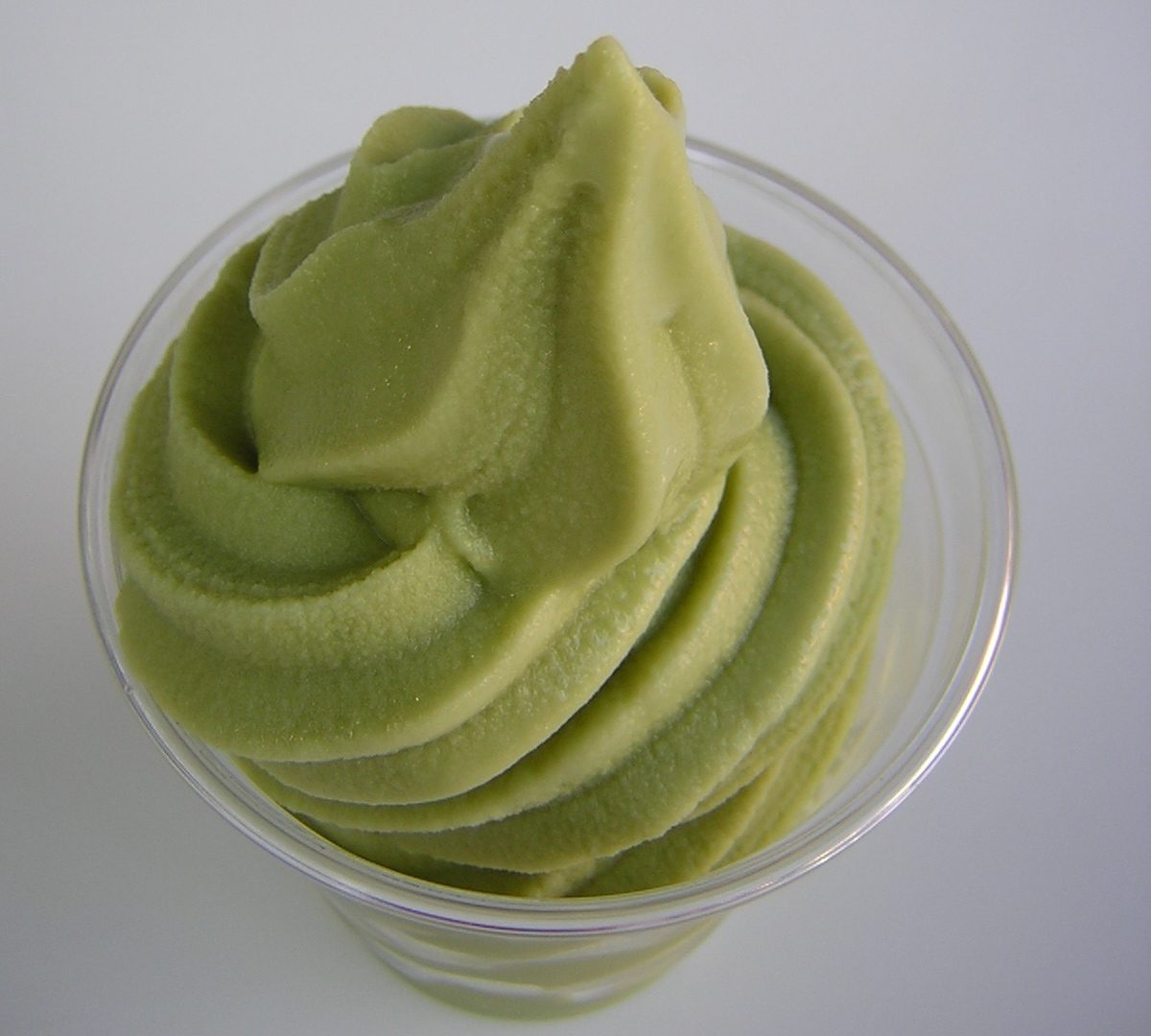
Here’s the deal: this isn’t just another sweet cafe latte. It’s a tea-lover’s product, built for people who want flavour, a little nutrition, and a very Japanese kind of comfort in one cup.
Yunomi.抹茶 (matcha, powdered green tea) soy protein latte is one of those products that immediately tells you where Japanese food culture is heading next. Not towards louder trends, but towards smarter hybrids, and this one has a very clear launch date: 2026-06-24.
Here’s the thing: the idea is simple, tea-shop matcha meets soy protein, with 焙じ茶 (hōjicha, roasted tea) and 玄米茶 (genmaicha, green tea with roasted rice) also joining the lineup. That combination gives the drink a proper Japanese tea stand feel, while still speaking to people who want something more filling than a standard cup of tea. See what I mean?
What Yunomi.matcha is bringing to the tea shop
Yunomi.matcha is presenting a product that sits between tea culture and everyday wellness. The base is Japanese tea, not coffee, and that matters. Matcha brings a vivid green, slightly bitter profile, hōjicha adds roasted warmth, and genmaicha brings that gentle nutty note that makes the whole thing feel softer.
What I especially like is that this kind of lineup gives people a way to compare flavours in a very Japanese way. If you know the difference between matcha, hōjicha, and genmaicha, you already understand a lot about how Japanese tea works. Matcha is powdered green tea, hōjicha is roasted tea, and genmaicha is green tea with roasted rice. My tip: if you’re learning Japanese, these three words are worth memorising early. Not bad, right?
The soy protein angle is the real twist. It turns the drink into a hybrid that feels closer to a snackable beverage, not just a tea break. In Japan, that kind of thinking fits perfectly, because convenience, flavour, and texture often matter as much as the ingredient list.
Why the 2026-06-24 launch matters
Know that feeling when a product has a release date so specific it feels like a mini event? That’s what makes the 2026-06-24 launch interesting. A fixed date tells you this isn’t a vague concept or seasonal maybe, it’s planned, timed, and ready to be talked about in advance.
The reason is simple: Japanese food launches often gain momentum when they connect with a calendar moment. Summer drinks, spring 桜 (sakura, cherry blossom) items, autumn roasted tea flavours, all of that has a rhythm. Here, the timing suggests a product that could slot neatly into warm-weather tea drinking, when cold matcha drinks and lighter protein options make the most sense. Here’s the kicker: tea-shop drinks in Japan often win by feeling calm and practical at the same time.
No exaggeration: that is exactly where this product has potential. It doesn’t need gimmicks. It just needs to taste good, mix well, and feel like something you’d actually buy again. If Yunomi.matcha gets the balance right, this could be one of those quietly successful Japanese food hybrids that fans keep an eye on. Sounds good, right?
Matcha, hōjicha, genmaicha and Japanese learning value
For Japanese learners, this launch is more than a food story. It’s a neat vocabulary bundle. Matcha, hōjicha, genmaicha, and soy protein are all terms you’ll see in cafes, tea shops, and convenience-store drinks, and they come up constantly in Japan-related content.
Useful romaji terms to know
Matcha means powdered green tea. Hōjicha is roasted tea, usually with a toasted aroma. Genmaicha mixes green tea with roasted rice. Soy protein, or soya protein in some brand language, points to the drink’s nutritional side. If you spot those words on a Japanese menu, you’ll already know what kind of taste to expect.
On a related note, this is also a great reminder that Japanese product language often builds flavour from ingredients rather than abstract marketing fluff. That’s a helpful pattern for learners. If you can read ingredient words, you can usually guess the product style pretty fast. See what I mean?
And it gets better: tea culture in Japan isn’t only about ceremony, even if the tea ceremony, or 茶の湯 (chanoyu), gets a lot of attention. Everyday tea is just as important. A tea shop latte like this sits right in that daily tradition, only updated for modern habits. Seriously though, that blend of old and new is one of the reasons Japanese drinks stay so interesting.
My take on this tea-shop hybrid
Here’s the deal: I think Yunomi.matcha has picked a smart formula. Matcha gives it brightness, hōjicha gives it depth, genmaicha gives it comfort, and soy protein gives it substance. That’s a strong mix, and it sounds far more balanced than many overdesigned seasonal drinks.
What I especially like is the Japanese tea-shop angle. It feels more grounded than a generic fitness shake, and more practical than a dessert drink pretending to be healthy. This is my absolute hidden gem! If the texture is smooth and the sweetness stays low, it could win over both tea fans and people who want a lighter daytime drink.
Unlike what we’re used to, Japanese hybrid products often don’t try to shout. They win with restraint, detail, and a very clear sense of place. That quiet confidence is part of the appeal here, and it makes the upcoming launch worth watching.
Frequently Asked Questions
What is Yunomi.matcha?
It is a tea-shop style drink concept built around matcha, hōjicha, genmaicha, and soy protein.
When is the launch date?
The announced launch date is 2026-06-24.
Why is this product interesting?
It combines Japanese tea culture with a modern protein drink format, which makes it useful for both tea fans and health-minded buyers.


