And yes, the timing matters too, because this anniversary collaboration lands 11 years after a design many fans still remember from Persona 4: Dancing All Night. That bit of history gives the whole thing extra charm.
![Dragon Ball Z: Kakarot [Master Edition]](https://s.pacn.ws/1/p/1eh/dragon-ball-z-kakarot-master-edition-908785.1.jpg?v=t8ja8t&width=400)

Hatsune Miku and Persona 5: The Phantom X, a crossover built for fans
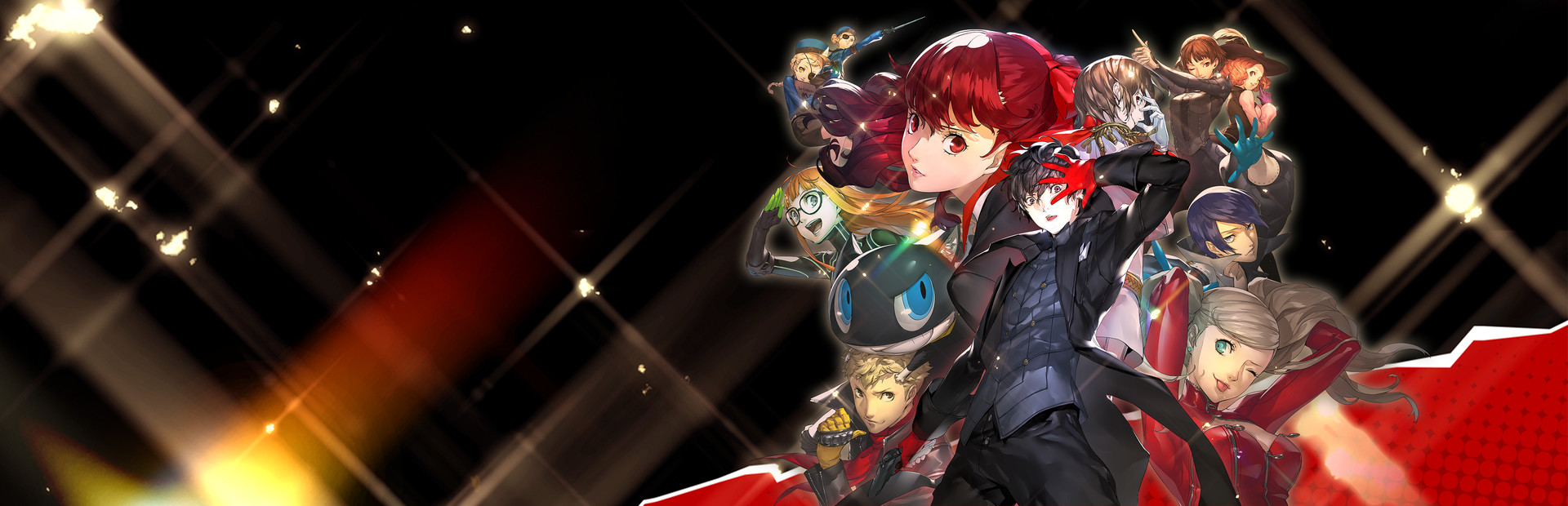
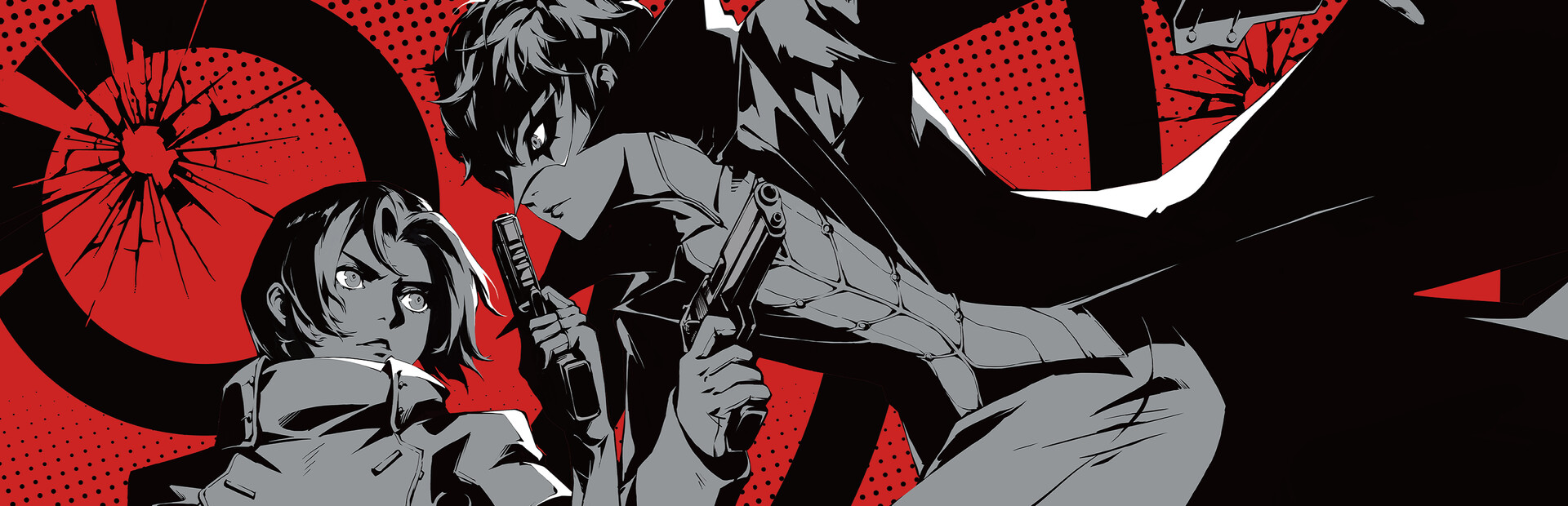
Guess what? Some crossover announcements feel random, but this one lands with real weight. Hatsune Miku is joining Persona 5: The Phantom X, and that combination makes perfect sense if you know both fandoms.
On one side, you’ve got Miku, the virtual singer who first exploded from Crypton Future Media in 2007. On the other, Persona 5, a series that already thrives on style, music, and rebellion. Put them together, and you get a collaboration that feels less like a gimmick and more like a celebration.
Basically, this is fan service in the best possible way. Not cheap, not lazy, just smart. Persona players love a strong visual identity, and Miku brings a look that can stand beside the Phantom Thieves without losing her own personality. And there’s more.
Why the Persona 4: Dancing All Night design still matters
Did you know...? The Miku design tied to this collab is also a strong nostalgic nod to Persona 4: Dancing All Night, which launched back in 2015. That means fans are seeing a design callback 11 years later, and that gap gives the whole announcement a proper anniversary feel.
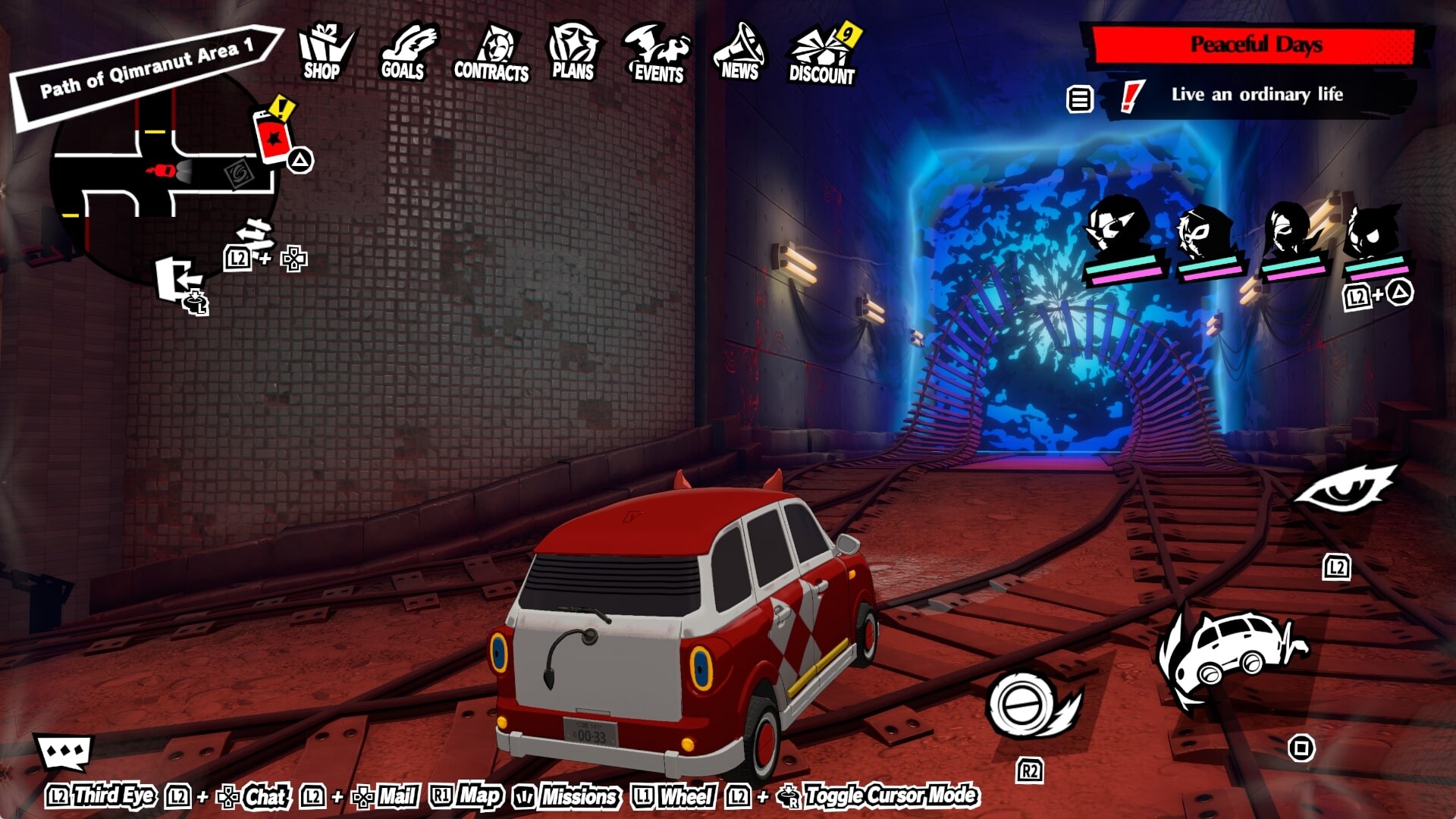
For example, Persona 4: Dancing All Night was developed by Atlus and brought rhythm-game energy to the Persona world, with Miku appearing in a design that many fans still associate with that era. If you were around for that release, the new collaboration probably hits you right in the memories. Classic Japan, isn't it?
A visual link that rewards long-time fans
What many overlook: in Japanese pop culture, returning designs matter. They’re not just references, they’re signals. They tell fans, "We remember too." That kind of continuity is a big reason collaborations work in Japan, whether it’s anime, games, or idol culture.
My tip: if you’re learning Japanese, pay attention to how these projects build emotional meaning through simple words like 記念 (kinen, commemoration; anniversary), 再会 (saikai, reunion; meeting again), and anniversary-style messaging. You’ll notice them everywhere, from game promos to music events. Personally...
Persona 5: The Phantom X and why Miku fits so well
Take Persona 5: The Phantom X, for instance. Even before Miku enters the picture, the game already leans into flash, fashion, and a cool urban mood. That makes it a natural home for a character like Miku, whose image can shift between cute, futuristic, and stylish without losing recognisability.
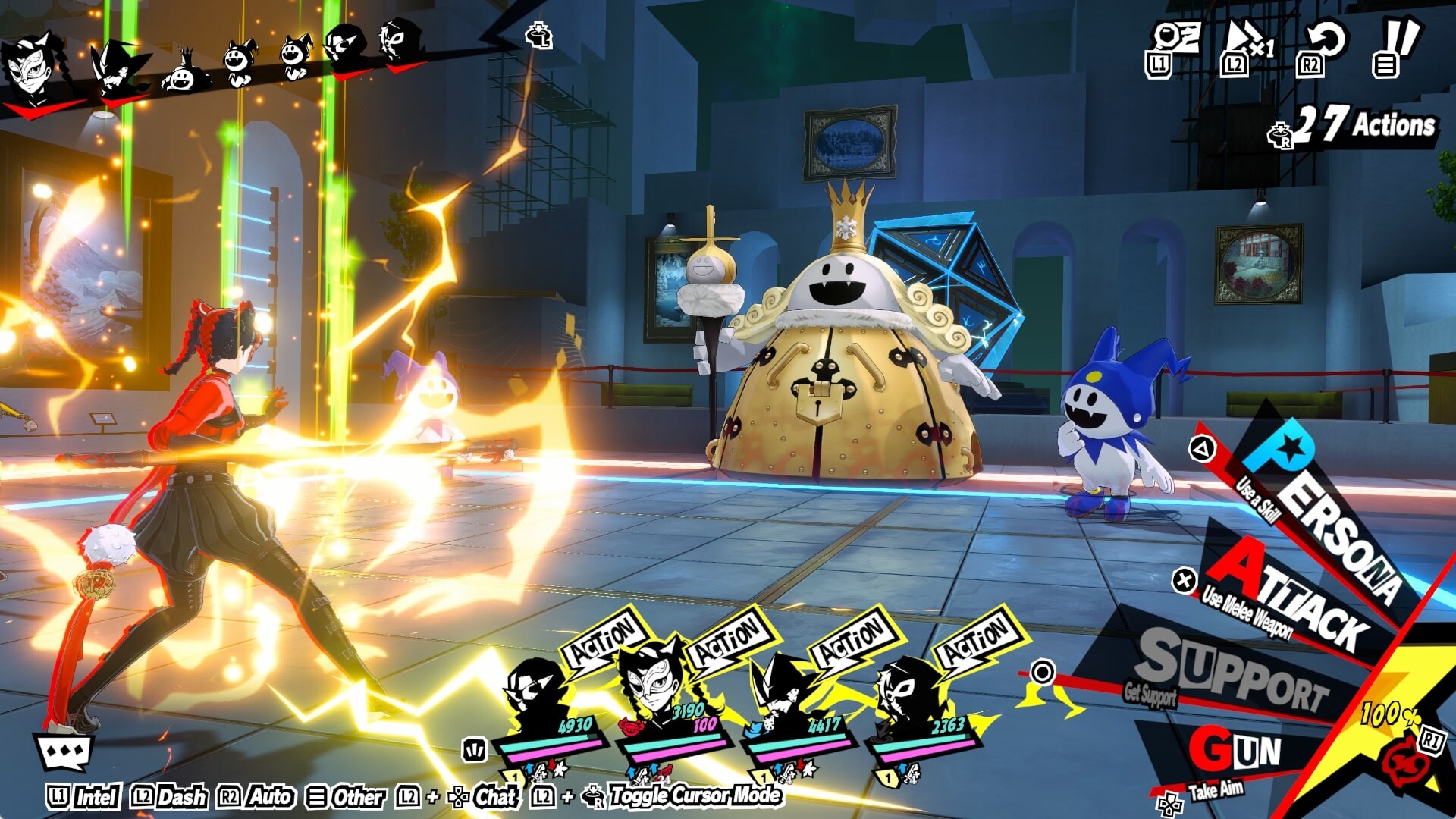
The franchise also knows how to attract different types of fans at once. Persona players come for the story, the turn-based battles, and the sharp art direction. Vocaloid fans come for Miku herself, the concerts, the remixes, and the long-running culture around her voice. Put them in the same space, and both groups get something to talk about.
On the flip side, not every crossover works because some feel forced. This one avoids that problem because both brands already live in the same visual lane, with a strong music identity and a big online fan base. That is the secret sauce, really. From my experience...
Japanese learning angle: words you may spot in this kind of news
Imagine a narrow alley in Tokyo. You’re scrolling through game news, and suddenly Japanese terms keep popping up in captions and social posts. Words like 幻想 (gensou, illusion; fantasy), バトル (batoru, battle), kinen, and saikai are common in fandom language, and they often carry more emotion than their simple English translations.
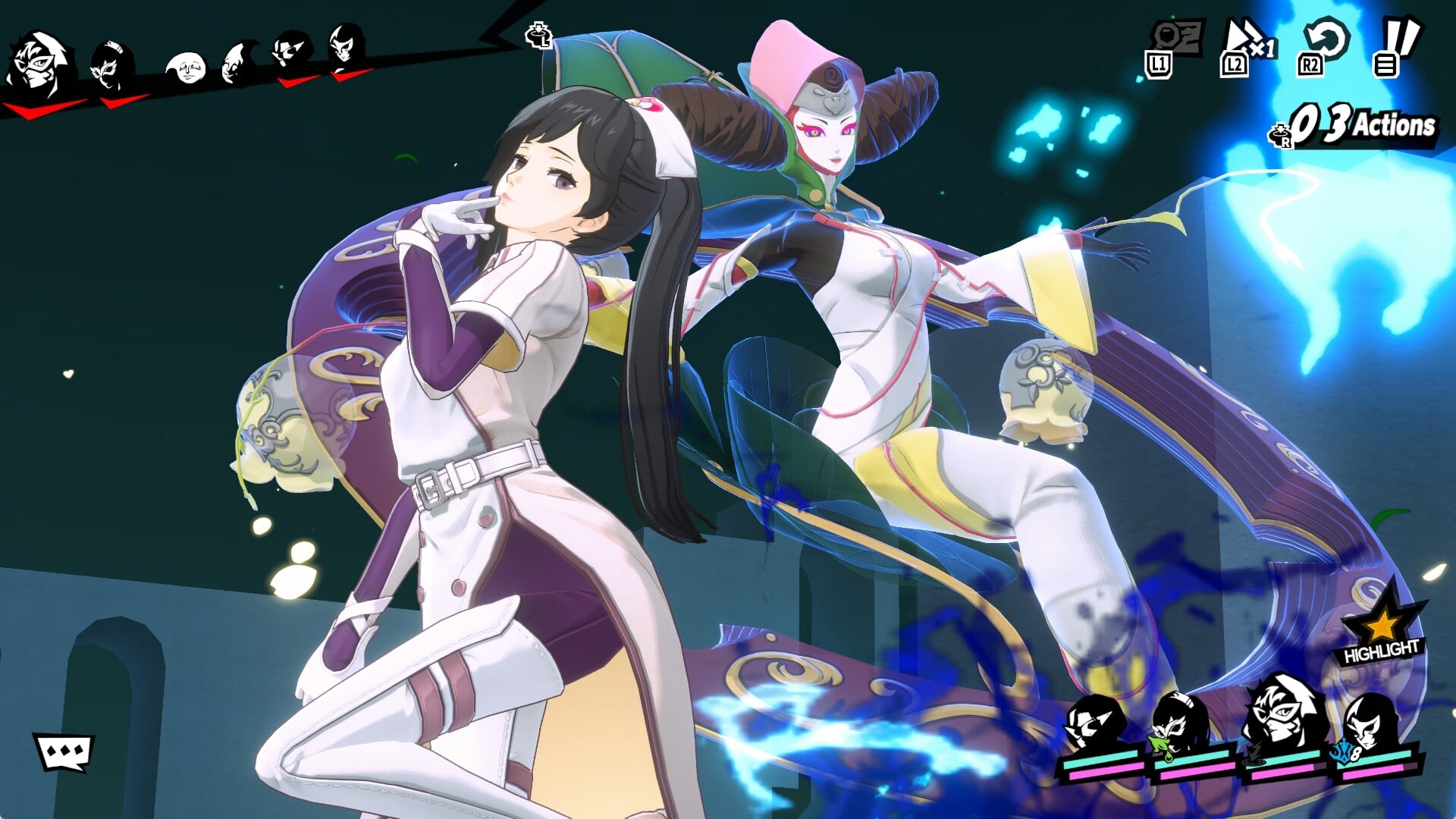
For example, if you see saikai, it usually means a reunion or meeting again, which is exactly the feeling this Miku callback creates. And if you see kinen, that points to an anniversary or commemorative event. That tiny vocabulary layer helps you read the culture more clearly, not just the headline. This is my absolute hidden gem!
What this anniversary collaboration says about modern Japan fandom
Plot twist: what looks like a simple character collaboration is really a snapshot of modern Japanese fan culture. It brings together voice synthesis, rhythm-game nostalgia, RPG fashion, and anniversary marketing in one neat package. That is a very Japanese kind of media layering, and fans abroad usually notice it fast.
Hatsune Miku has always been bigger than one medium. She has appeared in concerts, games, fashion collabs, and endless fan art, and each return adds another layer to her image. Persona does something similar, just with a different cast and a different kind of cool. When those worlds meet, the result feels earned, not manufactured.
My opinion? This is exactly the sort of collaboration that keeps both fandoms alive between major releases. It gives older fans a reason to smile, and newer fans a clear entry point into a bigger history. Not bad, right?
In pictures

Frequently Asked Questions
What is the Miku x Persona 5: The Phantom X collaboration?
It is a crossover event featuring Hatsune Miku in Persona 5: The Phantom X, designed to celebrate the game and appeal to both fanbases.
Why are fans talking about Persona 4: Dancing All Night?
The new Miku design references her earlier Persona 4: Dancing All Night appearance, which makes the collaboration feel nostalgic and connected to Persona history.
Why does this crossover work so well?
Both brands share a strong music identity, bold visuals, and a loyal fan community, so the partnership feels natural rather than forced.