
If you love Japan, or you’re learning Japanese, this one’s a fun little culture lesson in a glass. It connects tea ceremony roots, modern cafe style, and a surprisingly good tropical pairing.
Have you ever seen a drink that looks like a cloud floating above green tea? The 抹茶 (matcha, powdered green tea) Cloud does exactly that, and it’s easy to see why it’s getting attention. It takes ceremonial-grade Japanese matcha, adds creamy cold foam, then pours in coconut water over ice, so the whole thing lands somewhere between cafe treat and summer refresher.
Basically, this isn’t your average matcha latte. It’s brighter, lighter, and more playful, and it tastes built for hot afternoons, humid train rides, and those slow summer days when even cold brew feels too heavy.
What makes the Matcha Cloud work
Seriously though, the appeal starts with balance. Matcha brings a deep, grassy note, a bit of bitterness, and that clean 旨味 (umami, savory taste) edge Japanese tea lovers know well. Coconut water adds natural sweetness and a soft mineral finish, while ice keeps everything sharp and refreshing.
What I especially like is that the drink doesn’t try to bury the matcha. The tea still leads. The coconut water just rounds off the edges, and that’s why the combo feels clever rather than random. No wonder, because both ingredients are naturally light, so the drink stays crisp instead of heavy and creamy.
Ceremonial-grade Japanese matcha matters
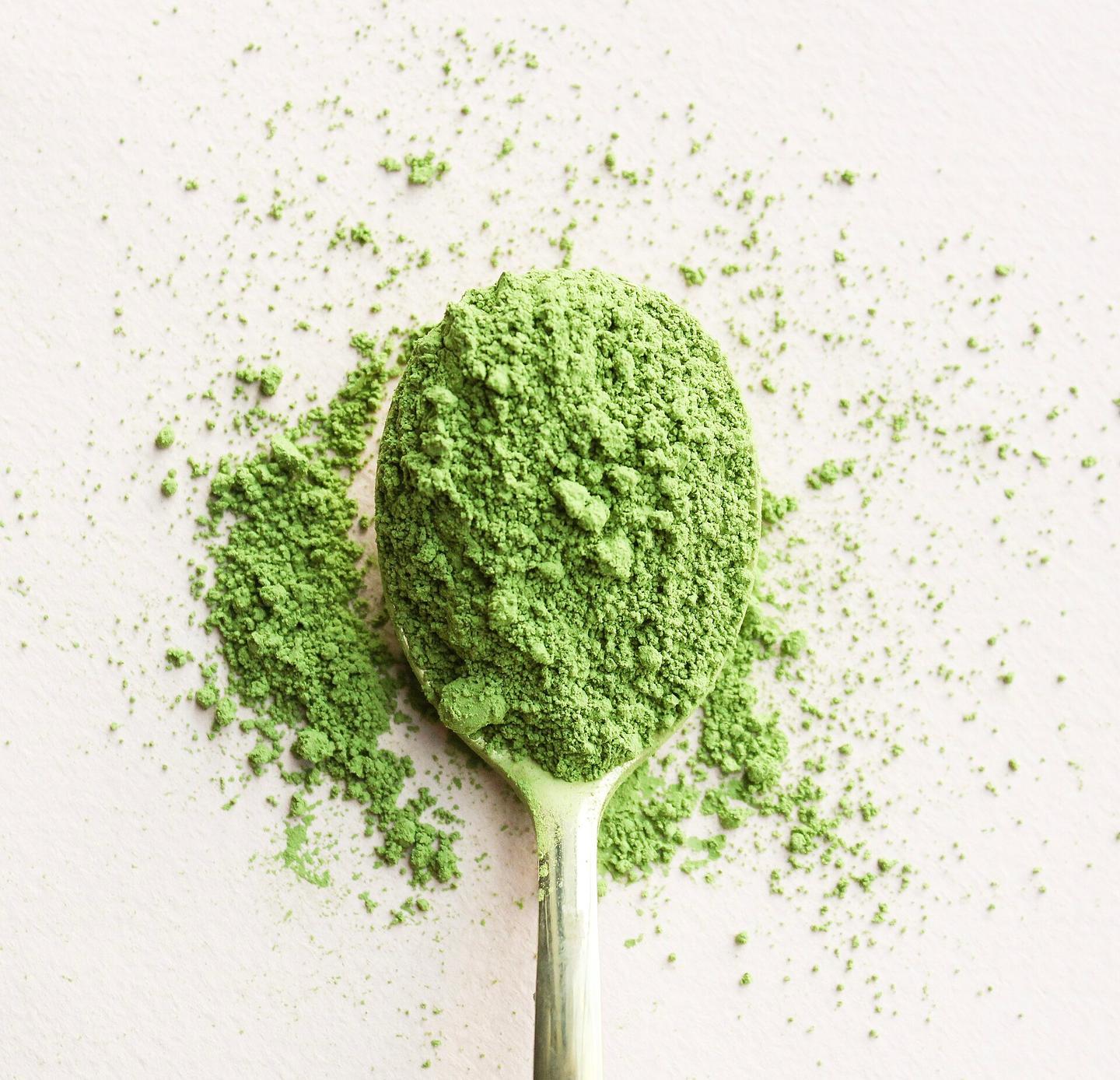
For example, ceremonial-grade matcha is usually stone-ground from high-quality 碾茶 (tencha, tea leaves used for matcha) leaves, often meant for drinking straight rather than hiding in recipes. That means a finer texture, a brighter green colour, and a smoother taste. If the matcha is too harsh, the coconut water won’t save it.
My tip: if you make this at home, whisk the matcha first with a small amount of cool water until it’s smooth, then add more liquid. A bamboo whisk, or 茶筅 (chasen), helps create that silky surface you want before the foam goes on top. Classic Japan, isn’t it?
Cold foam and the cafe-style twist
Imagine a narrow alley in Tokyo. There’s a tiny cafe with two seats by the window, a barista carefully layering drinks, and a menu that mixes old tea culture with modern coffee-shop style. That’s the vibe the Matcha Cloud taps into, even when it’s being served far from Japan.
The cold foam is the visual trick. It sits on top like a soft cap, almost like whipped cloud cover, and it changes the first sip. You get foam, then matcha, then coconut water, all in one mouthful. Simply brilliant.
That layering also makes the drink feel social-media friendly, which matters in cafe culture from Tokyo to Los Angeles. People aren’t just ordering flavour, they’re ordering a look. And with matcha, that look has strong Japanese identity baked in.
Why Japanese tea fans notice the details
I still remember exactly how many first-time matcha drinkers describe the taste; they expect sweet green tea, then get surprised by the depth. That surprise is part of the charm. Matcha has a real presence, and when a cafe uses ceremonial-grade powder, the flavour feels more polished and less dusty.
That reminds me: Japanese vocabulary around tea can be fun to learn here. You’ll often hear 茶道 (chadou) for the tea ceremony path, and お茶 (ocha) for tea in daily life. Even if you only know those two words, the Matcha Cloud makes a nice bridge between formal tea culture and casual cafe ordering. Sounds good, right?
Coconut water over ice: the summer logic
Here’s the thing: coconut water makes sense here because it behaves almost like a mild sports drink, with natural electrolytes and a clean finish. On a hot day, that matters. When the drink is served over ice, the coconut water stays bright, and the matcha foam doesn’t feel too rich.
That’s why this combo works better than you might expect. Matcha can be earthy, coconut water can be gently sweet, and ice keeps both in check. You’re left with something cooling, aromatic, and easy to sip slowly.
For example, if you’ve had matcha in a classic latte, this version will feel lighter and sharper. If you usually avoid sweet drinks, this may be the sweet spot, literally. From my experience, that makes it a great summer order when you still want something special.
How to order or make one like a pro
Did you know that a lot of Japanese-inspired cafe drinks rely on small details rather than huge ingredient lists? This one is a perfect example. Good matcha, cold foam, coconut water, ice, and the right glass are enough.
If you’re ordering it in a cafe, ask whether the matcha is ceremonial-grade, and whether the foam is dairy-based or plant-based. If you’re making it at home, start with chilled coconut water, then top it with freshly whisked matcha. The foam can be made with milk or a barista-style plant milk, depending on what you like.
My tip: use a clear glass. The colour contrast is half the fun, the bright green matcha against clear coconut water looks fresh immediately. And if you’re learning Japanese, this is a great moment to remember the word 水 (mizu) for water, because the whole drink is really about coolness and clarity. Convinced yet?
Frequently Asked Questions
What is a Matcha Cloud?
It is a layered matcha drink with cold foam, usually served over ice, often with coconut water as the base.
Why use ceremonial-grade matcha?
It gives a smoother, brighter flavour and a cleaner finish, which matters when the drink is simple and not heavily sweetened.
Does coconut water change the taste a lot?
Yes, it adds light sweetness and a clean, refreshing feel without overpowering the matcha.


