
Overview
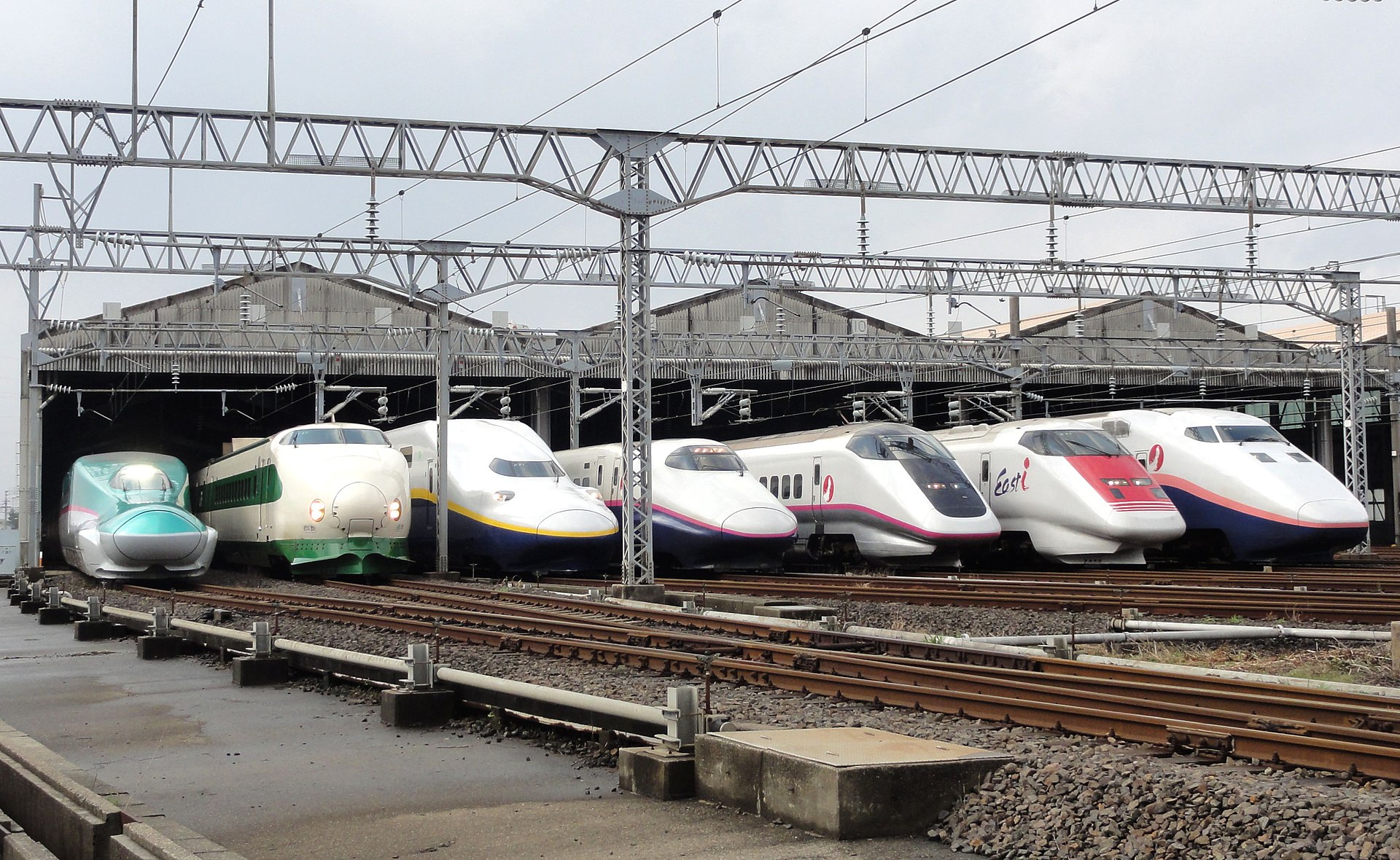
If you spend any time around rail travel in Japan, the Shinkansen becomes one of those systems that feels almost unreal at first. It is fast, yes, but the thing that keeps people talking is the safety record: over 10 billion passengers carried since the first commercial service began on the Tokaido line in 1964, and no reported passenger fatality from a derailment or collision in the sources here. That is the kind of statistic that makes you pause for a moment… and then look more closely at how the whole thing works.
The answer is not one magic trick. It is a stack of systems and habits working together, from dedicated tracks and automatic train control to door sensors, operational discipline, and a rail culture that treats punctuality and responsibility as part of safety itself. If you are looking for shinkansen safety news, the big story is not drama. It is consistency. And that, honestly, is the part that fascinates me most.
How the network is built to avoid everyday risks
One of the most important reasons the Shinkansen has such a strong record is structural, not just procedural. The trains run on dedicated tracks, without level crossings, and without mixed traffic with conventional trains. In practical terms, that removes a huge set of everyday hazards before the train even starts moving. No wandering cars at crossings, no sharing rails with slower local traffic, no messy interactions that force constant improvisation.
The network also connects major parts of Japan, stretching from Hokkaido down to Kyushu, and it has done so for more than 60 years. That long operating history matters because safety in rail is not only about design on paper. It is about years of refining how a massive system behaves under pressure, in bad weather, during delays, and across countless routine departures. The fact that the Shinkansen can reach up to 320 km/h on some lines makes the absence of fatal passenger accidents even more striking.
The technology that keeps trains inside safe limits
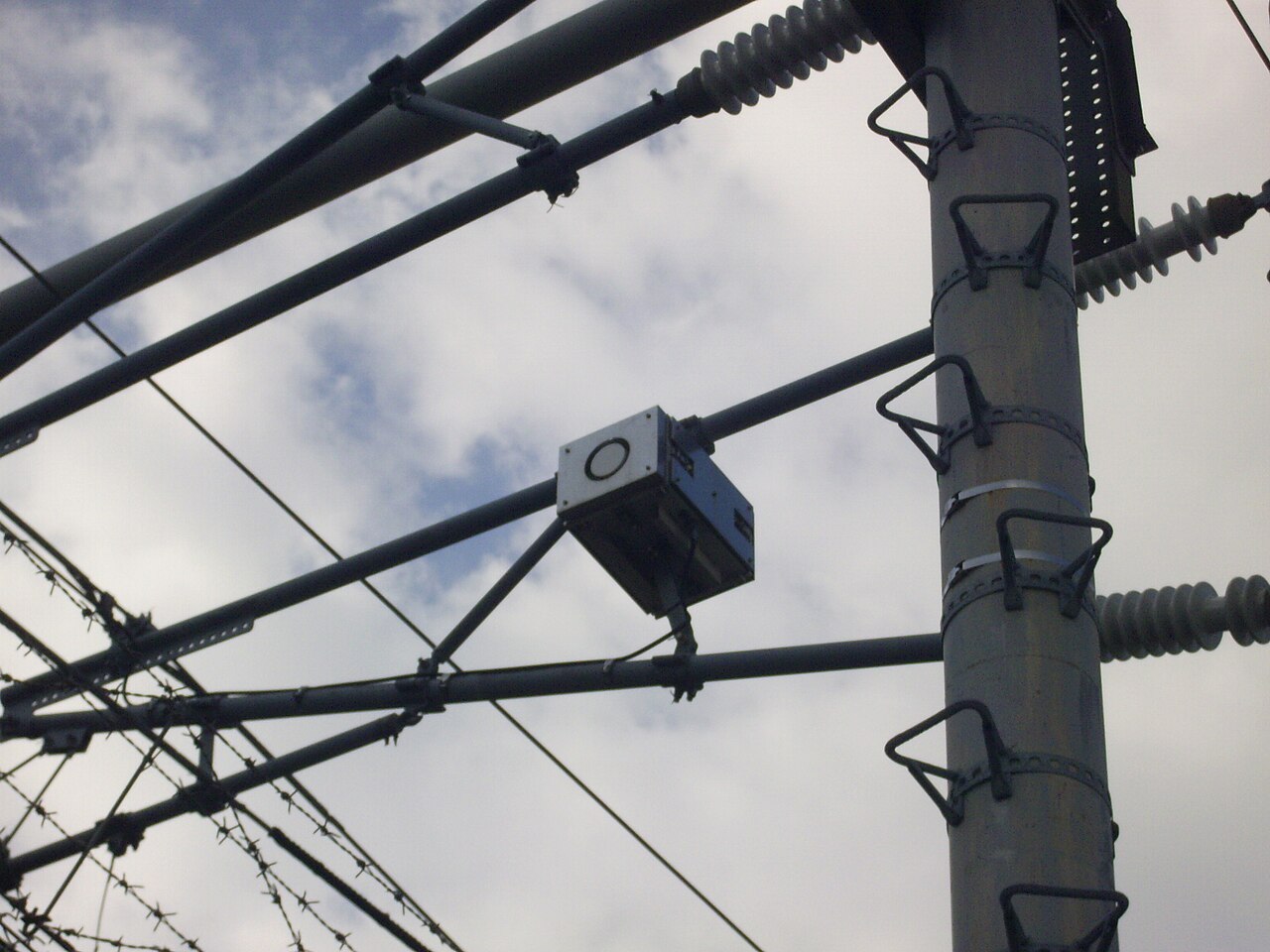
At the heart of the system is automatic train control, often shortened to ATC. This kind of control continuously monitors signals, speed, and distance, and it can step in if a train exceeds safe limits. That matters a lot at Shinkansen speeds, where human reaction alone would never be enough. The system is there to reduce the chance of a mistake becoming a disaster.
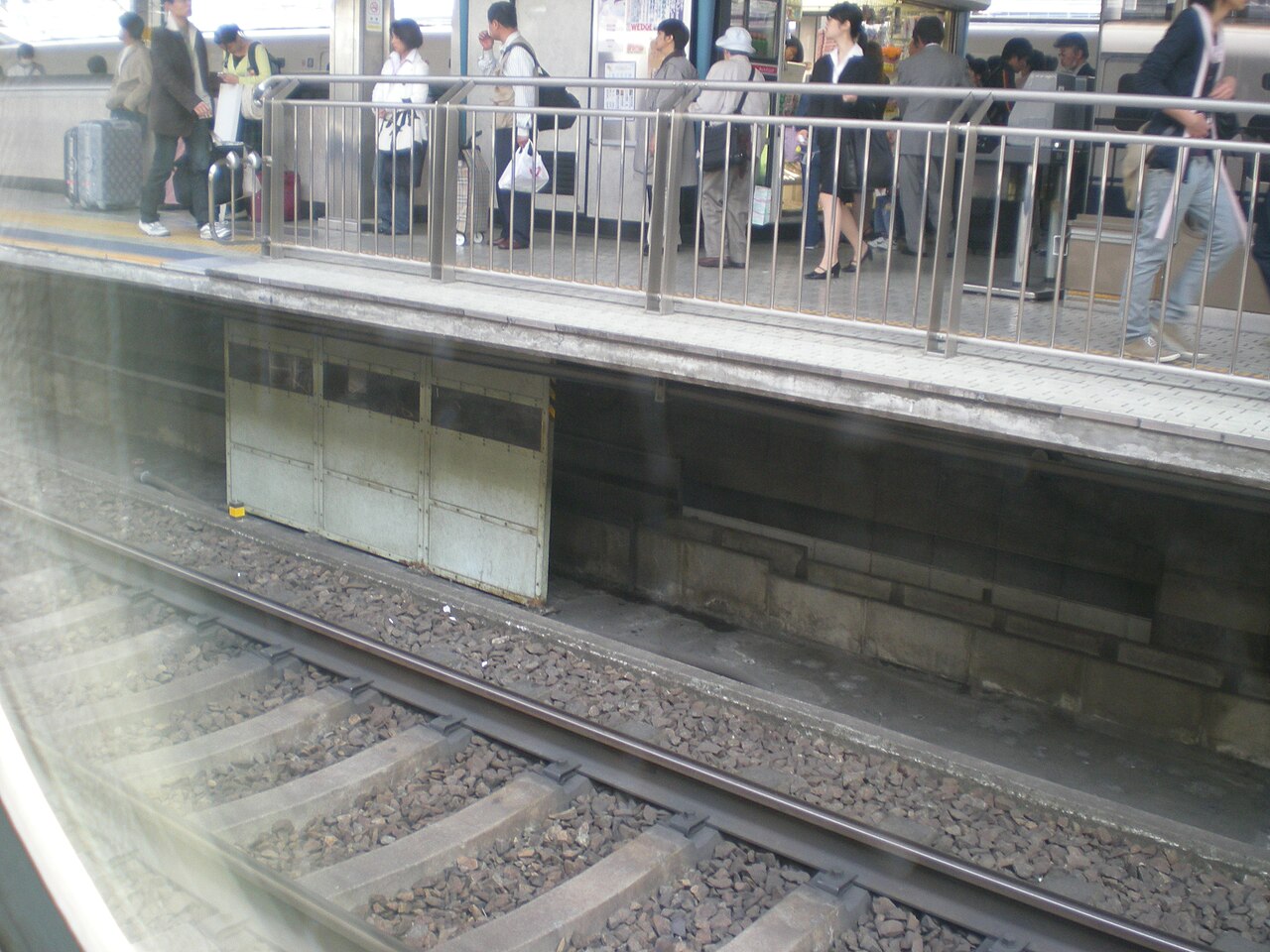
Another key layer is the door logic. Shinkansen safety systems include door sensors and interlocks that stop departure or trigger a stop if a door is not properly secured. That sounds simple, but simple is often what you want in safety engineering. It creates a clear rule: if something is not right, the train does not just keep going and hope for the best. It stops, checks, and only then continues.
This is one reason the phrase shinkansen safety guide is really about understanding layers, not memorizing a single procedure. And what's more, the emergency stop response to an open door is designed to prioritize passenger safety and bring the train to a controlled stop. That may look alarming from the platform, but it is exactly the point: the system reacts early, before a small issue can grow teeth.
Why the safety record matters beyond the numbers
There is a temptation to treat the Shinkansen as a miracle of engineering and leave it at that. But the record is also about culture. The sources point to engineering, discipline, and a culture of punctuality and responsibility. I think that last part is especially important, because safety in Japan often lives in the small habits as much as in the big machines. A timetable is respected. A warning is taken seriously. A problem is reported instead of brushed aside. All of that adds up.
It also changes how people experience travel. When a system is this dependable, the whole rhythm of a trip shifts. You plan differently. You transfer differently. You trust the connection a little more, which frees up space to notice the journey itself. That is one of the hidden pleasures of rail travel in Japan, and it is easy to miss if you only look at the top speed.
If you are thinking about shinkansen safety japanisch lernen, this is also a useful lens for vocabulary practice: words like 安全 (anzen, safety; being free from danger) for safety, or words tied to control systems, inspection, and operation, show up naturally in rail articles and station notices. Even the technical side becomes part of everyday reading once you start paying attention.
A rare open-door incident, and what it really tells us
The facts provided include a 2026 incident near Hatsukari Station in Yamanashi Prefecture where an emergency stop was made after a door-open indication appeared on JR East limited express Kaiji 28, with about 250 passengers aboard and nobody injured. It is worth being precise here: this was not a Shinkansen bullet train. It was a conventional limited express, and the event was described as rare with no major injuries reported.
Why include it in a Shinkansen safety discussion? Because it shows how seriously Japanese rail operators treat any door-related alert, even outside the bullet train network. The driver saw the indication, stopped the train, confirmed the open door, and later made a second precautionary stop when the indication recurred. That response reflects the same safety-first logic you see in the Shinkansen system itself: when in doubt, slow down, verify, and protect everyone on board.
For readers following shinkansen safety news, the practical takeaway is not fear. It is reassurance. The rail system is built to treat rare irregularities as serious events, even when they turn out to be minor in the end.
Where to experience the Shinkansen in Japan
If you want to experience this for yourself, the best place is simply the Shinkansen network in Japan. The first commercial service began on the Tokaido line between Tokyo and Osaka on 1964-10-01, and today the system spreads across the country, linking major cities and regions. You can board at major terminals in Tokyo, Kyoto, Osaka, Nagoya, Sendai, Hakata, and beyond, depending on the line you want to ride.
The nice thing is that you do not need to chase a special event or a rare train. The experience is already there in daily service. Buy a ticket, make a 予約 (yoyaku, reservation; booking), which is a reservation, if your route needs one, and watch how smoothly the station flow is managed. If you are traveling during busy periods, reserve a seat in advance. If you are riding a faster service, check whether your fare or seat type needs a joeshaken, the boarding ticket, and a separate reserved-seat supplement. That little bit of preparation makes the ride much calmer.
And if you are learning the language alongside the journey, this is a great place to notice practical rail terms in real use. The station announcements, platform signs, and ticketing screens are full of useful context. A shinkansen safety kanji focus can be surprisingly rewarding too, because rail vocabulary often appears on signs, timetables, and warning labels where meaning has to be crystal clear.
Related rail experiences that deepen the picture
If the Shinkansen sparks your interest, there are a few related ways to keep exploring. Japan’s conventional limited express trains offer a different pace and a closer look at the same rail culture. Urban rail hubs like Tokyo Station and Shin-Osaka Station let you watch high-speed and regional systems connect in real time. And rail museums, where available, help explain the engineering side without the rush of a travel day. That mix of lived travel and background understanding is where the topic really opens up.
For me, that is the charm of the whole subject. The Shinkansen is famous for speed, but the deeper story is care. Care in design, care in operation, care in response when something unusual happens. It certainly did build trust over time. And if you are planning to ride it in Japan, that trust is part of what makes the trip feel so smooth from the first platform step to the final arrival.
Frequently Asked Questions
Has the Shinkansen ever had a passenger fatality from a derailment or collision?
In the sources provided here, no passenger fatality from a derailment or collision is reported.
Why is the Shinkansen considered so safe?
The sources point to dedicated tracks, automatic train control, door sensors and interlocks, plus a culture of discipline and responsibility.
How fast can the Shinkansen go?
Some Shinkansen lines can run at speeds of up to 320 km/h.
Where can I experience the Shinkansen in Japan?
You can ride it on the nationwide network, including major routes that connect Hokkaido, Tokyo, Osaka, and Kyushu.
Was the 2026 open-door incident a Shinkansen event?
No. The incident involved JR East limited express Kaiji 28, not a Shinkansen bullet train, and nobody was injured.

