
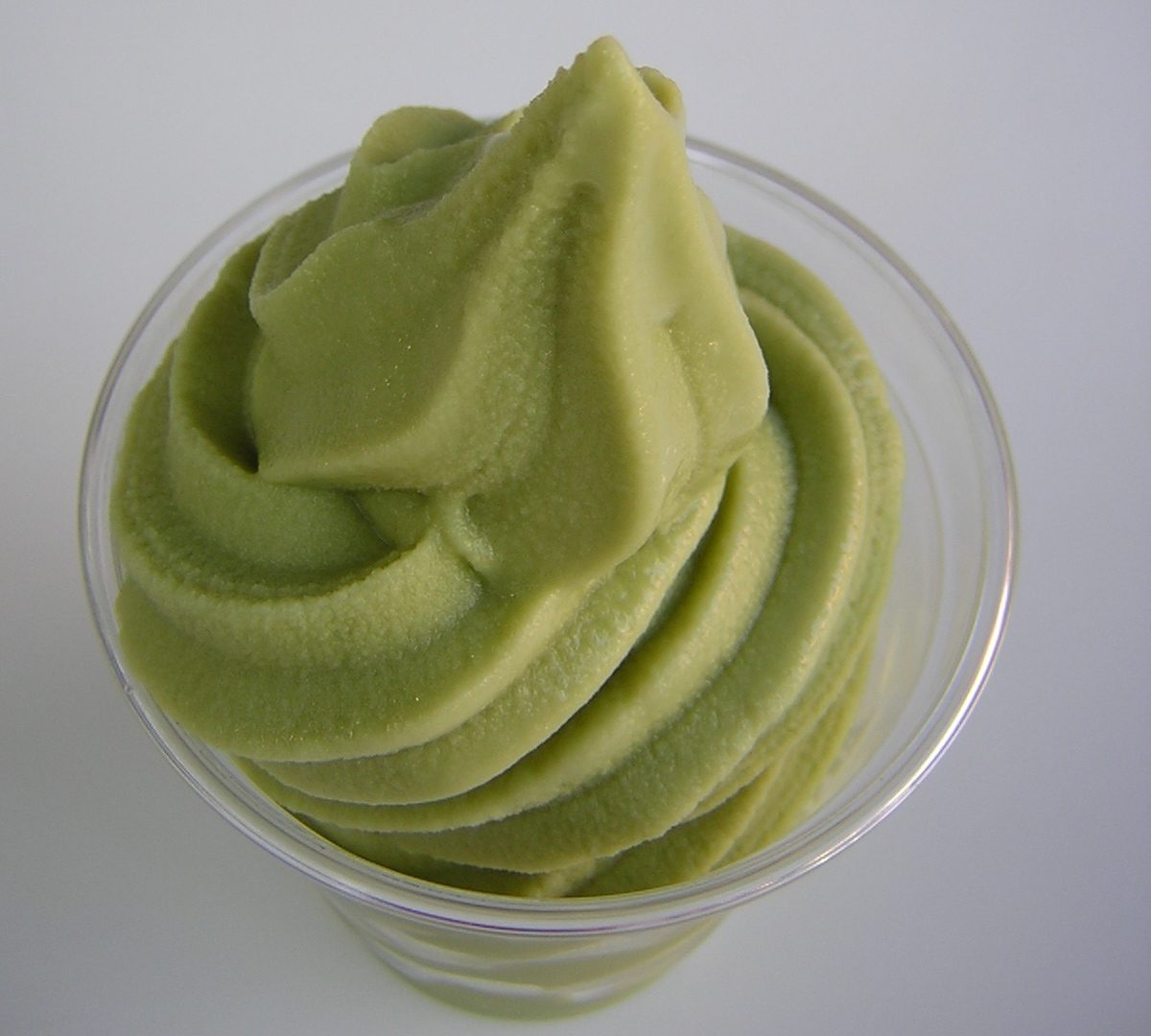
This is the kind of food story Japan fans love, one where taste, place, and craft all line up. If you’re learning Japanese too, there’s a nice little bonus here, because the ingredients tell you a lot about local food culture in romaji-friendly terms.
What happens when Yame 抹茶 (matcha, powdered green tea), Kumamoto chestnut, and strawberry land on the same plate? You get a dessert that feels very Japanese, but also very current, and that’s exactly the appeal of AKINOEN’s opening at Kobe TOOTH MART. The new signature dessert is priced at 990 yen, which puts it in that sweet spot where it feels special, but still approachable for an afternoon treat.
AKINOEN has set up at Kobe TOOTH MART, bringing a clearly regional food story to one of Kobe’s most talked-about spots. My tip: if you enjoy desserts that show where their ingredients come from, this is the sort of thing to watch. The presentation isn’t loud, it’s polished, and the ingredient list does most of the talking.
AKINOEN opens at Kobe TOOTH MART
Here’s the kicker: this isn’t just a new dessert item, it’s a brand opening with a strong identity. AKINOEN is leaning into Japanese regional ingredients, and Kobe TOOTH MART gives it the right stage, because the area already has a reputation for food, style, and easy browsing between shops.
That matters more than it sounds. When a brand opens in a city like Kobe, the first impression has to work fast, and food fans in Japan tend to notice details. The choice of Yame matcha, for example, signals depth and quality, while Kumamoto chestnut gives the dessert a warm, seasonal feel. Wild, isn’t it? Three ingredients, and each one points to a different part of Japan.
Why Kobe fits this kind of dessert
Kobe has long been a place where food culture feels a little refined, a little international, and still very local. So a dessert that mixes premium Japanese ingredients with a clean modern look feels right at home there. By the way, if you’re building Japanese vocabulary, Kobe is a great city name to remember, because it comes up often in food, travel, and lifestyle coverage.
One thing I especially like is how the concept doesn’t try to hide the ingredients. The dessert is basically saying, “Look closely, this is Yame, this is Kumamoto, this is strawberry,” and that clarity makes it easy to connect flavour with geography. But that’s not all.
Why Yame matcha, Kumamoto chestnut, and strawberry work
Let me show you why this combination works so well. Yame matcha from Fukuoka Prefecture is known for its deep, rounded taste and rich green colour, which makes it ideal for sweets that need a strong tea base without becoming bitter. Kumamoto chestnut brings a mellow sweetness and a soft autumn feel, while strawberry adds freshness and a bit of brightness.
The result is balanced, not heavy. Matcha can sometimes feel intense, chestnut can go dense, and strawberry can turn a dessert into something too tart if the ratio is off. But here the three ingredients seem designed to support each other, with the fruit cutting through the creaminess and the chestnut adding body. See what I mean?
Fun fact: Mont Blanc-style desserts are very popular in Japan, and the Japanese version often has a lighter, more delicate feel than some Western styles. The name usually points to chestnut cream piped into a mountain-like shape, and Japan has made that format into a whole dessert category. This version stays close to that idea, but gives it a Japanese tea-shop twist. The best part: it still sounds easy to enjoy with coffee or tea, not just as a special occasion dessert.
A regional food story Japan fans will appreciate
Before I forget, this is where the dessert gets especially interesting for Japan fans. Japanese food culture often shines when a dish can name its origins clearly, and here the ingredient map is doing real work. Yame for tea, Kumamoto for chestnuts, strawberry for freshness, Kobe for the setting. That’s a pretty neat chain of place-based storytelling.
For learners of Japanese, this kind of food feature is also a handy reminder that place names show up everywhere in everyday life. Yame, Kumamoto, and Kobe are all easy to spot in romaji, and once you start noticing them, Japanese menus become much less intimidating. You’ll also see how often quality is linked to a region, not just to a product name.
My tip for Japan visitors and learners
If you’re in Kobe and you spot a menu item with multiple prefecture names, don’t skip it too quickly. Those details usually tell you more than a marketing line ever could. They tell you the mood of the dish, the season it wants to evoke, and sometimes the exact reason people line up for it.
While we're at it, 990 yen is a useful price point to keep in mind when comparing café desserts in Japan. It’s not a bargain-snack number, but it’s also far from luxury-pastry territory, which makes it realistic for casual food exploration. For many Japan visitors, that balance is the sweet spot. My verdict: this opening sounds like an easy yes for anyone who likes matcha sweets with a bit of regional pride.
Frequently Asked Questions
What is AKINOEN serving at Kobe TOOTH MART?
Its signature dessert is a Mont Blanc-style sweet with matcha, chestnut, and strawberry.
How much does the dessert cost?
The signature dessert is priced at 990 yen.
Why is this dessert getting attention?
It combines ingredients from different Japanese regions and tells a clear food story.


