
Overview
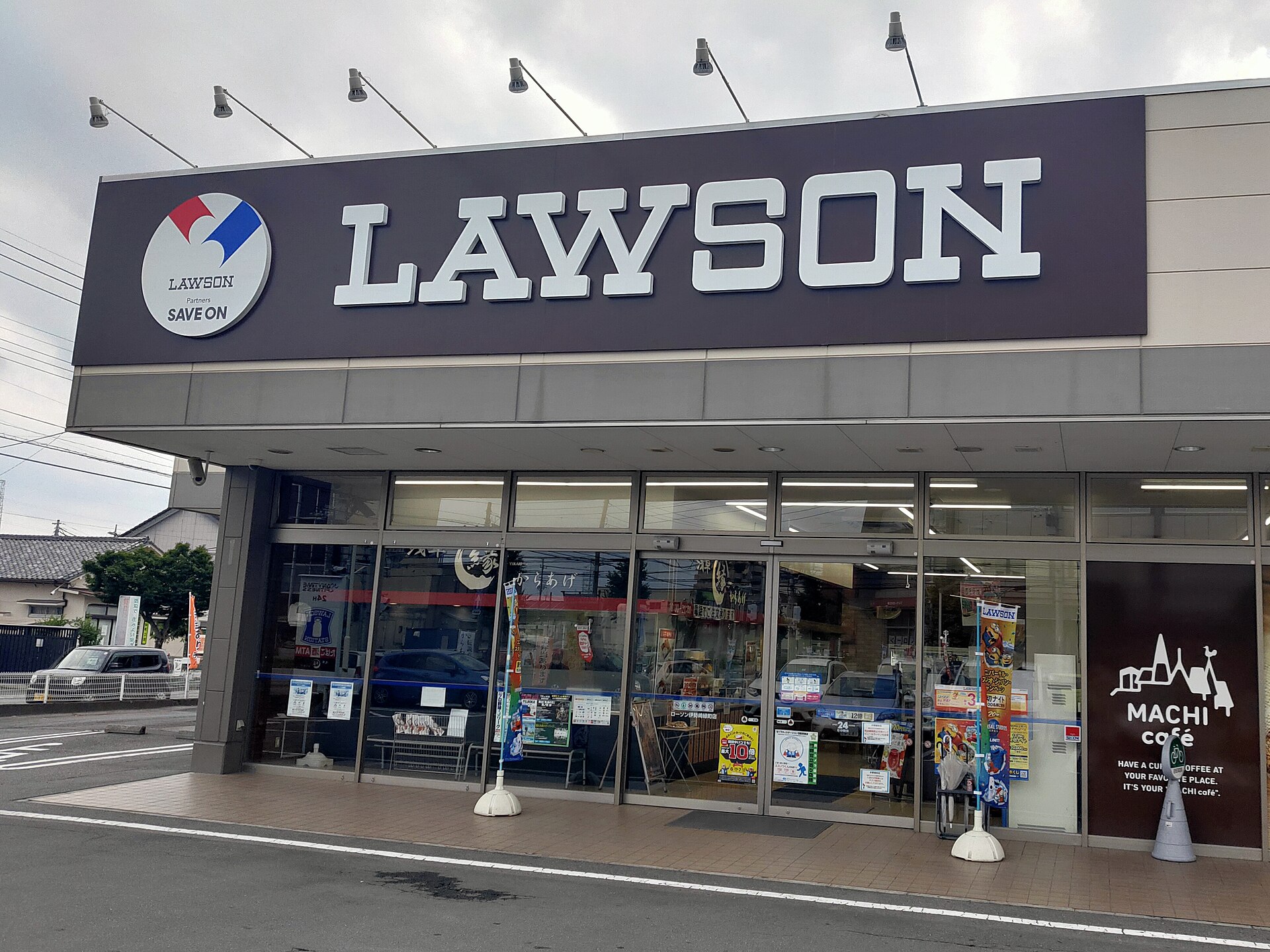
コンビニ (konbini, convenience store) tourism, or combini tourism if you prefer the anglicized spelling, is the practice of treating Japan’s convenience stores as a destination in their own right. It is partly about snacks and limited-edition packaging, but the deeper appeal is texture: the texture of place, the way a small, brightly lit shop can compress modern Japanese life into a few klicks of shelf space. With roughly 56,000 convenience stores across the country, they are everywhere in a way that feels almost infrastructural. That density matters. It means you can step into a konbini in a train station district, a residential neighborhood, a coastal town, or beside a road where the evening has gone quiet, and find the same core functions with local differences layered on top.
The trend has been amplified by social media, blogs, and the YouTube haul culture, where people film what they bought, compare snacks, and linger over packaging as if it were a map. That sounds frivolous until you spend time with it. Then it starts to resemble a practical anthropology of the everyday. A konbini is not just a shop. It is a place to eat, pay, print, send, collect, and pause. I think that is why the idea has caught on so strongly with inbound visitors: it is easy to understand, easy to use, and endlessly varied without asking you to be a specialist. If you want a broader framing of the trend, see Combini Tourism: Japan's New Convenience-Store Travel Obsession.
Why konbini matter so much in Japan
Japanese convenience stores are useful because they are not merely convenience stores in the narrow Western sense. They function as compact service hubs. You can withdraw cash from ATMs with international functions, pay utilities, buy tickets, use a copier, send a parcel, receive a parcel, and pick up food or drinks without much friction. For travelers, that combination is quietly powerful. It reduces the number of separate errands you need to solve in a day, which in turn leaves more attention for the city, the neighborhood, the weather, and the walk between places. That is the real luxury, if you are paying attention.
The practical side also explains why many visitors return to the same chains over and over. The core offer is familiar, but each chain has its own house style, its own rhythm of products, and its own loyal following. The result is a small-scale comparative game: 7-Eleven versus FamilyMart versus Lawson, with people choosing favorite おにぎり (onigiri, rice ball snack) fillings, private-label sweets, iced coffee, or seasonal items. This is not high drama. It is better. It is daily life with a scorecard.
What you will actually find on the shelves
The food is the obvious draw, and for good reason. 弁当 (bento, boxed meal) boxes are often more carefully assembled than outsiders expect, with a level of balance and presentation that makes them feel closer to a considered meal than a stopgap. Onigiri, the triangular rice snacks, are a ritual in themselves: cheap, portable, and astonishingly varied. In winter, おでん (oden, hot winter stew) becomes one of the most distinctive seasonal offerings, with simmered ingredients served hot and ready to keep pace with cold streets and slow evenings. There is something bracing about buying something so plain and so specific, then eating it standing near the register like a functional citizen of the city.
There are also regionally inflected and seasonal products that reward curiosity. Sakura-flavored sweets appear when the season turns. Matcha snacks show up in many forms, from biscuits to cakes. In some regions, you will see local variants that foreground Hokkaido ingredients or yuba snacks, which give the shelves a local accent without turning the store into a museum. The point is not rarity for its own sake. The point is that a konbini can show you how national branding and regional identity sit side by side, often in the same refrigerator door.
- Bento for a complete meal on the move
- Onigiri for something quick, cheap, and surprisingly varied
- Oden for winter warmth and late-night comfort
- Seasonal sweets such as sakura and matcha items
- Regional snacks that shift by prefecture and chain
How the trend spread online
Konbini tourism did not emerge in a vacuum. Social platforms turned shelf browsing into content, and the YouTube haul format made the act of buying things feel narratable. People film snack rows, compare labels, and unpack bags with the solemnity of archivists, which is fair enough; there is plenty to archive. The visual logic is simple: small objects, bright packaging, quick reactions. It travels well. For inbound visitors, that visibility reduces uncertainty. You have already seen the products in motion before you ever stand in front of them.
This matters because the modern traveler often wants both utility and story. A konbini delivers both. It is where you can buy dinner, yes, but it is also where you can participate in a widely recognized piece of Japanese everyday culture without needing a reservation, a long train ride, or a rare opening day. The hype may come from the internet, but the appeal survives offline.
Where to experience it in Japan
If you want to experience konbini tourism properly, do not limit yourself to one branch. Walk a neighborhood and compare a few locations on foot. That is where the differences show up: one store near a station will feel commuter-heavy and efficient, another in a residential area will feel slower and more domestic, and a branch near a tourist district may be engineered for volume and speed. The chain is familiar, but the local context changes the texture.
For many people, 7-Eleven is the easiest starting point because of its scale and reach. With around 21,939 stores as of the end of March 2026, and roughly 22,000 in circulation depending on how counts are framed, it remains one of the most visible entry points into the trend. FamilyMart and Lawson deserve the same comparative attention, because the fun is not just in visiting a konbini, but in noticing how each one solves the same problem differently. If you are mapping your own route, pair stores with a train walk or a neighborhood circuit. Minimize load. Buy something simple. See how the city feels when you let the shelves guide the feet.
One useful detail for visitors: many branches now have English-language ticket machines or multilingual packaging, which lowers the barrier for first-time users. That does not remove the need for attention, but it does mean you can try more than one service without guessing at every step. If you want a deeper look at the way everyday retail has become a destination, Combini-Tourismus erobert Japan: Wenn der Alltag zum Reiseziel wird is a useful companion piece.
Useful terms to know before you go
A few Japanese terms recur so often around konbini culture that learning them pays off immediately. Konbini means convenience store, and it is the word you will hear most often. 予約 (yoyaku, reservation; advance booking) means reservation, which matters when a store service or ticket requires advance handling. Onigiri is the rice snack that anchors so many quick meals. Bento refers to a boxed meal, usually balanced and ready to eat. Oden is the simmered winter dish sold hot in many branches. お菓子 (okashi, sweets; snacks) covers sweets and snacks, the kind that fill endcap displays and seasonal promotions. 回収 (kaishu, cash withdrawal; collection) means cash withdrawal, useful when you need an ATM term in a pinch. And 無料 (muryo, free of charge), meaning free, is the little word that tends to catch the eye when stores promote extras, samples, or added services. These are small terms, but they unlock a lot.
If you are looking for a learning angle, this is a neat one: Japans Convenience Stores als Primär-Reiseziel japanisch lernen is less about grammar drills and more about reading real life. Labels, service counters, ticket screens, snack names, and payment prompts all become legible with a little vocabulary. That is enough. More than enough, really.
Why it matters beyond snacks
Konbini tourism reveals something important about Japan as a place to move through: everyday infrastructure can be culturally rich without performing for you. A convenience store is still a convenience store. It is also a small stage where logistics, design, food culture, and retail habits meet. That is why people keep filming them, walking between them, comparing them, and returning to them. They offer repeatable experience, which is rare and oddly comforting. In a country where so much of travel can become spectacle, the konbini remains close to the ground. Practical. Ordinary. Full of detail.
And that is the appeal. Not grandeur. Not novelty for its own sake. Just a store, a street, a bag of snacks, and the clear sense that a place reveals itself in the smallest transactions if you are willing to look.
Frequently Asked Questions
What is konbini tourism in Japan?
It is the practice of visiting Japanese convenience stores as a destination, not just as a place to buy necessities. The draw is the mix of snacks, services, and everyday culture.
Why are Japanese convenience stores so popular with travelers?
They combine food, payment services, ticketing, ATMs, printing, and parcel services in one place. That makes them practical anchors during a trip.
Which foods are most associated with konbini culture?
Bento boxes, onigiri, and winter oden are core items, along with seasonal sweets and regional snacks such as matcha or Hokkaido products.
Where should I try konbini tourism in Japan?
Start by walking a neighborhood and comparing branches from different chains. 7-Eleven is a common entry point, but FamilyMart and Lawson are worth comparing too.
Is Japanese helpful for using convenience stores?
Basic terms help a lot, especially words like konbini, onigiri, bento, oden, and yoyaku. Many branches also have English-friendly tools or multilingual packaging.
