
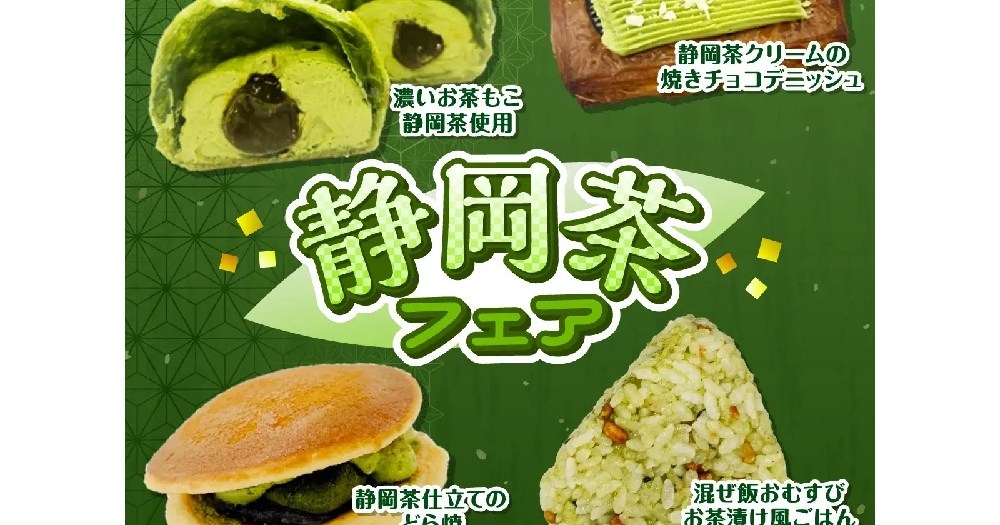
If you're learning Japanese, this is also a useful example of how place, season, and product lines often overlap in everyday food language. A simple おにぎり (onigiri, rice ball) can become a local specialty when the ingredients and region line up in the right way.
7-Eleven's Green Tea Rice Ball Line-up Is Shizuoka Only
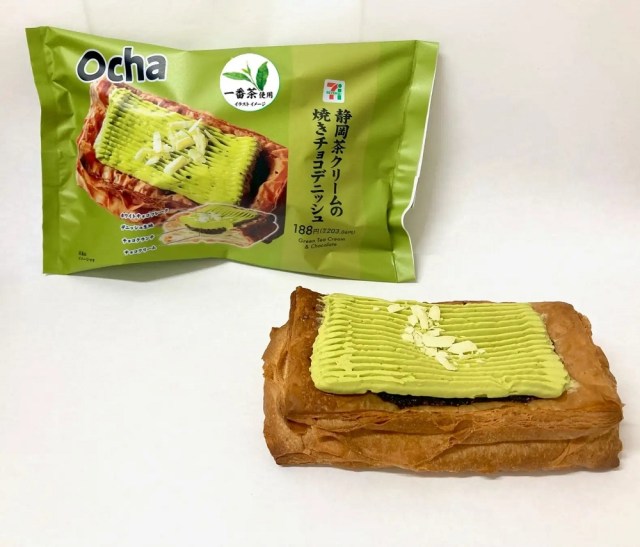
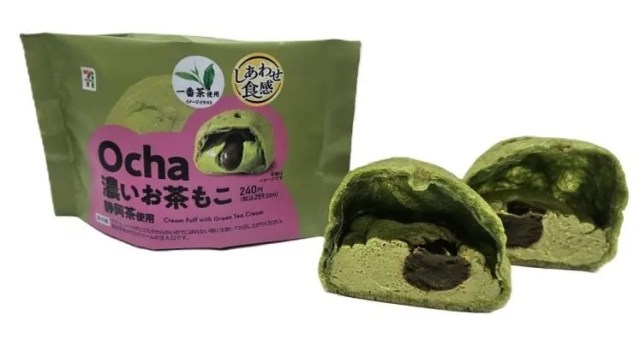
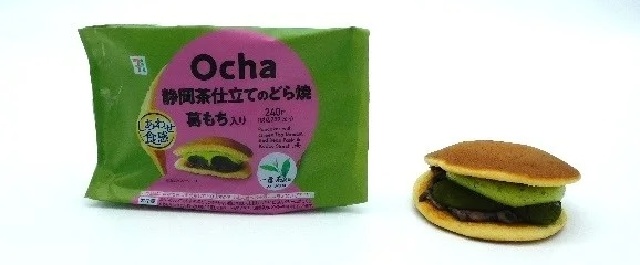
What most people don't know is that 7-Eleven Japan regularly releases region-limited food items, and this green tea rice ball is part of that familiar convenience store pattern. The product sits inside a small line-up of 抹茶 (matcha, powdered green tea)-themed items, including sweets, and all of them are sold only in Shizuoka Prefecture. That means you won't find them in Tokyo, Osaka, or Kyoto, unless a local store is carrying them by accident after a special shipment. Hand on heart, that kind of regional restriction is exactly what makes Japanese convenience stores worth watching.
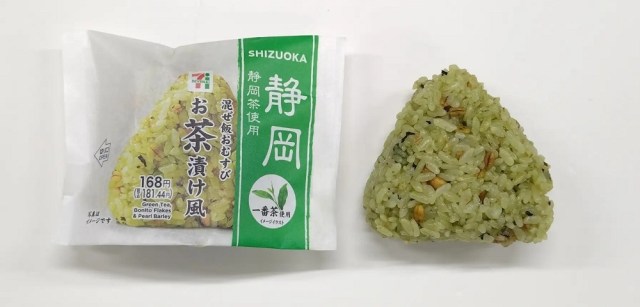
The main item is a green tea rice ball, or お茶 (ocha, tea) onigiri in practical terms if you want to describe it simply in romaji. It uses tea in a way that feels rooted in place rather than gimmicky. 7-Eleven isn't just adding matcha for colour. It's tying a common everyday food to the prefecture that produces some of Japan's most respected tea. See what I mean?
Why Shizuoka Matters in Japan's Tea World
Trust me on this one: Shizuoka isn't chosen at random. It's one of Japan's major tea-producing regions, and people in Japan associate it with high-quality green tea, wide tea fields, and long-standing farming traditions. The prefecture has been a tea powerhouse for generations, and that reputation gives a product like this more meaning than a standard limited-edition snack would have. A tea rice ball sold in Shizuoka feels local in a way that makes sense immediately.
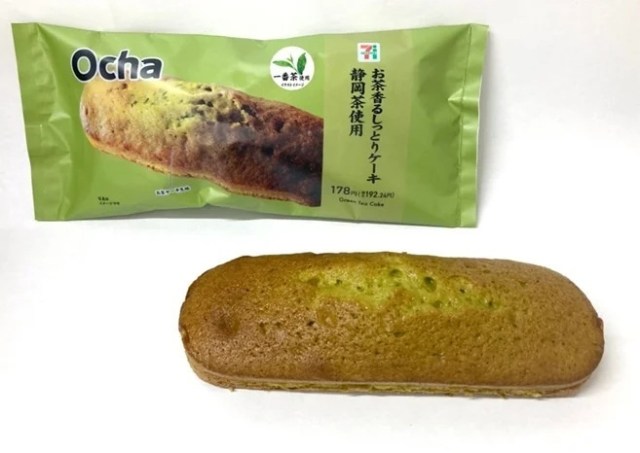
For example, if you know even a little Japanese food vocabulary, this is a neat place to notice how ocha and matcha can signal very different ideas. Ocha usually means tea in a broad sense, while matcha points to finely ground powdered green tea. In the convenience store world, that distinction matters. A rice ball can be subtly flavoured with tea, while sweets can use matcha more boldly for aroma and colour. That difference is small, but it's real. Classic Japan, isn't it?
What Many Overlook: Convenience Store Regionalism
No joke: Japanese convenience stores are some of the best places to understand regional branding. 7-Eleven, FamilyMart, and Lawson all do this, but 7-Eleven Japan is especially good at turning a local product into a quiet event. A Shizuoka-only release isn't trying to become a nationwide bestseller. It's trying to feel native to the area where it's sold. That's a different business idea, and it works because Japanese customers notice locality.
While we're at it, this is also one reason Japan fans keep following convenience store news. A product can be simple, even humble, yet still tell you where it belongs. A green tea rice ball in Shizuoka isn't just food. It's a short lesson in regional pride, supply chains, and consumer habits. My tip: if you're learning Japanese, watch how often food news uses words like 限定 (gentei, limited edition; limited) for limited, or 地域 (chiiki, region; local area) for region. Those terms come up constantly in convenience store coverage, and they're worth recognising. Convinced yet?
Matcha Sweets Alongside the Rice Ball
On a related note, the line-up doesn't stop at onigiri. The release also includes sweets with green tea flavour, which makes sense in a tea-producing area. Japanese convenience stores often build a small theme around one local ingredient, then spread it across savoury and sweet items. That gives customers more than one way to buy into the idea. A rice ball covers lunch. A dessert covers the break after it. That's a neat bit of merchandising, and it feels very Japanese in its own practical way.
What I especially like is this approach keeps the product grounded. It doesn't need a dramatic slogan. It just uses Shizuoka tea in forms people already understand. If you've ever opened a convenience store case in Japan and seen a cluster of matching items, you know the pattern. One ingredient leads the line, then everything else follows from it. See what I mean?
Why Japan Fans Should Pay Attention to This Release
That reminds me: if you're visiting Japan and want to experience regional food culture without planning a full day trip, convenience stores are a practical place to start. You can see how prefectures market themselves through food, how limited releases work, and how national chains adapt to local identity. A Shizuoka-exclusive green tea rice ball is a small item, but it points to a bigger habit in Japan. Locality matters, even at 7-Eleven.
Picture this: you walk into a store near a tea field in Shizuoka, pick up an onigiri that uses local tea, and then choose a matching matcha sweet for later. That's not a fine dining experience, but it is a real one. For learners, it's also a good reminder that Japanese food language is full of place names, ingredient names, and product labels that reward careful reading. If you can recognise Shizuoka, ocha, and matcha, you're already reading the shelf more actively than many visitors do. Wild, isn't it?
If you want more Japan food and convenience store stories like this, follow more Japan news on jpnerd.com.
In pictures
Frequently Asked Questions
Is this green tea rice ball sold all over Japan?
No. It is limited to Shizuoka Prefecture.
Why is Shizuoka linked to tea?
Shizuoka is one of Japan's most important tea-growing regions and is closely associated with high-quality green tea.
Does 7-Eleven often release regional products in Japan?
Yes. Japanese convenience stores often sell local or prefecture-specific items to highlight regional ingredients and flavours.


