
The best part? You can do it all at a relaxed pace, from temple stops to market snacks, without needing to pack your day too full.
抹茶 (Matcha, powdered green tea) in Uji and Kyoto isn’t just a dessert theme, it’s a very walkable travel plan. If you like Japanese tea, this route gives you real depth, not just the usual soft serve photo stop. You’ll taste the difference between ceremonial-grade matcha, everyday tea, and sweets that are built around bitterness, sweetness, and texture.
The first time I went to Japan, I thought matcha was mostly about ice cream and lattes. Then I spent a day between Uji and central Kyoto, and the whole thing clicked. Tea here is culture, commerce, and hospitality all at once, and yes, it tastes better when you know where to look.
Uji, the home of serious matcha
What most people don't know is that Uji isn’t just a side trip. It’s one of the most important tea areas in Japan. It sits south of Kyoto city, and the train ride from Kyoto Station is roughly 20 minutes on the JR Nara Line or about 30 minutes on the Keihan line plus a walk. The region has been linked to tea since the Heian period, and today it’s still where many travellers go when they want matcha with a real sense of place.
Uji is where I’d start if you want to understand why matcha tastes so different in Japan. The town has specialist tea houses, tea shops, and long-standing brands selling powder, 煎茶 (sencha, steamed green tea), and hojicha. My tip: don’t only buy the most famous sweets. Ask for a small tin of matcha powder too, then compare it at home with what you’ve tasted. That little tasting memory sticks.
Tea vocabulary that helps on the spot
While we're at it, a few words make ordering much easier. お茶 (ocha, tea) means tea, matcha is powdered green tea, 和菓子 (wagashi, traditional Japanese sweets) are traditional sweets, and お土産 (omiyage, souvenir; gift) are gifts or souvenirs. If you see 濃茶 (koicha, thick tea), that means thick tea, usually richer and less common than the lighter style most visitors drink.

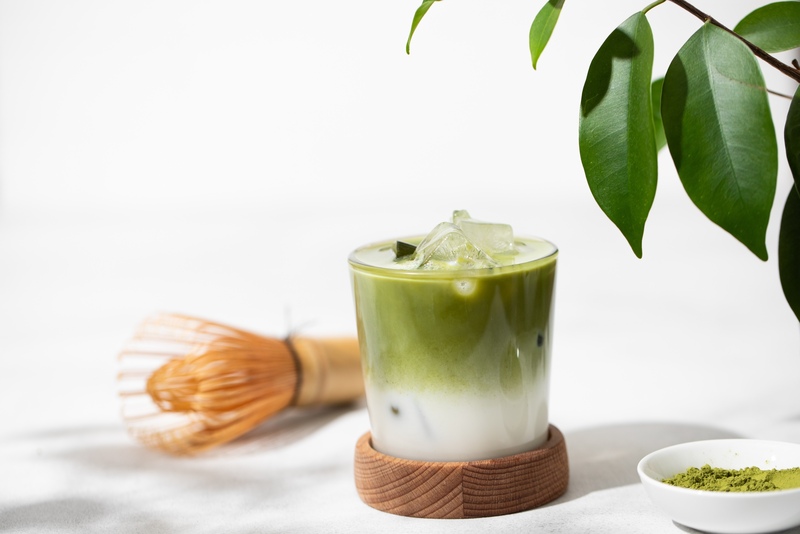
Insider tip: if a shop asks whether you want your matcha “hot” or “cold”, the hot version often shows the flavour better. Cold drinks can be refreshing, but they sometimes flatten the aroma. On a related note, if you’re learning Japanese, this is a nice chance to practice simple phrases like お願いします (onegaishimasu, please; I would like to ask for this) when ordering and arigato gozaimasu when paying. But that's not all.
Byodo-in and the beauty of tea culture
That brings us to Byodo-in, Uji’s most famous landmark and a must for this route. The Phoenix Hall, which appears on the 10 yen coin, dates to 1053, and the temple complex is a UNESCO World Heritage Site as part of the Historic Monuments of Ancient Kyoto. Even if you only have a short time, the setting alone makes the tea stop feel special.
Plot twist: Byodo-in also helps explain why Uji feels so tied to elegance and restraint. The architecture, the pond, and the calm grounds all match the quiet side of Japanese tea culture. Hand on heart, this is where matcha stops being just a flavour and starts feeling like a ritual. You notice the way tea cups are held, how sweets are paired, and how silence can be part of the experience.
Etiquette for tea houses and temple stops
Japanese tea etiquette doesn’t need to be intimidating. Take off your shoes if asked, speak softly, and don’t start eating until everyone is served if you’re in a group setting. If you receive tea with both hands, that’s a small but respectful gesture, and it fits well in traditional spaces.

What I especially like is that in Kyoto and Uji, the staff usually make the experience feel easy for visitors. You don’t have to perform perfection, you just need to be attentive. A simple sumimasen for getting attention, a small bow, and no rushing through the sweets already puts you in the right rhythm. Convinced yet?
Nishiki Market, matcha sweets, and Kyoto snacking
Picture this: after the calm of Uji, you head back into central Kyoto and end up at Nishiki Market. This covered market stretches for several blocks near Shijo and has been a food stop for centuries, with many stalls now focused on snacks, pickles, seafood, and sweets. For matcha fans, it’s where the route gets fun, because you can compare traditional tea flavours with modern Kyoto-style treats.
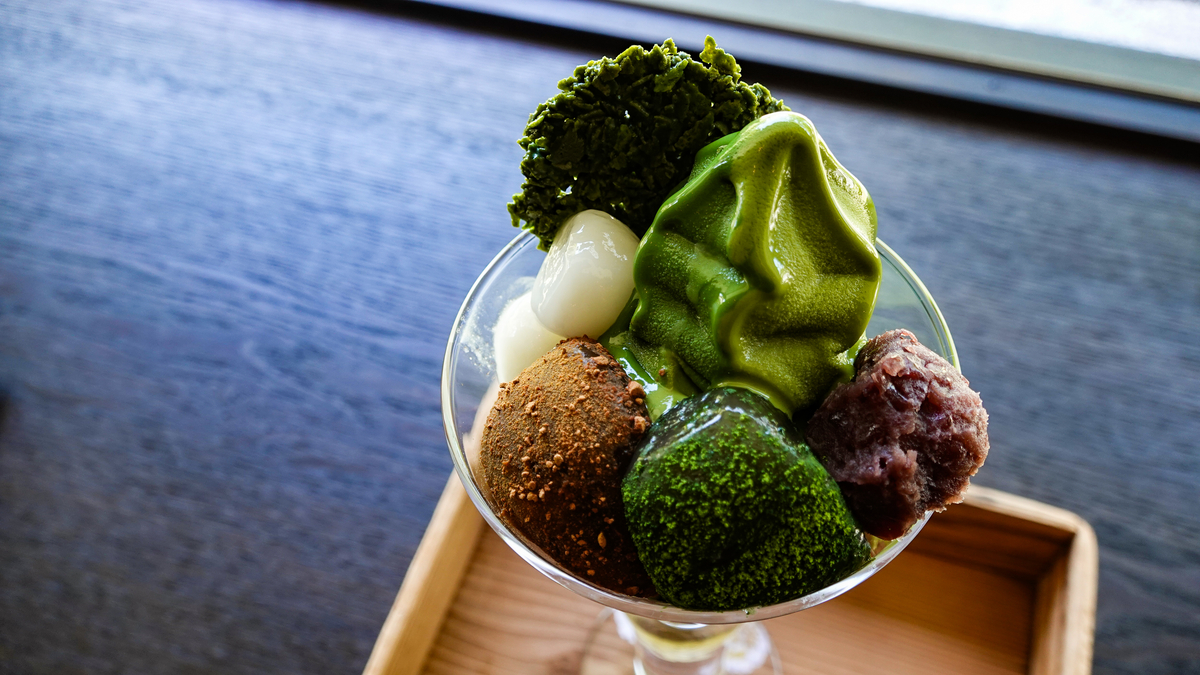
A great example: matcha manju, matcha daifuku, matcha ice cream, and matcha castella often sit side by side. The trick is not to buy everything at once. Try one sweet, then a plain sip of tea, then another snack. That way you actually taste the bitterness and sweetness instead of just getting sugar overload. Sounds weird, but it's true.
Best pairings to try at Nishiki Market
Look for sweets with red bean paste, because anko and matcha are a classic pair. The bean sweetness softens the tea’s sharp edges, and the result feels balanced rather than heavy. If you see a set with a small tea cup and a single wagashi, that’s usually the best value for first-timers.
On the flip side, some matcha products are better for photos than flavour. Bright green cookies and cakes can be fun, but the best ones often look more understated. My tip: choose anything that lists Uji matcha by name, then ask whether it was made fresh that day. Kyoto is full of polished sweets, but freshness matters more than packaging. But that's not all.
A simple half-day matcha route through Uji and Kyoto
If you want a clean plan, start in Uji in the morning, visit Byodo-in, then have tea and a sweet in town before heading back to Kyoto for Nishiki Market in the afternoon. This works well because Uji feels calmer early on, while Nishiki is better once you’re ready for casual grazing and shopping.
What most people don't know is that you don't need a guide to enjoy this route, but you do need a little pacing. Tea rooms, temple grounds, and market stalls all reward slow movement. Keep some cash handy, since smaller shops still prefer it, and allow time for queues at popular matcha cafés. That small bit of planning makes the whole day much smoother.
For Japanese learners, this route is a great real-life vocabulary session. You’ll see words like cha, wagashi, yado if you stay overnight, and shitsurei shimasu when entering or leaving a room. Those little phrases matter, and they make the trip feel more natural.
In pictures

Frequently Asked Questions
Is Uji worth visiting just for matcha?
Yes. Uji has strong tea culture, historic shops, and a calmer atmosphere than central Kyoto, so it works especially well for a tea-focused half day.
Can I visit Byodo-in and Nishiki Market on the same day?
Yes. Start in Uji, then head back to Kyoto for Nishiki Market later in the day. That order keeps the trip efficient and relaxed.
Do I need Japanese to order tea and sweets?
No, but a few basic phrases help. Simple greetings and polite words usually go a long way in tea houses and markets.


