
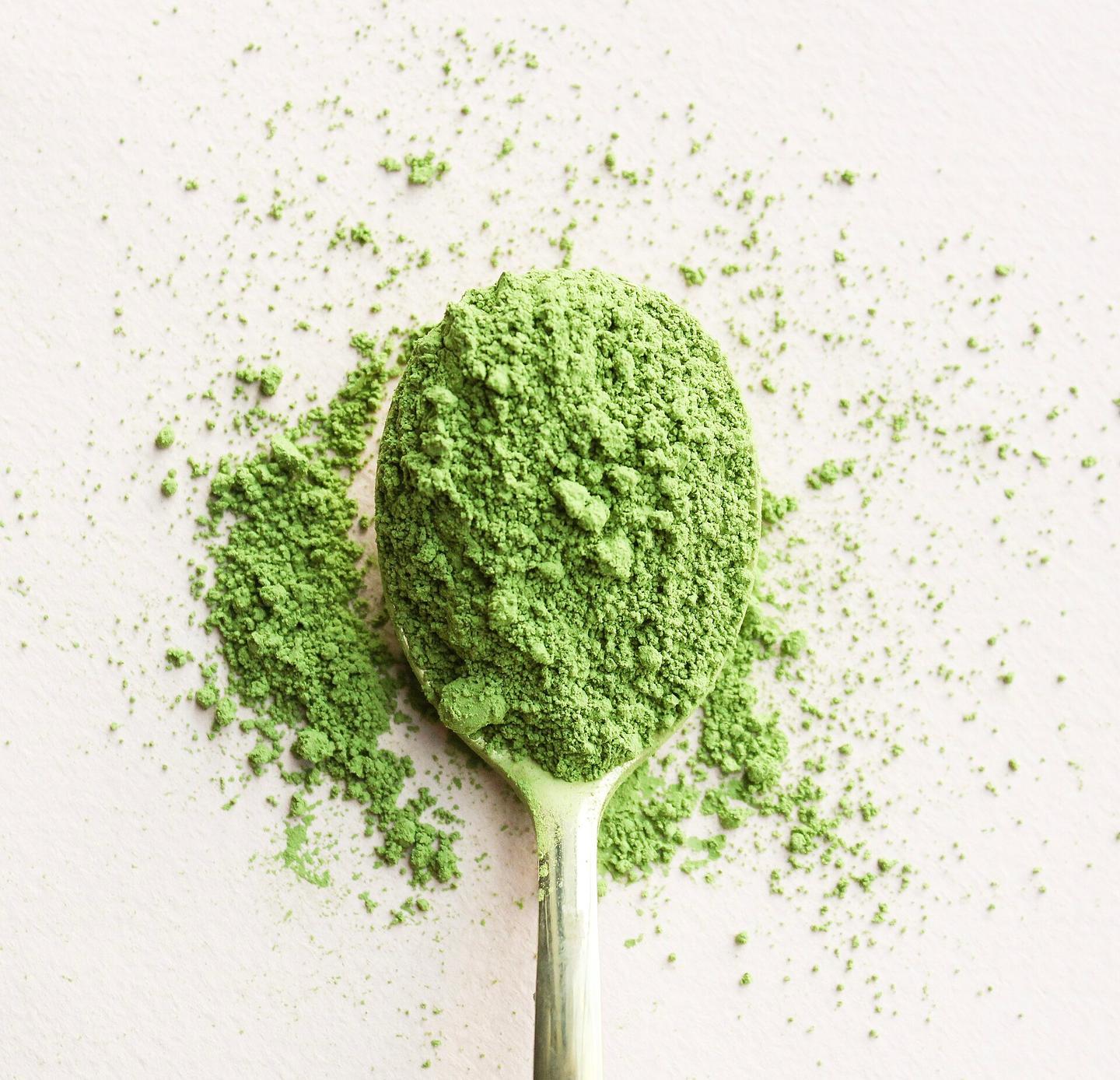
Here's the thing: this isn't just a story about green powder in a fancy tin. It's about family farming, export logistics, and how a very Japanese drink keeps finding new fans abroad.
Japan matcha export story: from family farm to global demand
Did you know that 抹茶 (matcha, powdered green tea) from Japan is now being shipped to more than 60 countries? That's not a small side business; it's a serious international story, and Eiri Yokota, CEO of DripSquare, is one of the people helping push it forward. The business side matters, but so does the cultural side, because matcha still carries the image of calm, care, and craft. Classic Japan, isn't it?
Hand on heart, I love stories like this because they show how something deeply traditional can still move fast. Matcha is no longer limited to tea ceremonies or quiet cafes in Kyoto, it's in supermarkets, speciality shops, and online stores across Asia, Europe, North America, and beyond. Personally, I think that's what makes Japanese food exports so interesting: they don't just sell a product, they export a feeling. Wait, there's more.
Eiri Yokota and DripSquare: export, branding, and trust
Take Eiri Yokota, for instance. As CEO of DripSquare, she represents a newer kind of Japanese food business leader, someone who has to think about farming, branding, shipping, language, and overseas customers all at once. That mix is no joke, because a product like matcha needs more than good leaves, it needs stable quality, traceability, and a story buyers can believe in. Sounds odd, but it's true.
Compared with back home, overseas consumers often want more explanation. They ask where the tea comes from, how it was grown, whether it's ceremonial grade or for lattes, and how fresh it is. That means companies like DripSquare have to do a lot of education, not just sales. My tip: if you're learning Japanese, pay attention to words like kori for cold, 自然 (shizen, nature; natural) for natural, and 栽培 (saibai, cultivation) for cultivation, because these often show up in product descriptions and export pages.
Why trust matters in tea exports
Matcha is sensitive. Light, air, heat, and time can all affect flavour and colour, so export success depends on handling as much as harvest. That's why a company linked to a real farming background has an edge: buyers can see that the people behind the brand understand the leaf, not just the market. Basically, if the story's honest, the product has a better shot abroad. Personally...
Family tea farming: the roots behind the business
I still remember how often Japanese tea businesses talk about family continuity, and this case fits that pattern beautifully. A family farming operation gives matcha something that factory-only brands often struggle to fake, namely memory, routine, and local knowledge passed down over time. From pruning to steaming to grinding, each step carries skills that don't appear overnight. Simply brilliant.
Unlike what we're used to in many fast-moving food markets, Japanese tea farming can still be a multi-generation effort. That matters for export, because overseas buyers increasingly care about origin stories and production ethics. They want to know if the farm is real, if the leaves are handled carefully, and if the brand can keep supply consistent year after year. But that's not all.
Family businesses also help preserve regional identity. A tea from one prefecture can taste different from a tea grown elsewhere, thanks to soil, weather, and cultivation methods. In Japanese, you might hear terroir explained through words like 地域 (chiiki, region; area) and 風土 (fudo, local climate; regional character), meaning region and local climate or environment. That sort of nuance is exactly what makes matcha more than a trend.
Matcha in more than 60 countries: why the world keeps buying
And it gets better: matcha's export range now stretches to over 60 countries, which tells us something important about demand. People abroad are using it in lattes, desserts, smoothies, and even baking, while traditional tea lovers still want the classic whisked style. Japan has managed to keep both worlds open, the old and the new, and that balance is a big reason the product travels so well. Personally, I find that pretty exciting.
The numbers matter here. More countries mean more language adaptation, more food regulations, more shipping routes, and more customer types. A cafe owner in Paris doesn't buy matcha the same way a wellness brand in California does. A buyer in Singapore may care about aroma and colour, while a buyer in Germany may focus on ingredient lists and sustainability. Hand on heart, that's a lot to manage, and it makes DripSquare's reach impressive.
For Japan fans, matcha exports are also a nice reminder that cultural products can become business bridges. One teaspoon can lead to a conversation about Uji, tea farming, Japanese seasons, or even how to order in a cafe using the word matcha correctly. If you're studying Japanese, these kinds of real-world product stories are gold, because they give vocabulary context that sticks. Wait, there's more.
What Japanese learners can take from this matcha story
Take this as a learning opportunity, not just a food trend. When you read Japanese export news, you'll often see terms tied to agriculture, business, and craftsmanship, and matcha gives you all three in one place. Words like 農家 (nouka, farmer; farming household) for farm, 経営 (keiei, management; operation) for management, and kaigai for overseas sales show up again and again in business coverage.
My tip: follow Japanese food and drink brands on social media, then notice how they describe taste, seasonality, and production. You'll pick up natural phrasing faster than from a textbook alone. And if you're a Japan enthusiast, there's something deeply satisfying about seeing one humble tea leaf connect a family farm, a CEO, and customers in 60-plus countries. Simply brilliant.
So yes, this is a business story, but it's also a culture story. It shows how Japanese tradition can travel without losing its identity, especially when the people behind it know both the farm and the market. Classic Japan, isn't it?
Frequently Asked Questions
Who is Eiri Yokota?
Eiri Yokota is the CEO of DripSquare, a company connected to the global matcha export story.
How many countries does the matcha reach?
It is being exported to more than 60 countries.
Why does the family farm matter?
The family tea-farming background adds trust, skill, and a strong origin story that helps in export markets.


