
Overview
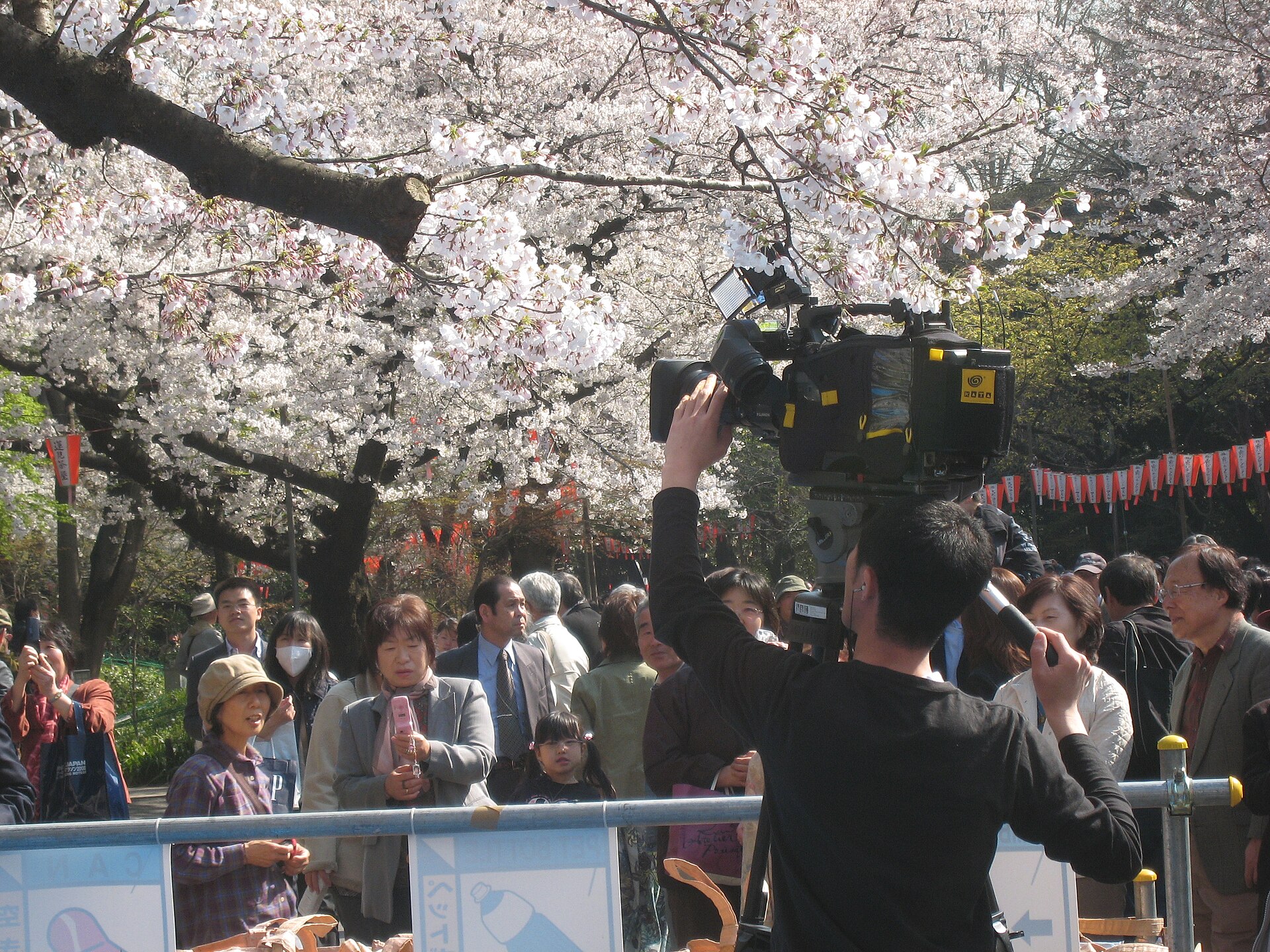
花見 (Hanami, flower viewing; especially cherry blossom viewing) is the Japanese tradition of flower viewing, and in everyday conversation it usually means cherry blossom viewing during 桜 (sakura, cherry blossoms; cherry tree flowers) season. It is both social and reflective. People gather under blooming trees, share food and drinks, and take time to notice something fleeting before it passes.
That last part matters. Hanami is closely tied to 物の哀れ (mono no aware, awareness of the transience of things; bittersweet sensitivity), the feeling that comes from noticing impermanence. Cherry blossoms are beautiful precisely because they do not last long. Their peak bloom is usually only about one week to two weeks, which gives the whole season a gentle urgency. I think that is what makes Hanami so moving. It is simple, but not shallow.
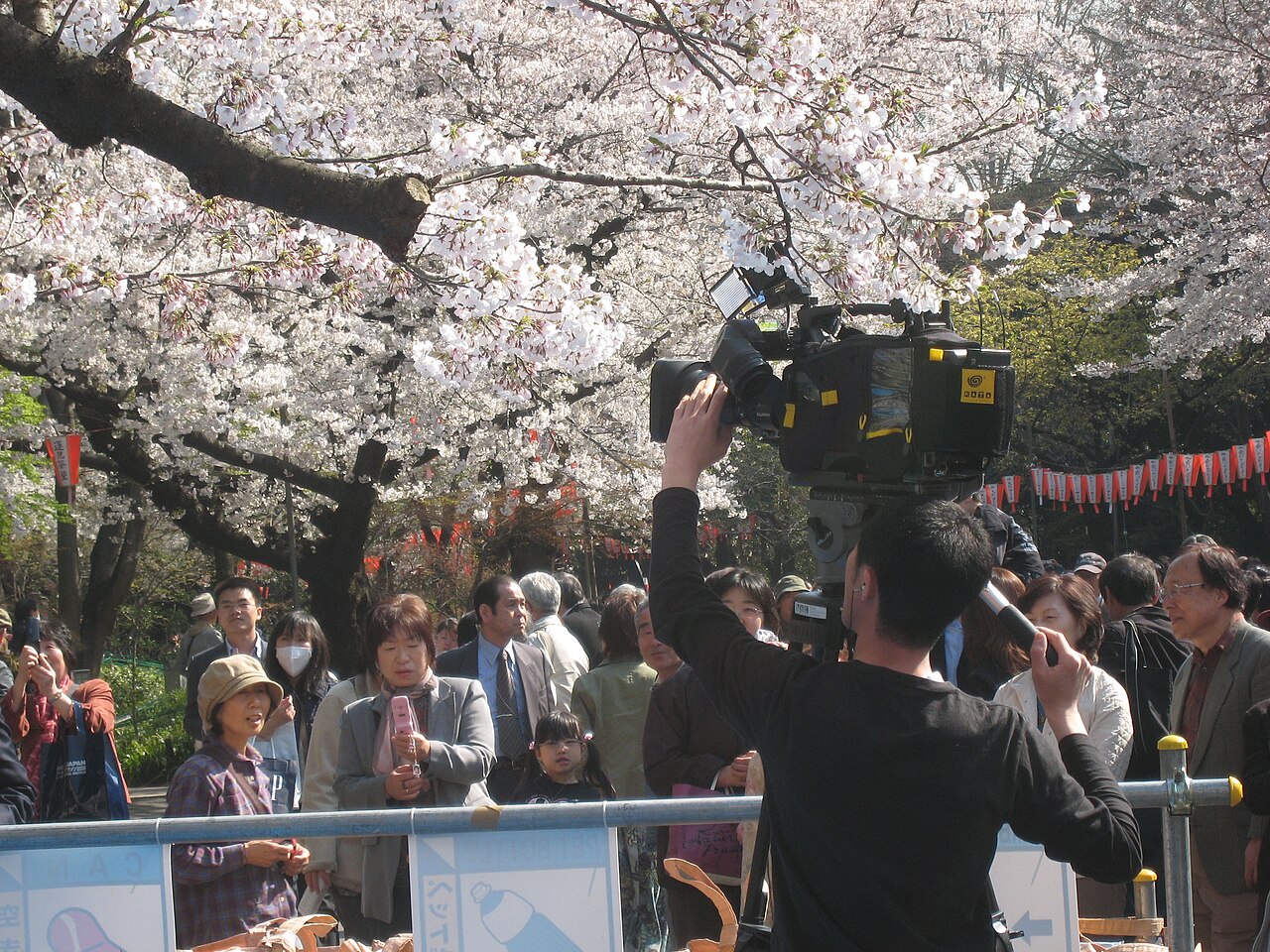
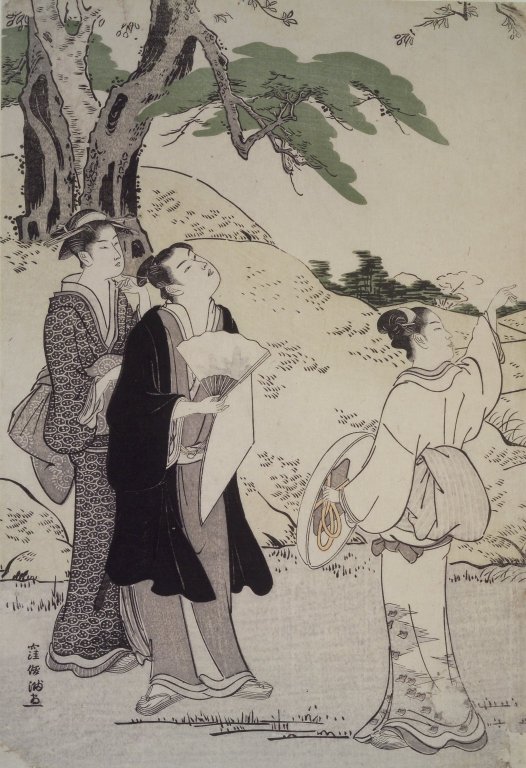
The tradition has deep roots in Japan. Public blossom viewing goes back to the Heian period, and some sources trace earlier courtly flower appreciation to the Nara period before sakura became central. Over time, Hanami moved from aristocratic culture into a wider public custom. Today it is still one of the clearest ways to understand Japanese seasonal feeling, or 季節感 (kisetsukan, sense of season; seasonal feeling), the sense that each season has its own mood and rhythm.
How the tradition works in practice
A modern Hanami gathering can look very relaxed. Friends or coworkers reserve a spot, bring a picnic sheet, unpack snacks, and settle in under the trees. The picnic sheet, or 敷き (shiki, sheet or mat laid out on the ground), is part of the familiar setup in parks across Japan. Food is often shared, drinks are common, and the mood can shift easily from lively conversation to quiet people-watching. That mix is the heart of it.
Timing matters too. Blossom forecasts are followed closely because sakura move quickly from first bloom to full bloom, and weather can shorten or extend the season. The brief window is exactly why Hanami feels special. You plan for it, but you also have to accept that nature keeps the final say. And that is a very Japanese kind of lesson.
- Look for local bloom forecasts before the season starts.
- Go early if you want a calm daytime experience.
- Stay into the evening if you want 夜桜 (yozakura, cherry blossoms viewed at night), the lit-up night viewing that changes the whole mood.
- Bring simple food and drink if the setting allows picnicking.
Why Hanami still matters
Hanami is not only about pretty flowers. It is a seasonal ritual that connects people to time itself. The blossoms are admired because they fade, not despite it. That emotional frame helps explain why Hanami has lasted for so long. It gives people a shared reason to pause, notice, and return each year.
If you are learning about Japanese culture, this is also one of the easiest ways to understand how nature and daily life overlap. Hanami is not an abstract idea in a textbook. It is something visible in parks, trains, weather reports, and social plans. If you want a broader cultural explanation of why cherry blossoms hold such symbolic weight, this Hanami background guide is a useful place to start.
Places and variations worth knowing
Most people think of Hanami as a park activity, but the experience changes depending on the setting. Hirosaki Park in Aomori is one of the best-known cherry blossom locations, with about 2,600 cherry trees and reflections in the castle moat that add a second layer of beauty. Its blossoms usually open about two to three weeks later than in Tokyo, and full bloom often arrives in late April, depending on spring weather.
The park also hosts the Hirosaki Cherry Blossom Festival, which usually runs from late April to early May and includes night illuminations. That is a classic example of yozakura, when blossoms are lit after dark and take on a softer, dreamlike presence. Coastal Hanami offers a different mood again. In seaside places, the ocean and sunset change the entire atmosphere. A Shizuoka-area example is Hamamatsu, where cherry blossoms, sea views, and the evening sky can be part of the same outing. If you are curious about that atmosphere, Hanami at Sunset: Cherry Blossoms by the Sea is a good companion read.
Hanami in Japanese learning and culture study
Hanami is also a very useful word if you are doing Japanisch lernen in a cultural context. The term itself is simple, but it opens the door to related seasonal vocabulary, weather language, and the way Japanese media talks about spring. If you want to study hanami kanji, you will see that the word is built from characters for flower viewing, which helps reinforce how Japanese compounds often describe the action directly. That makes it a neat entry point for learners.
For study, I recommend learning Hanami alongside a few connected words: sakura, yozakura, kisetsukan, mono no aware, and shiki. These terms appear often in articles, festival notices, and seasonal conversations. They help you move from memorizing a word to understanding the atmosphere around it. That is usually where Japanese feels more alive.
How to get started and learn more
If you are new to Hanami, start with the basics: read about the season, follow bloom timing for one city, and notice how people talk about the blossoms in relation to weather and time. Then look at different settings. A city park, a historic site, and a seaside location each show a different side of the tradition. That comparison tells you more than a single photo ever could.
From there, pay attention to the language used around the season. Search for Hanami guide articles, festival listings, and blossom forecast updates. If you are using the topic for language study, pair Hanami with short reading practice and vocabulary notes. The point is not to rush. It is to let the season teach you how to look.
This is your chance to discover Hanami for yourself, whether through a local blossom walk, a festival calendar, or a careful reading of seasonal Japan. There is always something more to explore. And with Hanami, that is part of the beauty.
Related questions people often ask
For readers who want an extra layer of context, the next section answers the most common practical questions about the season, timing, and what makes Hanami different from ordinary flower viewing.
Frequently Asked Questions
What does Hanami mean?
Hanami means flower viewing, and in modern use it usually refers to cherry blossom viewing during sakura season.
Why is Hanami so important in Japan?
Hanami matters because it combines social gathering, seasonal awareness, and the idea of mono no aware, or beauty shaped by impermanence.
How long do cherry blossoms usually last?
Cherry blossoms are short-lived, and the blooms generally last about one week to around two weeks.
What is yozakura?
Yozakura means night cherry blossom viewing. It usually refers to blossoms seen under evening illuminations.
Is Hanami useful for Japanisch lernen?
Yes. Hanami is a practical cultural keyword, and it connects naturally to sakura, yozakura, kisetsukan, mono no aware, and shiki.
