
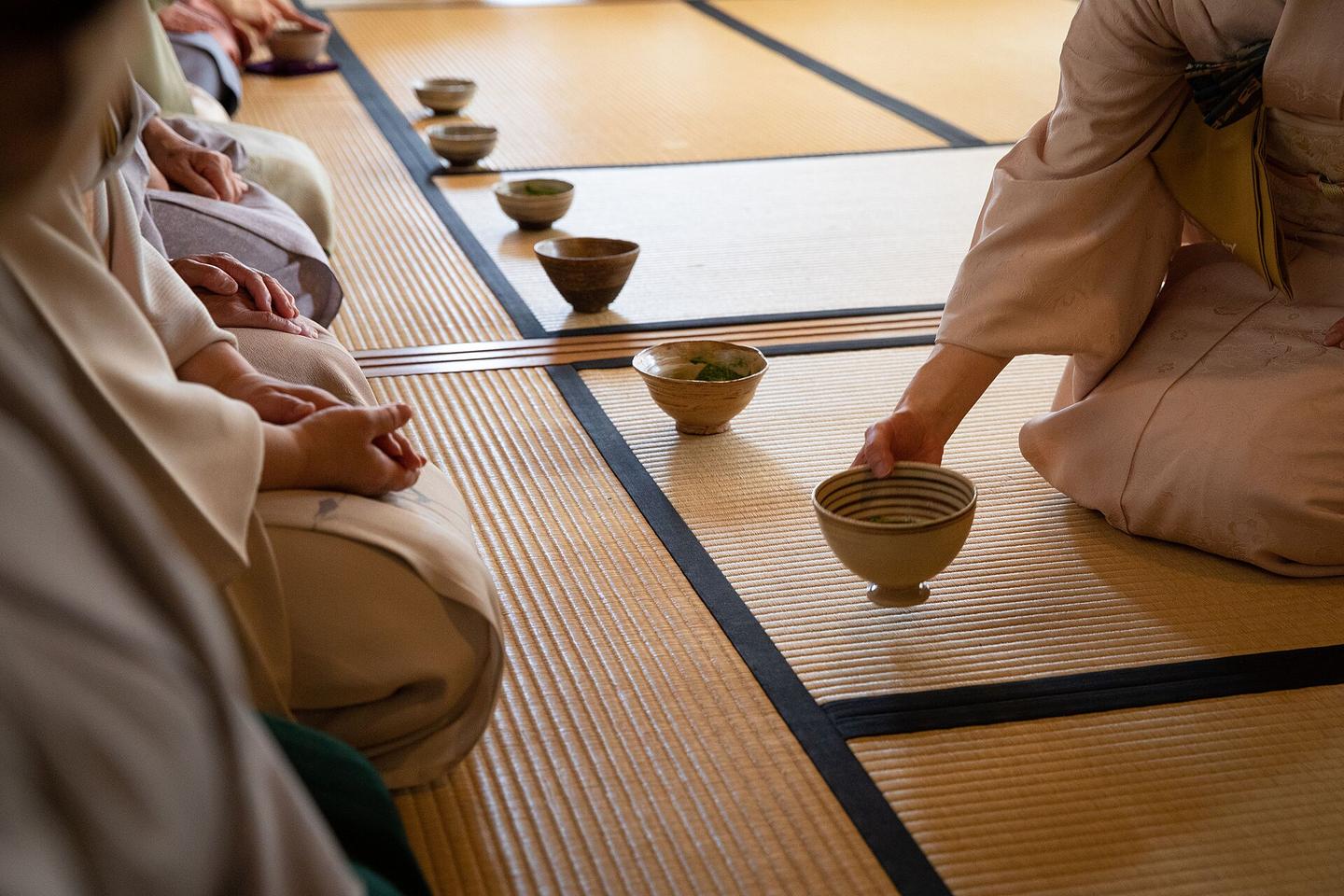
For Japan fans, this is more than trade news. It shows how 抹茶 (matcha, powdered green tea) moves from tea fields and processing rooms into overseas business networks, and it gives Japanese learners a neat window into words like 製茶 (seicha, tea processing), 媒介 (baikai, brokerage; mediation), and 展示 (tenji, exhibition; display).
Guess what? Japan Matcha Export Organization, better known as JMEX, only appeared in 2024, but it's already trying to carve out a place in Japan's export machine. The group is built for business-to-business trade, not for casual café chatter, and that makes it worth watching if you care about how matcha really gets from Japan to the world.
Its first big public move was a booth at the Japanese Food Export Expo in Tokyo. That matters. Trade fairs like this are where buyers, distributors, ingredient companies, and food-service operators meet face to face, compare supply chains, and decide whether a product can scale beyond a niche audience.
But let's stick with JMEX for now. The reason is simple: when people hear matcha, they often think of lattes, sweets, or pretty tins on social media. Exporting matcha is a different game. It needs quality control, stable volumes, paperwork, logistics, and a clear story about origin. Classic Japan, isn't it?
What JMEX is trying to do in Japan's matcha export market
What many overlook: matcha isn't just a product, it's a supply chain. Japan Matcha Export Organization was created in 2024 to help connect Japanese matcha producers with overseas buyers who need dependable B2B access. That means the focus is less on retail packaging and more on bulk supply, specifications, and long-term contracts.
Unlike what we're used to seeing in tourist shops, this kind of export work starts with seicha, the processing of tea leaves, and it ends with carefully managed shipments. Buyers abroad often want consistency in colour, bitterness, aroma, and micronised powder texture. If a company can't guarantee those basics, it won't last long in export trade.
From a Japan-learning angle, this is also a nice vocab set to keep in mind. 貿易 (boeki, trade) means trade, 生産 (seisan, production) means production, and baikai is brokerage or mediation. Those words show up constantly in business Japan, and JMEX sits right at that intersection. Personally, I like seeing this side of Japan because it reminds you that the country runs on systems, not just aesthetics. Sounds odd, but it's true.
Why the Japanese Food Export Expo in Tokyo matters
Plot twist: a trade fair booth can be more important than a flashy marketing campaign. JMEX's appearance at the Japanese Food Export Expo in Tokyo put it in front of the exact people who can move product, importers, food manufacturers, wholesalers, and overseas buyers looking for reliable Japanese ingredients. That's where deals begin, or quietly end.
The expo itself is part of Japan's wider push to grow food exports. Japan has spent years trying to turn premium products, from 和牛 (wagyu, Japanese beef) to sake to tea, into stronger export categories. Matcha fits that strategy well, because it already has brand recognition abroad. The challenge isn't awareness, but infrastructure. Can Japan supply enough high-grade matcha, in the right form, at the right time? JMEX seems to be betting that the answer can be yes.
While we're at it, trade shows also reveal how Japanese companies think about trust. A booth isn't just a table and some brochures. It's a signal. It says, we're here, we're organised, and we're ready to talk terms. My tip: if you ever watch Japanese business culture, pay attention to the small formalities, because they usually tell you more than the sales pitch. See what I mean?
What JMEX tells us about matcha, exports, and B2B structure
Trust me on this one: matcha export isn't a one-size-fits-all business. Some buyers want ceremonial-grade powder, others want food-industry material for chocolate, noodles, ice cream, or bakery products. JMEX's role makes sense because B2B buyers need a middle layer that understands both tea culture and commercial supply needs.
Basically, the value is in coordination. A trade-focused organisation can help standardise communication, explain quality grades, and make it easier for overseas companies to understand what they're actually buying. That matters because matcha can vary a lot depending on cultivar, harvest timing, shading, stone-milling, and storage. A buyer who doesn't understand those differences may end up with the wrong spec for the wrong market.
For learners of Japanese, this is a good reminder that business Japanese often revolves around precision. Words like hinshitsu for quality, kakaku for price, and noryoku for capacity come up again and again. What I especially like is that the matcha trade gives these words a real-world setting, not just a textbook one. From my experience, that makes vocabulary stick much faster.
Why this matters outside Japan too
On the flip side, overseas demand can put pressure on Japanese producers. If a product becomes globally trendy, supply can tighten fast, and prices can rise. That's good for some growers, but it can also create tension if export demand starts competing with domestic needs. JMEX will have to navigate that carefully if it wants to build a stable reputation.
There's also a cultural piece here. Matcha has become a global symbol of Japanese taste, but its value in Japan is much broader than trend culture. It connects to tea ceremony, regional farming, and seasonal harvest rhythms. This is my absolute hidden gem! When you follow the export side, you stop seeing matcha as a lifestyle accessory and start seeing it as an industry with roots, standards, and real business risk.
For Japan fans, that makes JMEX interesting even if you never plan to import tea. It shows how Japanese companies build credibility step by step, first by forming an organisation, then by showing up at a major expo, then by speaking directly to the market they want to serve. That progression feels very Japanese in the best way, careful, practical, and built on relationships.
If you want more stories like this, more Japan news on jpnerd.com.
Frequently Asked Questions
What is JMEX?
JMEX stands for Japan Matcha Export Organization, a new group focused on matcha exports and business-to-business trade.
When was JMEX founded?
JMEX was founded in 2024.
Why did its expo appearance matter?
Its booth at the Japanese Food Export Expo in Tokyo put it in front of importers, distributors, and other buyers who shape export deals.


