
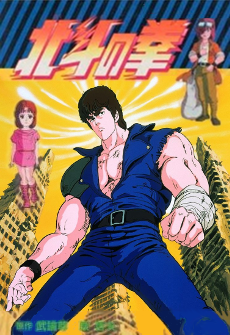
Let’s be honest: Nagoya doesn’t always get the loudest headlines in Japan travel, but this one has real charm. If you grew up with Fist of the North Star, or you’re learning Japanese through classic anime, this is the kind of story that sticks.



Golden Hokuto no Ken Statues in Nagoya Bring Retro Anime Energy
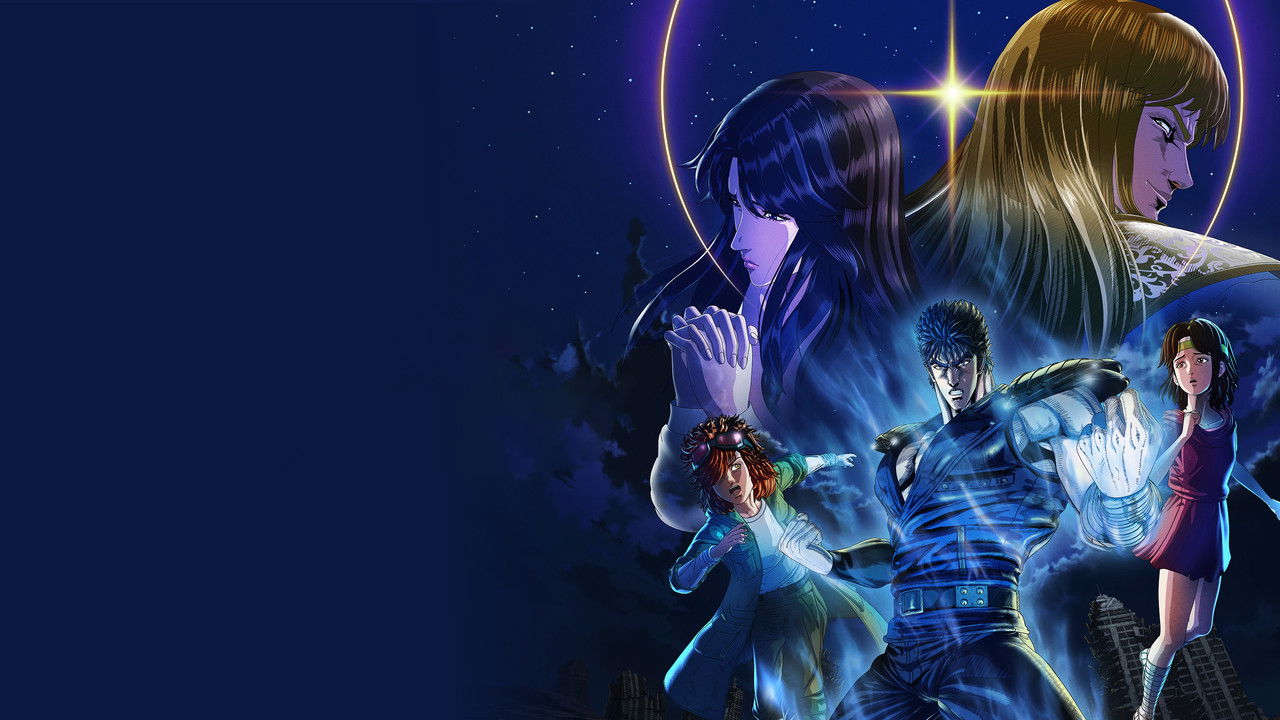
Here’s the thing: 北斗 (Hokuto, Big Dipper) no 拳 (ken, fist), known in English as Fist of the North Star, is one of those manga titles that shaped a generation. The new golden statues in Nagoya turn that old-school energy into something physical, bright, and impossible to ignore. Wild, isn’t it?
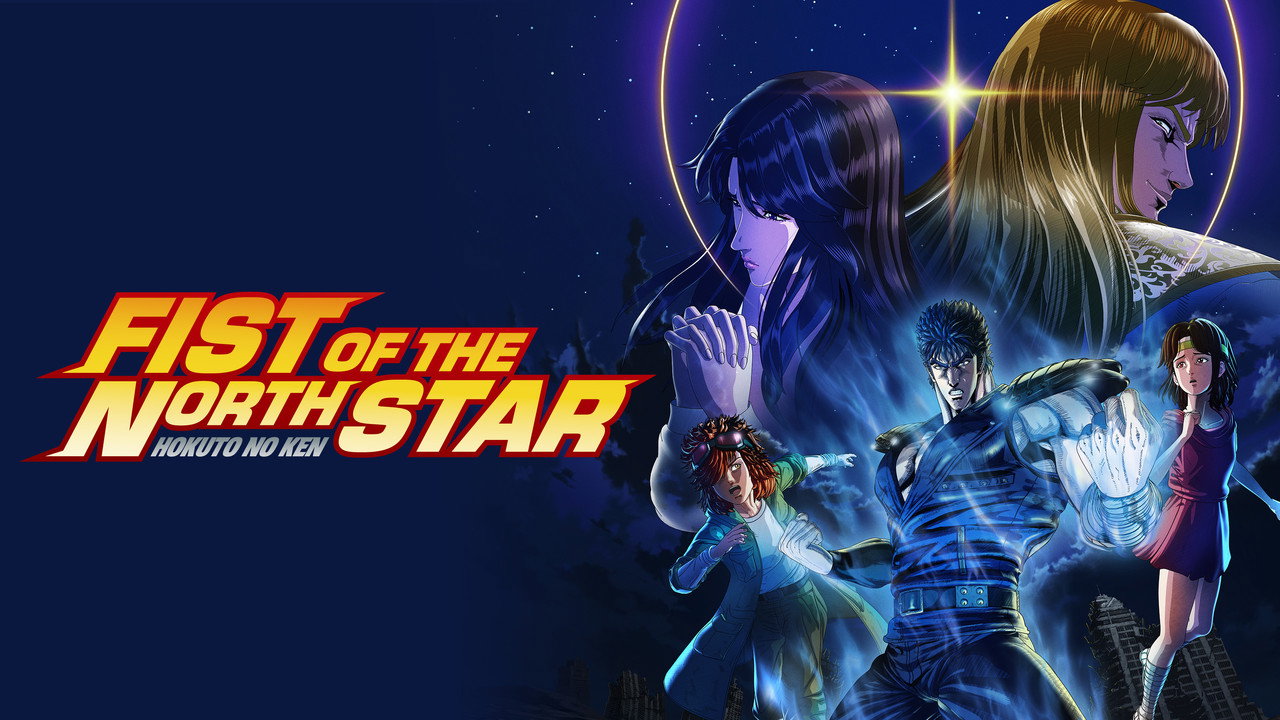
The statues were unveiled in Nagoya, which matters more than it might seem at first. Nagoya sits between Tokyo and Osaka, and it often gets skipped by first-time visitors, yet it has the kind of city scale that makes pop culture landmarks feel easy to visit. If you’re already planning a mecha, castle, or food trip, this fits right in.
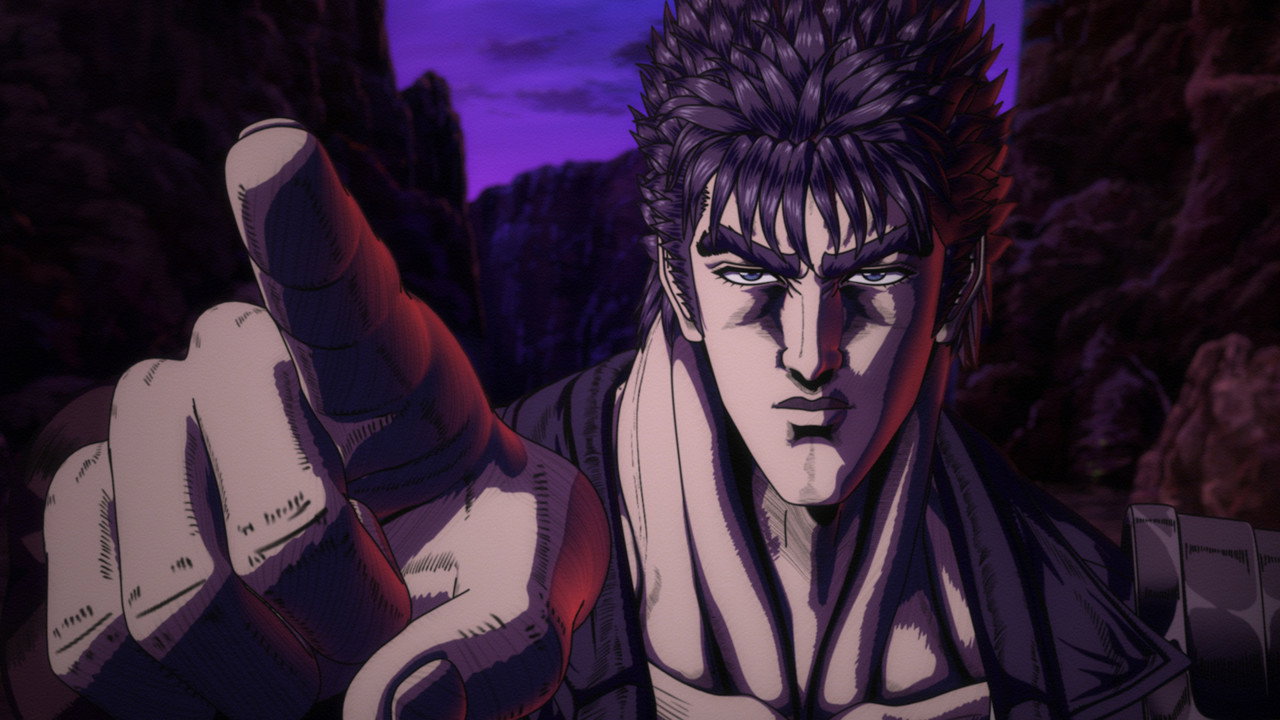
No wonder, because Hokuto no Ken isn’t just another anime name. The original manga ran in Weekly Shonen Jump from 1983 to 1988, with story by Buronson and art by Tetsuo Hara, and it became one of the biggest action works of the era. Ken’s famous line, お前はもう死んでいる (omae wa mou shindeiru, you are already dead), is still quoted all over Japan, even by people who haven’t watched the full series.
And it gets better: the gold finish gives the statues a slightly over-the-top feel that suits the series perfectly. Hokuto no Ken has always mixed muscle, drama, loss, and absurdly memorable poses, so a golden statue doesn’t feel random at all. It feels like a tribute that knows exactly what it’s celebrating.
Why Nagoya Is a Smart Place for Anime Nostalgia
What most people don’t know: Nagoya has a strong history of character events, limited displays, and local collaborations. The city is big enough to attract serious foot traffic, but not so overwhelming that you can’t actually enjoy a stop focused on one site. That makes it ideal for a statue reveal like this.
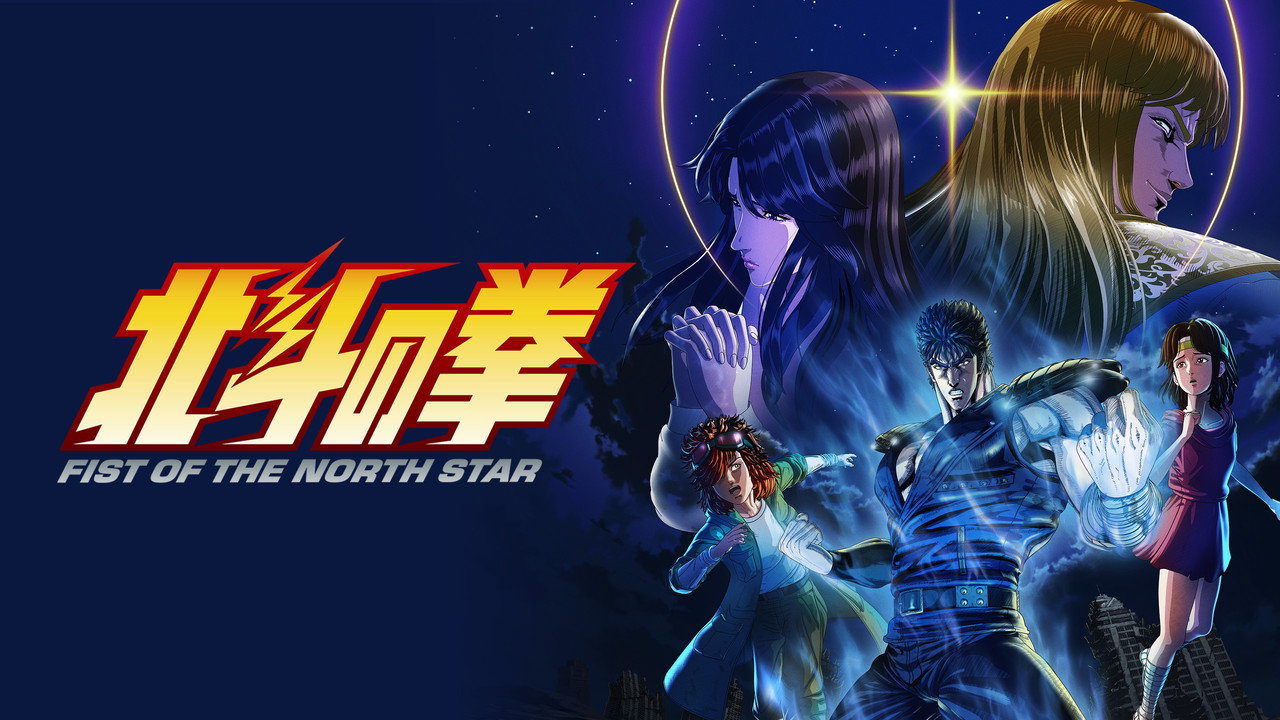
A great example: Japan loves to turn pop culture into place-based memory. You see it with train stations, shopping streets, and museum tie-ins, where a beloved character becomes a reason to visit a district in person. Nagoya’s golden Hokuto no Ken statues follow that pattern neatly, and they do it with style.
To be fair: the emotional hook here isn’t only the franchise itself, but the nostalgia around it. For fans who read the manga in the 1980s or watched the anime later on TV, seeing Ken, Raoh, or other key imagery in metallic gold can feel like meeting an old friend after decades. My tip: if you enjoy Japanese retro culture, don’t treat this as a quick photo stop, treat it as a memory trip.
There is also a nice language-learning angle. If you’re studying Japanese, Hokuto means "Big Dipper" and ken means "fist", so the title itself is already a small lesson in kanji roots and dramatic naming. That is classic anime language, direct and memorable. See what I mean?
Easy Japanese News Format Makes the Story Learner-Friendly
Picture this: you want to read Japanese news, but the full article feels too dense. This is where easy Japanese news works so well, because it breaks a culture story into clear, short parts, often with simpler grammar, furigana, and familiar structure. For learners, that means less stress and more actual understanding.
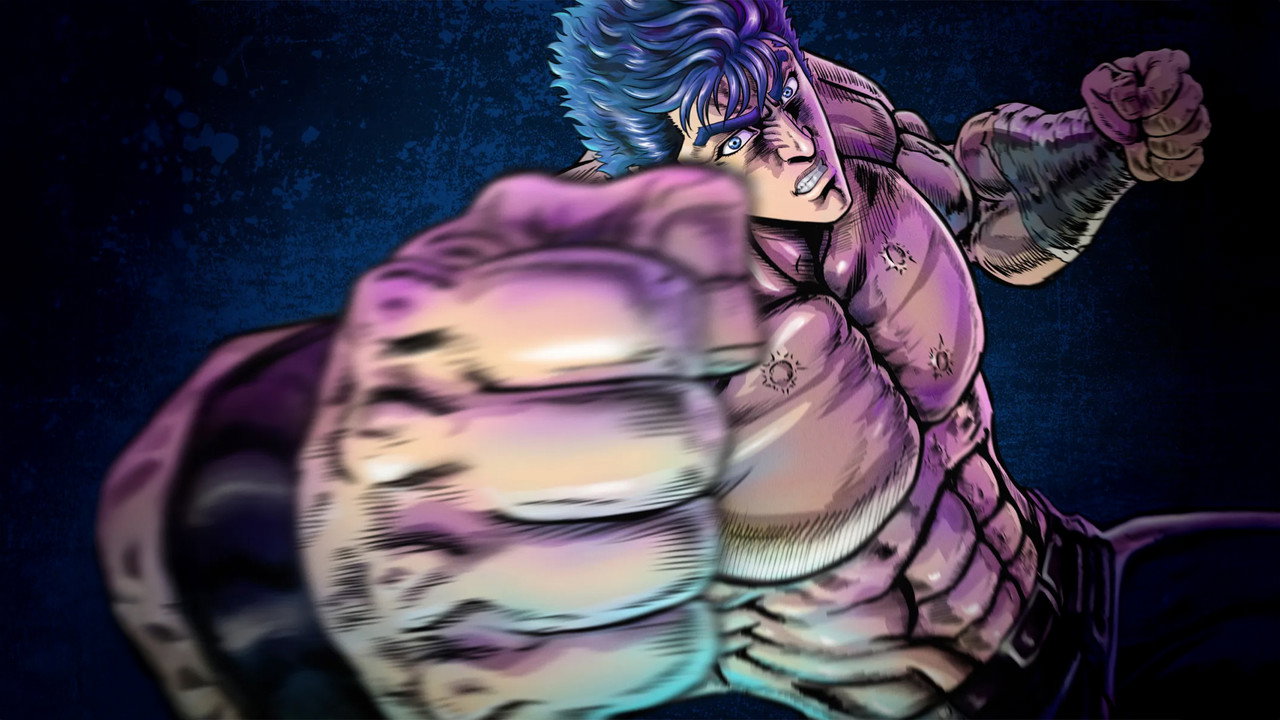
These kinds of reports are especially useful when the topic is something visual, like statues. You can match the words to the image, which helps the brain remember vocabulary. Terms like 記念 (kinen, memorial; commemoration) for memorial, 取材 (shuzai, reporting; coverage) for reporting, or 展示 (tenji, display; exhibition) for display come up often in news writing, and this kind of article gives them real context.
Know that feeling when you finally understand a Japanese headline without translating every word? That’s the win here. A story about golden Hokuto no Ken statues in Nagoya is easy to follow, but it still teaches you how Japanese media frames culture news, with just enough detail to keep it grounded.
Here’s the deal: learning Japanese isn’t only about textbooks. It gets much easier when you read about things you already care about, like anime, manga, travel, and city culture. If you love Hokuto no Ken, you’ll remember the language around it much faster. Sounds good, right?
Useful Japanese words to notice
Kinen means memorial or commemoration, tenji means display or exhibition, and manga is, of course, manga. Anime and subete of the fan language around them may feel familiar already, but seeing them in a real news context helps them stick. That’s the kind of reading practice that doesn’t feel like homework.
Why This Statues Story Hits Hard for Anime and Manga Fans
What I especially like: this isn’t just a product launch dressed up as culture news. It connects a legendary title, a real city, and a visual symbol that makes people smile before they even start reading the caption. That combination is exactly why Japanese pop culture still travels so well across generations.
Unlike what we’re used to in many countries, Japan often treats manga and anime as part of public space, not separate from it. Statues, station murals, themed cafes, and local festivals all give fans a chance to step into the story world. Nagoya’s golden Hokuto no Ken statues fit that tradition beautifully.
Insider tip: if you ever visit a place tied to a classic series, don’t just look at the character, look at the crowd. You’ll often see parents pointing things out to children, older fans discussing original publication dates, and younger visitors discovering a series they only knew from references. That mix is where the real culture sits.
My verdict: these statues work because they’re both playful and respectful. They celebrate a manga that helped define modern action storytelling, and they do it in a city that knows how to host public culture without making it feel stiff. That balance is rare, and it’s exactly why this story is worth your attention. more Japan news on jpnerd.com
In pictures
Frequently Asked Questions
What is Fist of the North Star?
It is a famous Japanese action manga and anime series from the 1980s, known for its intense style and memorable quotes.
Why are the statues in Nagoya getting attention?
Because they combine a beloved retro franchise with a striking gold design and a city setting that fans can actually visit.
Can Japanese learners benefit from this news?
Yes, because culture news like this is easy to connect with real vocabulary, simple reading practice, and familiar pop culture context.

