
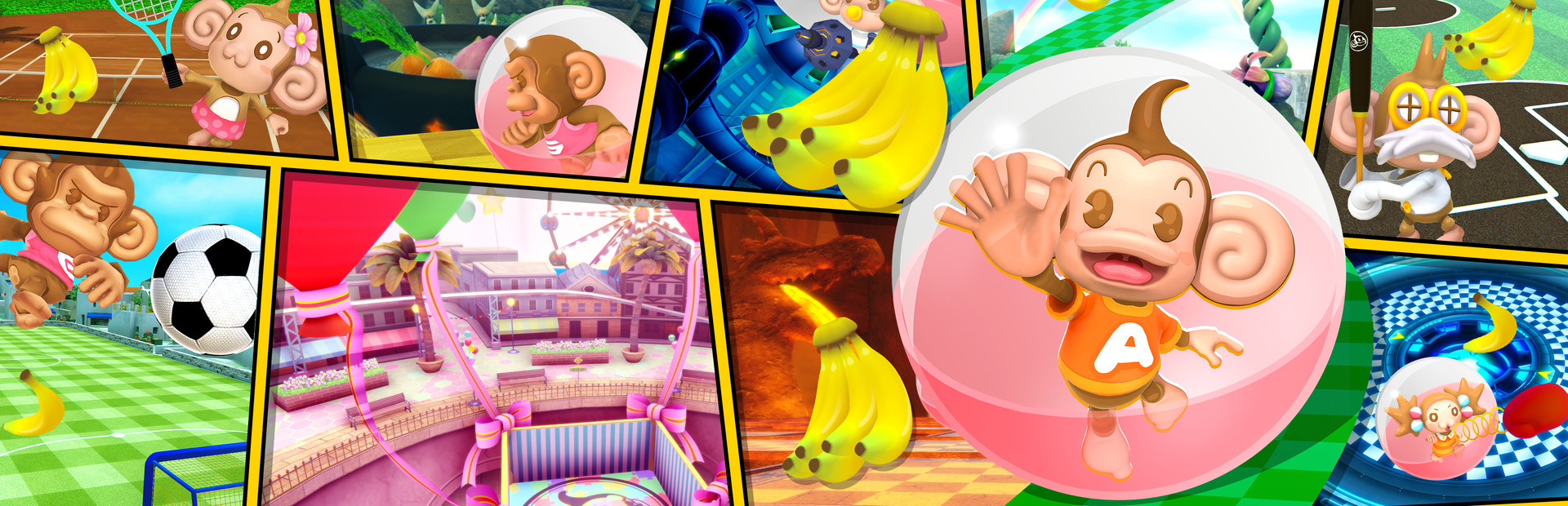
And yes, this is the kind of retro project that makes you want to dust off your console, hear that startup chime, and remember why the Dreamcast still has such a loyal following. Sounds odd, but it’s true.
![Dragon Ball Z: Kakarot [Master Edition]](https://s.pacn.ws/1/p/1eh/dragon-ball-z-kakarot-master-edition-908785.1.jpg?v=t8ja8t&width=400)
![Dragon Ball: The Breakers [Special Edition]](https://s.pacn.ws/1/p/131/dragon-ball-the-breakers-special-edition-702961.11.jpg?v=rfedy7&width=400)
Homebrew Monkey Ball on Dreamcast, 25 Years Later
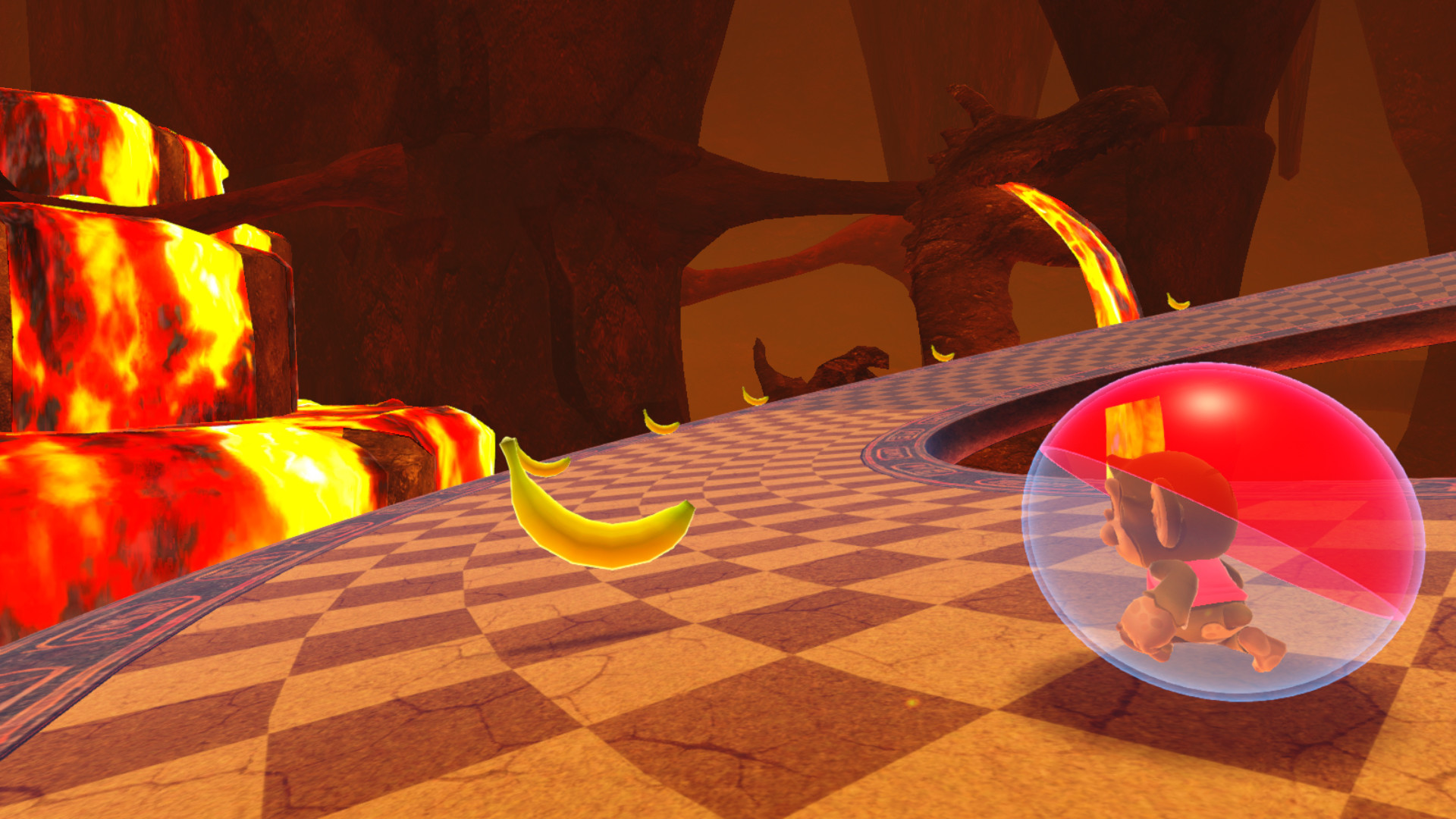
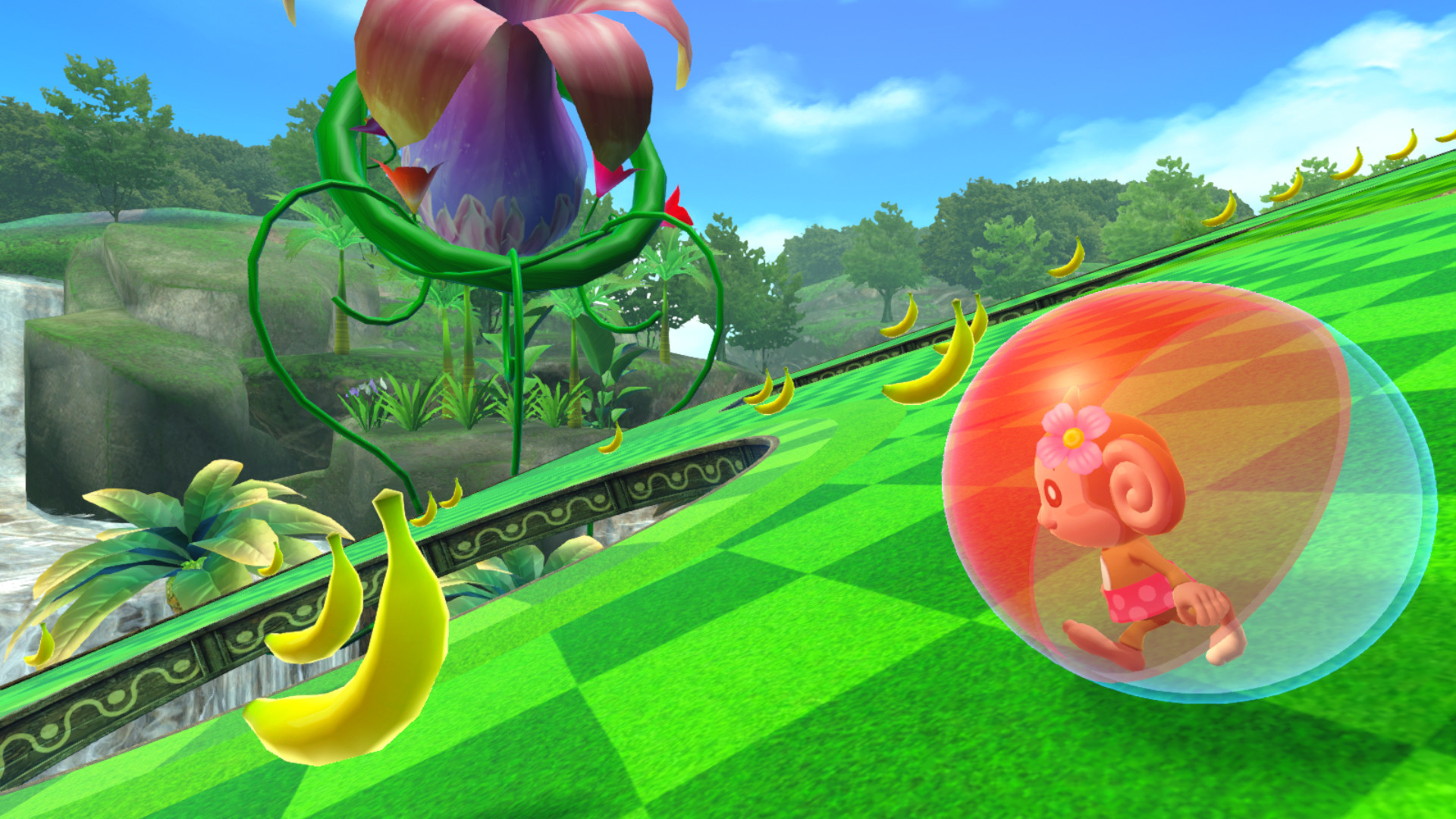
No joke: 25 years after Monkey Ball first arrived, a homebrew developer is trying to bring that arcade-style feeling back to the Sega Dreamcast. That matters because the original game was built around simple rules, fast reactions, and a cabinet-style sense of tension, the kind of design that made Sega arcade games so memorable in Japan.
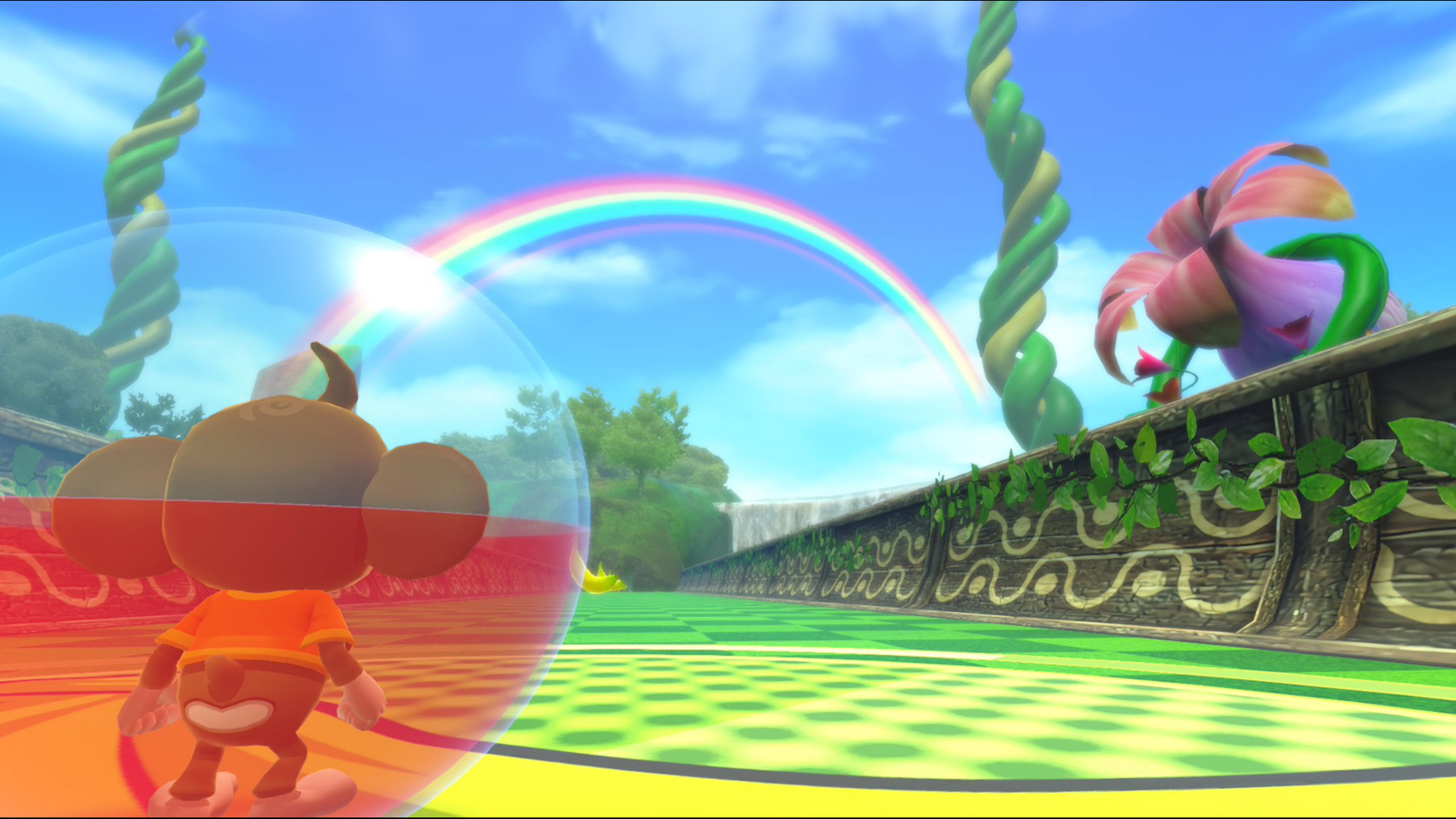
The Dreamcast itself was released in Japan in 1998, and it’s always had a special place in Sega history. It was the last Sega console, the one that carried the company’s arcade DNA into the home, and it still has one of the strongest fan communities around. That’s why a project like this lands so well, it’s not just a port, it’s a little act of preservation. But that’s not all.
Why Monkey Ball Fits the Arcade Console History
Ever wondered why Monkey Ball works so well in arcade conversations? The answer is simple, the series was always about precision, timing, and score-chasing, three things that arcade players have loved for decades. Even when you’re playing on a home console, the game feels like a cabinet test of nerve, with each tilt and edge a tiny panic attack.
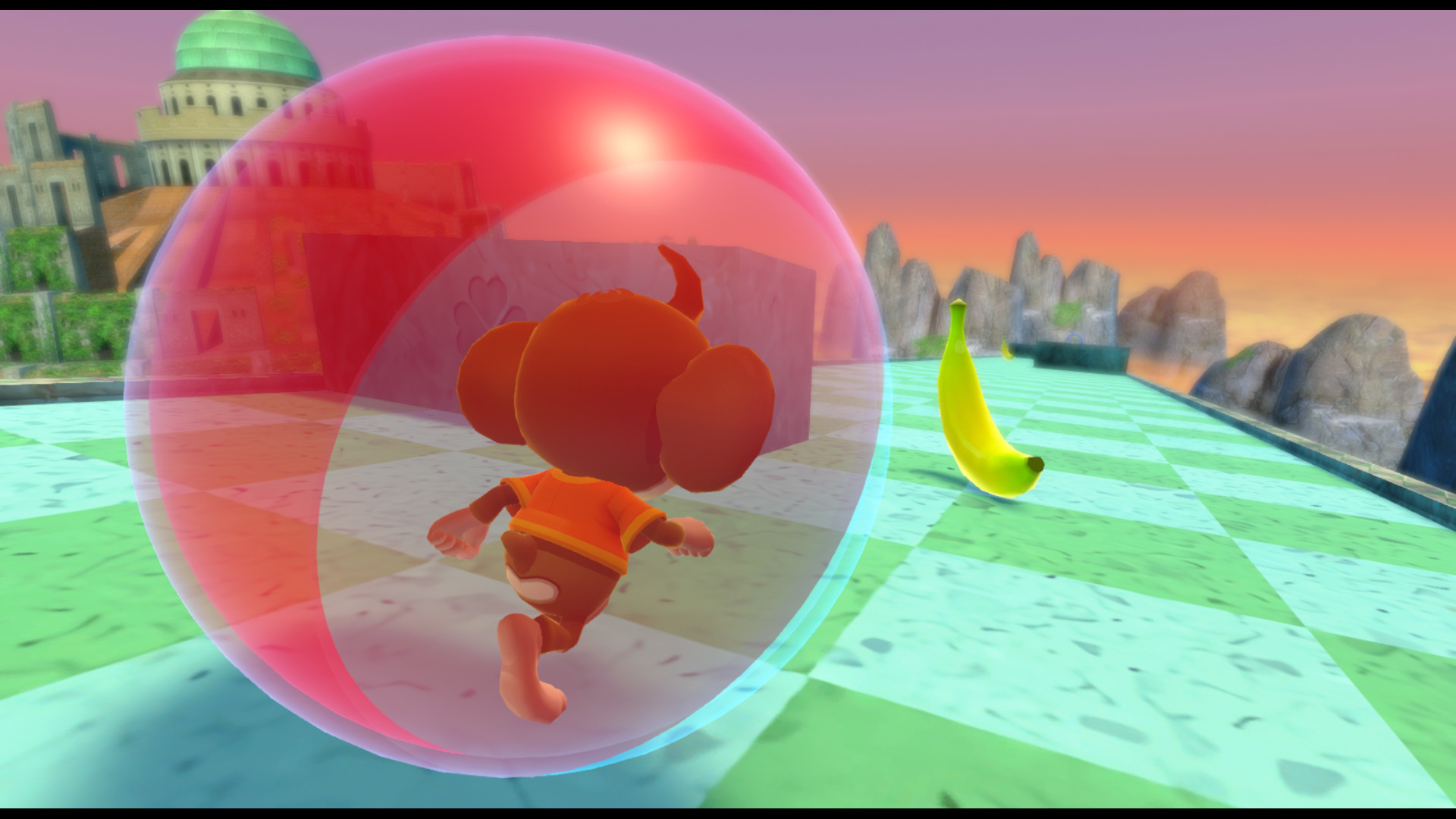
The best part is that design makes it easy to imagine the game on hardware like the Dreamcast. Sega’s consoles were full of arcade spirit, from Virtua Fighter to Crazy Taxi, and the Dreamcast had the guts and personality to carry it. If you grew up with Japanese game rooms, or even just watched old footage of them, you know the feeling, bright panels, loud sounds, and games that were made to pull in a crowd. That’s why homebrew projects like this feel so natural.
Arcade DNA, in a Living Room Box
Here’s the thing: homebrew on old hardware is never just about nostalgia. It’s also about proving what the machine can still do, and reminding us that console history is written not only by companies, but by fans who keep systems alive long after the sales charts are gone. No wonder, because the Dreamcast scene has always been full of coders, artists, and tinkerers who refuse to let the console fade quietly.
What I especially like is the contrast. Monkey Ball is a modern-feeling concept in a classic shell, and the Dreamcast gives it a very specific flavour, a little rough around the edges, but full of soul. From my experience, that’s exactly what makes Japanese retro projects so fun to follow: they don’t try to be perfect, they try to be alive. Convinced yet?
The Homebrew Developer and the Sega Nostalgia Factor
Trust me on this one: homebrew developers are the unsung heroes of retro gaming history. They patch, port, rebuild, and sometimes reimagine games for machines that were never meant to keep evolving, and they do it with a kind of stubborn love that feels very Japanese in spirit, like a craftsman refining one detail at a time. In this case, the project is a reminder that Sega nostalgia is still a powerful force, especially among players who remember the company’s arcade glory days.
Oh, almost forgot: this kind of work also keeps technical knowledge alive. Learning how old hardware handled memory, controls, and display output is a great way to understand why certain games felt so immediate in the first place. For Japanese learners, there’s even a little vocab bonus here, words like 街道 (kaido, road; highway) for roads, 感動 (kando, emotion; being moved) for emotion, and 懐かしい (natsukashii, nostalgic; fondly reminiscent) for nostalgia often come up when fans talk about retro game culture. That emotional vocabulary fits Sega discussions perfectly, especially when the topic is a beloved console making one more lap around the track. Not bad, right?
Why This Matters for Japan Fans and Retro Collectors
It’s early morning in Kyoto. You’re scrolling through retro gaming news, coffee in hand, and then you see a project like this, one that blends fan dedication, Japanese game history, and the Dreamcast’s stubborn afterlife. That’s the appeal, it connects the past to the present without turning everything into museum glass.
On the flip side, not every homebrew project is easy to finish, and not every fan port becomes a polished release. But even the attempt matters, because it keeps conversation alive around Sega, arcade design, and the hardware that shaped so many players’ memories. My tip: if you love Japan’s gaming legacy, keep an eye on homebrew scenes, not just official remakes. That’s where a lot of the real preservation work happens. But that’s not all.
The Dreamcast may be gone from stores, but it’s still very much present in culture, forums, and fan projects. A homebrew Monkey Ball revival is a perfect example of how console history doesn’t end when production stops, it keeps rolling, just like the game itself. And for anyone who loves Japan, Sega, and a little arcade chaos, that’s a very good thing.
In pictures
Frequently Asked Questions
What is homebrew in gaming?
Homebrew means games or software made by fans for older hardware, often without official support from the original company.
Why is the Dreamcast so popular with retro fans?
It had strong arcade-style games, inventive hardware, and a passionate community that kept building for it after its commercial life ended.
Why do Japan fans care about projects like this?
They connect modern fan creativity with Japanese game history, especially Sega’s arcade roots and the culture around classic consoles.


