

Picture this: Deku, Bakugo, and the rest of Class 1-A reimagined with the bold lines and flat colours of traditional woodblock art. That’s why this release feels bigger than merch; it’s a small cultural bridge between 江戸 (Edo, Edo period / old Tokyo)-era aesthetics and today’s anime fandom.

What most people don't know: this isn’t just a random crossover print run. It’s a Kyoto-based craft project built around 浮世絵 (ukiyo-e, pictures of the floating world) woodblock techniques, and it uses one of the most recognisable anime brands on the planet, Boku no Hero Academia, better known in English as My Hero Academia. No wonder, since the series already has the kind of strong silhouettes and dramatic poses that fit woodblock art so well. Convinced yet?
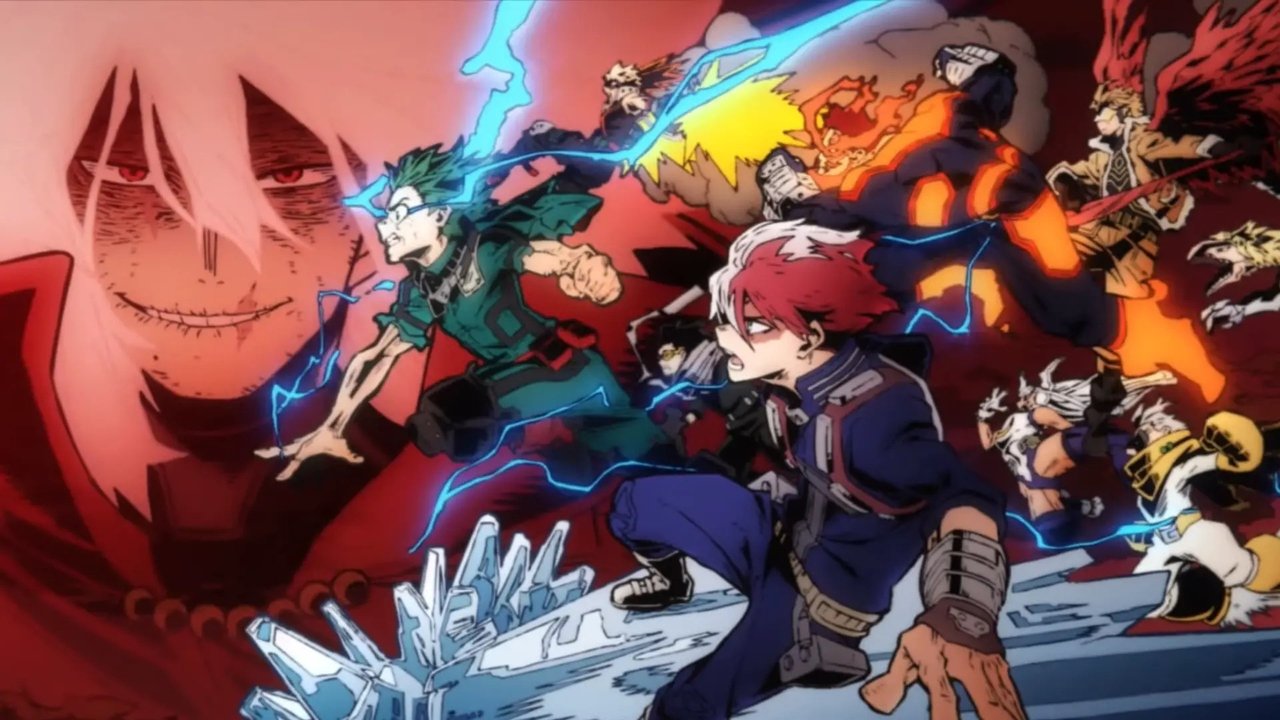
My Hero Academia x Kyoto craft, with real woodblock roots
The new collaboration pairs My Hero Academia with a Kyoto craft workshop and launches under a new brand called CRAFTALE. According to the announcement from the rights holder, the project goes on sale from 31 July, so this isn’t just a teaser campaign; it’s a proper release with a clear start date. For Japan fans, that date matters, because limited craft drops often sell through quickly and don’t come back in the same form.
Did you know that ukiyo-e, literally “pictures of the floating world,” was originally made with carved woodblocks, layered ink, and a team-based process? That’s why this crossover has more depth than a simple illustration licence. It connects anime IP to an old production system that depends on artisan skill, planning, and very careful colour registration. Classic Japan, isn’t it?
In Kyoto, that carries extra weight. The city is still one of the country’s strongest craft centres, and people associate it with lacquerware, textiles, incense, and woodblock traditions. When an anime brand enters that space, the result can feel less like mass merchandising and more like a curated cultural object. My verdict: that’s a much better fit for a collector shelf than another plain acrylic stand.
Why ukiyo-e and anime fit better than you might expect
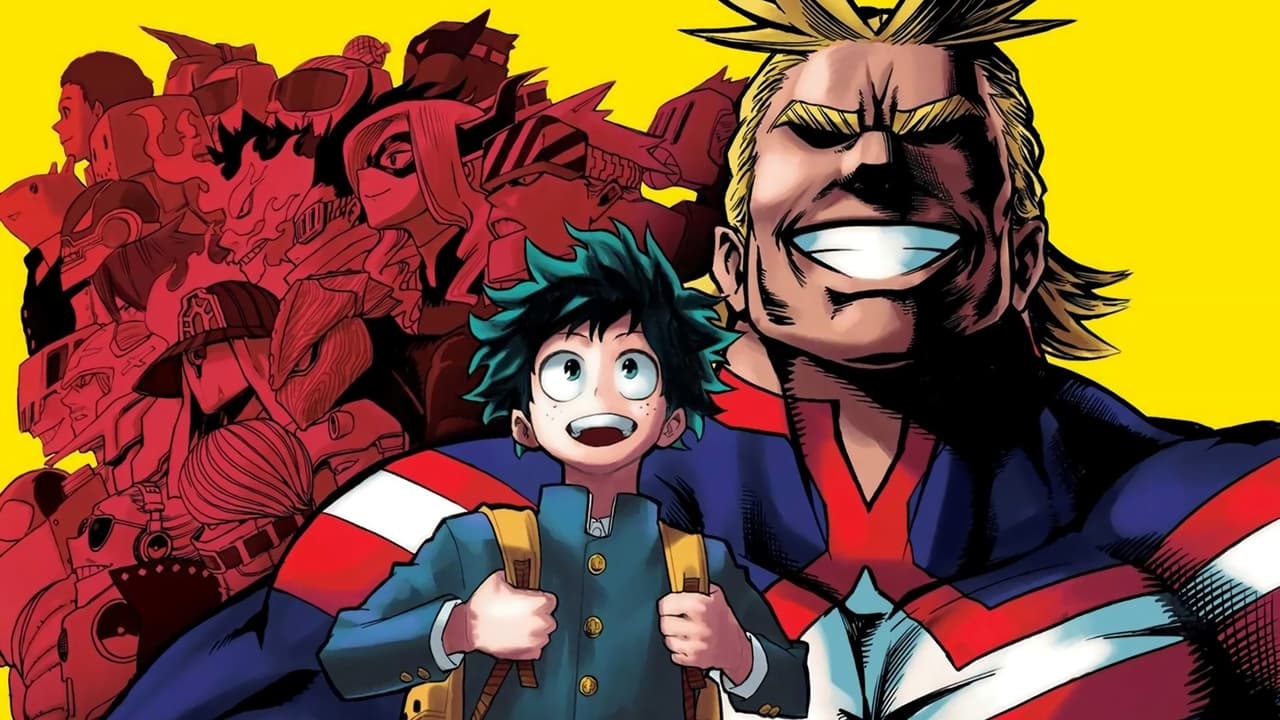
Picture this: a hero pose with hard outlines, flat colour blocks, and dramatic motion lines. That visual language is already close to ukiyo-e, especially the bold compositions you see in prints by Hokusai or Hiroshige. Anime borrowed from Japanese print culture long ago, so this project is really a reunion, not a gimmick.
Compared to back home, where pop culture crossovers often stay digital or heavily branded, Japan still loves physical objects with craft value. A print that feels made, not just produced, has real appeal. That’s why collectors in Japan pay attention when woodblock technique enters a character collaboration, because the object carries both fandom and workmanship.
What the Craftale brand is trying to do
CRAFTALE looks designed to sit between “craft” and “tale”, which is a smart name for a brand that wants to tell stories through handmade goods. The message is simple, but effective: anime characters can live inside traditional techniques without losing their punch. A good example: if a hero image is adapted to woodblock printing, every line and colour choice has to be rethought, not just copied.

My tip: if you’re learning Japanese, this is a great moment to pick up related vocabulary. Try words like 版画 (hanga, woodblock print) for print, 匠 (takumi) for craftsman, and 伝統 (dento) for tradition. You’ll see these terms everywhere in product pages, museum labels, and local tourism materials, especially in Kyoto and Tokyo.
Why Kyoto matters in this anime-meets-handcraft story
Let's be honest: if this project had been made anywhere, Kyoto still would’ve been the right backdrop. The city has the reputation, the workshop culture, and the kind of refined visual taste that makes people trust a handmade release. But let's stick with the collaboration for now. The key point is that Kyoto gives the project authenticity, not just a nice postal address.
Here’s the kicker: anime collaborations often succeed when they feel rooted in place. Kyoto has long used culture as identity, from temples to seasonal design, and that makes it a strong stage for a brand like CRAFTALE. When an IP as global as My Hero Academia appears in a local craft setting, the result speaks to both tourists and domestic collectors.

By the way: this is also the kind of release Japan fans should watch for if they enjoy in-person shopping culture. Limited craft goods often appear first through official sales channels, then in select stores or event settings. If you’re visiting Japan around the launch, keep an eye on Kyoto-related shop announcements and official social accounts. Insider tip: that’s where these things often appear before English-language fandom even notices.
What this means for Japan fans and language learners
For anime fans, this collaboration is a reminder that Japanese pop culture is still deeply tied to traditional design and local craft. For learners, it’s a useful reminder that cultural vocabulary isn’t floating in textbooks; it lives inside real products, press releases, and shop displays. You’ll understand more of what’s happening when you can read words like hanga, kyoto, dento, and takumi in context.
What I especially like: the project doesn’t treat tradition as a museum piece. Instead, it lets a modern franchise borrow from old visual language and give it new life. That feels very Japanese to me, practical, respectful, and a little bit stylish all at once. Convinced yet?
If you want more Japan culture and anime news like this, check out more Japan news on jpnerd.com.
In pictures

Frequently Asked Questions
What is CRAFTALE?
CRAFTALE is a new brand connected to this collaboration, built around craft-based products and storytelling.
When does the My Hero Academia x ukiyo-e sale start?
The release starts on 31 July.
Why is Kyoto important here?
Kyoto adds real craft credibility, since the city is strongly associated with traditional Japanese workmanship.

