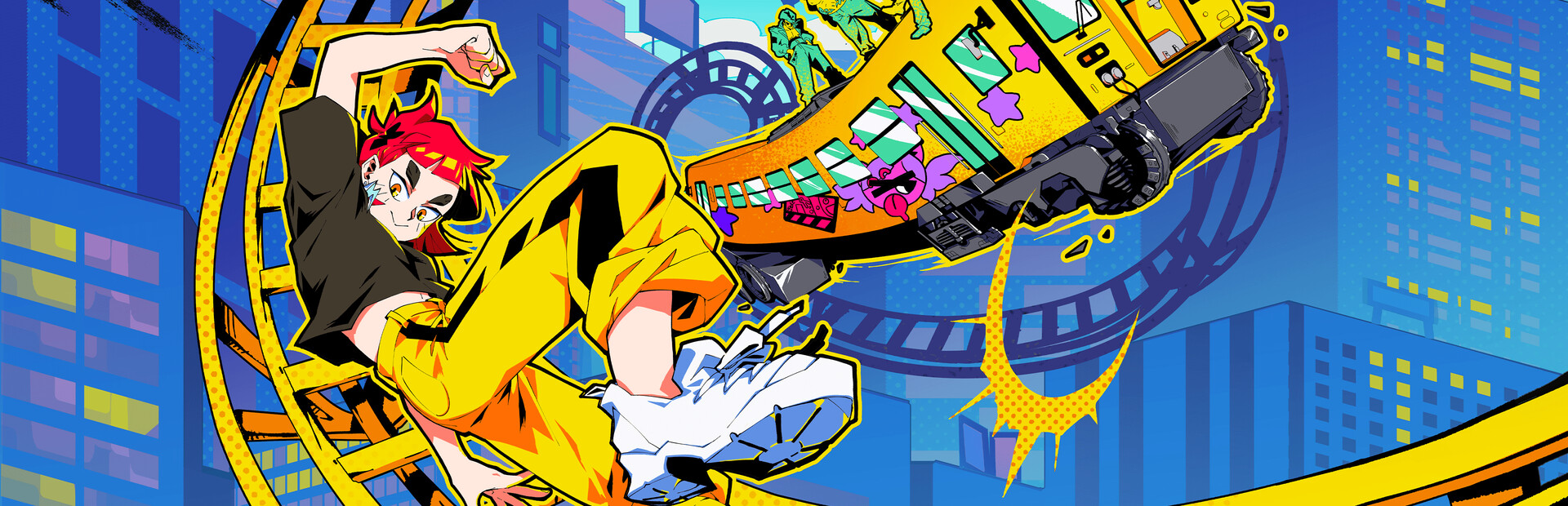
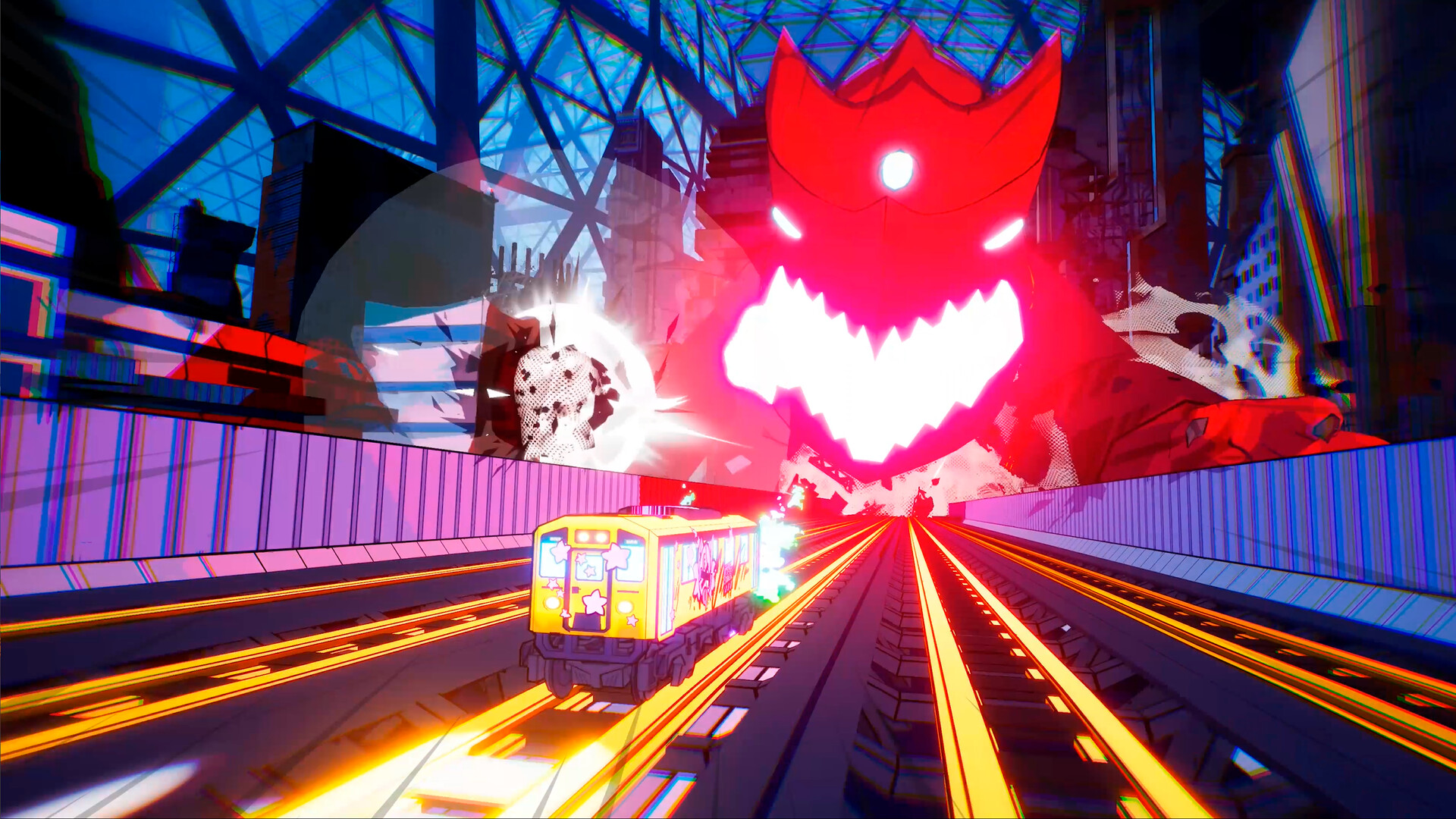
And that’s the hook. Not just “trains in a game”, but trains as moving stages, score multipliers, and a very Japanese kind of urban spectacle. It’s absurd, stylish, and a little too clever for its own good.
![Dragon Ball Z: Kakarot [Master Edition]](https://s.pacn.ws/1/p/1eh/dragon-ball-z-kakarot-master-edition-908785.1.jpg?v=t8ja8t&width=400)


Here’s something that probably doesn’t get enough attention: Denshattack! isn’t trying to be a polite train simulator. It wants speed, spectacle, and a bit of swagger. The Japan Times covered the game on 16 July 2026, and the Tony Hawk comparison writes itself, which is usually a dangerous sign, but here it actually helps.
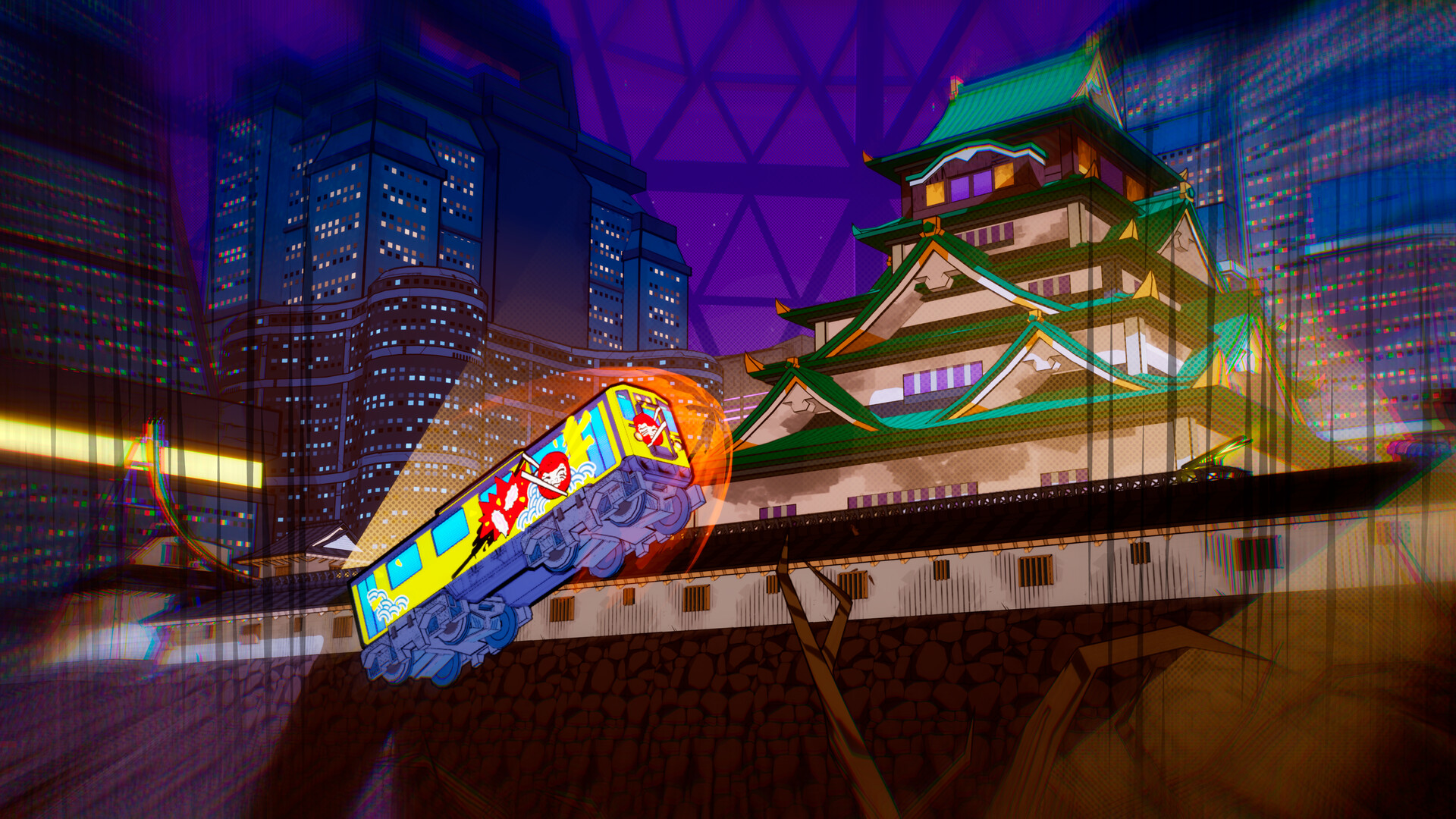
What makes the pitch work is simple. You’re not just riding Japanese trains, you’re treating them like the rails in a skate game, chaining movement, style, and momentum into a score-driven performance. That sounds silly until you remember how much of Tony Hawk was never really about skating in the strictest sense, but about reading space, timing, and flow. Denshattack! seems to translate that logic into a very different transport culture. And that is a genuinely sharp idea.
To be fair, the Tony Hawk comparison can get lazy fast. People throw it at anything with combos, grind lines, or a punkish attitude. But here it lands because both worlds care about routes, rhythm, and risk. A train in Japan is already a machine people trust to be exact, punctual, and clean. Turn that into a score chase, and you get a strange little collision between order and chaos. No wonder, because Japanese railways are built on precision, and action games feed on disrupting precision just enough to make it exciting.
Denshattack! and the Tony Hawk comparison
Imagine a narrow alley in Tokyo. On one side, a vending machine humming at 2 a.m. On the other, a station entrance with signage that looks almost clinical in its clarity. Now imagine that same sense of urban choreography, but translated into a game where movement itself is the point. That’s the kind of mental image Denshattack! seems to invite.
The Tony Hawk series, especially Tony Hawk's Pro Skater from 1999 and its 2000 sequel, built a language of combo accumulation, balance, and route memorisation. You learned the map, then you learned how to abuse it. Denshattack! appears to borrow that philosophy rather than the skateboard itself, which is the smarter choice. A train isn’t a skateboard, obviously. It’s heavier, louder, and far less interested in your personal expression. But in game design terms, it can still become a moving line you read, exploit, and chain through.

My tip: when a game borrows from Tony Hawk, I look for one thing first, not tricks, but flow. If Denshattack! nails flow, the rest can be forgiven or at least tolerated. If it doesn’t, then you’ve got style over substance, and that’s a textbook case with very shiny lighting.
Japanese trains as action-game stages
Fun fact: Japan’s rail network is already dramatic enough without any game designer touching it. 新幹線 (Shinkansen, bullet train) departures, packed commuter lines, platform markings, carefully timed transfers, every part of the system has a rhythm that feels almost scripted. That makes it perfect material for a game, because the player instantly understands that timing matters.
Compared with back home, the train experience in Japan often feels more structured and more visible. You notice the lines, the signs, the platform numbers, the quiet rules about where to stand. You also notice the emotional tone, which is the odd part. A station can feel calm and urgent at the same time. That contrast gives Denshattack! something richer than a generic “urban action” backdrop. It’s got a whole social language to work with.
Why this matters for Japanese learners
If you’re learning Japanese, train culture is one of the most useful places to build vocabulary that actually sticks. Words like 駅 (eki, station) (station), 電車 (densha, train) (train), 切符 (kippu, ticket) (ticket), and 乗り換え (norikae, transfer; changing trains) (transfer) show up everywhere, from signs to announcements to daily conversation. When a game like Denshattack! leans into rail life, it gives you a mental hook for those terms. That helps more than a flashcard with a lonely noun ever will.
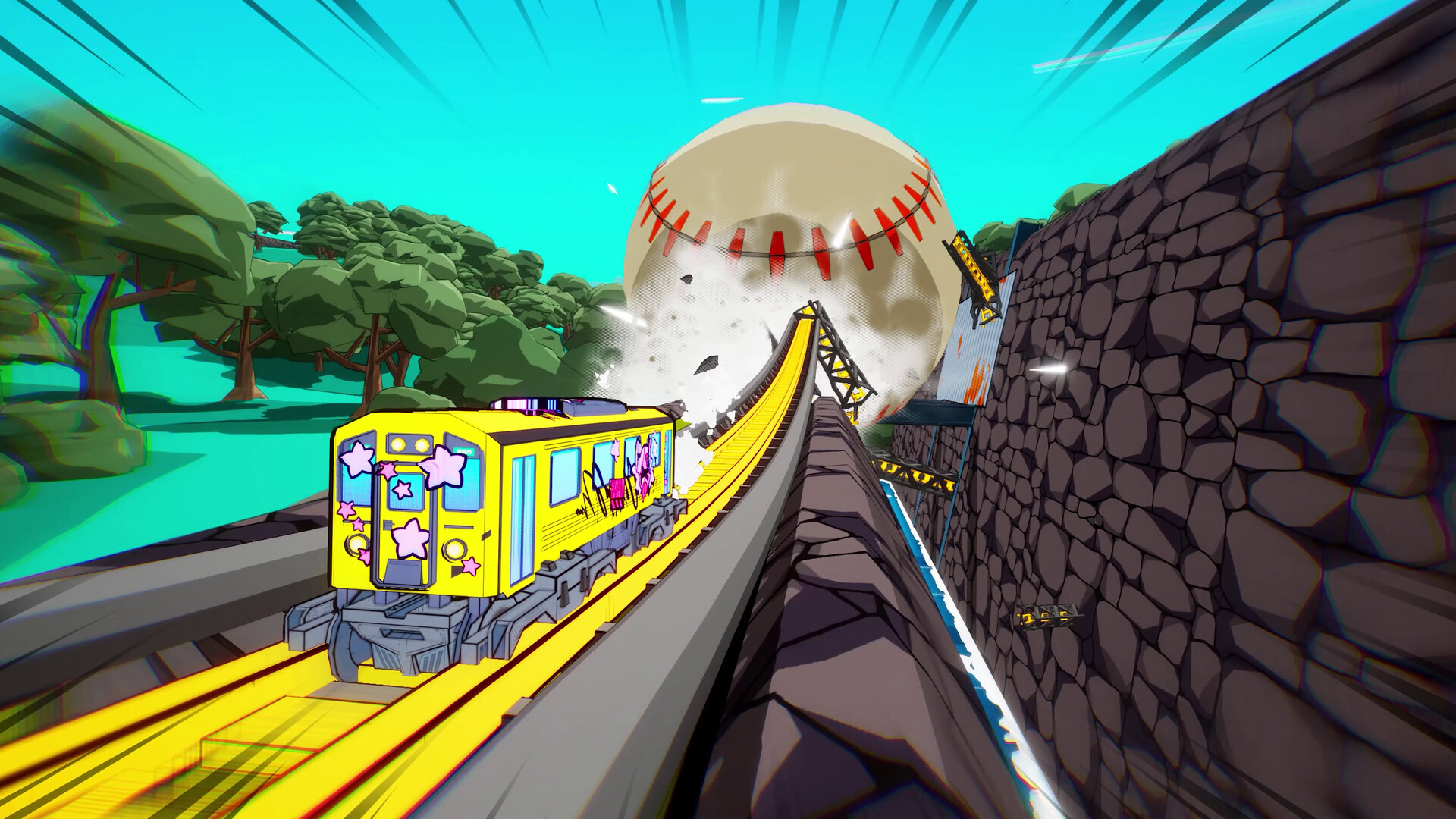
I still remember exactly how quickly train vocabulary stuck for me after one long trip across Tokyo with bad weather, too many platform changes, and one very stubborn transfer at Shinjuku. You don’t forget norikae once it’s ruined your afternoon. Sounds weird, but it’s true.
The Japan Times angle and why the story landed
The Japan Times tends to run towards culture stories that have a little more bite than the standard gadget roundup, and this one fits that lane neatly. By framing Denshattack! through Tony Hawk, the article gives English-speaking readers a quick access point, but it also highlights something more interesting: Japan’s train culture isn’t just practical infrastructure. It’s also aesthetic material.
And this is where it gets a little interesting. Japanese media and Japanese game culture have spent decades turning transport into texture. Think of train-based scenes in anime, commuter dramas, even games that use stations as social hubs rather than mere transit points. Denshattack! just makes that instinct louder. It says the station isn’t the pause between adventures. It’s the stage.
Before I forget, that matters because Japan’s public transport has a reputation for being so smooth that outsiders sometimes stop seeing it as culture and start seeing it as background. It isn’t background. It’s a daily performance with rules, etiquette, and a very specific mood. That mood can be serene, crowded, mechanical, or a bit absurd. Occasionally all four in one transfer.
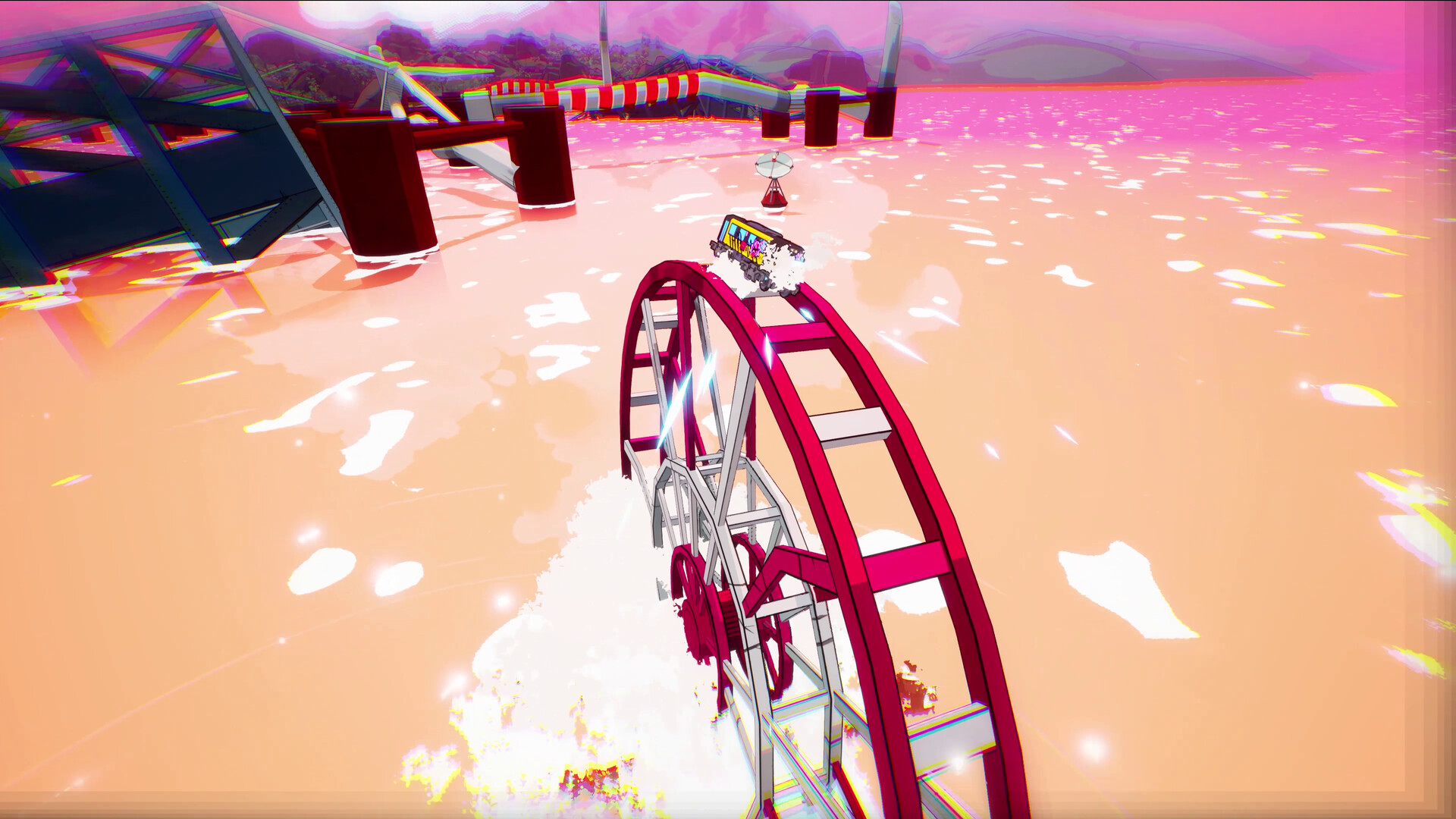
Oh, almost forgot: if the game really leans into score attacks, you can expect the same addictive loop that made arcade design so sticky in Japan in the first place. One more run. One better line. One cleaner route. Then suddenly it’s 1:17 a.m. and you’ve memorised a station layout you’ll never visit in real life. But that’s not all.
Why nerds, rail fans, and Japan fans should care
The neat thing about Denshattack! is that it sits at the intersection of three different obsessions: skate-game design, Japanese rail culture, and that very specific internet instinct to compare everything to Tony Hawk. Usually those mash-ups feel forced. This one doesn’t. It feels like someone found the exact pressure point where a game concept becomes a conversation piece.
What I especially like is that it refuses to treat Japan as a static aesthetic. It uses the country’s railway culture as active design language. That is a better move, and a more respectful one, than simply pasting 桜 (sakura, cherry blossom) over a UI and calling it local flavour. If you love Japan, or you’re learning Japanese, or you just like games that understand movement, this is one to keep an eye on.
And I think that’s actually the story here, not the spec sheet but the collision between precision and play. Japan’s trains already have the rhythm. Denshattack! just adds the score counter. From my experience, that’s often where the best game ideas start: with something real, then one very weird decision on top.
In pictures

Frequently Asked Questions
What is Denshattack!?
Denshattack! is a game concept that blends Japanese train culture with the fast scoring logic of action sports games.
Why do people compare it to Tony Hawk?
Because it seems to use combo-based movement, route learning, and score chasing, which are the core thrills of Tony Hawk-style games.
Is this useful for Japanese learners?
Yes. Train-related words are common in everyday Japanese, so a game like this can make those terms easier to remember.