
For Japanese tea lovers, and for anyone trying to learn the language without turning every sentence into a flashcard, this is a tidy case study in how a tea brand can become a cultural bridge. It’s commerce, yes, but also tea, place, and a bit of theatre. Rather good, really.
Yunomi.life turns global matcha demand into a Tokyo moment
Yunomi.life is one of those businesses that makes perfect sense once you hear what it actually does. It connects Japanese tea makers with customers around the world, and now it’s leaning into the 抹茶 (matcha, powdered green tea) craze in a way that feels both practical and slightly delightful. The company says it reaches 107 countries, which is a rather tidy reminder that a packet of green tea powder can travel a very long way before anyone even opens the tin.
Picture this: people in New York, Paris, Singapore, Sydney, and a hundred other places are buying matcha from Japanese producers, then that demand circles back to Japan in the form of events, pop-up stands, and a physical presence in Tokyo. That’s the loop here. Global hype, local response, repeat. Sounds neat on paper, but in the tea world it can mean the difference between being a niche exporter and becoming a place people actually go to find out what all the fuss is about.
The reason is simple: matcha isn’t just a flavour anymore, it’s a symbol. It stands for wellness, for aesthetics, for latte foam with a conscience, and for a sort of aspirational Japan that travels well on social media. Yunomi.life seems to understand that perfectly, which is why its approach feels less like chasing a trend and more like giving the trend a home address. Convinced yet?
Why 107 countries matters more than a vanity stat
Let’s be honest: plenty of brands throw around big numbers, and most of us nod politely while privately wondering if anyone has checked the spreadsheet. But 107 countries is meaningful for a tea company, because tea is one of those products where distribution, education, and trust all matter at once. If somebody in overseas market number 108 is going to buy Japanese matcha, they need product information, brewing guidance, and a reason to believe the tea was handled properly. That’s not glamorous work. It’s just the stuff that makes the glamour possible.
Compared with back home, where a tea seller can rely on local familiarity, Yunomi.life has to do the long, patient job of translation, both linguistic and cultural. A customer in Japan may already know the difference between 薄茶 (usucha, thin tea) and 濃茶 (koicha, thick tea), or at least know enough to ask. Overseas buyers often need the basics explained, and that’s where language becomes part of the product. If you’re learning Japanese, this is actually a lovely example of how words move in the real world. Matcha, 煎茶 (sencha, steeped green tea), 玉露 (gyokuro, premium shaded green tea), 焙じ茶 (hojicha, roasted tea), these aren’t just vocabulary items to memorise, they’re labels attached to habits, regions, and textures.
And there’s a broader point here, too. The global matcha boom isn’t only being driven by cafes and influencers (though goodness knows they’ve had their say). It’s also being sustained by companies that can ship reliably, answer questions clearly, and make Japanese tea feel approachable rather than ceremonial in the intimidating sense. That matters. A lot. Wait, there’s more.
Tokyo matcha stand: selling tea where the story begins
Before I forget: the most interesting bit of this whole setup is the Tokyo matcha stand. That may sound modest, almost cheeky, as if a major international tea business has simply parked a tiny cart in the corner and called it strategy. But a stand in Tokyo does something quite clever. It puts the product in the city that many customers already imagine when they think about matcha, and it gives the brand a place to stage the story in person.
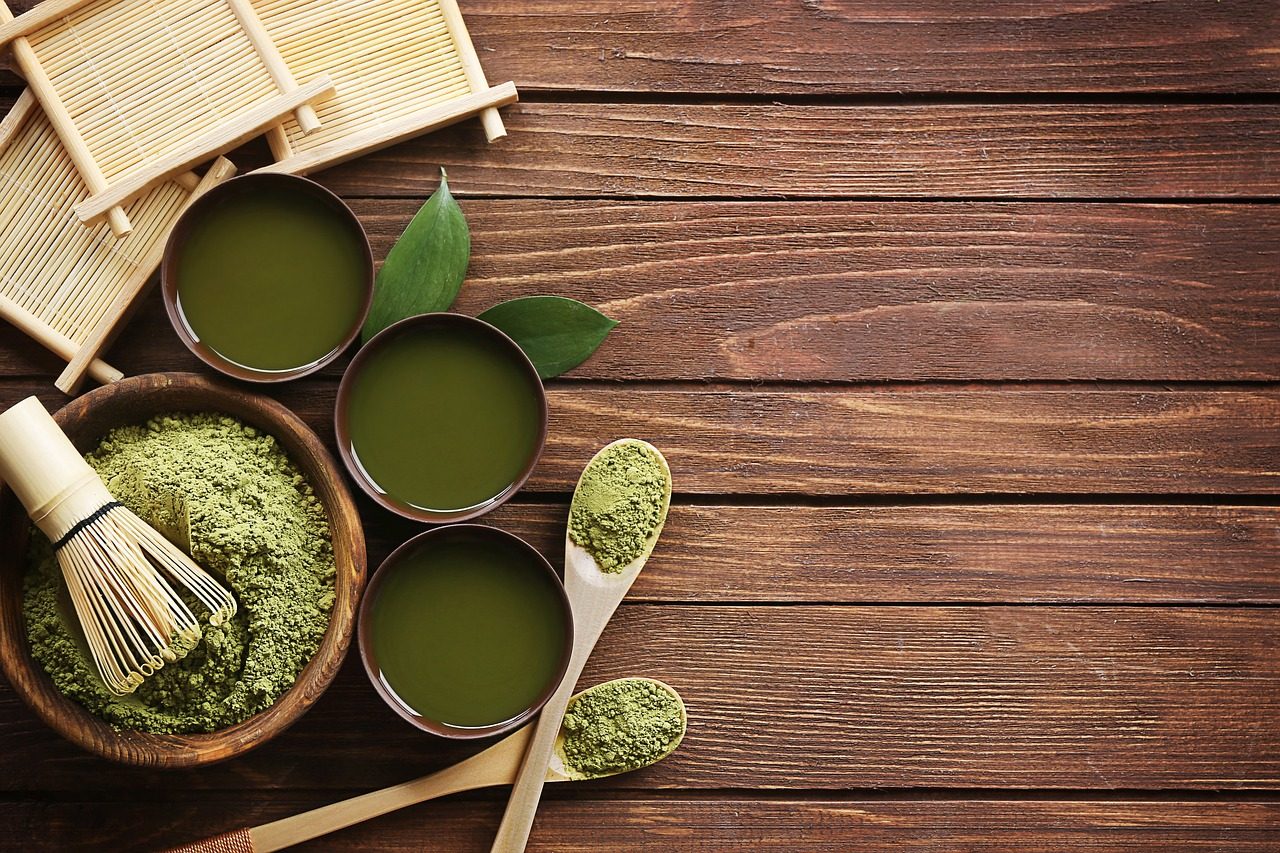
The best part: a stand like this isn’t just a retail point, it’s a little performance space. People can see matcha being made, hear the vocabulary, compare aromas, and ask the sort of questions that never get asked in a checkout basket online. What’s the whisk called? 茶筅 (Chasen, tea whisk). Why does the bowl matter? Chawan. Why is the tea so vivid? That would be chlorophyll, processing, and careful shading, if you want the unromantic version. The romantic version is that it looks like spring decided to become powder.
What this means for Japan fans
For Japan enthusiasts, there’s something pleasing about this reversal. Matcha spent years travelling outward, landing in cafe menus and kitchen cupboards all over the world. Now the attention is coming back to Japan, and not just to the obvious tourist hot spots. A business like Yunomi.life reminds us that contemporary Japanese food culture is not frozen in tradition, it’s responsive, commercial, and fully aware of what overseas customers want. Seriously though: that’s not a betrayal of authenticity, it’s how living food culture works.
And if you’re studying Japanese, there’s a nice lesson hidden in the merchandising. Product descriptions often carry real-world language that textbooks flatten out. You’ll see notes about harvest timing, grind size, umami, and serving style. Those words are useful because they belong to an actual buying decision, not an imaginary classroom. My tip: when you come across tea vocabulary, write it down with the context, not just the translation. That’s how it sticks. Sounds weird, but it’s true.
24 and 25 July 2026: a pair of dates worth circling
On a related note: Yunomi.life is tying this whole thing to events on 24 and 25 July 2026, which gives the company a clear moment to gather the curious, the loyal, and the people who arrived because they’d seen one too many perfect matcha clips online. Dates matter in Japan more than outsiders sometimes expect. Seasonal timing shapes food sales, festival planning, and even the way teas are introduced. July sits in that humid, slightly stubborn part of the year when iced drinks, lighter flavours, and a bit of ritual can all feel especially welcome.
What I especially like is the sense that this isn’t just a sale, it’s a meeting point. An event can turn a packaged product into a conversation, and a conversation into memory. If you’ve ever stood at a stall in Tokyo, chatting awkwardly in mixed Japanese and English while someone hands you a freshly whisked cup, you’ll know the feeling. You’re not merely buying tea. You’re buying a tiny, fleeting scene, and then carrying it home in your head. Highly recommended:
So yes, the matcha boom is still booming, but Yunomi.life’s cleverness lies in making that boom visible in Japan itself. The company’s reach across 107 countries proves the appetite is global. The Tokyo matcha stand proves the story still matters locally. And the July 2026 events give it all a calendar date, which is useful because otherwise enthusiasm tends to float off into the ether. My verdict: this is a proper case of global demand being reflected back to Japan, and then polished a bit. That’s really exciting.
Frequently Asked Questions
What is Yunomi.life known for?
It connects Japanese tea producers with customers around the world, with a strong focus on matcha and other Japanese teas.
Why is the Tokyo matcha stand important?
It gives the brand a physical place in Japan to present the product, meet visitors, and turn online interest into an in-person experience.
What makes the 2026 events notable?
The 24 and 25 July 2026 events give Yunomi.life a clear moment to showcase Japanese tea culture to both local and international audiences.


