Here’s the thing: Lake Tōya isn’t just pretty, it feels built for slow travel, with snowy shorelines, mountain views, and a hot spring stay that makes the cold feel like part of the experience.



Winter at Lake Tōya, Hokkaido
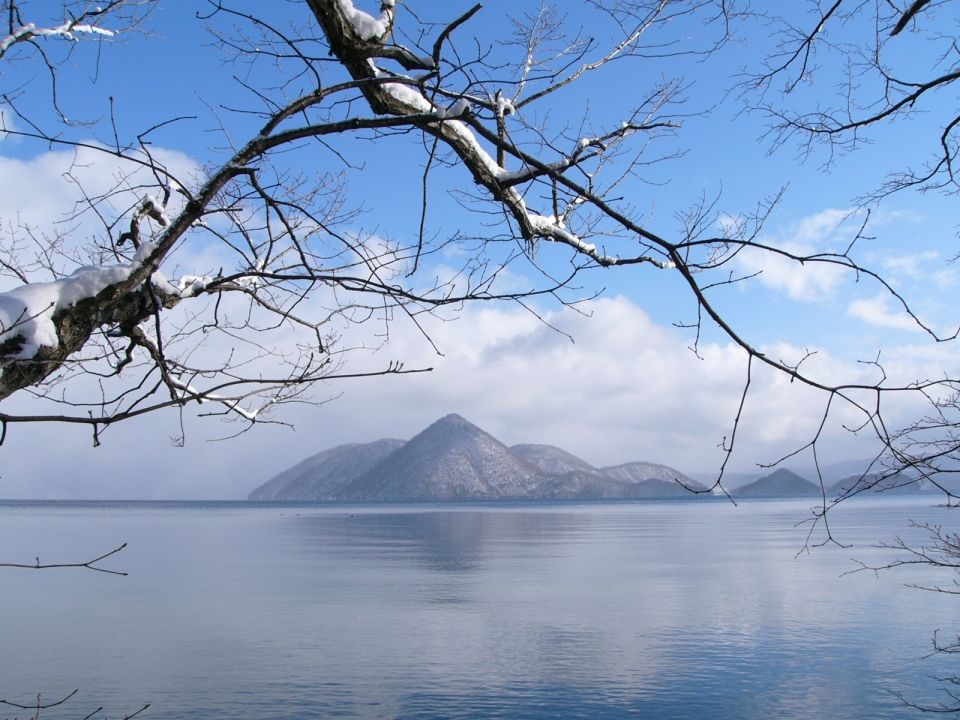
Ever wondered why Lake Tōya keeps showing up on Hokkaido travel lists? The reason is simple: this caldera lake has a dramatic setting all year, but winter changes the mood completely. Snow softens the hills, the water looks darker and calmer, and the whole shoreline feels hushed, almost cinematic.
Lake Tōya, or Tōyako in Japanese, sits in southwestern Hokkaido, inside Shikotsu-Toya National Park. It’s also known for being one of Japan’s few lakes with a permanently open caldera shape, which means the scenery feels wide and uncluttered. What many overlook is that winter here isn’t about checking off sightseeing spots as fast as possible. It’s about slowing down, staying warm, and letting the landscape do the work. My tip: spend at least one full afternoon just walking near the lake, then watch the light change as the sun drops behind the mountains. My verdict: that quiet is the real attraction.
Snow-view onsen with a real winter hook
Let me show you why the onsen angle matters so much here. A Lake Tōya winter trip makes sense because the area’s ryokan and hot spring hotels are designed around the view, and snow turns that view into something special. You’re sitting in hot water, outside air on your face, steam rising, snow on the trees, and the lake sitting quietly below. Sounds weird, but it’s true.
Japanese learners will hear the word 露天風呂 (rotenburo, open-air bath) a lot in this context, which means outdoor bath. Another useful word is 雪 (yuki), for snow, and yes, you’ll hear locals and staff use it constantly during winter. The feeling is simple, though: cold outside, warm water, no rush. That contrast is why Hokkaido onsen culture has such a strong winter pull. Seriously though, if you’ve only ever visited an onsen town in summer, you’re missing half the point.
What makes the winter bath different
Here’s the catch: not every hot spring delivers a lake view, and not every lake town gives you a real snow scene from the bath. Around Tōyako Onsen, some properties face the water directly, while others look toward the mountain side, where the snow settles more deeply. Either way, the atmosphere is built for winter. At night, the temperature drops fast, the streets go quieter, and the bath feels even better when you come back inside after a short walk. From my experience, that first step back into warmth is what you remember most.



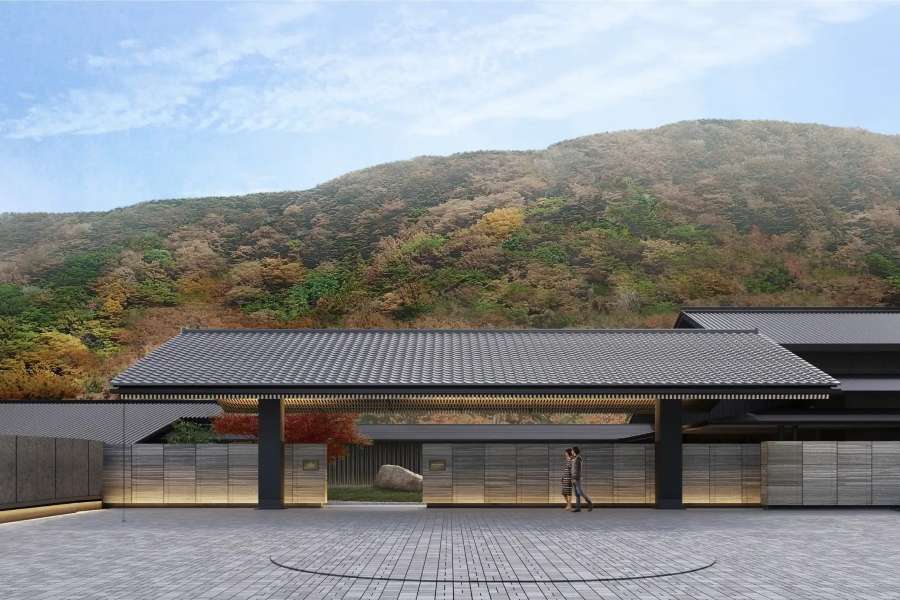
Kamonoya and its 11 whole-house rentals
Here’s the kicker: one of the more interesting options in the area is Kamonoya, which offers 11 whole-house rentals. That matters if you’re travelling with family, friends, or just want privacy without the bustle of a big hotel. Instead of a single standard room, you get an entire house, which changes the trip rhythm completely.
What I especially like is the flexibility. You can cook a simple meal, keep your ski gear in one corner, dry gloves and hats near the heater, and still have space to relax after a day in the cold. For Japan fans, this kind of stay also gives you a better feel for how local winter travel works. It’s more self-directed, less packaged, and often more comfortable for longer stays. If you’re learning Japanese, this is a good place to practice practical words like 解説 (kaisetsu) for explanation, どこ (doko) for where, and お願いします (onegaishimasu, please; I ask for your help) when asking for help at check-in. My tip: if you want a quieter base than a standard resort hotel, whole-house rentals are worth serious attention.
Ski slopes, lake walks, and that quiet shoreline
Unlike what we’re used to in crowded ski resorts, Lake Tōya gives you a mixed winter pace. You can spend part of the day on snow, then come back to the lake and do almost nothing. That combination is what makes the area stand out. Nearby ski areas in southwestern Hokkaido make day trips possible, while the lakeside itself stays peaceful enough for a proper reset.
Quick detour: the shoreline is especially good for travellers who prefer scenery over nightlife. The lakefront paths are often less hectic than the bigger names in Hokkaido, and that’s exactly the appeal. You can watch swans in cold-season waters, admire the round shape of the caldera, or just listen to the snow under your boots. In Japanese, you might call that kind of slow scenic travel 静かな景色 (shizukana keshiki), quiet scenery. The phrase fits here perfectly. Convinced yet?
One more practical point. Hokkaido winters can be serious, so plan for layered clothing, waterproof shoes, and shorter outdoor stops. Then let the onsen, the rental house, and the lake views fill in the rest. That balance between activity and stillness is what makes Lake Tōya work so well in winter. From my experience, it’s one of those places that feels better the less you try to rush it. more Japan news on jpnerd.com
Frequently Asked Questions
Is Lake Tōya worth visiting in winter?
Yes. The snowy shoreline, onsen atmosphere, and quiet pace make it a strong winter destination in Hokkaido.
What is the main appeal of staying in an onsen area here?
The contrast between cold air, hot water, and snow-covered scenery creates a winter experience that feels far more memorable than an ordinary hotel stay.
Why choose a whole-house rental instead of a standard room?
A whole-house rental gives you more space, more privacy, and a better setup for longer winter stays or group travel.