

And honestly, I get why it works. You’ve got 45 years of Gundam history, a superstar music name, and an anime ED choice that instantly broadens the audience. That’s not accidental. That’s strategy.



Gundam GQuuuuuuX is one of those projects that tells you exactly what kind of season we’re in before you even watch a frame. Big franchise. Big musician. Big song tie-ins. If you’re a Japanese learner, this is also the sort of announcement that gives you a neat little vocabulary trail to follow, because the language around anime promotions in Japan is half marketing, half performance art.
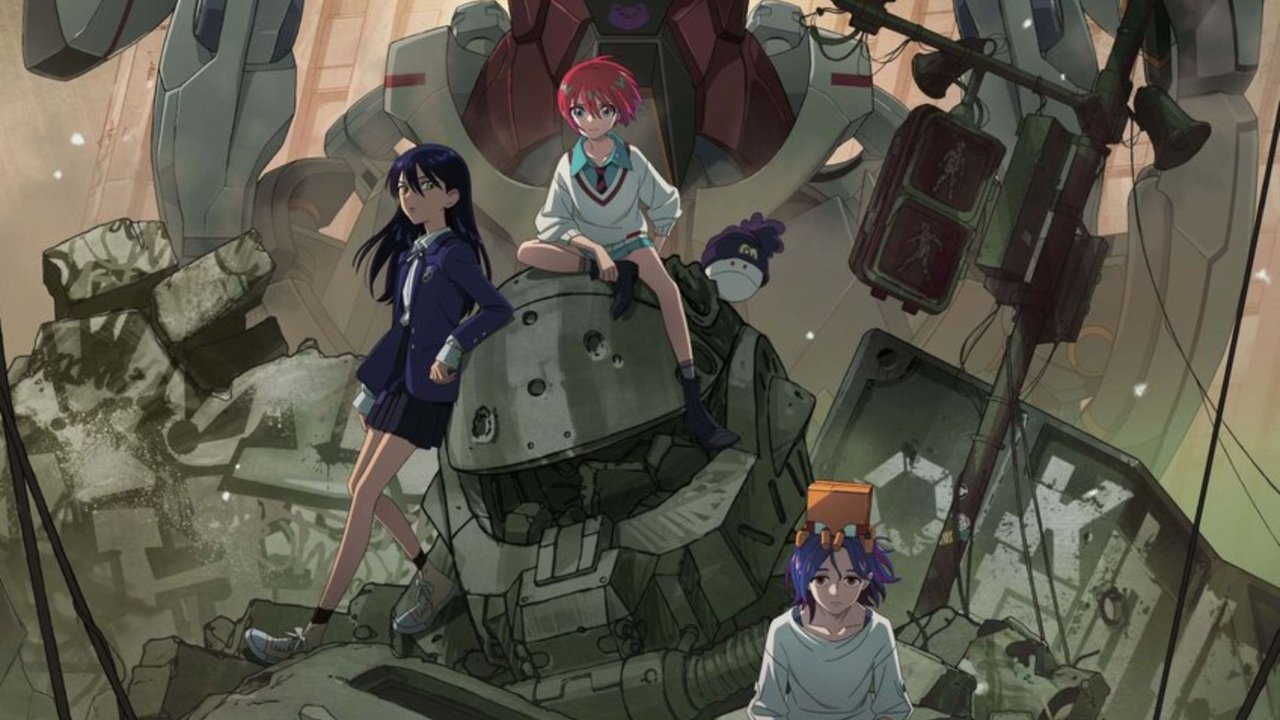
Here’s the thing: this isn’t just another Gundam series with a catchy opening. It’s a three-way push, built around the franchise itself, Yonezu Kenshi’s 'Plazma', and Suisei as the ending artist, all arriving while Gundam is celebrating 45 years of history. That combination matters. It changes how people read the show before it airs, and it changes what the music has to do in practice, not just in theory.
Gundam GQuuuuuuX: the franchise still knows how to command attention
Compared to back home, where long-running sci-fi brands often get treated like nostalgia assets, Gundam still behaves like a living industrial machine. GQuuuuuuX is part of that. The title alone signals a bit of mischief, and the project’s presentation makes one thing clear: Sunrise and the wider Gundam apparatus want this to feel like a new entry, not a museum piece.
That matters because Gundam has spent decades balancing two jobs at once. First, it has to serve existing fans who know the difference between a grunt suit and a flagship machine. Then it has to pull in new viewers who may only recognise the brand from model kits, game collabs, or the occasional enormous poster in Akihabara. That’s not easy. Most franchises fumble one side or the other. Gundam usually doesn’t. See what I mean?

From a production and branding angle, GQuuuuuuX is interesting because it leans into spectacle without pretending spectacle is enough. The name, the visual rollout, and the music choices all suggest a show that wants to feel current. In anime marketing terms, that’s the whole game: make the series look essential before anyone has even formed an opinion about episode one.
Yonezu Kenshi and 'Plazma': star power with actual musical weight
Plot twist: hiring Yonezu Kenshi isn’t just a safe choice, it’s a very deliberate one. He’s not merely famous, he’s one of the few Japanese artists whose name can still move people who don’t normally care about anisong. 'Plazma' carries that weight with it, and the title alone already sounds like it belongs in a Gundam launch sequence. No wonder, because this is exactly the sort of crossover that modern anime production loves.
Yonezu’s strength is that he can write songs that feel immediate on first listen, but don’t collapse after the chorus. That’s important for an opening theme, where the job isn’t just to be memorable, it’s to create identity in about 90 seconds. A good OP has to hit emotional tone, visual rhythm, and brand recognition at once. If it misses one, you can usually feel the wobble. You hear it. You see it. You move on.
Why 'Plazma' fits Gundam
Quick detour: the best Gundam songs don’t merely sound cool, they suggest scale. They imply motion, conflict, and the sense that people are making terrible decisions at huge industrial expense. 'Plazma' has that kind of charge. It feels synthetic and human at the same time, which is exactly the sort of tension Gundam likes to mine. My tip: if you’re learning Japanese, listen for how the lyric delivery and vowel length shape the momentum of the track, because song lyrics are often a friendlier gateway into natural phrasing than textbook dialogue.

And yes, I’d argue this is also one of those rare cases where celebrity casting in anime music doesn’t feel like empty name-branding. It’s a practical move. Yonezu brings reach, but he also brings craft. That combination is why people talk about these releases instead of shrugging at them. Classic Japan, isn’t it?
Suisei on the ending theme and the 45-year Gundam celebration
Before I forget: Suisei as the ED artist gives the project another layer of audience capture. Ending themes are underrated, even by fans who should know better. The opening gets the headlines, sure, but the ending is where a show can leave a different emotional residue, especially if it contrasts with the OP rather than copying it.
Suisei’s involvement also points to how anime now treats music platforms, streaming culture, and fandom as one ecosystem. An ED isn’t just a closer anymore. It’s a clip people share, a song people stream, and sometimes the thing that sends someone looking up the entire show. That’s not accidental. It’s distribution logic wearing a stylish jacket.
And then there’s the 45-year Gundam angle. That anniversary is not just a number on a press release, because milestones like this give a franchise permission to look back while also acting like the future belongs to it. Gundam has done this for decades: memorialise the past, then launch another giant robot into the sky. With GQuuuuuuX, the machine is clearly being tuned for a new generation, but it still carries the weight of the brand’s history. That duality is the point.

What this triple-hype package means for anime fans and Japanese learners
Here's the catch: hype only works if the materials around it feel coherent. GQuuuuuuX, Yonezu Kenshi, and Suisei do feel coherent, because each one serves a different layer of the same audience. The franchise attracts the core fanbase, Yonezu widens the net, and Suisei keeps the conversation moving through music culture. You don’t need to love all three to see the design. You just need to recognise how the pieces lock together.
For Japanese learners, this is actually a useful case study. Watch the promotional language around anime releases, and you’ll keep seeing words like 主題歌 (shudaika, theme song) for opening theme, ending theme announcements, and phrases built around collaboration, anniversary, and project names. Those terms appear constantly in entertainment news, and they show up in interviews, music rollout posts, and official trailers. The more you read them in context, the faster they stop feeling like vocabulary lists and start feeling like real media language.
What I especially like is that this kind of rollout teaches you how Japan packages culture without overexplaining it. The franchise name carries legacy. The artist name carries prestige. The song title carries mood. Put them together, and you get a single message: this matters. Whether the anime itself lives up to the pitch is another question, of course. But the launch strategy? That part is already doing its job. But that’s not all.
If you want more examples of how Japanese entertainment news frames these crossovers, keep following jpnerd’s coverage and compare the wording across anime, music, and film announcements. You’ll start spotting patterns fast, and that’s half the fun. more Japan news on jpnerd.com
In pictures
Frequently Asked Questions
What is Gundam GQuuuuuuX?
It is a new Gundam project built to feel like both a fresh entry and a major franchise event.
Why is Yonezu Kenshi important here?
He brings mainstream reach and strong songwriting, so the opening theme can work for both anime fans and general music listeners.
Why does Suisei matter for the ending theme?
Her name connects the series to music culture and streaming-era fandom, which helps the show stay visible after the opening sequence ends.

