
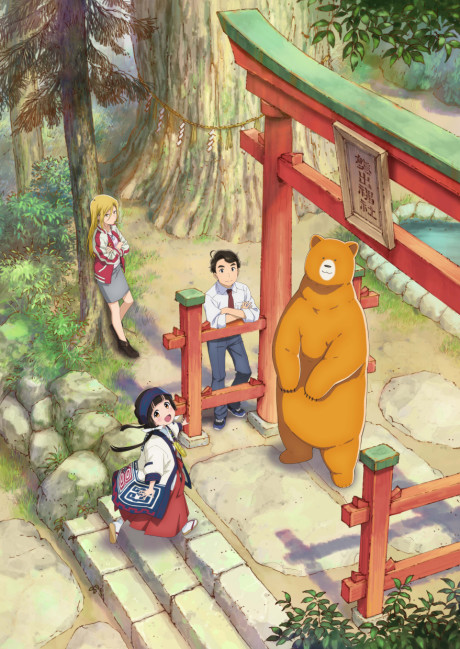
Trust me on this one: this isn't just a plain manga release notice. It's a neat example of how a series can travel beyond the page and turn specific places, shops, and print formats into part of the story.



Kumamiko Volume 16 puts place-based promotion front and centre
Know that feeling when a manga campaign feels tailored for people who actually love the series, not just people who like bright posters? That's the vibe here. Kumamiko Volume 16 is being promoted with a clear geographic angle, and the names attached to it matter: Kirishima, Hiroshima, and BOOK GALLERY KOBUNKAN.

The reason's simple: Japanese manga marketing often works best when it becomes local. A character display at one shop, a special poster in one city, a limited campaign tied to one region, that sort of thing can turn a release into an event. Take Kumamiko, for instance. But let's stick with the campaign mechanics for now. The focus isn't only on the book itself, it's also on where fans can encounter it.
My tip: if you're learning Japanese, these campaigns are gold for reading practice. Store signs, event notices, and character promo text often use short, punchy phrases, so you get real-world language without being buried in a full novel. See what I mean?
What makes the Kirishima and Hiroshima campaign interesting?
Here's the thing: Kirishima and Hiroshima aren't random names dropped for atmosphere. They anchor the campaign in specific places, which makes the marketing feel rooted rather than generic. That matters a lot for a series like Kumamiko, where local identity and rural texture already sit close to the story's appeal.
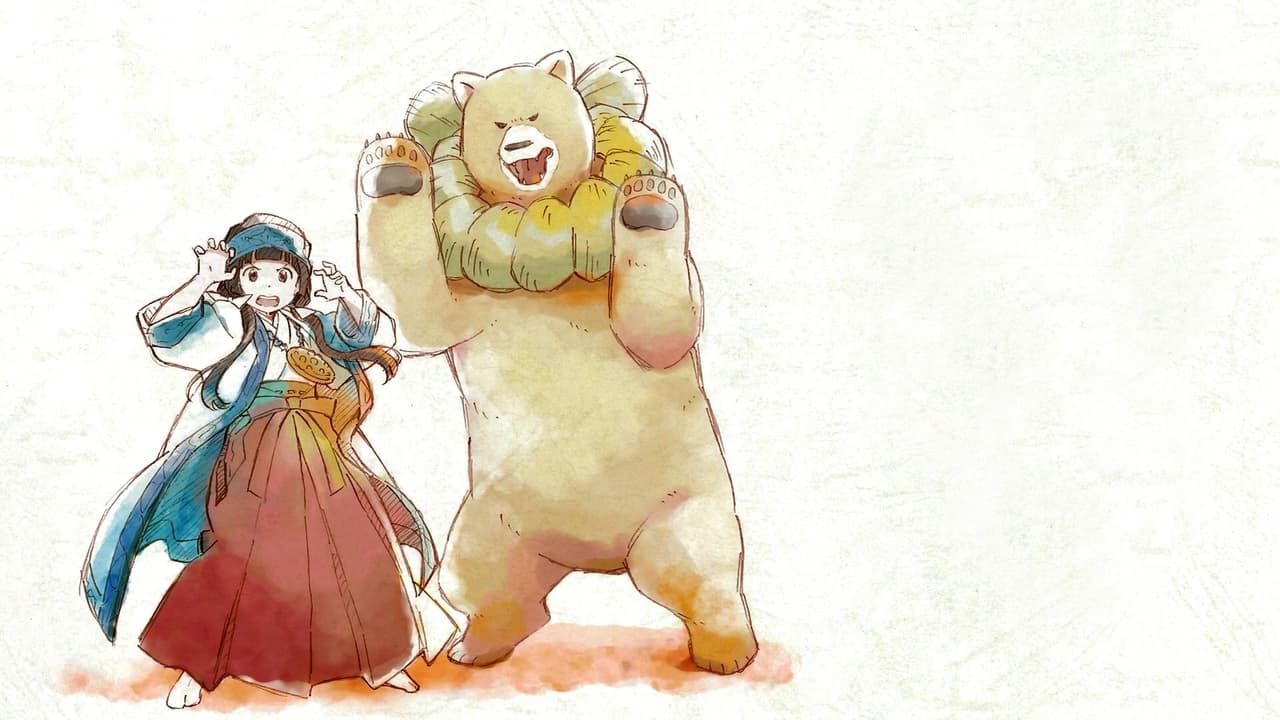
That brings us to the bigger picture. Japanese publishers and bookstores often build promotion around regional pride, especially when a title can connect with travel, local character goods, or store-exclusive displays. In this case, the combination of Kirishima and Hiroshima suggests a campaign designed to create a small but memorable fan circuit. Wild, isn't it?
Why location-based manga promotions work
For fans, the appeal's obvious. You don't just buy Volume 16, you also get a reason to visit a place, check a shelf, or look for a display. Seriously though, that extra layer is what makes Japan's book culture feel so alive.
From a Japanese learning angle, this also helps you notice how place names appear in writing. Kirishima is usually written as Kirishima, Hiroshima as Hiroshima, and you can spot how store names and campaign copy often keep things short and readable. That's useful if you want to train your eye for real-world kana and kanji patterns, even when you're reading romaji-based guides like this one. Wait, there's more.
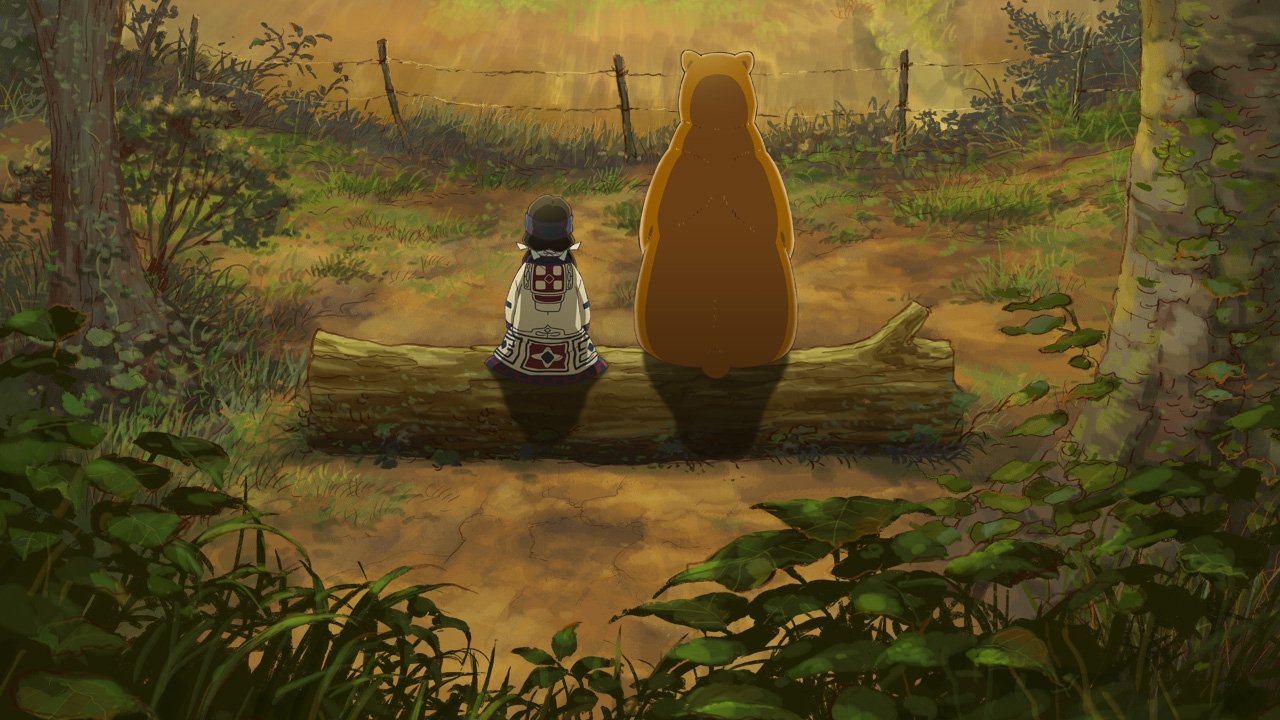
BOOK GALLERY KOBUNKAN and the bookstore side of the campaign
Here's the kicker: BOOK GALLERY KOBUNKAN gives the campaign an actual physical anchor. A bookstore-led promotion feels very different from a social media announcement, because the shop becomes part of the experience. You can browse, compare editions, see character materials, and maybe catch a special display that won't last long.
What I especially like is that this kind of bookstore tie-in keeps manga culture tactile. You aren't just clicking through a product page, you're standing in front of shelves, signs, and standees. Properly brilliant. For readers who enjoy collecting, that makes Volume 16 feel less like one more release and more like a visitable event.
And it gets better: when a store like BOOK GALLERY KOBUNKAN is involved, the campaign also gives fans a concrete destination. That matters if you're travelling in Japan, or if you're the sort of person who plans a day around bookshops, cafe stops, and anime goods hunting. From my experience...
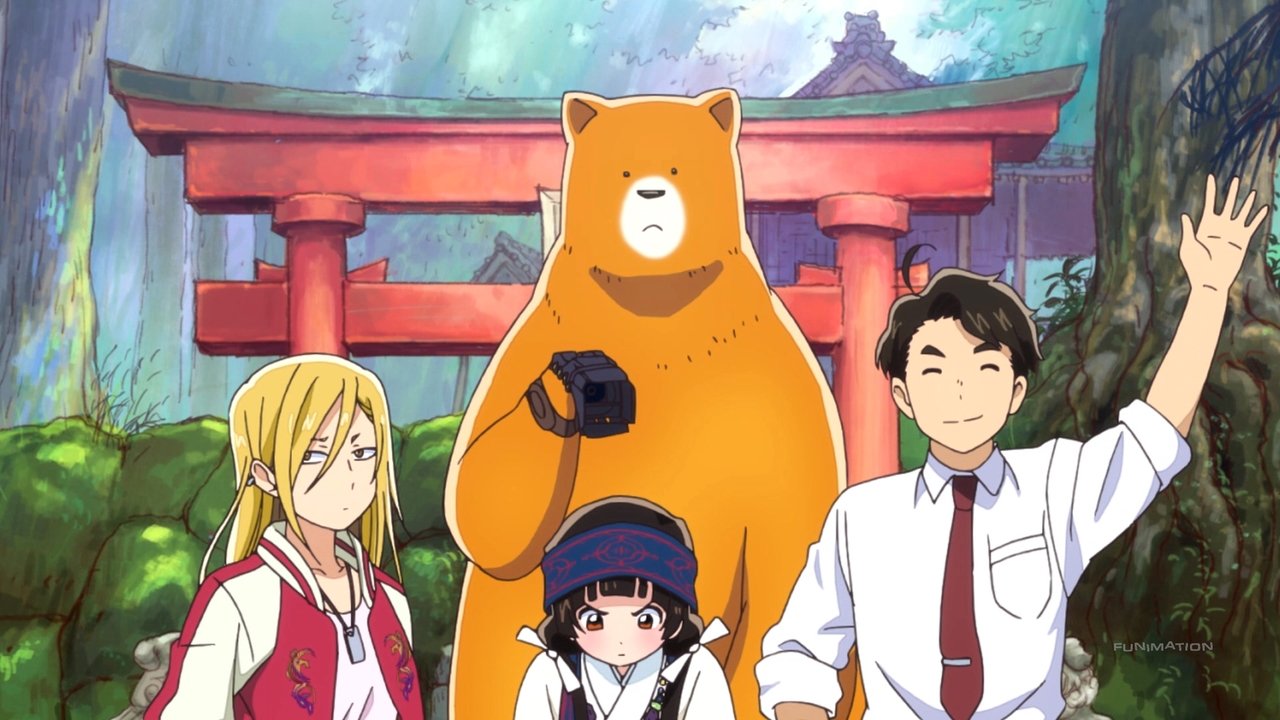
What manga fans and Japanese learners can take from this release
Plot twist: even a small campaign like this can teach you a lot about how Japanese media works. You see the structure of promotion, the importance of locality, and the way a bookstore can become part of the fandom map. That's especially useful if you're trying to understand why some series get event-style treatment while others stay online only.
For learners, there are three easy takeaways. First, place names are everywhere, so learning common city names like Hiroshima pays off fast. Second, bookstore and campaign vocabulary shows up constantly, words like 店舗 (tenpo, store), 期間 (kikan, period; time span), and 企画 (kikaku, plan; project) pop up in notices all the time. Third, Japan loves limited-time formats, so spotting phrases tied to a campaign helps you read faster and with more confidence.
My own opinion? This is my absolute hidden gem! Not because it's flashy, but because it shows manga culture at street level, through stores, towns, and local promotion. That kind of detail is exactly what makes following Japanese releases so rewarding. See what I mean?
Frequently Asked Questions
What is special about Kumamiko Volume 16?
It is being promoted with a local campaign tied to Kirishima, Hiroshima, and BOOK GALLERY KOBUNKAN.
Why do Japanese manga campaigns use real places?
Real locations make releases feel local, memorable, and worth visiting for fans.
Can Japanese learners use this kind of campaign as study material?
Yes. Store notices, city names, and short promo phrases are great for practical reading practice.


