
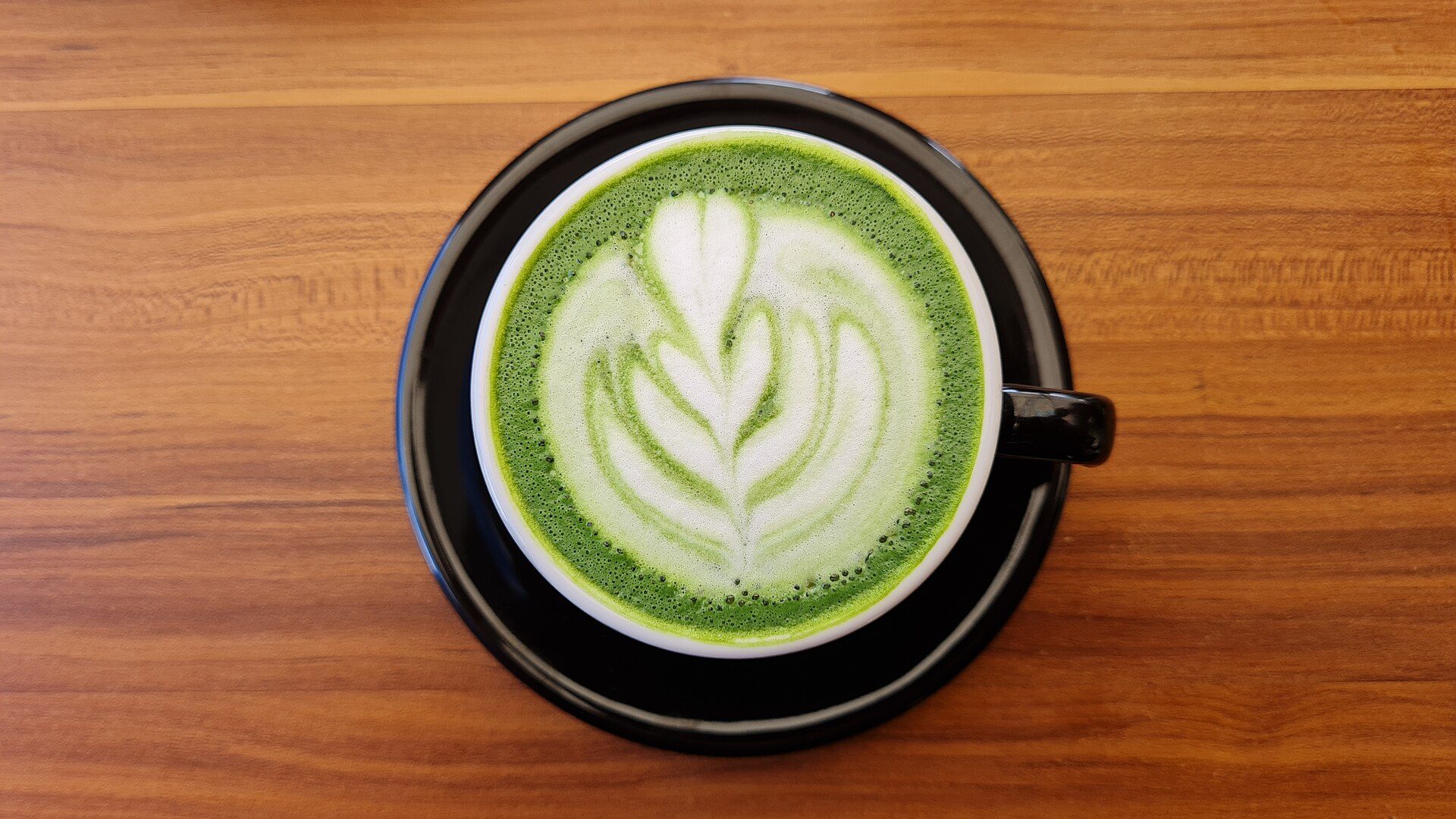
If you love Japan travel and you’re learning Japanese, Uji’s a brilliant place to connect words with real life. The reason’s simple: tea here isn’t just a drink, it’s part of the town’s identity.
Uji Station and the First Impressions Around It
Guess what? Uji Station is small enough to feel relaxed, but busy enough to make you realise you’re somewhere special. It sits on the Keihan Uji Line, while JR Uji Station is also nearby, so getting here from Kyoto is easy and usually takes around 20 to 30 minutes depending on the route.
Step outside and the town changes quickly. You’ll notice the soft river air, a slower pace, and plenty of signs pointing towards tea shops, temples, and the Uji River. That first walk is part of the charm, because Uji doesn’t try to overwhelm you, it invites you in.
By the way, this area is compact, which makes it perfect for a half-day or full-day food stop. I like that you can go from the station to a 抹茶 (matcha, powdered green tea) parfait, then on to a historic site, without needing a taxi. My tip: wear comfortable shoes, because the best part is wandering without a strict plan. See what I mean?
Matcha Sweets Near Uji Station
Did you know that Uji is one of the best places in Japan for matcha sweets? The town’s tea culture has made it a magnet for parfaits, soft-serve ice cream, warabimochi, baumkuchen, and delicate 和菓子 (wagashi, traditional Japanese sweets) that all lean hard into green tea flavour. The reason is simple: Uji tea has a serious reputation, and shops here know people expect the real thing.
What I especially like is how many places treat matcha with respect instead of using it as a gimmick. You’ll find desserts that balance bitterness and sweetness properly, which matters if you’ve only had overly sugary matcha treats before. In Japanese, you might hear words like お茶 (ocha, tea) for tea, matcha for powdered green tea, and 菓子 (kashi, sweets; confectionery) for sweets, and Uji is a great place to see those words come alive.
What to try first
Start with a classic matcha parfait. Many shops layer soft cream, jelly, 小豆 (azuki, red beans) beans, 餅 (mochi, rice cake), and sponge cake, so every bite changes a little. Then try an ice cream or soft-serve cone, because it’s often the simplest way to taste the tea itself.
To be fair, not every dessert is equal. Some are built for social media, while others are made for flavour first. If you only choose one shop, ask whether they use Uji matcha specifically, because that label usually means stronger aroma and a deeper finish. Classic Japan, isn't it?
Why Uji Has Been a Tea Town for Over 800 Years
Ever wondered why Uji became such a tea powerhouse? The story goes back to the Kamakura period, when tea cultivation and tea culture began to spread more seriously in Japan, and Uji’s climate and location helped it stand out. Over the centuries, the area became closely tied to high-quality tea production, especially for matcha and 煎茶 (sencha, green tea).
One of the most important historical names is the tea master Sen no Rikyu, who shaped Japanese tea culture in the 16th century. Uji’s tea identity didn’t appear overnight, though. It grew through farming, trade, temple culture, and the tea ceremony tradition, which made tea something refined rather than everyday fuel.
Basically: Uji’s matcha scene is old because the whole town has spent centuries improving it. That’s why the flavour feels tied to place, not just marketing. The fields, processing, and etiquette all support the same idea, that tea can be both everyday and elevated at once. My verdict: if you want a town where history still tastes good, this is my absolute hidden gem!
Walking the Tea Route From the Station
Imagine a narrow alley in Tokyo. Now replace that rush with riverside calm, tea shop windows, and stone paths leading towards temples, and you’re closer to the feeling around Uji Station. The walk towards Byodo-in and the Uji River is one of the best ways to understand why visitors keep returning.
Insider tip: if you arrive early, the streets are easier to enjoy before the lunch rush. Many tea shops open with tastings, small souvenir boxes, and gift sets that make excellent presents. You’ll also see plenty of packaging that uses words like shincha for new tea and uji-cha for Uji tea, which is handy if you’re studying Japanese food vocabulary.
The area around the station works well for learners, too. Signs are often simple, and tea menus repeat the same core vocabulary, so you can train your eye while you snack. From my experience, places like this make Japanese feel less like textbook material and more like part of the journey. That’s why...
Frequently Asked Questions
How do I get to Uji Station from Kyoto?
You can reach Uji easily by train from Kyoto, usually in about 20 to 30 minutes depending on the line and transfer.
What should I eat near Uji Station?
Matcha parfaits, soft-serve ice cream, warabimochi, and wagashi are the best-known options.
Why is Uji famous for tea?
Uji has supported tea production and tea culture for more than 800 years, and its matcha is strongly tied to local history.


