

Seriously, though, this is exactly the kind of revival release that reminds you why Japan’s late-night anime boom still matters. The movie looks even sharper in 4K, and Kawajiri’s name still carries serious weight.


Did you know that Jubei Ninpucho is one of those anime titles that never really left the conversation? It keeps resurfacing because it’s got that perfect mix of sword fights, gothic atmosphere, and pure 90s attitude. Yoshiaki Kawajiri made something that still feels dangerous, stylish, and very, very Japanese.
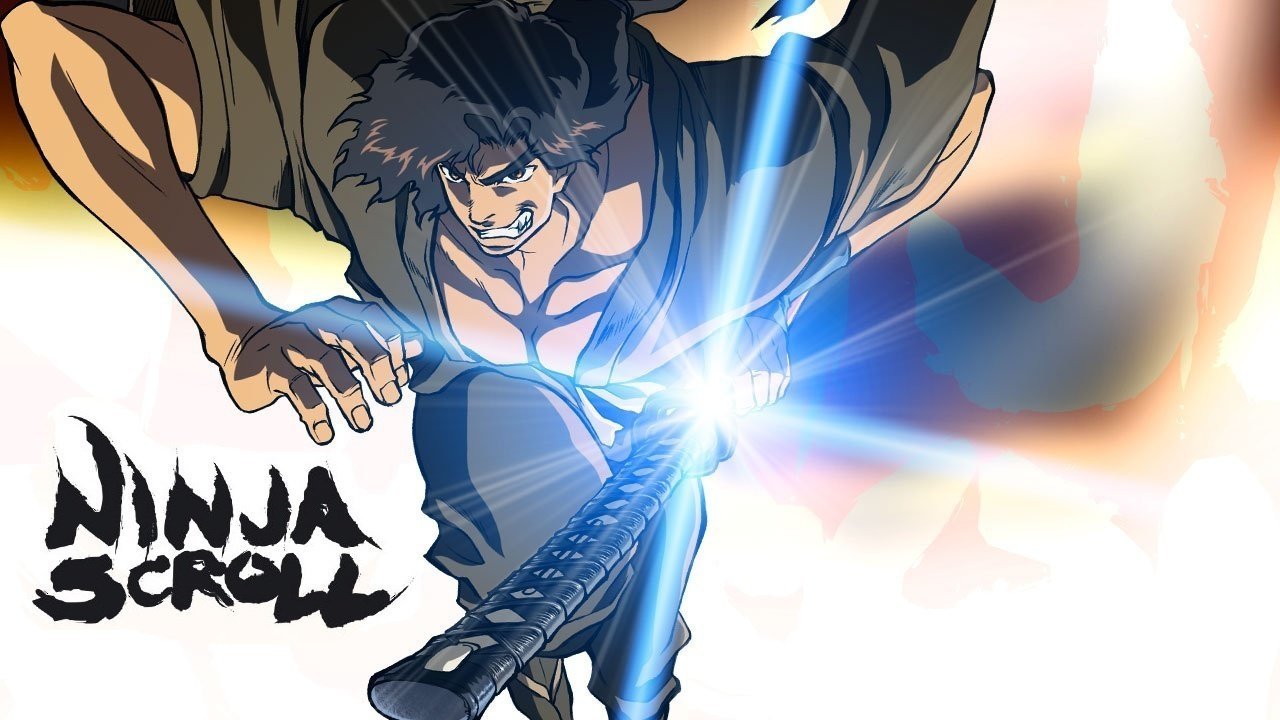
For learners of Japanese, this is also a neat cultural checkpoint. The title itself, Jubei Ninpucho, refers to Jubei, a wandering swordsman, and ninpucho, a 忍者 (ninja) scroll. That combination already tells you a lot about the kind of world you’re stepping into, one shaped by secret clans, old grudges, and mythic violence. Classic Japan, isn't it?
Yoshiaki Kawajiri and the power of style
Yoshiaki Kawajiri built a reputation on atmosphere first, exposition second. His work often feels like it was made for people who love clean motion, sharp silhouettes, and a bit of darkness around the edges. Jubei Ninpucho is probably the purest expression of that approach.
Compared with back home, where animated action films often soften the edges for wider appeal, Kawajiri goes the other way. He trusts the viewer to keep up. He trusts strong visual design, and he uses it like a blade. That restraint’s part of why the film still hits so hard after all these years.
Let me show you why that matters. Kawajiri’s direction turns every movement into a statement, from a hand resting on a sword hilt to a shadow sliding across a wall. Even if you don’t know every character name, you can feel the tension. From my experience, that’s one of the clearest signs of a great anime film.
Jubei Ninpucho on the big screen again
Picture this: a dark cinema, a restored 4K image, and a crowd that knows exactly why they came. The 4K re-release of Jubei Ninpucho begins on 4 September and runs for two weeks, which makes it a short and very tempting revival event. If you miss it, you may be waiting a long time for another proper theatrical chance.
On a related note, revival screenings in Japan have become a small but meaningful part of anime culture. They’re not just nostalgia exercises. They’re a way of reintroducing older works to new viewers, and in a case like this, the upgrade to 4K can make a huge difference. Faces pop. Backgrounds feel richer. Action scenes land with more force.
What I especially like is that Jubei Ninpucho doesn’t rely on softness or sentimentality. It has blood, speed, and a strong visual identity, so a bigger, cleaner image actually serves the film’s strengths. Pro tip: if you’re studying Japanese, pay attention to how period-drama language and 侍 (samurai, samurai warrior)-related words shape the mood, even when the dialogue isn’t overly dense. You’ll pick up words like 刀 (katana, sword), 忍び (shinobi, ninja; stealthy spy), and 幽霊 (yurei, ghost; spirit) almost by accident. Sounds good, right?
Why this revival matters for anime fans
Seriously, though, this isn’t just another old title getting a polished rerun. Jubei Ninpucho sits in that special category of films that helped define adult-oriented anime outside the mainstream TV schedule. It was released in 1993, and its reputation has only grown because people keep rediscovering how confident it is.
That confidence shows in every frame. The action is fast, but never messy. The worldbuilding is strange, but never random. And the film’s tone sits somewhere between historical fantasy and nocturnal nightmare, which is exactly the kind of thing Japan fans tend to obsess over. Simply brilliant.
That reminds me: if you enjoy anime history, this kind of screening is also a reminder that Japanese film culture never really stops recycling and revaluing its best work. Old titles come back because they still have something to say, and because new viewers keep finding them. Convinced yet?
What Japanese learners can take from Jubei Ninpucho
Imagine a narrow alley in Tokyo. Now imagine that same atmosphere translated into a samurai fantasy, with old words, tense honour codes, and a world built on hidden loyalties. Jubei Ninpucho may be an action film, but it is also a small lesson in mood, register, and historical imagination.
For learners, the value isn’t just vocabulary. It’s context. Japanese period settings often carry terms that don’t appear in everyday conversation, yet they help you understand how Japanese media uses language to signal class, danger, and tradition. If you hear someone say 浪人 (ronin, masterless samurai), shinobi, or 武士 (bushi, warrior; samurai class), you’re already inside a specific cultural frame.
My tip: use releases like this as study motivation. Watch the trailer, read plot summaries, and look up one or two new words, not twenty. That’s a much better way to keep your momentum going. And if you’re a Japan fan first and a learner second, this film still works as pure cinema. From my experience...
Frequently Asked Questions
When does the 4K re-release start?
It starts on 4 September and runs for two weeks.
Who made Jubei Ninpucho?
The film was directed by Yoshiaki Kawajiri.
Why should anime fans care about this screening?
It gives viewers a rare chance to see a major 1993 anime classic on the big screen in a restored 4K version.


