
Overview
If you are trying to understand a japan visa for a single-entry tourist trip, the key thing is to separate general rules from local office practice. The available guidance describes what applicants are usually asked to prepare, how submission timing tends to work, and how fees changed in 2026, but it does not state that you can submit for a specific travel date of 2027-02-24. In other words, the safest approach is to treat this as a practical planning question, not a promise tied to one calendar day.
For many travellers, the process starts with a provisional travel plan, then moves into document collection, and finally a submission through the correct embassy, consulate, or VFS channel. And because Japan visa policy is set by official government authorities, not by social media chatter, it is worth checking the latest instructions directly before you book anything non-refundable. If you are also comparing timing and document expectations, a Japan Visa 2026 for Indians: Fees, Documents & Timing guide can help frame the bigger picture, especially if your application will be handled in India.
What a single-entry tourist application usually includes
For a single-entry tourist visa, the sources describe a fairly standard document bundle. Applicants are generally expected to provide a passport valid for at least six months, a completed application form, two recent 45mm x 45mm photos, a confirmed travel itinerary, proof of accommodation, six months of bank statements, and, if the applicant is self-employed, the latest ITR. That is the core of the file, the kind of practical package that visa officers tend to want to see before they can assess the trip properly.
There is also an emphasis on the trip plan itself. Single-entry tourist visa applicants are expected to show a day-by-day itinerary, round-trip flight bookings, and hotel reservations. That day-by-day plan matters because it shows the purpose, timing, and internal logic of the visit. In Japanese travel planning, you will often hear the word 予約 (yoyaku, reservation), meaning a reservation, and that idea sits right at the center of visa preparation: reservations for flights, hotels, and sometimes other parts of the journey. You may also come across itinerari, a simple way to think about the full travel schedule, from arrival to departure.
One useful detail is that practice can vary by consulate or region. Some offices may accept tentative or stornable bookings rather than fixed tickets, which is a relief if you do not want to lock everything in too early. That flexibility does not mean every office will say yes, though… it only means that local interpretation can differ. So if you are building your own application, the official instructions for your jurisdiction matter more than general advice floating around online.
Timing, local office rules, and why the exact date matters less than the process
The sources do not state that a single-entry visa can be submitted specifically for travel on 2027-02-24. They describe the general application requirements and timing practices instead. That is an important distinction, because visa systems work on documentation and processing windows, not on a guarantee attached to one destination date. So if your trip is planned for late February 2027, the real question is when your local office accepts applications and how far ahead it recommends applying.
And what’s more, the submission method itself can change depending on where you are applying. VFS Global announced that in the western jurisdiction, Japan visa applications can be submitted as walk-ins without an appointment starting 2026-06-01. But that change applies only to the western jurisdiction and not automatically to all locations. In other words, one region’s walk-in policy is not a universal rule. If you are unsure, check the exact office, because the local 申請 (shinsei, application; formal request), meaning an application, can have its own rhythm and its own requirements.
This is also where a bit of patience helps. Visa processing often rewards careful preparation more than last-minute urgency, and Japan is no exception. If you are weighing when to move forward, the most reliable source is still the embassy, consulate, or VFS website for your area. For readers comparing submission routes in India, Japan 5-Year Multiple-Entry Visa from Mumbai: A Practical First-Trip Account offers a useful contrast in how different visa paths can feel in practice, even though your own application may be single-entry.
Fees changed in 2026, and that affects planning
Visa fees are another area where the numbers matter. As of July 1, 2026, Japan raised the standard single-entry visa consular fee from 3,000 JPY to 15,000 JPY for most nationalities, and the multiple-entry fee rose from 6,000 JPY to 30,000 JPY. The increase was the first of its kind since 1978. That is a big jump, no way around it, so budget planning now needs to account for a very different fee environment than older guides may suggest.
There are also exceptions. Some nationalities, including Indian applicants in the cited note, have different fee structures and are set at a flat local-currency amount. On top of the consular fee, additional service centre handling fees still apply, including fees charged by VFS or similar intermediaries. So the headline visa price is not always the full out-of-pocket cost. If you are doing your own paperwork, this is one of those moments where a little extra checking saves a lot of surprise later. Honestly, I think that is one of the most important habits for any japan visa guide: never assume the old number is still the current number.
Why this matters for Indian travellers
For Indian applicants, the cited guidance says that most tourist, business, and transit travellers still require a Japan visa unless they hold special status or long-term residency. That makes the application process especially relevant if you are planning a short visit for tourism or family travel. It also means that you should not rely on general internet shortcuts, because the actual requirement is broader than many casual posts make it sound.
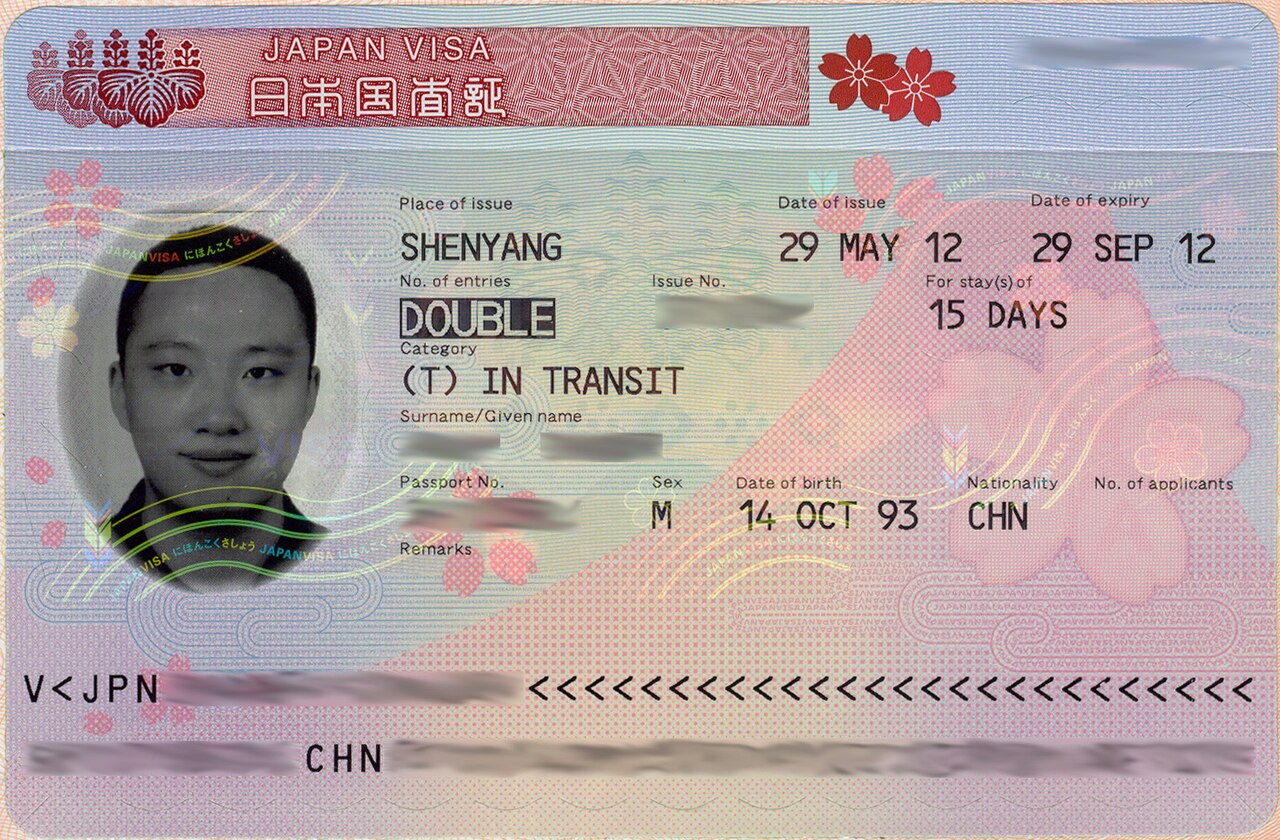
And because visa rules can shift by category and nationality, the better strategy is to work backwards from the official instructions that apply to you. If you are looking up japan visa japanisch lernen as a study phrase, that is a useful reminder of the practical vocabulary around travel preparation: forms, reservations, supporting documents, and processing steps. The same goes for japan visa kanji, since many applicants eventually encounter Japanese labels on office notices and forms, even when the main instructions are in English. Little language pieces like that can make the whole process feel less opaque.
If you need a second opinion on how offices and service centres may handle appointments, the article Japan-Visum ohne Reisedaten beantragen – Praxistipps is useful because it speaks to the practical side of applying before every trip detail is fully locked in. That is often the real-world question people ask when they are trying to balance flexibility with documentation.
How to stay on the safe side before booking
The most consistent advice across the available sources is simple: check the relevant embassy, consulate, or VFS site for the latest, location-specific rules before booking non-refundable travel. That advice may sound basic, but it is the backbone of smart visa planning. A route that works in one city may not work the same way in another, and a booking that is acceptable today may not satisfy a different office tomorrow.
If you are preparing your file now for a future trip, build your checklist around the documents already mentioned, then confirm the current submission method and fee in your own jurisdiction. Keep your itinerary believable, your reservations aligned, and your bank statements ready. And if your office allows stornable bookings, that can give you a useful buffer while you wait for approval. Small details, yes… but visa outcomes often live in those small details.
Japan travel is one of those things that rewards care, calm, and a bit of curiosity. The process can feel bureaucratic, but once you understand the pattern, it becomes much less intimidating. You are not just filling out forms; you are preparing the paper trail for a trip that you want to make smoothly, and that effort really does pay off.
Frequently Asked Questions
Can I submit a single-entry Japan visa for February 24, 2027?
The published sources do not confirm a special submission rule for that exact travel date. They only describe the general requirements and timing practices, so you should check the rules for your local embassy, consulate, or VFS office.
What documents are usually needed for a single-entry tourist visa?
The sources mention a passport valid for at least six months, a completed application form, two recent photos, a confirmed itinerary, proof of accommodation, six months of bank statements, and the latest ITR if the applicant is self-employed.
Do I need round-trip flights and hotel reservations?
Yes, the guidance says single-entry tourist applicants are expected to show a day-by-day itinerary, round-trip flight bookings, and hotel reservations. Some offices may accept tentative or stornable bookings, but that depends on the local practice.
Did Japan visa fees change in 2026?
Yes. As of July 1, 2026, the standard single-entry consular fee rose from 3,000 JPY to 15,000 JPY for most nationalities, and additional service centre fees still apply. Some nationalities have different flat local-currency fees.
Can I walk in without an appointment?
The walk-in change announced by VFS Global applies only to the western jurisdiction from 2026-06-01. It does not automatically apply to all locations, so you still need to check your local office rules.
