
The single is set for release on 10 June, and that date alone already gives fans something concrete to circle on the calendar. If you like cross-border pop culture, this one has a lot to unpack.
Paul Kim’s Japan CD single Zombie Loves 抹茶 (matcha, powdered green tea) is exactly the kind of release that gets Japan fans talking. A Korean singer-songwriter, a self-written Japanese track, and a title that mixes zombies with matcha sounds weird, but it’s true.
No wonder, because the song sits right where K-pop, ジェイポップ (J-Pop, Japanese pop music), and Japanese everyday culture meet. For language learners, that’s the interesting part, not just the novelty factor. You’re not only looking at a release, you’re looking at how an artist steps into Japanese through his own words.
Paul Kim’s first Japan CD single lands on 10 June
Before I forget: this is being described as Paul Kim’s first Japan CD single. That matters more than it may look at first glance, because a physical CD single in Japan still carries a bit of weight, especially for collectors, event buyers, and fans who like proper packaging and bonus content.
The release date is 10 June. Compared to back home, where digital drops often do most of the work, Japan still gives physical single releases a real stage, and the market’s kept that habit alive for years.
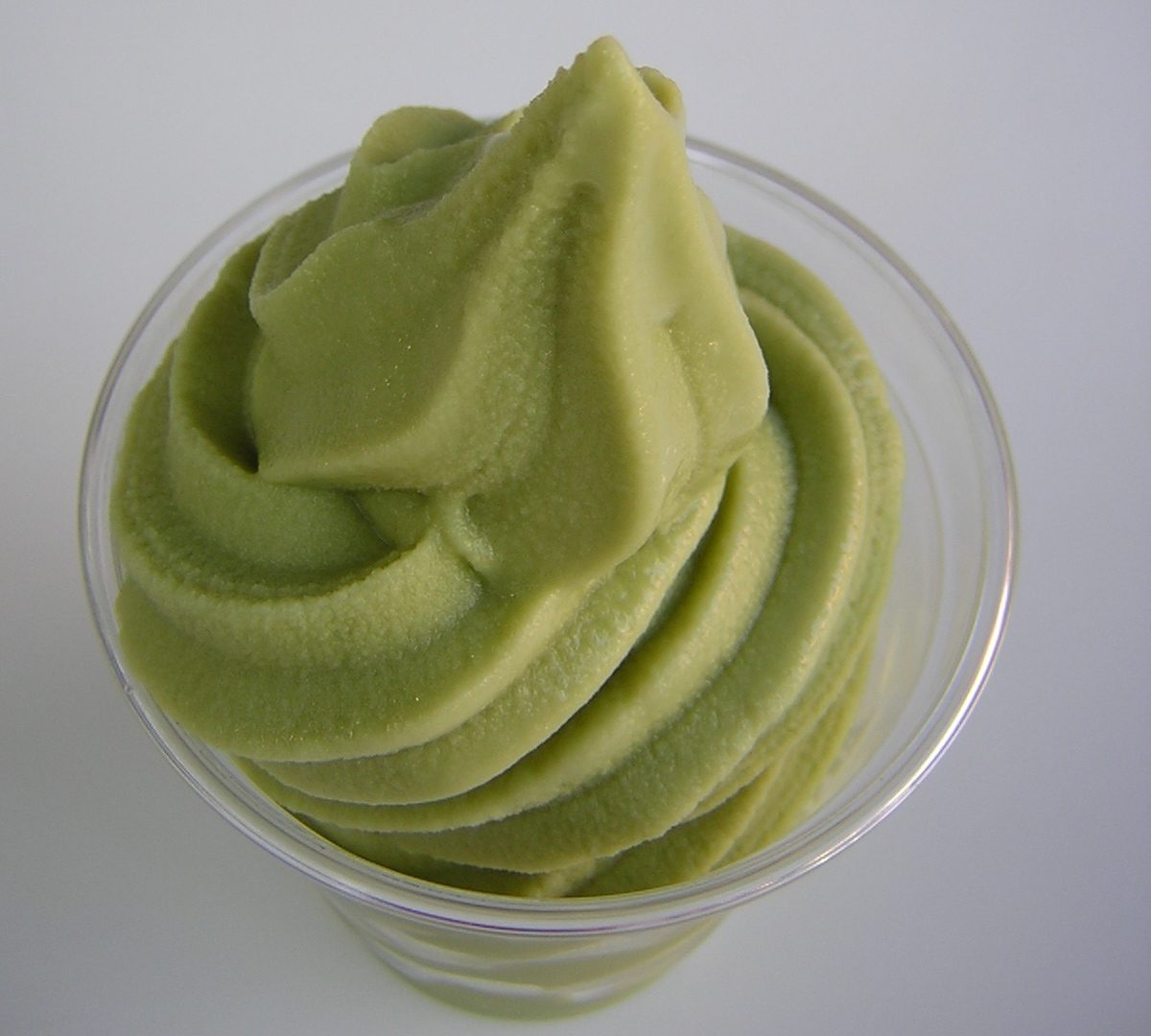
That brings us to the title track, Zombie Loves Matcha. It’s playful, easy to remember, and very Japanese in the way it mixes pop-culture imagery with a very ordinary food item. Matcha isn’t just tea here, it’s a whole visual code, one that instantly says Japan.
What I especially like is that the song doesn’t sound like a random English title with one Japanese word thrown in. It feels like it was built to travel across cultures, while still landing squarely in a Japanese pop context. Personally, that balance makes a release more memorable.
Why a Japanese-written song from a Korean artist stands out
Imagine a narrow alley in Tokyo. You pass a 喫茶店 (kissaten, coffee shop; café), a convenience store, and a tiny dessert shop selling matcha parfaits. That everyday Japan atmosphere is part of why a title like this works so well, because matcha is both familiar and stylish, both old and current.
Paul Kim writing the Japanese himself is the key detail here. It changes the whole feel of the release. A translated lyric can work, of course, but self-written Japanese gives the song a different kind of ownership, and listeners usually notice that sincerity.
Ever wondered why Japanese-language releases by non-Japanese artists often get attention so quickly? Because fans hear effort right away. The grammar may be simple or polished, but even a short phrase in Japanese can signal respect for the audience and a willingness to meet them halfway.
Quick detour: for learners, this is a great reminder that Japanese music isn’t only about perfect fluency. It’s also about image, rhythm, and choice of words. If you know a little Japanese, you’ll start hearing how artists pick terms that feel soft, cute, cool, or dramatic. My tip: listen for the texture, not just the meaning.
Matcha, J-Pop, and the appeal of cultural crossover
Compared to back home, Japan often turns food into a pop symbol very quickly. Matcha is a perfect example, because it appears in sweets, drinks, cosmetics, seasonal campaigns, and social media posts, all at once. That’s why Zombie Loves Matcha doesn’t feel random. It taps into something people already recognise.
For example, matcha is strongly tied to Japanese tea culture, but in pop culture it also carries a modern, photogenic image. It can be elegant, slightly bitter, and cute at the same time. Classic Japan, isn’t it?
On the flip side, the zombie part gives the title a comic edge. It stops the song from sounding too tasteful or too safe. That contrast, sweet and strange, refined and silly, is very effective in Japanese pop branding, where contrast often does the heavy lifting.
For Japan learners, that combination is a nice vocabulary cue too. Words like matcha, J-Pop, and zombie may come from different places, but in modern Japanese media they can sit comfortably together. It’s the kind of language environment where loanwords and local culture keep bumping into each other.
What JP fans and learners should watch for next
Sounds weird, but it’s true: a title can tell you a lot about an artist’s strategy. If Paul Kim is launching his first Japan CD single with a Japanese-written song, then this release is probably meant to introduce him to Japanese listeners in a very direct way. Not just as a Korean singer, but as someone willing to speak in their language.
Insider tip: if you’re studying Japanese, keep an eye on music releases like this and read the lyrics, even if they’re short. Pop songs are a useful way to spot everyday expressions, punctuation choices, and the difference between written Japanese and spoken-style phrasing. You’ll also notice how artists use 仮名 (kana, Japanese syllabary; kana script)-heavy wording to make lines feel softer or more singable.
Before long, these cross-border releases become part of the bigger Japan music picture. One artist’s single can link together fan communities, language learners, and people who just really love matcha desserts. That’s a pretty good mix.
My verdict: Zombie Loves Matcha is more than a quirky title. It’s a neat example of how Japanese-language pop can work as a cultural bridge, especially when the artist writes the song himself. From my experience, those are the releases that stick in your head longest.
Frequently Asked Questions
When is Paul Kim’s Japan CD single released?
It is scheduled for release on 10 June.
What is the title of the single?
The title is Zombie Loves Matcha.
Why is this release interesting for Japan fans?
It combines a Japanese-written song, a Korean artist, and a very Japan-friendly matcha image.


