
Here’s the thing: Famitsu’s four-reviewer setup still shapes a lot of conversation in Japan, so even a first score can tell you how a game’s being received before the wider chatter kicks in. Classic Japan, isn’t it?
![Dragon Ball Z: Kakarot [Master Edition]](https://s.pacn.ws/1/p/1eh/dragon-ball-z-kakarot-master-edition-908785.1.jpg?v=t8ja8t&width=400)


Famitsu review scores for 12 July 2026
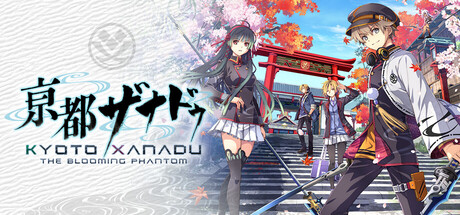
Famitsu review scores dropped on 12 July 2026, and the spotlight landed on two fresh Japan-made releases, Kyoto Xanadu and Culdcept Begins. For Nintendo and JRPG fans, these first numbers matter because Famitsu remains one of the most watched game magazines in Japan, and its early score roundup still gets quoted across gaming sites and social media.
Here’s the kicker: Famitsu uses four reviewers, each giving a score out of 10, so a final total can land anywhere between 0 and 40. That makes a 32, 33, or 34 feel very different from a 24, and it helps explain why Japanese players keep one eye on these score sheets, even when they don’t always agree with them. From my experience, the totals are best read as a mood check, not a verdict carved in stone.
On a related note, this week’s line-up is especially interesting because both games connect to familiar Japanese genres, but in very different ways. One leans into classic fantasy role-playing, the other into board-game-style strategy, and both are the kind of releases that tend to travel well with Switch audiences. Wait, there’s more.
Kyoto Xanadu: first impressions and what the score suggests
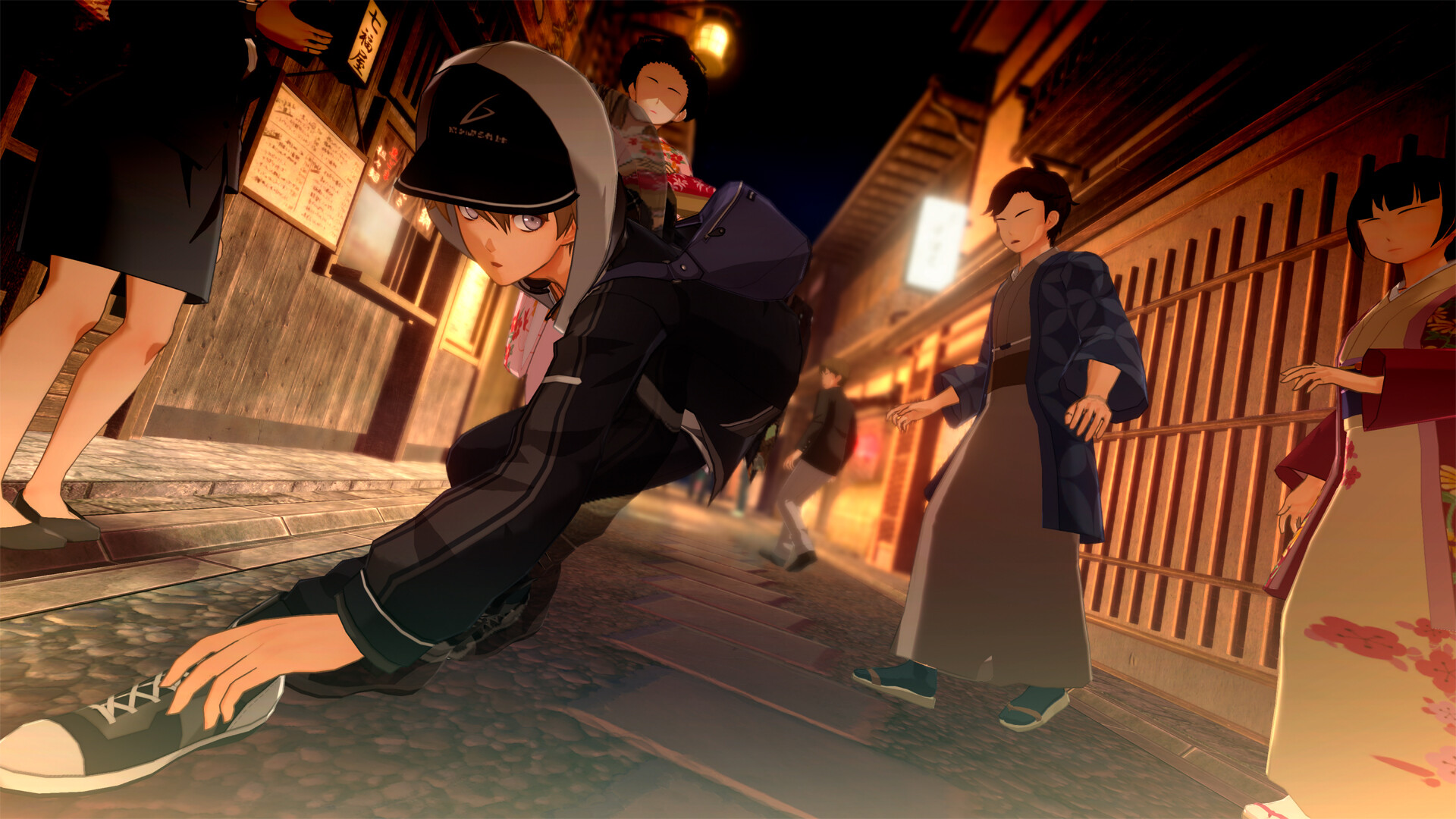
Kyoto Xanadu is the sort of title that immediately catches a Japan fan’s eye, because Kyoto alone brings a strong cultural image, from old streets and temple districts to that polished mix of tradition and modern life. If you’re learning Japanese, even the title gives you a useful clue: kyoto is one of those place names that carries instant atmosphere, while xanadu hints at a fantasy world rather than a real location. A good example: Japanese games often use real place names to create a mood before you’ve even seen the opening scene.

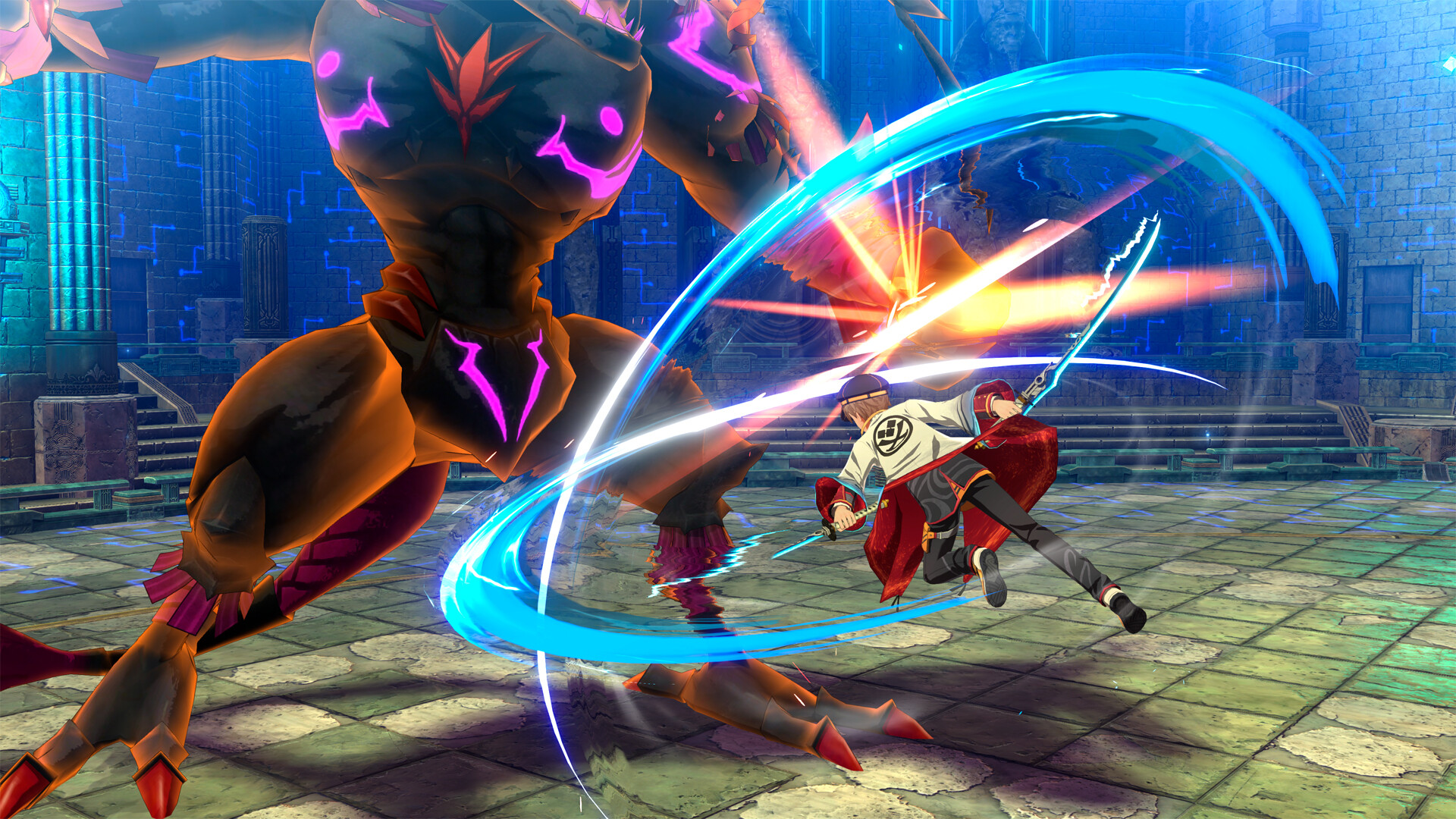
Famitsu’s first score for Kyoto Xanadu points to a game that’s made a decent early impression, though not necessarily a runaway triumph. That’s useful context for Switch owners, especially if you like turn-based systems, party building, and story-heavy JRPGs where the opening hours matter a lot. My tip: if you enjoy reading Japanese reviews, look at how Famitsu praises or criticises pacing, UI flow, and battle rhythm, because those are the kinds of points that often matter more than a raw number.
Why JRPG fans should pay attention
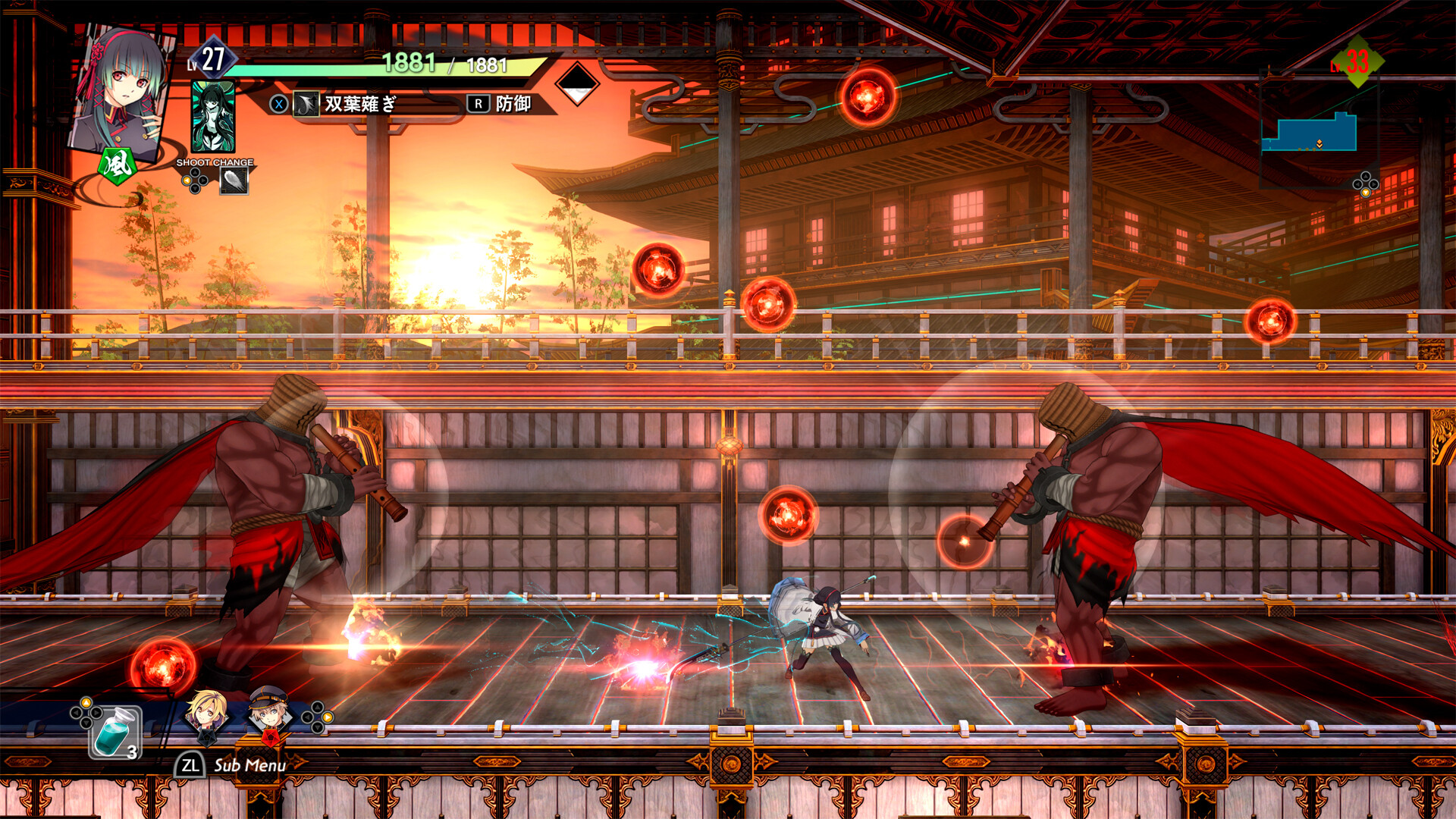
Kyoto Xanadu sits in the same broad lane as plenty of Japanese role-playing games that live or die on atmosphere. If the game balances exploration, character scenes, and battle tempo well, it can become a steady word-of-mouth pick, even when the score isn’t near-perfect. And it gets better: for learners, JRPG coverage is a great way to build vocab around words like 世界 (sekai, world), 物語 (monogatari, story; tale), and 対戦 (taisen, battle; match), even if you’re reading translated summaries rather than the original magazine text.
Seriously though, for Switch players, the key question is always whether a game feels good in handheld mode. If a JRPG has clean menus, fast load times, and readable text, it can become a commuter favourite in Japan almost overnight. Highly recommended: pay attention to that practical angle whenever you see a Famitsu review roundup. Convinced yet?
Culdcept Begins and the appeal of Japanese strategy on Switch
Culdcept Begins is a different beast entirely. The Culdcept series has long blended board-game movement, card collecting, and tactical decision-making, which gives it a very Japanese flavour, in the best sense of the word. It’s the kind of game that rewards planning, patience, and a little bit of luck, like a cosy evening session over tea or a late-night run through 抹茶 (matcha, green tea powder)-fuelled strategy.

Before I forget, this is exactly the kind of release that can surprise people who only follow big-name RPGs. Strategy fans know that a strong Culdcept entry can become a cult favourite, especially on Nintendo hardware where turn-based play fits naturally into handheld sessions. Plot twist: the score can matter just as much here as with a flashy RPG, because board-game mechanics live or die on balance, clarity, and replay value.
What a first score tells you
If Famitsu gives Culdcept Begins a respectable opening, that usually signals solid design rather than headline-grabbing spectacle. That can be enough. These games often find their audience slowly, through recommendation, forum talk, and short clips from dedicated fans. And if you want to understand Japanese game culture, this is a good reminder that not every hit starts with fireworks, some start with careful, steady praise. From my experience...
On the flip side, a strategy title with a weaker score doesn’t always mean it’s worth skipping. Famitsu reviewers sometimes value polish and accessibility more than deep complexity, while long-time fans may care more about meta strategy and card synergy. That gap between first reaction and player obsession is part of what makes Japanese game coverage so fun to follow. Wait, there’s more.
Why Famitsu scores still matter for Japan fans and language learners
Famitsu review scores are still a handy reference point because they connect the release calendar, the Japanese market, and the Switch audience in one neat package. For Japan fans, they’re a shortcut into the current conversation. For language learners, they’re also a practical reading habit, because game reviews use everyday Japanese alongside specialist terms like システム (shisutemu, system), ストーリー (sutoorii, story; narrative), and バランス (baransu, balance).
Here’s the thing: you don’t need to read every review in full to learn from it. Even tracking which genres get praised, which publishers keep appearing, and how score totals shift can build useful context over time. If you follow Nintendo-related coverage on sites like Nintendo Everything, you’ll notice how quickly these Famitsu updates spread beyond Japan. That speed tells you a lot about the global appetite for Japanese releases.
And for anyone studying Japanese, this is a nice low-pressure way to train your eye. Read the title, spot the score, look for recurring words like 面白い (omoshiroi, interesting; fun), kurai, and tasukaru, then compare them with the English summary. Little by little, that habit helps. Classic Japan, isn’t it?
In pictures

Frequently Asked Questions
What is Famitsu?
Famitsu is a Japanese gaming magazine known for its review scores and weekly game coverage.
Why do fans care about early Famitsu scores?
They offer a quick first impression of how new Japanese games are being received.
Are these scores useful for Switch buyers?
Yes, especially if you follow JRPGs and strategy games on Nintendo platforms.


