
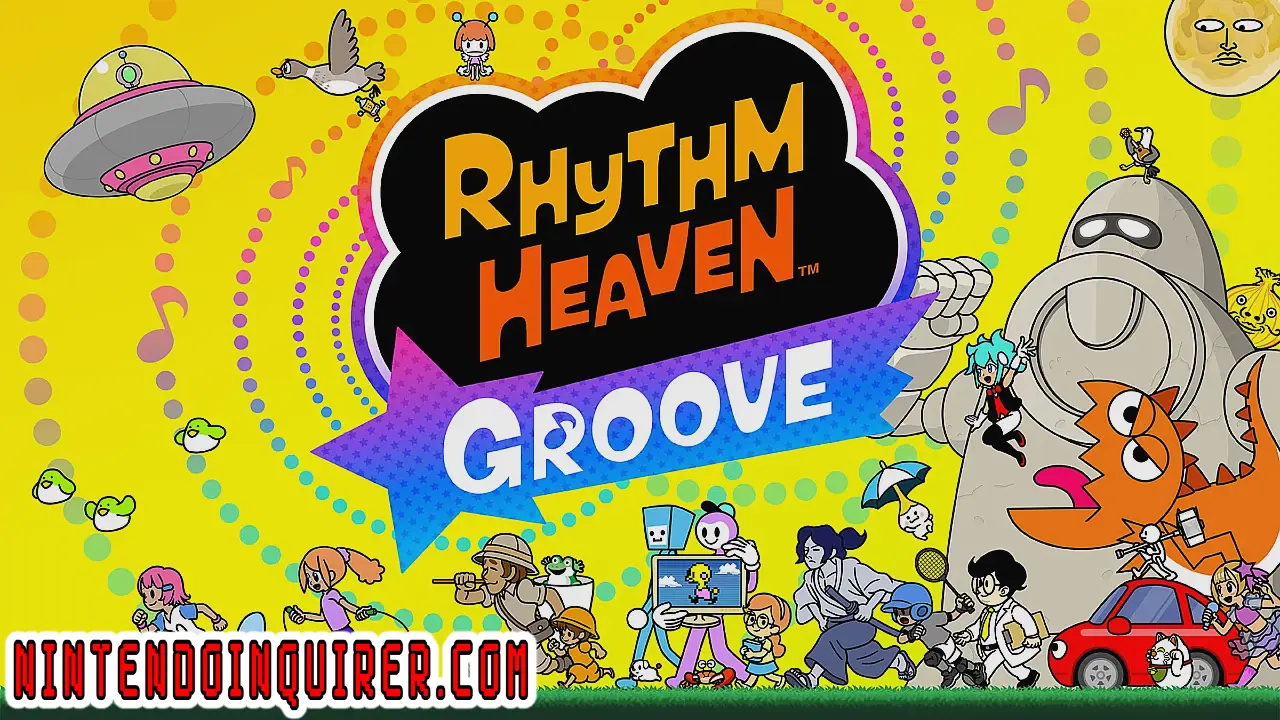
What many overlook is that Tsunku is back on the music side, which should make old fans grin. That’s a big deal for a series where the beat, the jokes, and the music all hit together.
![Dragon Ball Z: Kakarot [Master Edition]](https://s.pacn.ws/1/p/1eh/dragon-ball-z-kakarot-master-edition-908785.1.jpg?v=t8ja8t&width=400)


Rhythm Heaven Groove and the 11-year wait
Did you know that Rhythm Heaven Groove arrives after an 11-year pause? The last major home-console entry, Rhythm Heaven Megamix, landed on Nintendo 3DS in 2015, so this comeback has real weight. For a Nintendo cult rhythm game, that gap is long enough to turn a sequel into a memory, then into a myth.
That reminds me: some series disappear for years, then return and instantly feel bigger than ever. Rhythm Heaven has always been that kind of franchise, part game, part inside joke, part timing test that can humble you in seconds. If you know the Japanese word 理想 (risou, ideal) for “ideal”, this is one of those cases where fans had an ideal sequel in their heads for years, and now they finally get to compare it with reality.
Here’s the thing: this series was never about flashy realism. It was about reading the beat, reacting fast, and laughing when a tiny mistake ruins an entire perfect run. That simple setup is exactly why the comeback matters, because the formula still feels fresh when Nintendo treats it with care. My verdict: nostalgia is doing a lot of heavy lifting here, but in the best possible way.
Tsunku returns, and that changes the whole mood
What many overlook is that Tsunku’s return is probably the most meaningful part of the announcement for longtime fans. He helped define the identity of the series with music that sounded playful, catchy, and a little off-kilter, which is exactly what Rhythm Heaven needs. When a game lives or dies by feel, the composer isn’t background staff, he’s part of the soul of the thing.
Speaking of which... Tsunku is also tied to Japanese pop culture in a way that makes this comeback feel extra nostalgic. He is known far beyond games, especially through his work with Morning Musume and the wider Hello! Project world, so his name carries that early-2000s Japanese entertainment energy. That overlap matters, because Rhythm Heaven has always felt like something born from TV variety-show timing, not just game design.
I still remember exactly how these songs get stuck in your head. You clear a stage once, then you hum it while walking to the station, and suddenly the whole train platform feels like part of the soundtrack. Sounds weird, but it's true. My tip: if you want to prepare for the new game, replay old Rhythm Heaven tracks and pay attention to how quickly your body starts keeping time on its own.
Why Tsunku’s music matters to learners too
While we're at it, this is a neat listening exercise for Japanese learners. Rhythm Heaven songs often rely on short, clear vocal cues, so even if you do not catch every lyric, you can still practice 聞いて (kiite, listen / listening for)-style listening, meaning listening for rhythm and sound patterns. That is a very Japanese-learning-friendly skill, especially when music and spoken commands blur together.
And yes, the word 宇宙 (uchuu, space / universe) might not help you hit the note, but it might help you remember that Japanese games often build comedy through sound first. If you already enjoy karaoke, this series has the same “I know I can do this, until the chorus speeds up” feeling. Convinced yet?
Why Rhythm Heaven is a Nintendo cult classic
Here's the catch: Rhythm Heaven has never been Nintendo’s biggest seller, but it has always been one of its most beloved oddballs. The first game, Rhythm Tengoku, launched on Game Boy Advance in Japan in 2006, then the series grew through Nintendo DS, Wii, Nintendo 3DS, and now this new entry. That long path gives the franchise a cult status that bigger blockbusters can’t really copy.
Imagine a narrow alley in Tokyo. It is small, easy to miss, and full of tiny details that reward people who slow down and look carefully. That is Rhythm Heaven in game form, a narrow little lane of Nintendo design where timing, humour, and polish matter more than spectacle. What I especially like: the games never apologise for being strange, and that confidence gives them lasting charm.
The new title also lands at the perfect moment for nostalgia. Plenty of players who were teens during the DS and 3DS years are now adults, and they remember these games as a kind of comfort zone. That’s why the comeback has so much emotional pull, because it reaches both old fans and newer players who only know the series by reputation. My verdict: this is one of Nintendo’s smartest kinds of return, not louder, just more welcome.
What to expect from the comeback in 2026
Plot twist: the real test is not whether Rhythm Heaven Groove looks good, but whether it feels right in the first ten seconds. Rhythm games are brutally honest that way, because the beat never lies. If Nintendo nails the timing windows, the feedback, and the song variety, this could be the kind of release that brings the series back into everyday conversation.
There is also a strong chance this becomes a stream-friendly game. Rhythm games can look simple until someone completely misses a sequence and the whole room erupts, which makes them perfect for clips, reaction videos, and party nights. That kind of social play suits Nintendo very well, and it gives the game a chance to reach beyond longtime fans.
Here’s the thing: a good Rhythm Heaven game does not need huge scope to win people over. It needs memorable stages, clean controls, and music that sticks. If Tsunku’s involvement really shapes the soundtrack the way fans hope, then the comeback could land with the same odd, joyful energy that made the series special in the first place. See what I mean?
If you want more updates on Japanese games, pop culture, and Japan-related news, check out more Japan news on jpnerd.com.
Frequently Asked Questions
When is Rhythm Heaven Groove expected to release?
The game is expected in July 2026, based on the current announcement coverage.
Why is Tsunku’s return such a big deal?
He helped shape the sound and personality of the series, so his return brings back a major part of its identity.
Why do fans call Rhythm Heaven a cult classic?
It has a loyal fan base, a quirky style, and a strong legacy, even though it was never Nintendo’s biggest mainstream hit.


