
That brings us to the big question, though. Is this just another indie release, or a proper pick for Switch 2 owners who like to play together?
![Dragon Ball Z: Kakarot [Master Edition]](https://s.pacn.ws/1/p/1eh/dragon-ball-z-kakarot-master-edition-908785.1.jpg?v=t8ja8t&width=400)
![Startup Company [Console Edition] (Limited Edition)](https://s.pacn.ws/1/p/157/startup-company-console-edition-limited-edition-741799.16.jpg?v=ry4mm8&width=400)
![Startup Company [Console Edition]](https://s.pacn.ws/1/p/157/startup-company-console-edition-741779.10.jpg?v=ry4ngq&width=400)
Trine 6: Together in Time lands on Nintendo Switch 2
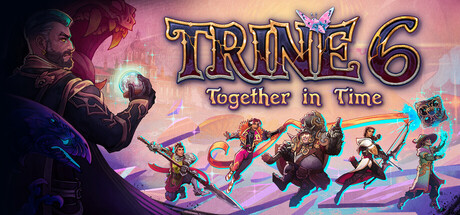
Guess what? Trine 6: Together in Time is now on Nintendo Switch 2, and that alone makes it worth a look for anyone who likes portable co-op. The game comes from Frozenbyte, the Finnish studio behind the long-running Trine series, and it keeps the formula that fans know: physics-based puzzles, side-scrolling action, and three heroes who all solve problems in different ways.
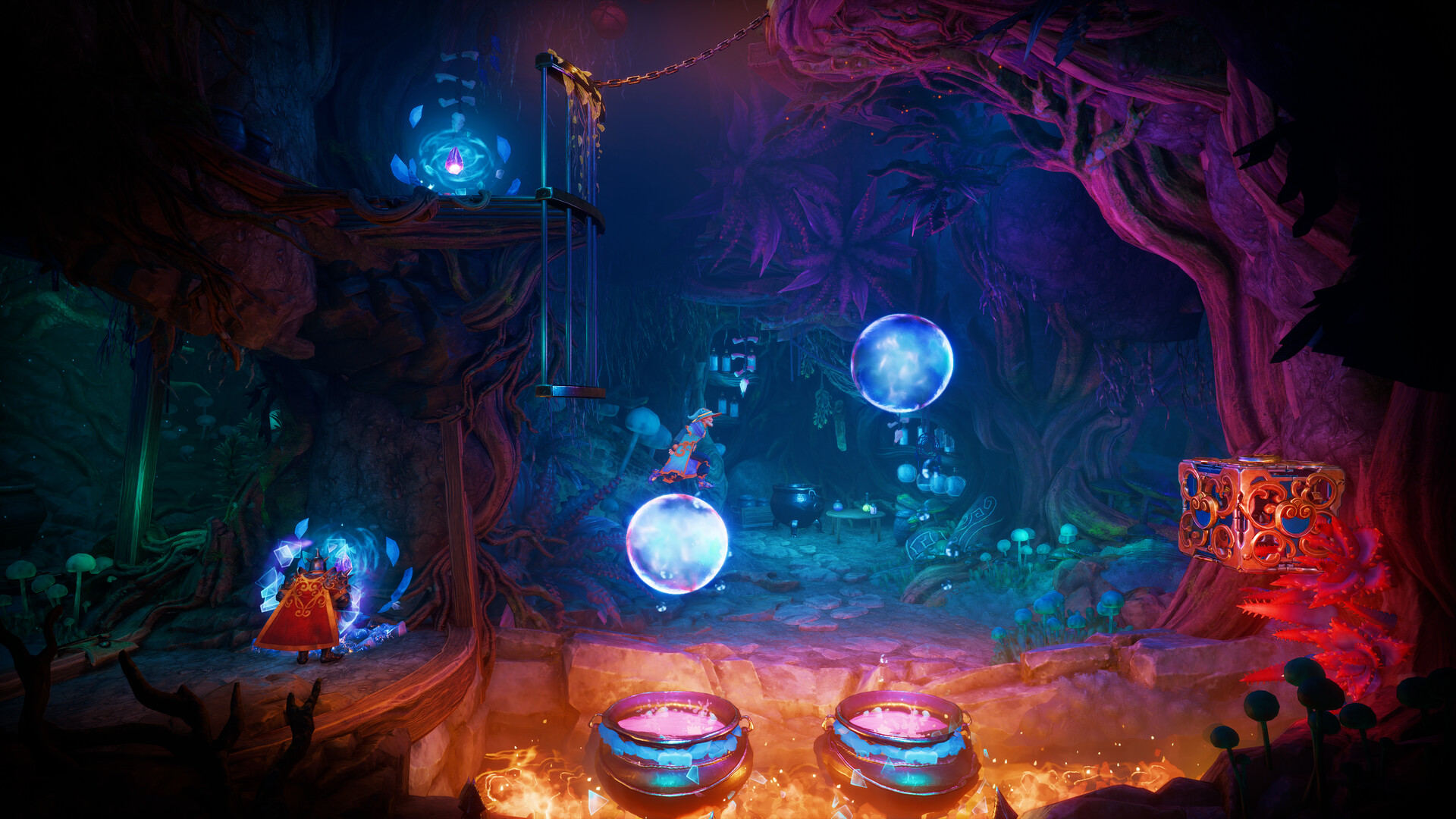
The Switch 2 version matters because Trine has always felt like the kind of game you want close to hand, whether you're on a train, on a sofa, or sharing one screen with friends. This release keeps the focus on local and online co-op for 1 to 4 players, so it can be a solo run, a duo session, or a full party night. But let's stick with the basics for now.
Why the co-op setup works so well
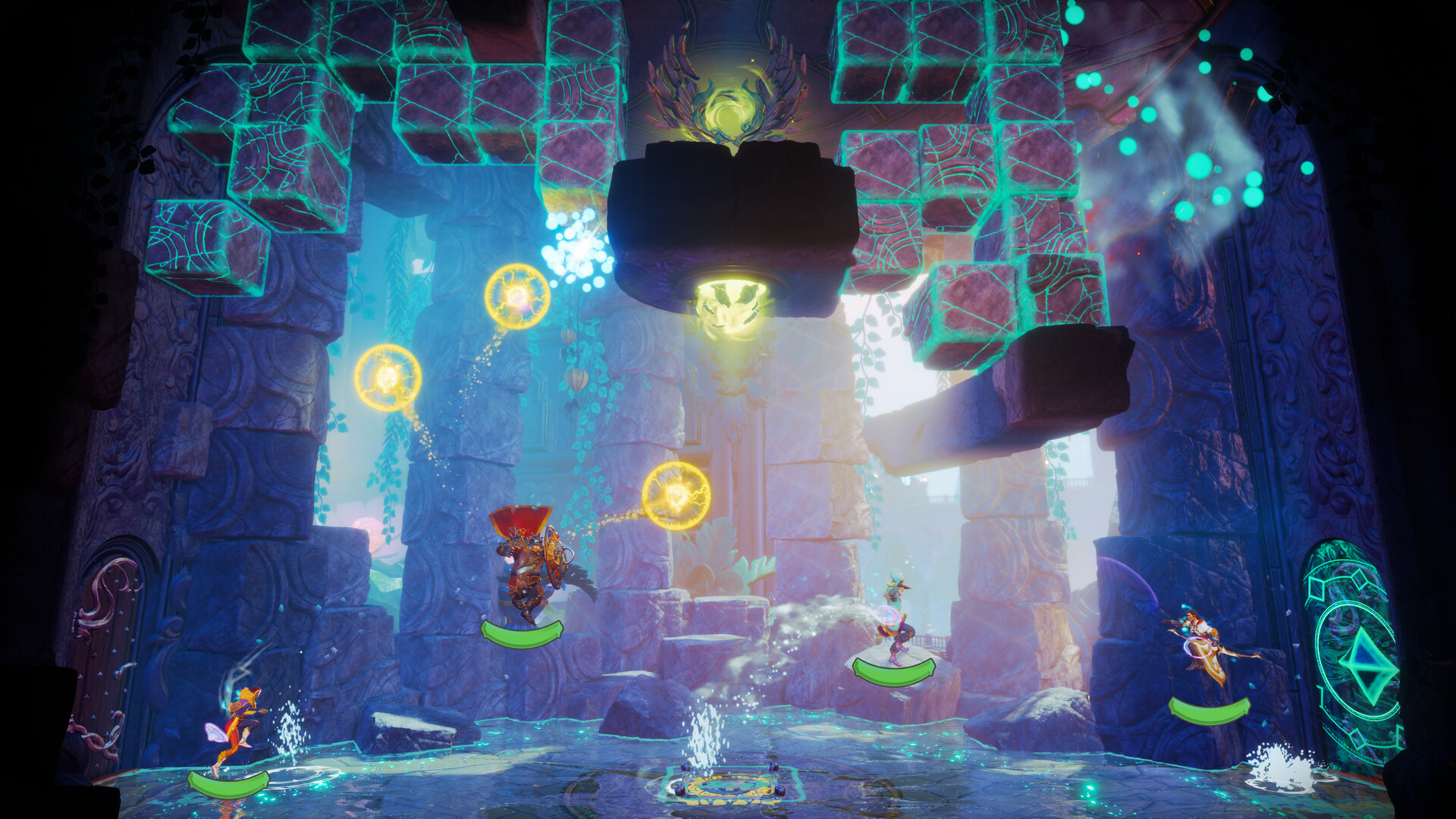
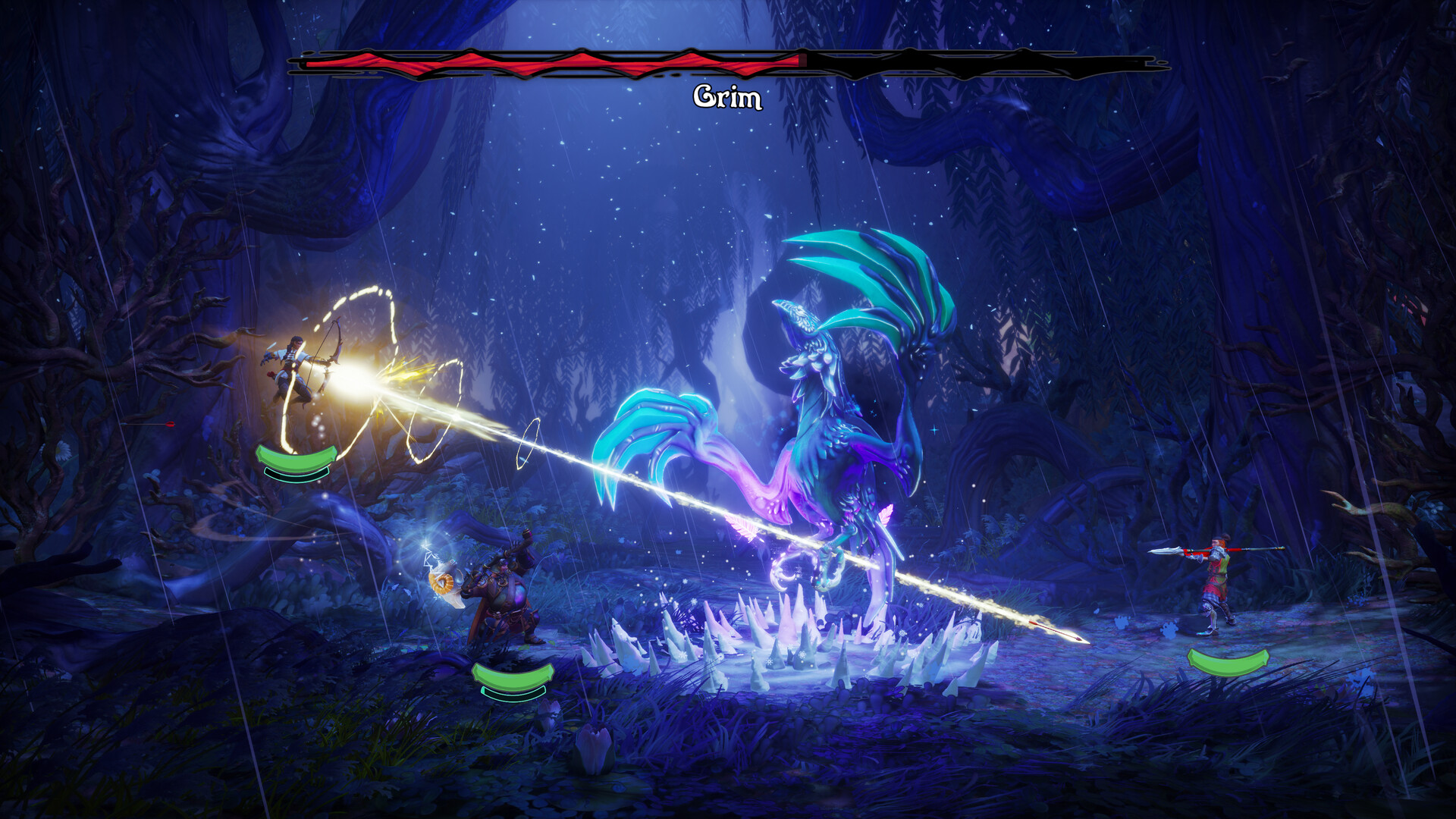
Picture this: one player is building bridges with the wizard, another is swinging in with the thief, and the knight is tanking enemies like a champ. That simple setup is the heart of Trine, and in Trine 6 it still works because every hero has a clear role, but none of them feels locked into one narrow job. The reason's simple: the game is built around communication, timing, and a little bit of improvisation.
1 to 4 players means real flexibility
For smaller groups, that flexibility is a big win. Two-player co-op often feels the most balanced, since puzzles can be solved without too much chaos, but four players can turn a calm riddle into pure comic mayhem. Hand on heart, that's part of the charm. If you've ever played a Japanese party game where everyone talks over each other, you already know the vibe.
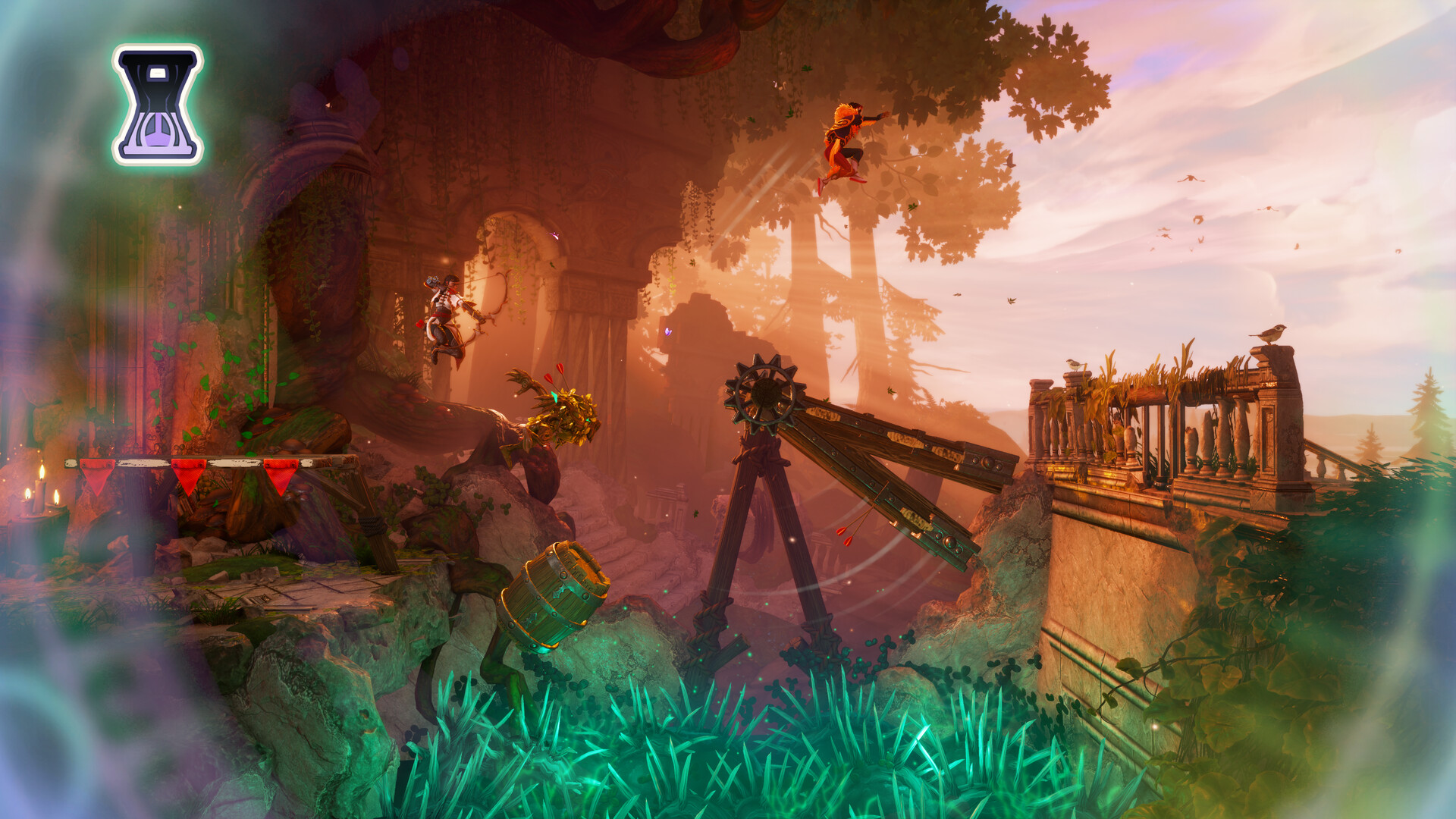
What I especially like is that Trine 6 doesn't force you to be perfect. A mistake usually leads to laughter, not frustration. See what I mean?
Where the Japan factor comes in
Before I forget, the Japan connection here is subtle, but real. The Trine series has always appealed to Japanese players who enjoy elegant puzzle design, cute fantasy art, and games that reward patience over brute force. That puts it in the same broad conversation as classic Japanese puzzle-adventure favourites, even though it comes from Europe.
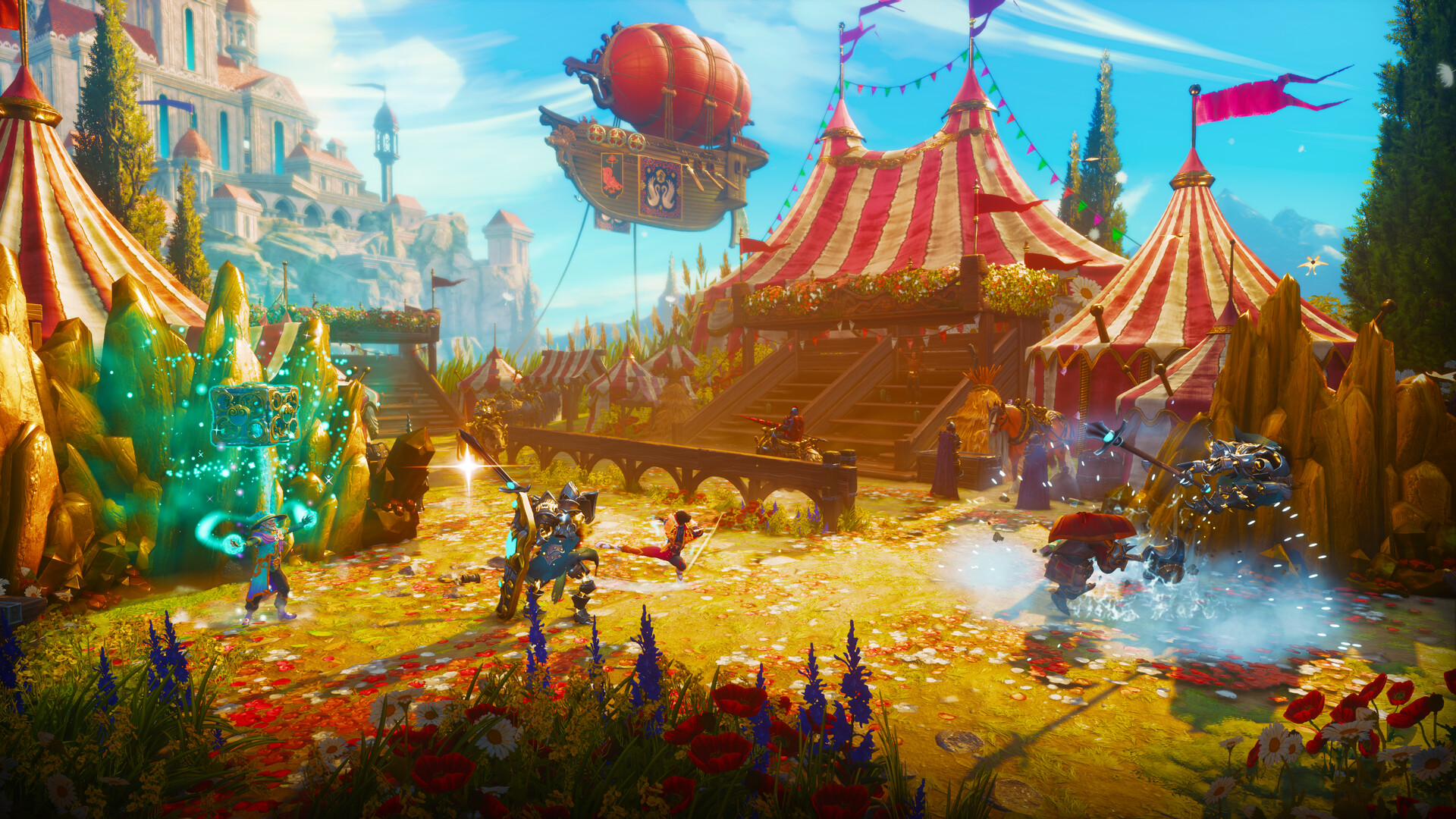
There is also the wider Switch 2 angle. Nintendo's hardware has long had a special place in Japan, from family living rooms in Osaka to commuter gaming in Tokyo. A game like Trine 6 fits that culture neatly because it supports short sessions, shared play, and clear visual storytelling. The presentation is bright, readable, and easy to follow, which matters a lot when you are learning a language or playing with friends who are less experienced. Simply brilliant.
Japanese learners can treat it like a mini language lab
Let me show you why this matters for language learners. Co-op games naturally teach practical vocabulary, even when the game is in English. Words like puzzle, switch, timing, help, and move are repeated constantly, and if you use a Japanese system menu or chat with Japanese friends, you can compare them with terms like paazu, リング (ringu), and 世界 (sekai, world). That contrast is useful, because your brain starts linking meaning to action instead of just memorising lists.
And if you are learning romaji-based terms tied to Japanese gaming culture, this kind of title is good practice too. Think of words like 連鎖 (rensa, chain reaction / combo), 協力 (kyouryoku, cooperation), and 知恵 (chie, wisdom), all of which fit the cooperative puzzle mood. Sounds weird, but it's true. Games like this make vocabulary stick.
Is Trine 6 a must-buy for Switch 2 owners?
Here's the kicker: Trine 6 is not trying to be a giant system seller, and it doesn't need to be. It is an indie sequel with a clear identity, a strong co-op hook, and enough polish to keep genre fans interested. If you already enjoy the Trine series, this is an easy recommendation. If you like local co-op with a fantasy twist, it's also a strong pick.

My tip: buy it if you regularly play with a partner, sibling, or friend, because the game shines brightest when someone is sitting next to you. If you mostly play alone, it can still be enjoyable, but the banter and teamwork are what make it special. That's the real value here, not flashy spectacle. From my experience, games like this age better than people expect.
Plot twist: the lack of huge hype may actually help it. On a crowded release schedule, a dependable puzzle-platformer can be exactly the kind of calm, smart game that Switch 2 owners need between bigger releases. And for jpnerd readers, that mix of playfulness and shared problem-solving makes it a neat little Japan-friendly pick. But that's not all.
If you want to keep up with more gaming and Japan stories, you can also check more Japan news on jpnerd.com.
In pictures
Frequently Asked Questions
Is Trine 6: Together in Time available on Nintendo Switch 2?
Yes, it has a Nintendo Switch 2 release, making it a good fit for handheld or TV play.
How many players can play Trine 6?
It supports 1 to 4 players, so you can play solo or with a full co-op group.
Why would Japanese learners care about this game?
It is a practical way to connect language learning with gameplay, especially through teamwork, puzzle terms, and repeat vocabulary.


