
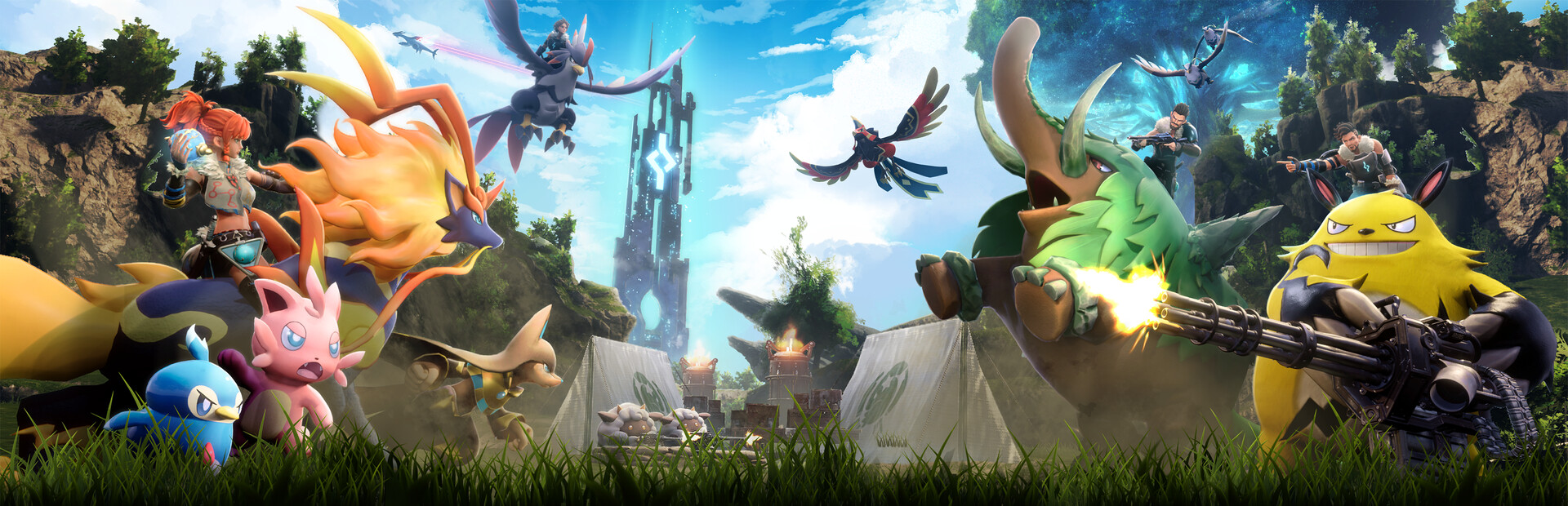
For Japan fans, this is more than a sales headline. It’s a sign that a Japanese studio can still shake up the entire industry with a fresh idea, a sharp launch, and a lot of nerve.
![Dragon Ball Z: Kakarot [Master Edition]](https://s.pacn.ws/1/p/1eh/dragon-ball-z-kakarot-master-edition-908785.1.jpg?v=t8ja8t&width=400)


Palworld reaching 40 million players is the kind of number that makes even seasoned gamers stop scrolling. Pocketpair, the Tokyo-based studio behind the game, has pulled off something rare, a Japanese title that didn’t just sell well, but became a worldwide conversation piece almost overnight.

Let me show you why this matters. Palworld launched in Early Access on 18 January 2024, and from day one it mixed creature collecting, survival crafting, base building, and a cheeky tone that made people compare it to everything from Pokemon to Rust. That mix was risky. It also worked ridiculously well.
What many overlook: this wasn’t a slow burn. Palworld exploded on Steam and Xbox, then kept growing through updates, social media clips, and word of mouth. Pocketpair announced the 40 million player milestone in November 2024, and that number includes people across platforms, not just one storefront. For a studio that many players hadn’t heard of before 2024, that’s a monster leap.
It’s early morning in Kyoto. You can almost picture the reactions in Japan’s gaming circles, because this is the kind of success that feeds late-night message boards, livestream commentary, and train-ride debates between fans. Japanese players know how hard it is to break out globally, especially with an original IP. Palworld didn’t just travel well, it hit the kind of scale usually reserved for the safest mega-brands. Wait, there’s more.
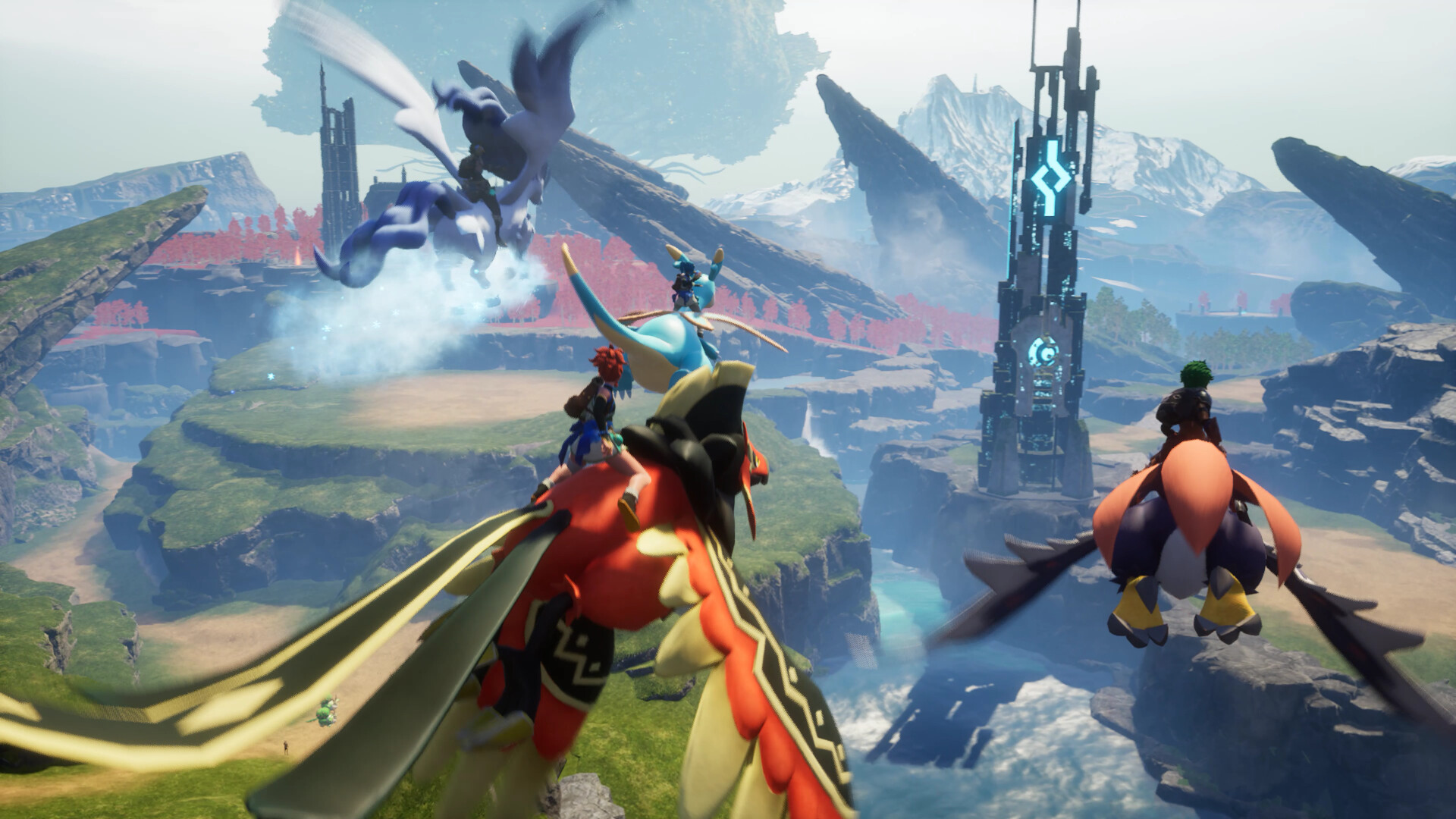
Palworld and the 40 million player milestone
Here’s the kicker: 40 million players is not the same as 40 million paid copies, but it still tells us something important. Palworld reached those players through a combination of strong first-week buzz, Game Pass exposure, and a game loop that’s very easy to understand even if you don’t follow survival games closely. Catch pals, build a base, automate work, fight bosses, repeat. Simple on paper. Very sticky in practice.
The best part: Pocketpair didn’t rely on one country or one fanbase. Palworld caught fire in the United States, Europe, and Japan at the same time, which is rare for a new Japanese IP built by a small studio rather than a giant like Nintendo, Square Enix, or Capcom. That global spread matters, because it shows Japanese developers can still surprise the market without playing it safe. No exaggeration.
There’s also a technical side to this success. Palworld launched into an online culture that rewards clips, memes, and immediate reactions. If a game gives players something funny, broken, or shocking to share, it spreads fast. Palworld had all three. People posted screenshots of overloaded bases, absurd creature jobs, and boss fights that looked one step away from chaos. Wild, isn’t it?
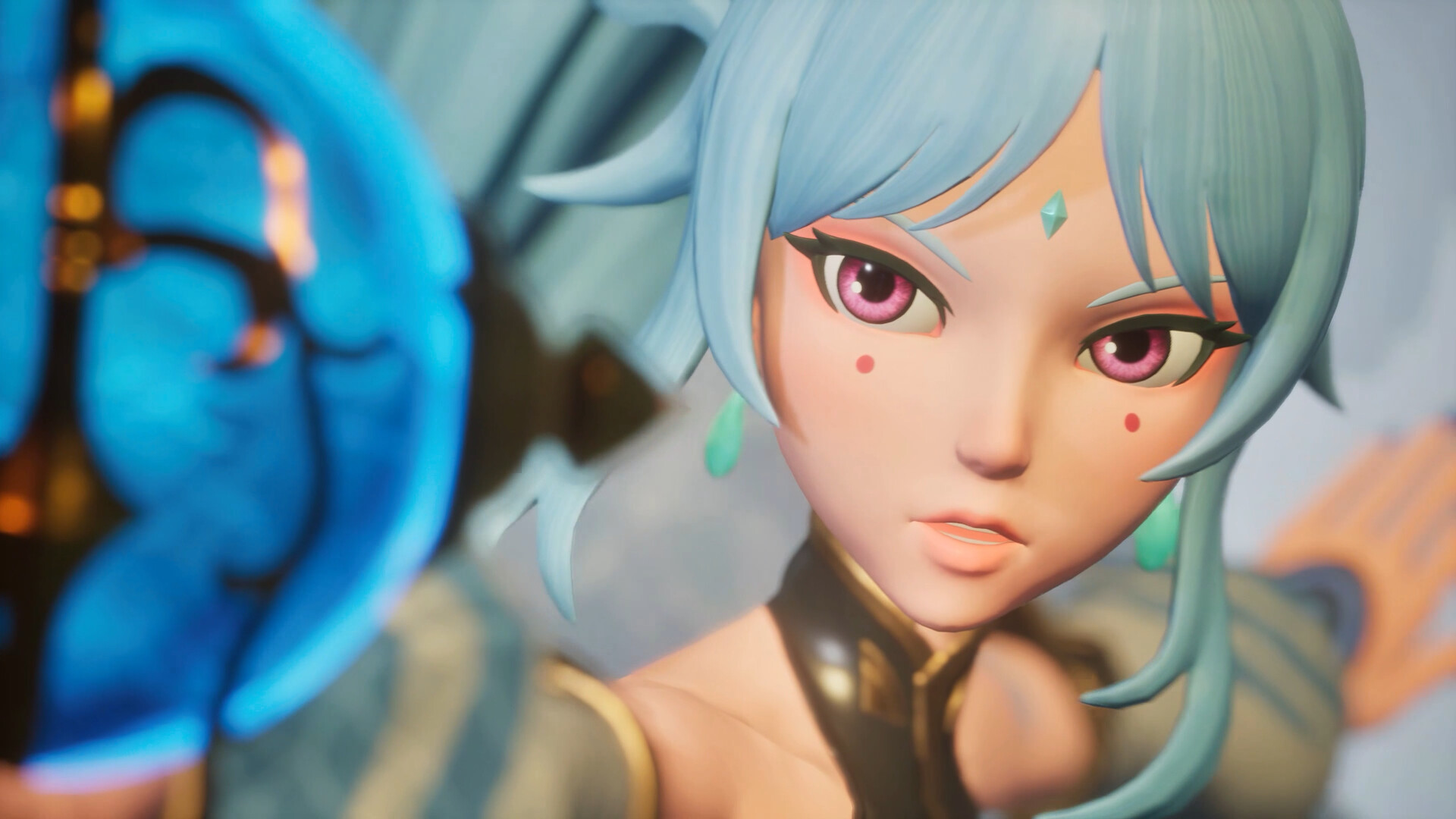
Pocketpair’s rise from indie name to global talking point
Pocketpair was founded in 2015 and is based in Tokyo, far from the old image of a Japanese studio only making polished, conservative console games. Before Palworld, the company had already built a reputation for experimental projects like Craftopia, but nothing on this scale. That jump from niche developer to international headline-maker is the real story here.
Why Japan fans care so much
A great example: Japan has a long history of creators taking familiar ideas and twisting them into something stranger, faster, or more playful. Think of how monster collecting, school-life systems, or base management get reworked in so many Japanese games and anime-adjacent projects. Palworld fits that tradition, even if it’s wrapped in survival mechanics and survival-gaming grit. My tip: if you’re learning Japanese, this is a great moment to pick up game-related words like 再生 (saisei) for replay, 解説 (kaisetsu, explanation/commentary) for explanation, and 勝利 (shori) for victory, because you’ll hear them constantly in Japanese gaming streams and videos.
That reminds me: when Japanese players talk about a breakout hit, they often use words like 爆発 (bakuhatsu, explosion / explosive growth) for something that explodes in popularity, or 人気 (ninki) for popularity. Palworld is exactly that kind of bakuhatsu hit. It didn’t creep into the market quietly, it burst in, made a mess, and forced everyone to pay attention. Sounds weird, but it’s true.
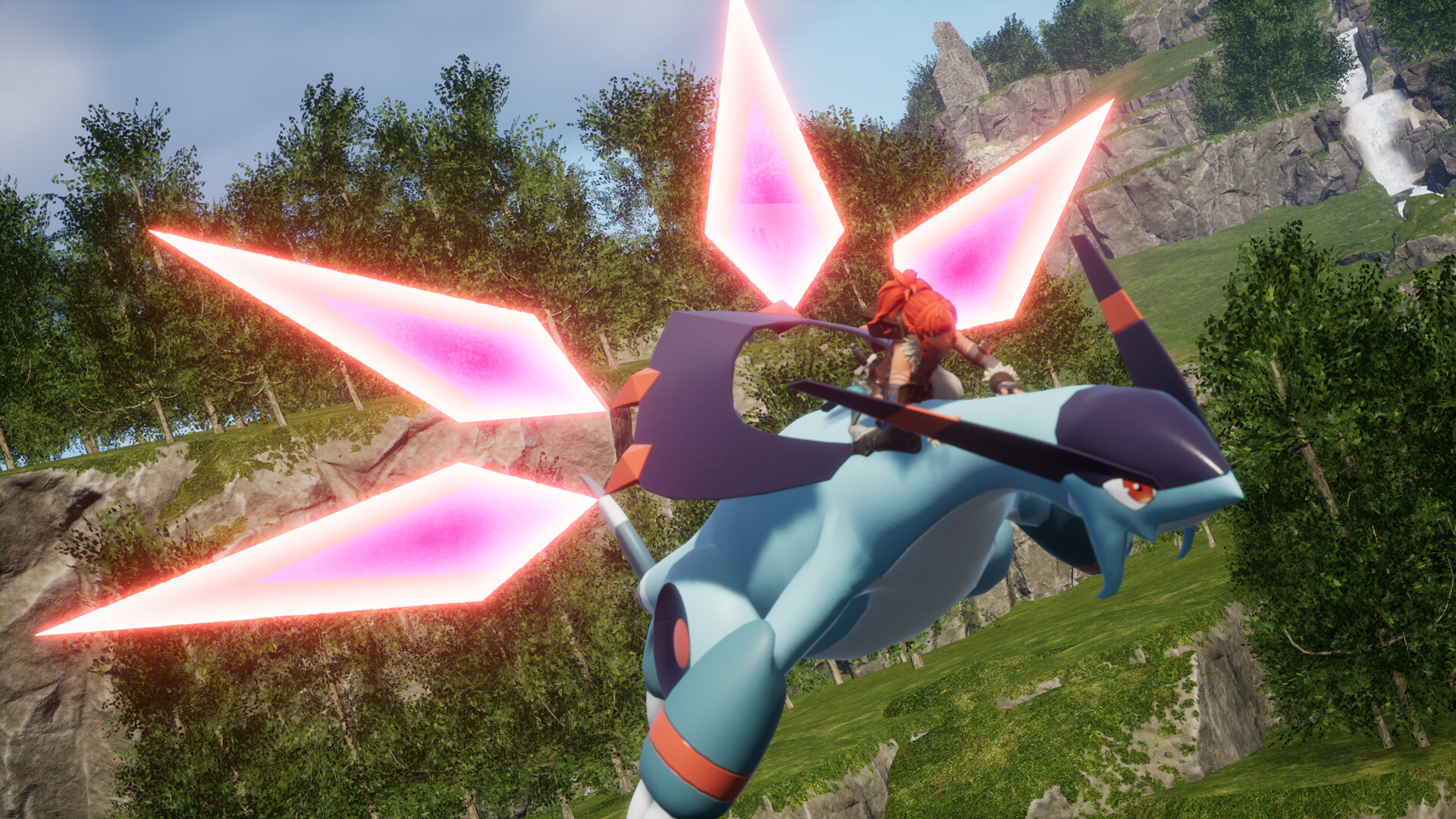
While we're at it: the Japan angle matters because the country’s games industry is still full of giant legacy names, yet the most exciting stories often come from smaller teams willing to take risks. Pocketpair isn’t Nintendo. It isn’t a long-running monster franchise with decades of brand power behind it. That’s why the 40 million figure feels so strong. It says a Japanese indie studio can still crash into the top tier if the concept is bold enough and the timing is right. From my experience...
What Palworld says about Japan’s gaming future
Palworld’s success also tells us something about the current market. Players don’t want polish alone, they want a hook they can explain in one sentence. Pocketpair understood that. Pals plus survival plus automation equals instant curiosity, and curiosity is half the battle in modern gaming.
There’s also a lesson here for Japanese learners and Japan nerds. When you watch Japanese gaming coverage, listen for how creators frame this kind of success. You’ll hear words like 深刻 (shinkoku) for serious, 繁栄 (han’ei, prosperity / flourishing) for prosperity, and 大作戦 (daisakusen, major operation / grand strategy)-style language when they describe a launch that goes far beyond expectations. That vocabulary makes the coverage easier to follow, and it gives you a sharper feel for how Japanese media celebrates big wins.
No joke: Palworld has become part of the broader Japan gaming story, not just a temporary internet trend. It showed that a Tokyo studio can build a global hit from a strange idea, a fast rollout, and a willingness to embrace chaos. For nerds, that’s exactly the sort of underdog win we love to see. But that's not all.
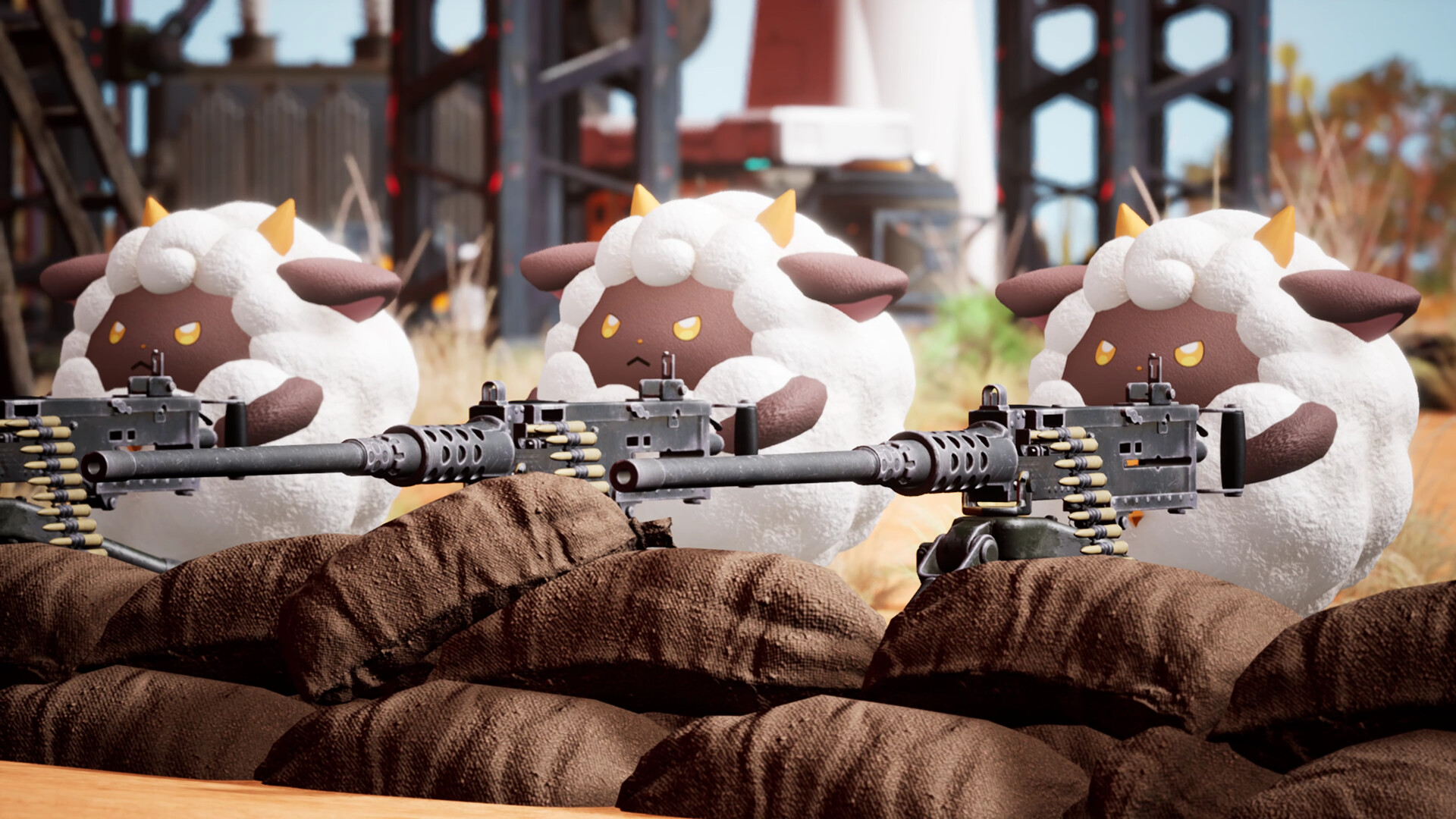
In pictures

Frequently Asked Questions
How many players has Palworld reached?
Palworld has reached 40 million players across platforms.
Who made Palworld?
Palworld was developed and published by Pocketpair, a studio based in Tokyo.
Why is this a big deal for Japan fans?
It shows that a Japanese indie studio can create a worldwide hit and compete with much larger names in gaming.


