
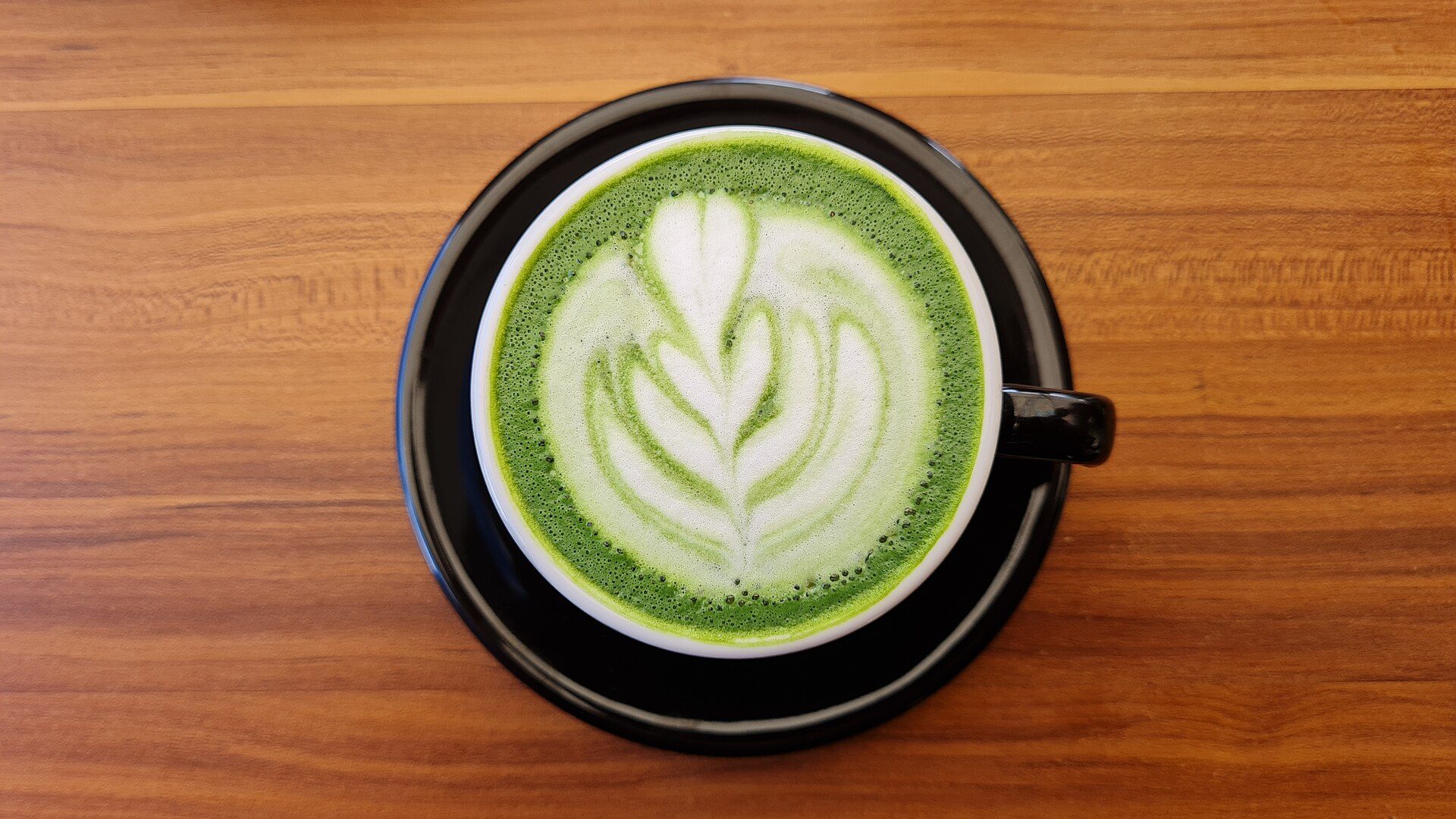
The timing makes sense. 抹茶 (matcha, powdered green tea) has gone from cafe star to convenience-store staple, and brands that move quickly now can grab loyal fans before the buzz cools off.
Matcha drinks are no longer just a cafe treat, and Ito En seems to know it. The company is pushing harder into new formats, especially with its matcha LOVE line, while the wider Japanese beverage market keeps testing what matcha can be. For Japanese learners, this is a nice example of how a single food trend can create fresh vocabulary, new product categories, and real market competition. Sounds odd, but it's true.
And it gets better: this isn't just about flavour. It's about packaging, portability, and the kind of everyday convenience Japanese brands are so good at. When a trend gets this big in Japan, it doesn't stay in one aisle for long. It spreads to vending machines, konbini shelves, station kiosks, and then suddenly everybody seems to have a personal favourite. Wild, isn't it?
Ito En and the matcha LOVE push
Here's the thing: Ito En has long been one of Japan's best-known tea companies, and its matcha LOVE brand is built for the current boom. Rather than treating matcha as a seasonal speciality, the company is presenting it as something you can drink anytime, anywhere. That matters, because Japanese consumers love products that feel easy to carry, easy to buy again, and easy to understand.
matcha LOVE also fits a broader pattern in Japanese branding. The name is simple, catchy, and a little playful, which helps it stand out in a crowded market. If you're learning Japanese, notice how often food and drink brands use English words for emotional appeal, while the actual product story stays deeply Japanese. That contrast is part of the charm. Here's the kicker: packaging can be almost as important as taste.
What I especially like is how Ito En doesn't try to make matcha feel elite or intimidating. Instead, it leans into everyday drinking. My tip: if you ever browse Japanese drink aisles, pay attention to how often the design screams convenience first and tradition second. That's the sweet spot for a lot of modern food launches. Wait, there's more.
280-ml canned drinks and the new convenience angle
Here's the deal: one of the clearest signs of the trend is the rise of 280-ml canned drinks. That size sits in a very practical middle ground. It's bigger than a tiny sample, smaller than a full bottle, and just right for commuters, office desks, and quick breaks between classes or errands.
Unlike what we're used to in many markets, Japanese beverage companies often treat container size as a strategy, not just a technical detail. A 280-ml can can feel more premium than a standard plastic bottle, while still being easy to finish before the flavour gets dull. That matters for matcha, because matcha can taste rich, slightly bitter, and intense if the balance is off. The best part: the smaller format can make that intensity feel more approachable.
For learners, this is also a good chance to pick up useful words. You might see 看板 (kanban, signboard / sign)-like shelf labels, but more importantly, you'll hear or read terms like kyaraku, not a Japanese term, sorry, let's stay practical, and more often vending-machine language such as can, bottle, and limited-time. In Japanese stores, container format is part of the sales pitch. A drink isn't just a drink, it's a little routine. From my experience...
Why the matcha boom keeps spreading
Here's the thing: matcha works because it crosses categories. It's tea, but it's also dessert-adjacent, cafe-friendly, and strongly linked with Japanese identity. That gives brands room to experiment with milk drinks, canned teas, bottled lattes, and even products that lean more towards dessert than traditional 茶道 (chado, tea ceremony). Once a category starts moving, Japanese companies rarely stop at one format.
The appeal also comes from timing. Matcha already has global recognition, so companies like Ito En don't need to explain the basics from scratch. They can focus on taste, convenience, and brand trust. And that gets especially strong when the product lands in a compact 280-ml can, because it feels easy to try. For a learner, this is a smart reminder that Japanese marketing often uses size, texture, and seasonality to shape expectations. Convinced yet?
While we're at it: matcha's vocabulary is useful outside shopping too. Words like 味 (aji, taste / flavor), 香り (kaori, aroma / fragrance), and kigen show up in tasting notes, while retail phrases often stress 取り寄せ (toriyose, mail-order special / order in), 品物 (shinamono, goods / item), or new release style language. You don't need to memorise everything at once. Just noticing how Japanese describes flavour and format can make store visits a lot more readable. Simply brilliant.
What Japan fans should watch next
Here's the kicker: the real story isn't just Ito En. It's how quickly Japanese drink brands can turn one hot trend into a whole family of products. Once a company sees demand, it may add different sweetness levels, packaging sizes, or seasonal versions. That means today's 280-ml canned matcha could be tomorrow's limited-edition winter latte or a summer ice version. Japan loves a product cycle that keeps refreshing itself.
The first time I went to Japan, I was shocked by how seriously beverage shelves were curated. Even a small konbini fridge can tell you what people are into right now. Matcha is still one of those categories that can feel traditional and modern at the same time, and that's exactly why brands keep chasing it. For language learners, that's useful cultural context, because it shows how food trends are tied to everyday life, not just advertising. From my experience...
If you're following Japan for food, business, or language, this is a trend worth watching. It shows how a familiar taste can be reborn through format, branding, and convenience. And if you want to keep up with more stories like this, check out more Japan news on jpnerd.com.
Frequently Asked Questions
Why are matcha drinks so popular in Japan?
They combine familiar tea flavour with modern convenience, and they fit well into vending machines, convenience stores, and cafe menus.
What makes a 280-ml canned drink interesting?
It is a practical size for commuting and quick breaks, and it can make a premium drink feel more approachable.
Why is Ito En important in this trend?
Ito En is one of Japan's major tea companies, so its moves often show where the market is heading.


